
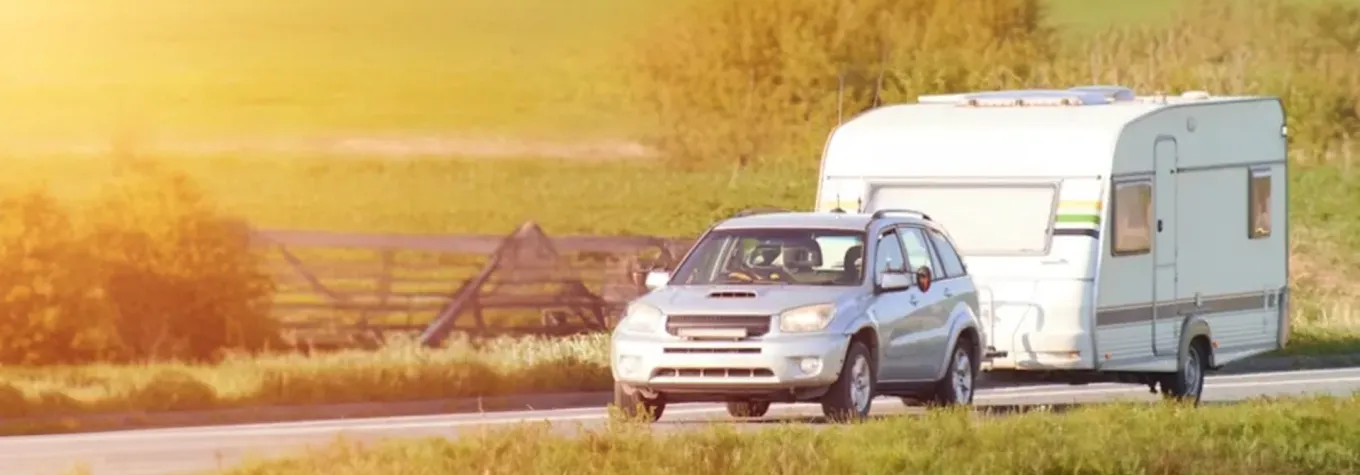
15 of the biggest caravanning mistakes to avoid
Inspiration
Caravanning is a fantastic way to explore the UK, offering freedom and adventure. However, common mistakes can lead to stress, inconvenience, or even danger.
From booking a campsite that's just for tents rather than caravans to choosing a caravan that is too heavy for your car, mistakes are easy to make for beginner caravanners. With the right guidance, though, you can avoid the most serious ones listed below and turn a potential calamity into nothing more than a comical anecdote.
Here's our pick of the top 15 caravan mistakes and how to avoid them – consider it your cheat sheet to becoming an expert caravanner in record time!
Macaulay Nichol Content Editor: Caravans
Macaulay Nichol Content Editor: Caravans

Tow with ease using Towmatch
Understanding which caravans your car is legally able to tow is essential to enjoying a stress-free tour or holiday, and Towmatch is your best tool for the job. This free service provides a comprehensive report of all the caravans your car can tow, and you only need your registration number to get involved!
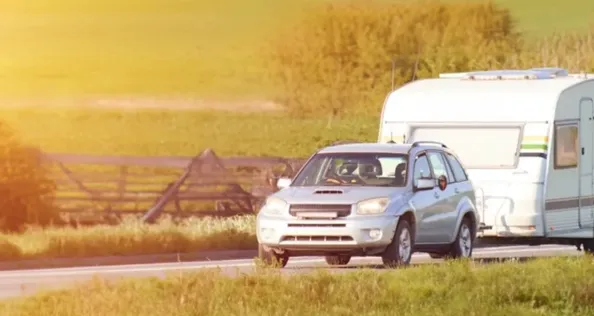
1. Not checking towing compatibility (tow weight limits, licence restrictions)
When people ask, what are common towing mistakes? There are many that come to mind, however the below is absolutely a common one among caravanners.
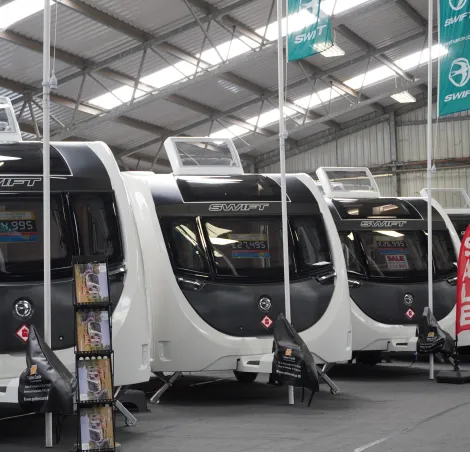
You see, not all caravans are the same. Some are better suited for families, while others are designed for solo travellers or couples. Buying too large a caravan for your tow vehicle, or one with the wrong layout, can prove to be catastrophic, but it’s a mistake that’s so easy to avoid.
This is why it is so important to your research your tow vehicle, and our free service, Towmatch is ideal to make sure your car can tow your desired caravan.
Your car must be heavy enough and powerful enough to tow your caravan legally and safely. Towing limits, noseweight and stability all play a role.
How to avoid:
- Ensure your tow vehicle is suitable for the caravans weight by using our Towmatch service
- Consider layout, weight, and size before buying
- Visit dealerships and browse caravans of a wide variety of layouts before settling on the layout that is right for your needs
- Check your caravan’s MTPLM and ensure it does not exceed 85% of your car’s kerbweight if you are inexperienced
- Consider a caravan service to prevent caravan errors and an array of technical caravan problems
Out & About Live publishes a useful guide, Buying Your Perfect Caravan magazine, which has everything you need to make sure you pick the right caravan for you.

2. Loading
Exceeding your caravan’s maximum weight limit impacts handling, fuel efficiency and safety. The main thing you need to know is that the fully laden weight of the caravan should be no heavier than 85% of the kerbweight of the towing car.
When loading your caravan, ensure an even distribution of contents to avoid imbalance. Place heavier items close to the axle and at a lower level, while lighter belongings can occupy higher spaces.
How to avoid:
- Pack heavier items over the axle to maintain stability
- Distribute weight evenly to avoid swaying while towing
3. Not practising caravan reversing
Towing a caravan feels very different from normal driving. If you’ve never done it before, it can be daunting.
On one side, it’s the most intimidating thing we could possibly do on the road. On the other, it seems pretty straightforward and “how hard could it possibly be anyway?”
This is why it is incredibly important to ensure you are comfortable towing a caravan and have practised through a caravan towing course – which could boost your confidence.
How to avoid:
- Practise driving with an empty caravan on quiet roads
- It’s worth practising the reversing manoeuvres, too. It takes time, but it’s crucial for parking
- Consider a caravan towing course for confidence
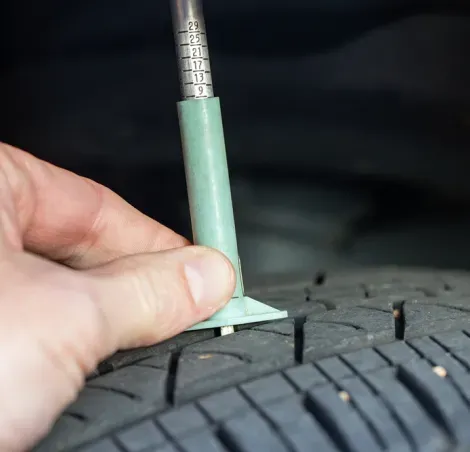
4. Not checking tyres before setting off
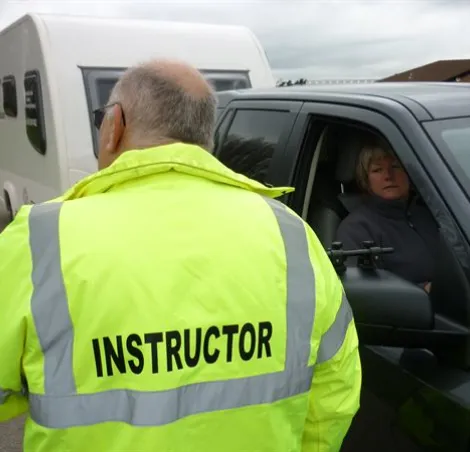
One crucial aspect of caravan maintenance that often gets overlooked is tyre care. Underinflated or damaged tyres are a major cause of caravan accidents.
Neglecting your caravan tyres can lead to serious safety risks and costly repairs, as they are the only contact point between your caravan and the road. This is why regular inspections are crucial for maintaining caravan tyres.
How to avoid:
- Check tyre pressure and tread depth before every trip
- Replace tyres at least every five years, even if they look fine
- Don’t forget to check the spare!
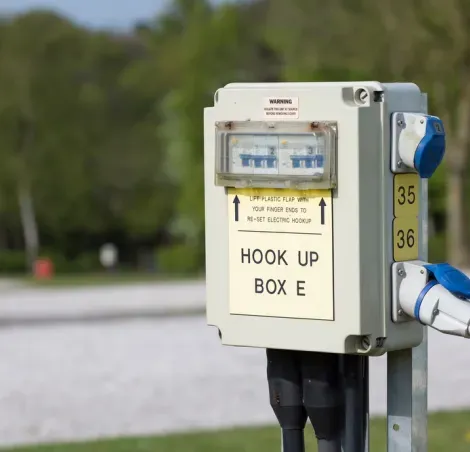
5. Driving off with the electric hook-up cable still attached
A common rookie error!
Forgetting to unplug your electric hook-up lead before driving off can damage both your caravan and the campsite’s power supply.
This is why it so important to conduct a final check before leaving the campsite.
How to avoid:
- Always do a final check before pulling away
6. Not booking a pitch in advance
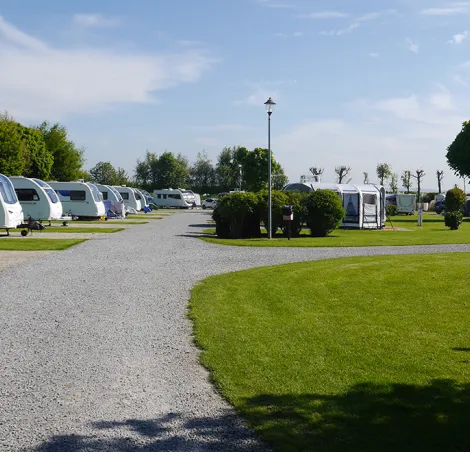
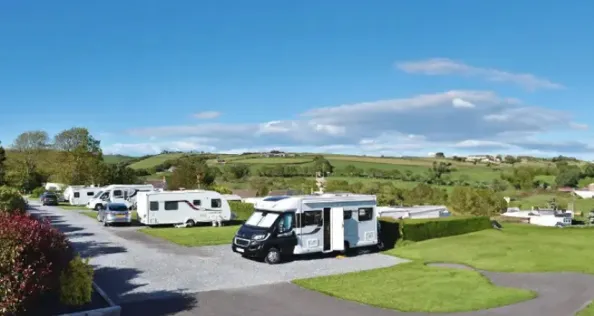
Arriving at a site without a booking could leave you without a pitch – especially in peak season. Whilst it's possible to arrive without a reservation and try to secure a pitch on the spot, its always best to call ahead to check for availability and any specific requirements.
To make this easier, you should try our Campsite Finder.
With a wide selection of UK campsites and many top European camping locations. Our exclusive Campsite Finder will help you choose your next weekend break, midweek getaway or summer holiday in the UK or Europe.
How to avoid:
- Pre-book campsites, especially in summer or school holidays
- Check reviews and choose a pitch suited to your needs (eg near facilities if required)
- Use Campsite Finder
7. Incorrect levelling of the caravan
Generations of caravanners have devised their own solutions – some use old-school wooden planks – but the truth is, a poorly levelled caravan can lead to a host of issues.
An unlevel caravan can stop your fridge from working properly, cause internal doors to swing open or not close at all, and make sleeping uncomfortable. It can also place unnecessary strain on your caravan’s structure and components.
How to avoid:
- Always carry levelling ramps and a spirit level (or use a levelling app)
- Begin by levelling side to side using ramps under the wheels
- Then level front to back by adjusting the jockey wheel
Get plenty of useful tips (such as levelling advice!) and inspiration with a subscription to Caravan – just £3 for 3 months

8. Running out of gas
If you are caravanning off-grid, no gas means no cooking, no hot water and no heating.
Even if you book pitches with a 230V electric supply, gas is often still needed for the hob, grill, and oven.
Our advice: always keep a close eye on your gas levels before each trip and carry a spare cylinder to avoid any inconvenience.
How to avoid:
- Check gas levels before each trip
- Carry a spare gas bottle if possible
- Caravan gas is available to buy on many campsites and in caravan accessory shops
9. Using home appliances instead of lower wattage
There are two ways in which you might trip the electric supply.
The first, and most common, is through overload. In other words, taking more power than the supply can handle. The second is through an earth fault, which may be caused by a faulty appliance or cable.
We would strongly advise that you only use low-wattage equipment and avoid using domestic cables, plugs or appliances.
How to avoid:
- Do not overload your socket box; use only one appliance per socket
- Be mindful of power consumption
- All non-essential appliances must be switched off when a unit is unattended
- Report any problems with your electricity supply to the site management immediately
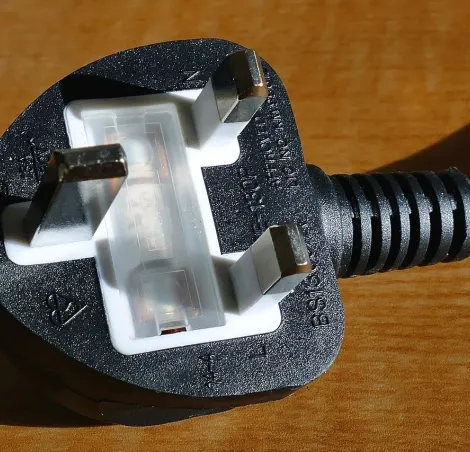

10. Not having a checklist
Forgetting just one important item before setting off can lead to serious problems or damage.
There’s no better way to start/end your journey than knowing you have everything you need – avoiding the stress of rushing back for something you forgot.
With a checklist, you won’t have that nagging doubt about whether you’ve left behind an essential accessory. No panicking – just get in your car and set off, towing your caravan safely.
How to avoid:
Create a pre-departure checklist covering:
- Disconnecting the hook-up
- Raising the corner steadies
- Closing rooflights and windows
- Securing all items inside the caravan
- Properly connecting the tow hitch and electrics
11. Not insuring the caravan properly
Caravanning offers the freedom to explore at your own pace, but with that freedom comes the responsibility of protecting your investment.
While it’s easy to assume insurance is something you might “get around to”, a caravan faces risks that could leave you out of pocket if something goes wrong.
Caravan thefts and accidents happen – being uninsured can be costly.
How to avoid:
- Get specialist caravan insurance covering theft, accidental damage and contents
12. Poor security
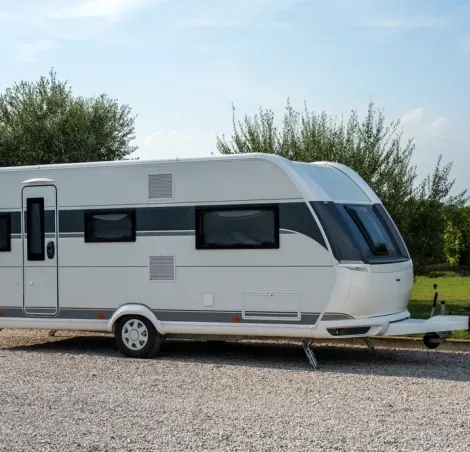
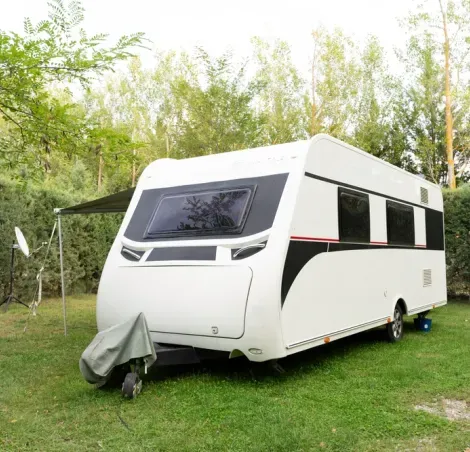
Just like you’d protect your home, your caravan deserves the same level of attention. Whether it’s the valuables you leave inside or the caravan itself, good security gives you peace of mind – read our ultimate caravan security guide.
Modern caravans come equipped with high-value built-in appliances and tech, making them a target for theft or vandalism if not properly secured. Poor security not only puts your belongings at risk, but also increases the likelihood of costly insurance claims – or worse, total loss.
Many caravan insurance providers offer significant discounts if you use approved security devices. Caravan locks, wheel clamps, alarms and trackers aren’t just deterrents – they’re smart investments that could save you money in the long run.
How to avoid:
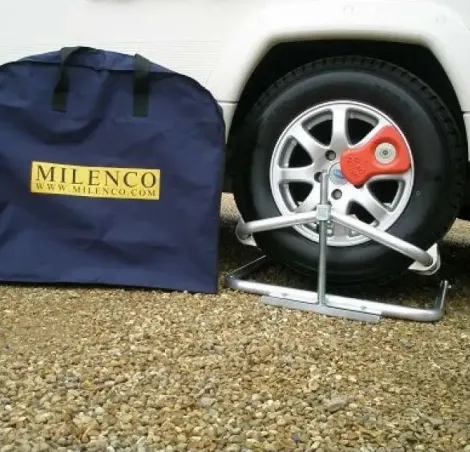
- Fit high-quality wheel clamps, hitch locks and door locks
- Invest in a GPS tracker for your caravan
- Use window and door alarms or motion sensors
- Park in well-lit, secure areas or on recognised storage sites
- Don’t leave valuables in view, and store key documents elsewhere
- Register your caravan with CRiS (the national register)
13. Not securing the awning in high winds
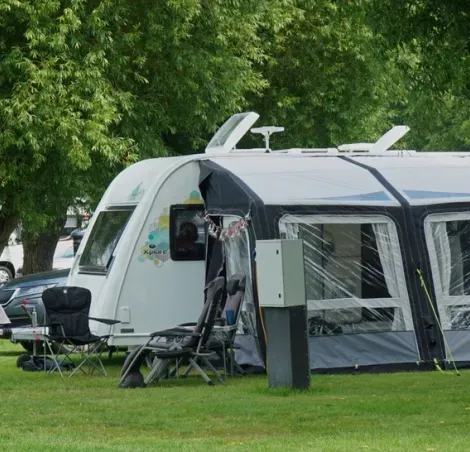
Caravan awnings are a fantastic addition to any caravan as they are one of the simplest, quickest and most cost-effective ways of adding extra space when your caravan is pitched up on a campsite.
If not secured properly, a sudden gust of wind can cause severe damage or even send the awning flying away, potentially harming the caravan or others. It's recommended to take the awning down or at least secure it with storm straps and extra pegs if strong winds are forecasted.
How to avoid:
- Use storm straps to secure awnings
- If strong winds are forecasted, take the awning down in advance

14. Leaving a full toilet cassette for too long
A caravan toilet is an essential part of almost every modern tourer. However, a full cassette left for days in hot weather will be unpleasant to empty.
The longer waste sits, the harder it can be to empty cleanly. Solids may solidify, and fluids may become more viscous, making it more challenging to pour the cassette into the designated waste disposal point.
How to avoid:
- Empty the cassette regularly at designated disposal points
- Use proper toilet chemicals to break down waste and reduce odours
15. Neglecting regular maintenance (damp checks, seals, etc)
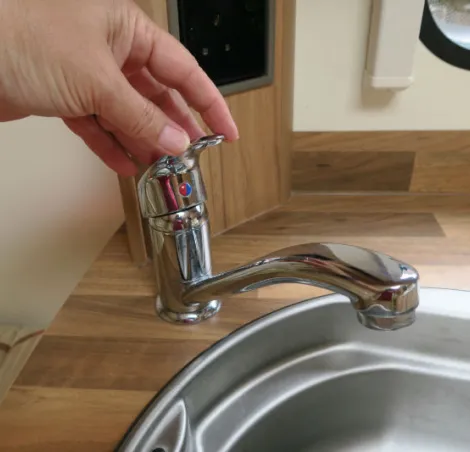
Water left inside pipes can freeze and cause expensive damage. This is why draining your caravan’s water system should be at the top of your list of winter tasks.
Doing this will prevent even the tiniest of water droplets from freezing in the pipework. If there is any water in the pipes, it will expand on freezing and this could split the pipes.
How to avoid:
- Drain the water system fully before storing the caravan in winter
- Leave taps open to prevent freezing
Caravan magazine
Caravan is the monthly magazine that has been inspiring readers for over 80 years, with top holiday ideas in the UK and overseas, the best campsites to stay on, caravan tests and buying guides, plus solid practical advice for the practical caravanner.
Caravan magazine is available in all good newsagents, or you can subscribe to the print version with one of our special offers.
It is also available digitally, here.
Join the Out & About Live family
Get the latest news and exclusive offers direct to your inbox
Discover your inner outdoors with Out & About Live. For over 20 years we have provided the very best advice to motorhomers, campervanners, caravanners and campers – whether you are looking for travel advice, the very best campsites, help with choosing a new caravan, news, shows, what’s on and much more – it’s all on Out & About Live.
We would love to welcome you to the family so sign up to our FREE email newsletters so you don’t miss out any longer.
FAQs
-
What are common towing mistakes?
Some of the most common towing mistakes are overloading the vehicle, improper weight distribution (placing heavy items too high or too far back), using the wrong hitch or ball, ignoring tire pressure and condition, driving too fast, neglecting maintenance and failing to allow for longer stopping distances.
-
What steps prevent water systems from freezing in a stored caravan?
To avoid neglecting regular maintenance, fully drain the water system before storing the caravan for winter and leave the taps open to prevent freezing. Establish a simple seasonal checklist and schedule reminders (calendar alerts or an app) so these tasks aren’t forgotten. Regularly inspect the caravan before and after storage and address any small issues immediately to prevent bigger problems later.
-
How can I improve security and reduce the risk of theft in my caravan?
Poor security in your caravan can be reduced with several straightforward precautions. Fit high-quality wheel clamps, hitch locks and door locks and consider installing a GPS tracker so you can locate the caravan if it’s stolen. Add window and door alarms or motion sensors for extra protection and park only in well-lit areas or on recognised storage sites.
Latest caravan articles
Explore our magazines
Enjoy expert tech help, travel and campsite inspiration, buying advice, reviews, and more with our best-selling magazines and guides.

Buying Your Perfect Caravan
Buying Your Perfect Caravan is the ultimate guide to finding your ideal caravan. From layouts and storage to finance, insurance, and essential kits, it has everything you need to make your dream caravan adventure a reality.

Caravan magazine
Caravan magazine is perfect for caravan enthusiasts. Make the most of your caravan lifestyle with expert advice, unforgettable road trips, must-see attractions and top maintenance tips to keep your ‘van adventure ready.


