

Campervan finance: how to fund your purchase
Campervan finance: how to fund your purchase
The campervan boom has seen an inevitable rise in the cost of buying both new and pre-owned campervans in the last few years and many people are turning to finance to help them afford to buy a campervan.
Here we look at the different types of campervan finance available, to help you decide what’s the best option for you.

Iain Duff Content Editor: Campervan/Camping
Iain Duff Content Editor: Campervan/Camping
Campervan finance options
Buying a campervan outright is a solution for some, particularly older, campers. Maybe you’ve got savings, you’ve decided to downsize your home to free up cash, or you’ve drawn a lump sum from your pension pot. You can withdraw a lump sum from your private pension after the age of 55.
But, for many people, especially younger families, instant access to the sort of cash that would be needed to buy outright is impossible and instead they will consider buying a campervan on finance. Hire purchase, loans and equity release are all realistic campervan finance alternatives, depending on income and age
Do your homework and compare all the different options before signing on the dotted line. There are plenty of handy online calculators that will work out how much you can borrow by setting a deposit amount and monthly repayment costs. It's vitally important you don't overstretch yourselves.
Hire purchase
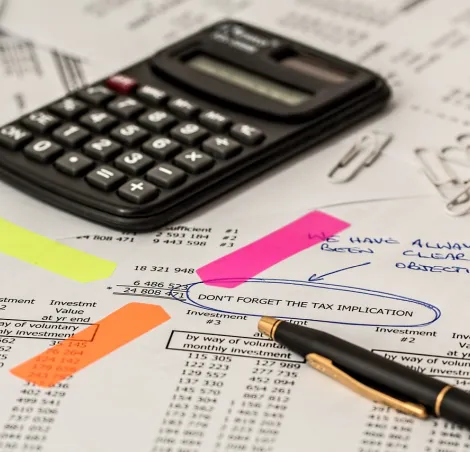
Many campervan dealers offer finance to help you purchase a vehicle. These are primarily hire purchase agreements, where you pay a deposit, agree monthly instalments over a fixed term and then pay a fee at the end to make the campervan yours. Some companies will allow you to pay off the balance early, reducing the eventual cost, but there might be a minimum payment term until this is possible. Remember, too, that you’re not officially the owner of the vehicle, so you might have to check with the HP company if you want to make any modifications.
Monthly payments may be affected by credit ratings, so, if you have a poor credit rating (or none at all), your monthly sum is likely to be higher.
Factors that determine how long a finance term will be include your monthly budget, the intended period of ownership, and the campervan’s age at the time of purchase. For this type of finance, a campervan can usually be no older than 20 years at the end of the term so, for a 10-year agreement, the campervan can be no older than 10 years at the start.
Personal contract purchase (PCP)
Like hire purchase, PCP deals will involve a deposit and fixed monthly instalments, but there is usually a bigger balloon payment at the end. This is a type of finance that is common with cars.
At the end of the term, you can make the final payment and own the vehicle, hand it back and walk away, or use the equity you’ve built up within the campervan as a deposit for your next purchase. However, there are likely to be terms relating to the return of the vehicle, including keeping to a limited mileage and a lack of damage.
Depending on your initial deposit and monthly payments, and the final value of the vehicle, there might not be any equity left. Negative equity could mean you are liable to pay for the difference.
With any sort of finance, it’s worth looking at GAP insurance (guaranteed asset protection). If the campervan is written off or stolen within its term, your regular insurance will only pay out for its market value (new campervans can lose thousands within the first year), making you liable for the shortfall. Good GAP insurance products (there are various types, so check which one is right for you) will make up the rest of the money.

Personal loan
You can take out a standard bank loan if you just want to top up your reserves and if your credit rating is good – there are several free websites that allow you to check this, such as Compare the Market, Experian, ClearScore, and Equifax, to name but a few.
The interest rates will generally be better than for a finance product.
Again, look at the cost of credit, or work out the difference between the total amount payable and the loan value.
Take into consideration, as well, how much you can afford to pay every month.
Leasing
This is less common with campervans but we’ve seen VW’s own California range available on lease deals. The leasing company buys the campervan and you lease it from that company for an agreed term.
Some lease companies may allow you to buy the vehicle at the end of the term, but you won’t know what that cost will be until closer to the end of the lease.
There is likely to be a clause in any finance agreement, whether leasing or hire purchase, etc, that stipulates the campervan is for leisure use only and can’t be used for full-timing.
Mortgage or equity release
These types of finance are affected by the amount of equity you currently have in your house. If you are older, then traditional mortgage or remortgage deals may not be available, hence the equity release options.
It’s worth knowing that with equity release (which is generally available to the over 55s), if you do still have a mortgage, we are told that the sum drawn must pay off the mortgage before being put to other uses. The most popular equity release product is the lifetime mortgage, where there are no monthly payments, but the value of the loan, plus interest, is taken from the sale of the house if you go into care or pass away.
Taking out a mortgage, or remortgaging to free up cash, will involve monthly payments, and so would require income checks. Also remember that house values can go down, depending on economic trends, meaning possible negative equity, and, if you can’t make payments, your house could be repossessed. Seek advice from an independent financial advisor before deciding on either course.
Things to consider
With the current state of the market, it’s best to go through all the options before you start looking for your new campervan. If finance is the way to go, speak to a broker first to find out how much you can borrow and your estimated monthly payments. You can even get pre-approved, so that you can make an offer to buy the right campervan as soon as you find it.
Even if you’ve decided which route is best for you, it’s worth looking at all of the options and shopping around. If it’s a fraction of a percent less interest, that can make a big difference on the amount you will end up paying, especially with finance.
One question that is often asked is whether it is cheaper to carry out a self-conversion rather than buying a professionally converted campervan. The answer is that it can be, but there are lots of factors to take into consideration, the main one being safety. Electrical and gas work should only ever be carried out by qualified professionals.
However you choose to finance your campervan purchase, it’s vital that you put your money to good use and pick the right campervan for you. Read our buying guide, which is full of information on the different types of campervans, what size you should buy and other factors to take into consideration before you decide.
Final thoughts
With the rising costs of new and used campervans, many buyers are turning to finance for solutions.
From hire purchase to personal loans and equity release, options abound.
For those with savings or pension funds, outright cash purchases may suffice, but for others, financing offers accessibility. Understanding terms, payments, and potential equity is crucial.
Whether through hire purchase, PCP, loans, or leasing, thorough research ensures sound decisions. Consult experts for informed choices in the campervan finance landscape.
Latest campervan articles
Explore our magazines
Enjoy expert tech help, travel and campsite inspiration, buying advice, reviews, and more with our best-selling magazines and guides.

Buying Your Perfect Motorhome
Buying Your Perfect Motorhome is the ultimate guide to turn your campervan adventure into reality. From models starting at £20k to luxury options, layouts, finance, insurance, and a dealer directory, it has everything you need to find your dream campervan.

Campervan magazine
Campervan magazine is the ultimate guide to maximise your ‘van experience, including unforgettable road trips, and must-see attractions, expert advice and reviews. Plus, essential maintenance tips to keep your ‘van in top condition.


