

Caravan gas: the ultimate guide
Technical advice
Everything you need to know about caravan gas
Gas remains one of the most essential energy sources for caravanners.
Whether you’re boiling a kettle or warming your caravan on a chilly evening, the right caravan gas set-up can make or break your trip.

Macaulay Nichol Content Editor: Caravans
Macaulay Nichol Content Editor: Caravans
Types of caravan gas
LPG (liquefied petroleum gas)
LPG (liquefied petroleum gas) is the standard fuel for caravans.
In the UK, the two types most commonly used are propane and butane – both stored under pressure in bottles.
Butane:
Blue bottles: Efficient, cheaper to run and ideal in warmer weather. However, performance drops below 0°C.
Propane:
Red bottles: Performs in temperatures as low as -42°C, making it the go-to choice for year-round touring.
In 2025, Calor and Flogas remain the leading UK brands.
Expect to pay around £37 for a 7kg butane refill and about £33 for a 6kg propane refill – however, price may vary by retailer.

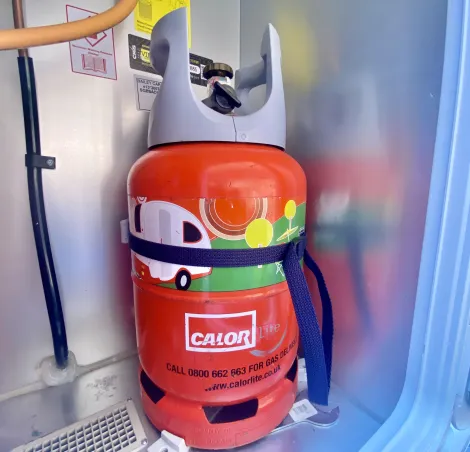
Refillable caravan gas bottles
Refillable gas systems continue to grow in popularity due to rising bottle exchange costs and sustainability concerns.
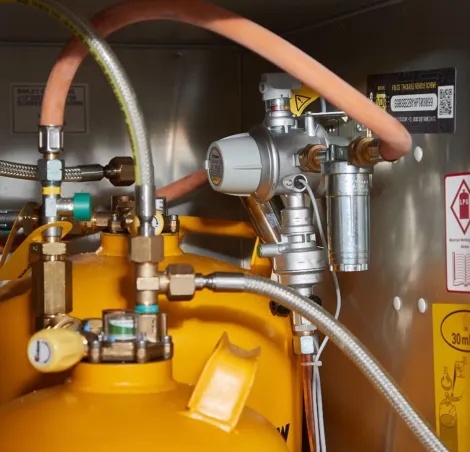
Top refillable systems
Safefill:
Lightweight, semi-transparent and owner-filled at LPG stations. Great safety features and now accepted at most major UK and EU forecourts.
Gaslow:
Durable, refillable steel bottles with inline gauges. Typically installed in twin set-ups with external filler points for convenience.
Refilling a 6kg propane equivalent with LPG at current pump prices (approx. £1.05/litre) costs under £13 – compared to £33 – £37 for an exchange.
Important: Never refill rental bottles using adaptors. It’s illegal, voids insurance and lacks safety safeguards.
Where to refill a refillable gas bottle
UK
- AutogasApp and FillLPG remain your best bets for finding fill stations. Coverage has declined in some areas, so check live updates before setting off
Europe
- myLPG.eu is widely used among UK tourers for LPG station mapping, including adaptor compatibility info per country
What can caravan gas be used for?
Gas powers more than just your hob.
Here’s where it really earns its place:
Heating:
Many systems (eg, Truma, Alde) offer dual-fuel modes. Gas can provide faster warm-up times, particularly off-grid.
Hot water:
Like heating, water boilers often operate more efficiently on gas, especially when electric hook-up isn’t available.
Cooking:
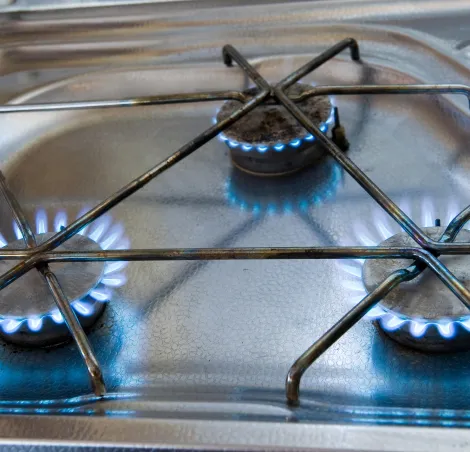
Most caravan cookers use gas. Even dual-fuel hobs usually rely on gas for three out of four burners.
Fridges:
Absorption fridges (common in caravans) often have a gas mode, ideal for wild camping or ferry crossings where electric power is off.
Buying caravan gas
Whether you’re topping up a refillable or exchanging a bottle, availability varies:
Calor and Flogas:
Widely stocked at campsites, service stations and outdoor retailers.
Refillables:
Available at many UK service stations and LPG forecourts across Europe.
Top tip: always carry a full adaptor kit when abroad.
Caravan gas regulators
Gas regulators reduce bottle pressure to a safe, usable level for appliances.
UK standard:
Since 2004, 30mbar regulators are the norm for all new caravans.
Maintenance:
Replace every 10 years or sooner if contaminated (often by degraded hoses or oil traces in gas).
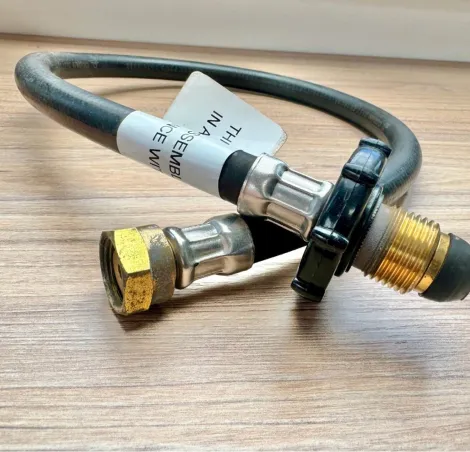
If gas flow drops or fails completely, replace the regulator and the pigtail (the hose connecting bottle to regulator).
FAQs
-
When should I replace a caravan gas hose?
Every five years. Some Truma hoses last up to 10, but always inspect for cracks, stiffness, or discolouration.
-
Which is better: butane or propane for caravanning?
For year-round use, propane is more reliable due to its low-temperature performance. Butane may suffice for spring/summer touring.
-
What size gas bottle is right for my caravan?
Most modern caravans accept 6kg propane or 7kg butane. Older caravans may require smaller bottles, so check locker size first.
-
How much gas does a caravan fridge use?
Between 250g and 450g per 24 hours depending on ambient temperature and fridge size.
-
What colour bottle do I need?
Blue for butane. Red for propane.
Final thoughts
Gas remains an essential part of caravanning. From heating and hot water to cooking and cooling, a reliable gas set-up enhances comfort and self-sufficiency.
So whether you stick with trusted exchange bottles or switch to refillables, understanding the options helps you travel smarter, safer and more economically.
Caravan gas may be invisible – but it powers visible adventure.

Explore our shop
The Out & About Shop is your one-stop shop for everything you might need for an outdoor lifestyle, whether you’re touring coastal roads in a campervan or wild camping in the Highlands.
Fusing a comprehensive array of outdoor leisure products with reviews from trusted and experienced editors, consider this your online high street for outdoor leisure brands.
Latest caravan articles
Explore our magazines
Enjoy expert tech help, travel and campsite inspiration, buying advice, reviews, and more with our best-selling magazines and guides.

Buying Your Perfect Caravan
Buying Your Perfect Caravan is the ultimate guide to finding your ideal caravan. From layouts and storage to finance, insurance, and essential kits, it has everything you need to make your dream caravan adventure a reality.

Caravan magazine
Caravan magazine is perfect for caravan enthusiasts. Make the most of your caravan lifestyle with expert advice, unforgettable road trips, must-see attractions and top maintenance tips to keep your ‘van adventure ready.


