
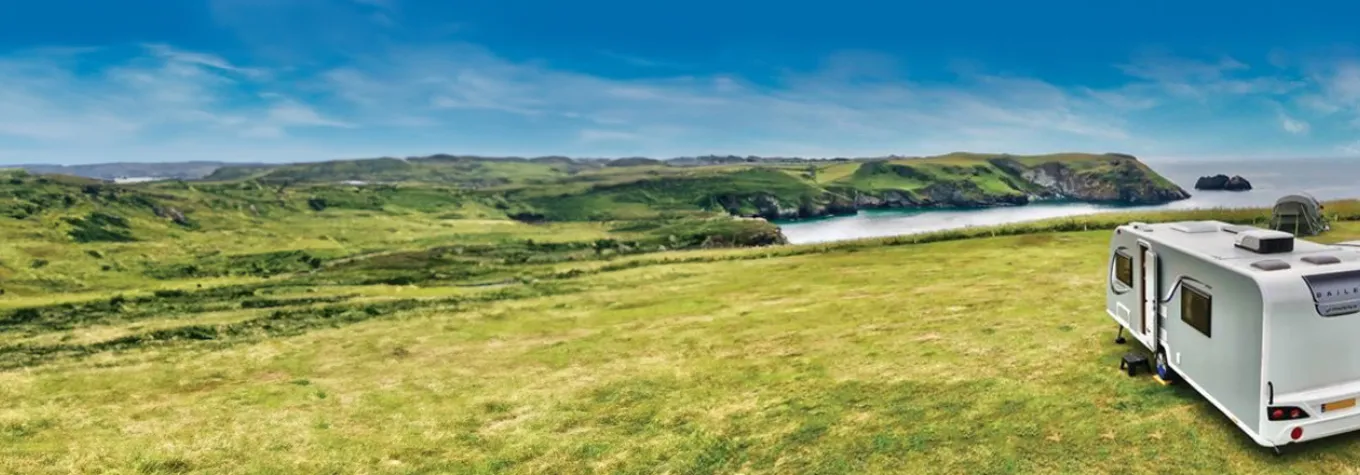
Do you need caravan insurance?
Buying advice
Caravan insurance: how to stay protected
If you own a caravan or are thinking of buying one, you’ve probably wondered if caravan insurance is something you actually need.
While caravan insurance isn’t a legal requirement in the UK, it’s highly recommended – especially considering the value of your caravan, the risk of accidents, and the potential for theft or weather damage.
In this article, we’ll explain the different types of caravan insurance available, from touring to seasonal pitch policies.
We’ll also explore what caravan insurance typically covers, whether it’s worth it, and the kind of protection you may need depending on how and where you use your caravan.
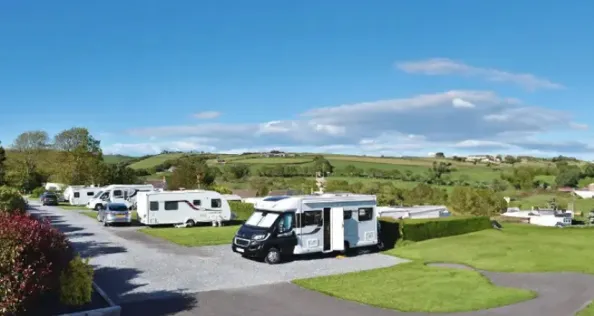
Hero image courtesy of Lee Davey

Macaulay Nichol Content Editor: Caravans
Macaulay Nichol Content Editor: Caravans
Do I have to insure a caravan?
Legally, no, you do not need to have insurance for your caravan but it would be a mistake not to have it. So, it’s worth covering a few points in greater detail to explain why.
If your car insurance policy covers you while towing (most policies do, but you should always check with your car insurer), damage caused to a third party is likely covered – this is the legal minimum required while on the move.
However, your car insurance policy will not cover any damage to your caravan itself, even if you have comprehensive cover. That’s why separate caravan insurance is worth considering. There are many variables for underwriters to assess, so no two quotes are the same.
Simply put, an insurance excess is the amount you must pay in the event of a claim. This can vary, with typical amounts being £100, £250, or £500. Choosing a higher excess amount may lower your premium.
Join the Out and About Live Community!
Get the latest news and exclusive deals direct to your inbox
For over 30 years, Out & About live has remained a reliable voice for the outdoor community. Our expert team are passionate about giving you the best advice and information to help you along your journey. Consisting of some of the biggest brands, Out & About Live is home to all things outdoors.
What does caravan insurance cover?
Caravan insurance typically covers a wide range of risks:
- Theft: Whether the caravan itself or its contents
- Accidental damage: From collisions, low-hanging branches, or campsite mishaps
- Weather damage: Including storms, hail, and flooding
- Fire: Damage caused by fire or explosions
- Public liability: If someone is injured or their property is damaged because of your caravan (eg, awning accidents)
- Contents cover: Including awnings, motor movers, barbecues, and personal items (usually up to a certain value)
It’s commonplace for caravan insurance policies to include European travel cover, but make sure this cover is in place before visiting the near Continent and beyond.
Check the small print on your policy before travelling abroad, as it will likely ask you to adhere to European travel rules on gov.uk for the policy to remain in force.
Campsite owners will likely want to see a copy of your insurance policy, as most have a rule that all caravans on the campsite must be insured.
What might not be covered by a caravan insurance policy?
- Frost damage to fixed water or heating installations
- Damage caused by animals, including pets or vermin
- Tyre damage (although a new tyre will likely cost less than your insurance excess)
- Water ingress
Expert advice: Don’t be underinsured
When insuring on a new for old basis, you need to establish how much a new replacement caravan is worth. For example, you may have a 2015 tourer, but you need to pay the premium for a 2025 tourer. This amount may be very much higher. If insuring as market value, it is a false economy to select a value higher than your caravan is worth. In the event of a total loss, you will only recoup what the assessors deem to be the market value, so you may be paying more premium than you need to in the interim.
A good option is agreed or guaranteed value. If you have bought the unit from a recognised dealer in the last five years, irrespective of the age of the unit, the insurers can take the receipt purchase price as the agreed value. In the case of a total loss, you will likely get back the amount you paid for it, so will suffer no detriment and will have paid the relevant premium all along.
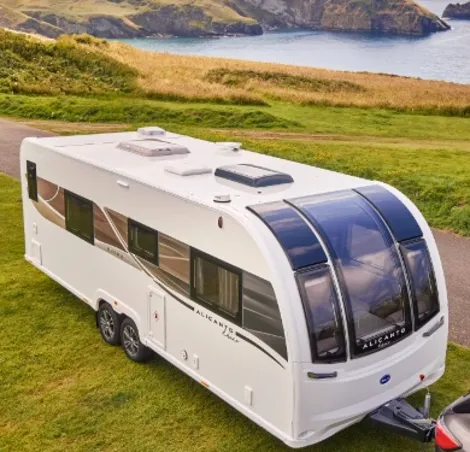
Types of cover
Two common types of cover are new for old and market value.
New for old
New for old cover means that your caravan is insured for its full replacement cost with a new caravan. Insurance companies typically offer this cover for caravans up to a specified age, usually 10 years old.
New for old usually costs more but provides greater financial protection, especially for newer caravans.
Market value
Market value cover means the caravan is insured for its current retail value.
Because caravans tend to retain their value better than cars, it's important to check your caravan's value at renewal time.
Expert advice: New for old vs market value
If your caravan is written off or stolen and needs replacing, there are two types of cover available. New for old cover replaces your caravan with a brand-new equivalent. However, the caravan needs to be within a certain age to qualify for this type of cover. Market value cover will reimburse you the amount that the caravan was worth at the time of the incident.
If your caravan is relatively new or particularly expensive, new for old cover is the best layer of protection. Selecting market value cover can lower the price of your premium, but you may be a little worse off than the alternative if you do find yourself claiming for a replacement caravan.
Types of caravan insurance
Choosing the right insurance starts with understanding the different types of cover available, depending on the kind of caravan you own.
Touring caravan insurance
Touring caravans are designed to be towed from place to place. This type of insurance covers the caravan while it’s on the road, pitched at a campsite, or stored.
This covers towing accidents, storm damage, theft, and more, and often includes European cover for continental touring.
Trailer tent or folding caravan insurance
For those with trailer tents or folding caravans, insurance offers similar protections as for touring caravans.
While these are often less expensive than traditional caravans, repairs or replacement can still be costly.
Expert advice: industry insiders share their top tips
You will have to enter the value as what a brand-new replacement would be worth and not the current market value to be covered correctly. Remember, there are limited insurers that will offer new for old if the caravan is more than 10 years old. So always check both levels of cover (new for old and market value) to get the best prices available.
How much does caravan insurance cost?
The cost of caravan insurance can vary depending on several factors:
- Caravan value: More expensive models cost more to insure
- Security features: Devices like wheel locks, hitch locks, alarms and trackers can reduce premiums
- Storage location: Caravans kept in CaSSOA-approved storage sites may attract discounts
- Usage: Touring caravans generally cost more to insure than static caravans due to towing risks
As a rough guide:
- Touring caravan insurance cost: £150 – £400 per year
Saving money on caravan insurance
Like many, I’m not a big fan of spending money unnecessarily.
Thankfully, serious discounts can be had on policy costs, many of which you may qualify for.
Discounts can vary between different brokers and insurance companies. However, this does indicate the money-saving potential.
Key points
- Up to 25% no claims discount
- 15% discount for an approved tracking device
- Up to 15% secure storage discount
- 10% discount for axle wheel locks
- 10% CaSSOA silver/gold storage
- 5% discount for an electronic anti-snaking device (Al-Ko ATC, etc)
- Up to 5% security marking discount (5% VIN Chip Plus, or 2.5% other security marking)
- 5% tyre safety discount. Tyron bands, or TPMS, or tyre sealant
- 5% discount for a caravan reversing aid
Quotes depend not only on the caravan’s value but also on its storage location when not in use.
Caravan storage facilities that have the maximum CaSSOA (Caravan Storage Site Owners' Association) security rating, for example, will likely attract a discount on your premium regardless of the insurer.
General savings
As with house and car insurance, the area you live in (if you store your caravan at home) has a bearing on the cost of insurance.
The cost of a policy is also influenced by the security devices you have. Wheel clamps and hitch locks are mandatory for most policies, and this combination may be the minimum security required.
It’s worth noting that security products have to be approved to attract a discount. Your insurer will have a list of such products, so it’s worth getting in touch before opting for a particular make and model of security product.
Al-Ko’s ATC is a handy addition. ATC stands for automatic trailer control, and it is designed to detect a snaking motion when towing before automatically applying the caravan brakes.
It aims to straighten the caravan before the snaking motion becomes serious.
What insurance do I need for a caravan?
Choosing the right level of cover depends on:
- Your caravan’s value: Whether you opt for “new for old” or “market value”
- Contents: High-value items like TVs, awnings or generators should be itemised
- Where it’s kept: Consider extra flood cover if your static caravan is near water
- Always check the policy exclusions – some may not cover damage caused by pets, frost, or vermin
At a minimum, consider theft, accidental damage and public liability.
Choose between market value or new for old settlement, and decide if extras like contents cover or European travel are important to you.
Do your research
When buying touring caravan insurance, consider the overall value a product provides, based on the price offered. One policy may look the cheapest, but it could have limited cover and might not come to your aid when you perhaps think it should! So, review the terms and conditions of a policy to make sure it meets your needs; this will avoid any nasty surprises should you need to make a claim.
The service a company provides can be gauged via customer review sites such as Feefo where like-minded people give insight to their experiences. Check these reviews to see what customers say about the service they have received. Also, do you recognise the insurance brand? Does it have experience in selling touring caravan insurance? Does the broker or insurer have a long history or heritage? Is it an experienced insurance expert who can evidence providing support when you need it most?
What do I need to get a caravan insurance quote?
- Caravan details: The make, model, and how many berths it has; ie, Bailey Phoenix GT75 762, six-berth
- Caravan and equipment values: The cost of your caravan plus any kit fitted (including awnings, etc) can soon add up, so make sure these values truly reflect the replacement cost
- Storage information: Do you keep your caravan at home or in a dedicated storage yard? You’ll need the full address and details of any security features
- Caravan security devices: List the security features fitted – hitch lock, wheel lock, axle lock, tracker, etc – and ensure you always fit the items mentioned. If you have a tracker, the subscription will need to be active
- Caravan safety devices: Do you have Al-Ko ATC, TPMS (tyre pressure monitoring system), or a reversing camera?
- Insurance cover start date: When would you like the cover to start?
- CRiS number or VIN: This is usually a 17-digit mixture of letters and numbers on a window sticker. Or, it may be etched onto your caravan’s chassis or window
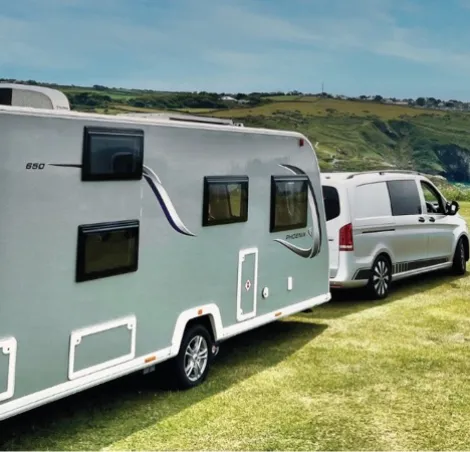
Tips on buying caravan insurance
- Compare policy terms: Cheapest isn’t always best. Make sure you check for limits on claims, excess amounts, and exactly what’s covered. Peace of mind is worth a little extra
- Update valuations regularly: Ensure you’re not underinsured or overpaying
- Look for discounts: Security devices, no-claims bonuses, or previous towing experience can reduce premiums
- Check customer reviews: Sites like Trustpilot or Feefo can offer insight into how insurers handle claims
Trio of tips
1. Look for discounts
Who doesn’t love saving money? When it comes to caravan insurance, there are plenty of discounts to be had – whether it’s for fitting approved security or safety devices, storing your caravan in a CaSSOA-rated site, or having years of safe caravanning or towing experience under your belt.2. Get your values right
Make sure the value of your caravan and equipment is accurate for the cover type you've chosen – it could save you from being underinsured or paying more than you need to. Check these values at every renewal. If you’ve chosen new for old cover, the insured value should reflect the cost of replacing your caravan and kit with brand-new equivalents, which often rise each year due to inflation. If you're insured on a market value basis, make sure the figure reflects what it would cost to replace everything like for like with secondhand items, which may decrease over time.3. Do your research
Choosing insurance is a leap of faith, especially if you've never made a claim. To get a feel for the service you might receive, check out review sites like Trustpilot to see what other caravanners are saying about their experiences with each provider. It’s also worth checking whether a specialist insurance provider has won any industry awards for customer service or claims handling.
Which companies offer specialist caravan insurance?
Among the best-known, and in no particular order, are:
FAQ
-
Does car insurance cover a caravan while it’s being towed?
Most comprehensive car policies cover the caravan while it is being towed but always check with your car’s insurance company. This can cover you for third-party risks, such as if your caravan collides with another vehicle while being towed. Any damage to the caravan will only be covered by a caravan insurance policy, not your car policy.
-
Does the age of my caravan matter?
Some companies insure caravans up to 25 years old, while others may cover a 30-year-old caravan. This varies between insurers, so contact multiple companies if you’re struggling to insure a vintage caravan.
-
Do insurance policies cover you if the person towing the caravan becomes ill?
Yes, some do. It is common for only one person in a family or couple to tow the caravan, and insurance companies recognise this; a mere sprained ankle can render a driver unable to drive. Some policies will get your caravan home for you if this should happen during a holiday.
-
Can I include personal possessions on a caravan insurance policy?
Yes, although it may be worth checking your house insurance policy to avoid duplicate cover. Things to look at include policy exclusions, including specified items, and the excess amount for each policy type.
-
Will my caravan insurance policy cover friends or family who wish to borrow our caravan?
Certain policies can extend cover to friends or family who are borrowing your caravan. However, ensure cover is in place before they embark on a holiday.
-
Are all caravan insurance policies the same?
In short, no. Check the small print before accepting a quotation to ensure it meets your needs. Some insurers may not offer cover for a specific item of equipment, or the insurable risks may not be as comprehensive as another policy.
Before signing on the dotted line, make a cup of tea and read through the small print, including the policy section that details what’s covered and what’s not. Taking a few moments to check these areas can save you hundreds, if not thousands, of pounds. The cheapest isn’t always the best.
Final thoughts
Although not a legal requirement, caravan insurance is vital to protect your tourer and the associated equipment you take on holiday. No matter how careful you are, accidents can happen, and such cover offers peace of mind, even if an incident isn’t your fault.
Specialist insurers, such as those listed, know the caravan market inside out, so it’s worth contacting them for a competitive quote.
Latest caravan articles
Explore our magazines
Enjoy expert tech help, travel and campsite inspiration, buying advice, reviews, and more with our best-selling magazines and guides.

Buying Your Perfect Caravan
Buying Your Perfect Caravan is the ultimate guide to finding your ideal caravan. From layouts and storage to finance, insurance, and essential kits, it has everything you need to make your dream caravan adventure a reality.

Caravan magazine
Caravan magazine is perfect for caravan enthusiasts. Make the most of your caravan lifestyle with expert advice, unforgettable road trips, must-see attractions and top maintenance tips to keep your ‘van adventure ready.


