
How To Tackle Condensation In Your Tent
Condensation is a natural and unavoidable part of outdoor living.
The build-up of moisture can be managed but not eradicated so there’s no point in getting too hung up about it.
Follow our quick tips to help you deal with condensation in your tent
- Don’t confuse condensation with a leak in your tent. Just because water is dripping from the roof, it doesn’t mean it’s come from outside.
- Take some absorbent cloths to wipe down condensation before it starts dripping.
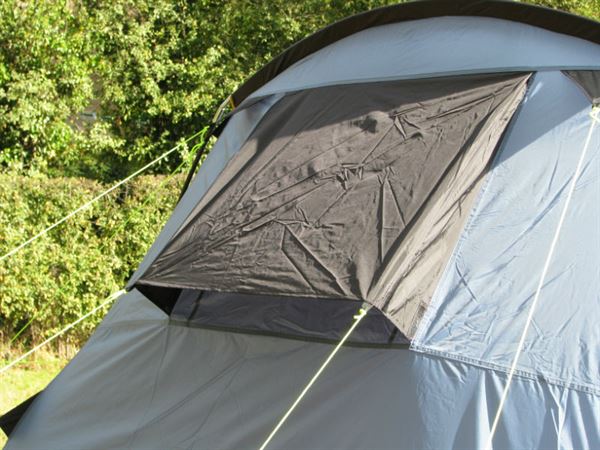
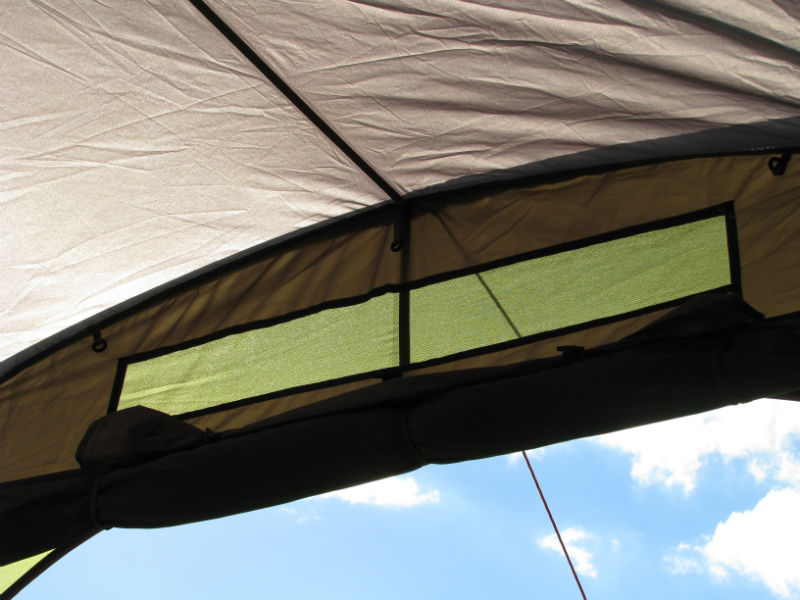
- Ventilation is key. Panels (usually mesh-backed) at the rear and above doors and windows allow air to flow through the tent without letting rain in. Leave the panels open as much as possible to keep condensation down to a minimum.
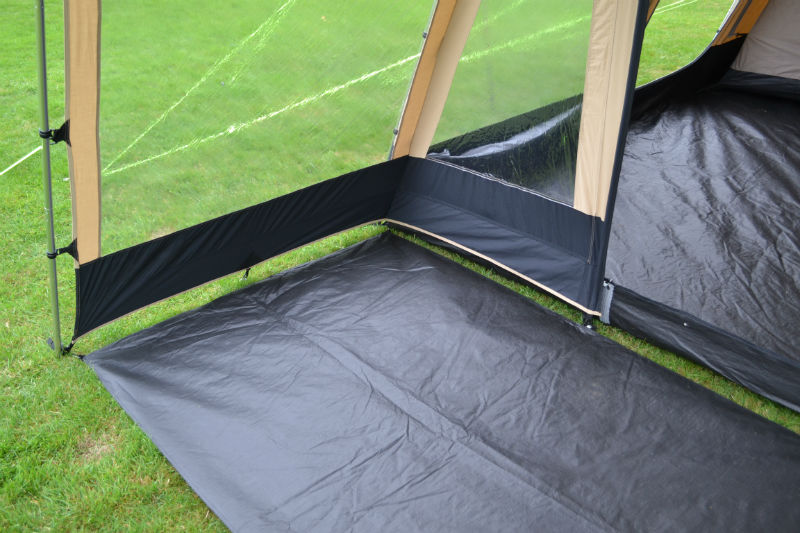
- A sewn-in groundsheet can prevent air from circulating freely. Unfortunately, without one your tent could be cold and wet inside, so you’ll have to balance up the pros and cons.
- Don’t cook inside your tent. This rule applies for several important safety reasons but it will also keep moisture levels down. The steam from cooking generates lots of condensation.
- Likewise avoid eating hot food inside your tent as the heat and steam will add to the problem.
- Be anti-social and don’t have visitors round. A large number of people breathing in your tent will cause moisture build-up.
- Sheltering from the rain with all the doors, windows and vents closed and a heater blasting out hot air sounds tempting but will generate loads of condensation.
- Avoid bringing wet gear and clothing into the tent. Put it in the car boot if you can, or leave it in the front porch.
- Try to air off sleeping mats and sleeping bags every morning.
- When packing up, try to dry your tent fly and groundsheet. Even if it hasn’t been raining both will be damp with condensation.
Next Shows

Retro Festival 7th - 9th August 2026
Retro Festival celebrates timeless hits, vintage vehicles, fashion shows, and fairground fun.

The Western Motorhome & Campervan Show 21st - 23rd August 2026
Join The Western Motorhome & Campervan Show in Malvern, 21-23 August 2026, for live country music, 450+ motorhomes, and a weekend of ca...

The South West Motorhome & Campervan Show 11th - 13th September 2026
Camp in Somerset’s scenic Bath and West Showground for The South West Motorhome & Campervan Show, 11-13 September 2026, with expert adv...