
Camping in Europe: our 12 top tips
Camping in Europe – the thought of it will either ignite your wanderlust or fill you with a sense of logistical dread, probably depending on whether or not you have kids
It’s far easier to have a fantastic experience camping abroad than you might think, though. All you need are a few hard-learned tips and tricks to help your continental journey go without a hitch – which is exactly what you’ll find here.
We’ve gathered together our top 12 tips for camping in Europe, from advice on what to pack to how to find the best campsites. Make sure you’ve stocked up on essentials from the Out & About Shop, then you’ll be ready to embark on your grand adventure.
Bon voyage!
Page contents
- Plan your full route
- Get your car road ready
- Pack a separate bag for overnight stops
- Use motorway rest areas
- Bring strong pegs
- Create shade
- Pack an electric adaptor
- Bring the right gas
- Take a wash bowl
- Pack your budgie smugglers
- Hire a fridge
Stock up on mosquito repellent
Words by Iain Duff
1 Plan your route
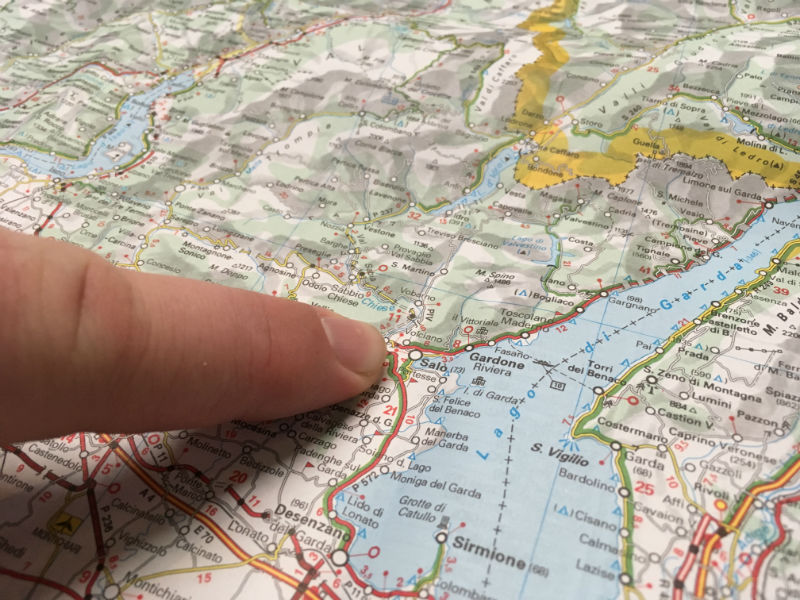
If you’ve got a long drive to your chosen destination ahead of you, make sure you plan your route in detail.
It’s important to do this… not only do you need to know where you’re going, obviously, but also how long the drive will take, roads you might want to avoid and where you might make overnight stops.
Check where any tolls are as well, so you don’t get any nasty surprises. For countries like Switzerland and Austria you need a motorway pass, which can be bought online in advance or at the border. Now that we're no longer part of the EU, check all the rules for travelling through Europe and across borders.
2 Get your car road ready
Once you’ve got your route sorted you’re good to hit the road.
Well, almost… because before setting off you need to make sure your car is ready to drive abroad. As usual before any long trip, check tyre pressure and the oil, coolant and windscreen wash levels.
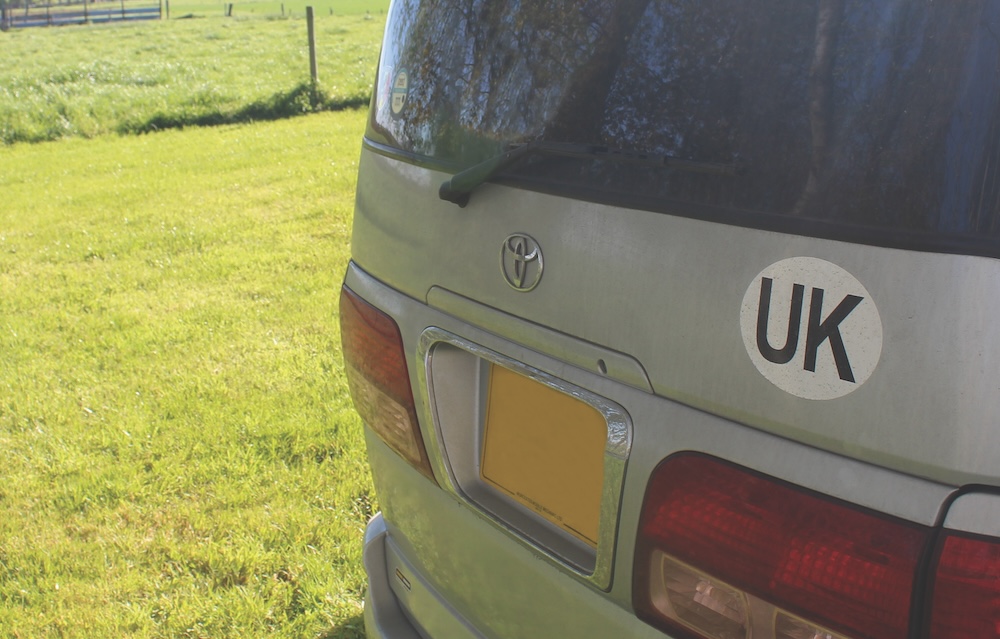
Fit deflector stickers to your headlights so you don’t dazzle oncoming cars at night. Your car will also need a UK sign – either a sticker or a logo on the number plate.
Other important equipment needed includes high-vis vests, warning triangles and breathalysers, but check the local requirements in all the countries you’re passing through, even if you’ll only be on their roads for a short distance. For more information about driving in Europe, read our handy guide.
3 Pack a separate bag for overnight stops
Rather than drag your main bag out the car every time you make an overnight stop – whether on a ferry or at a campsite or hotel – it’s a good idea to pack a separate overnight bag with a change of clothes and toiletries.
You should also take a large shoulder bag or daypack for essential documents, camera, money, etc.
4 Use motorway rest areas

If you’re used to grotty, overpriced UK motorway services, this might not sound like great advice, but think again. Most on the Continent are a joy to use – some are simply picnic areas but others have petrol stations, shops and excellent food outlets. Do bear in mind, though, you’ll need some local currency to use the loos at some stops.
The best services we’ve encountered are in Switzerland, where everything is predictably pristine and the food reasonably priced and genuinely of restaurant quality.
5 Bring strong tent pegs
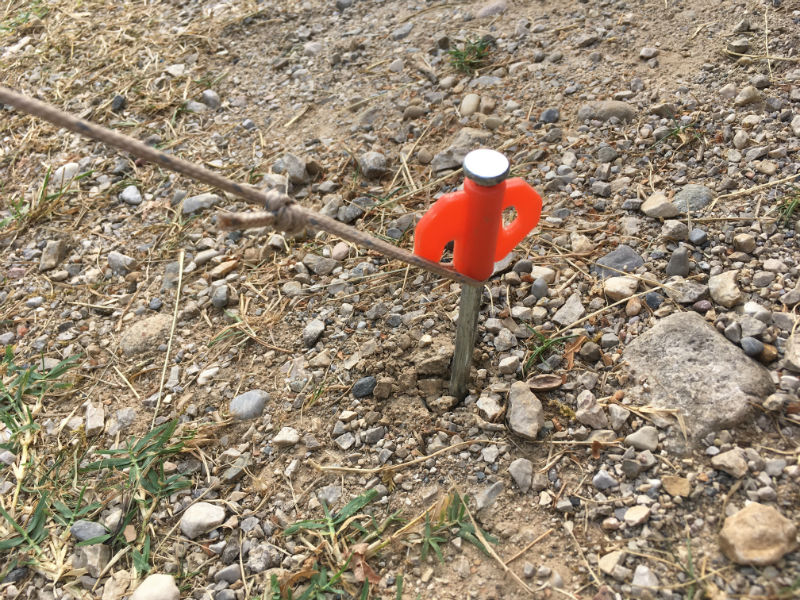
When the ground on your tent pitch is baked hard and dry by the summer sun, you’ll need pegs capable of being driven into the ground without bending.
Flimsy metal or plastic anchors just won’t cut it in these conditions. To secure your tent use heavy duty steel pegs that you can hammer firmly into the ground. And a footprint to go under the groundsheet will help protect it from damage.
6 Create shade
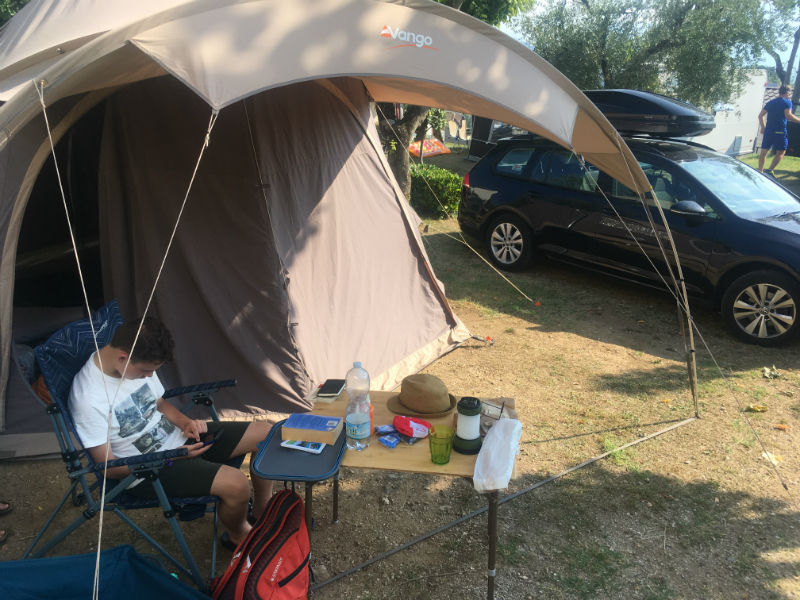
They say only mad dogs and Englishmen go out in the midday sun, but if you insist, make sure you’ve got plenty of shade.
If your tent has a built-in shelter, try to set it up so it provides protection from the sun at the hottest time of the day. If it doesn’t, create a makeshift sun shelter using a tarp.
7 Pack an electric adaptor
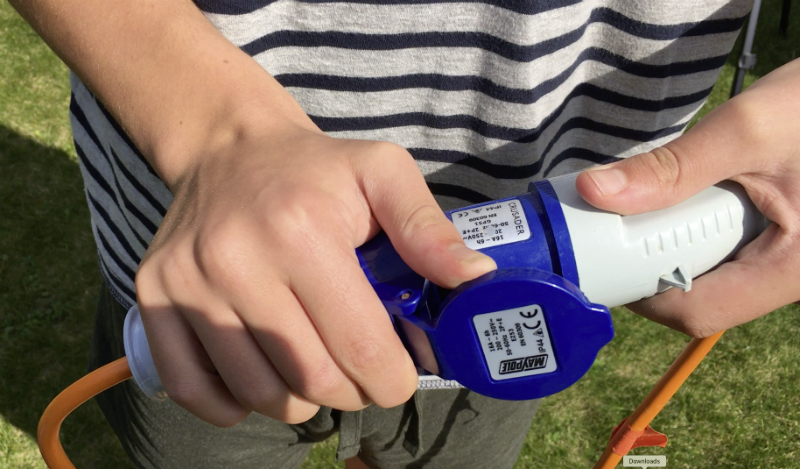
Your blue UK electric hook-up cable will work on many sites in Europe but there are some, especially in France, where you’ll need an adaptor to plug in your electric gadgets.
A mains tester is worth taking to check the mains polarity. If the tester shows reversed polarity, you’ll need another adaptor to correct it before using British appliances.
Check the situation in advance – you can buy adaptors at camping shops at home and some sites will lend you one if you pay a deposit.
8 Bring the right gas
Calor gas is not available in mainland Europe, so if that’s what you use for your cooker or barbecue, make sure you bring enough from home to last for the length of your trip. You should always pack enough camping gas for your trip in case local stores don't stock it.
Alternatively, use Campingaz, which is readily available across the Continent. Be aware of restrictions on taking gas onto ferries and LeShuttle.
9 Take a wash bowl
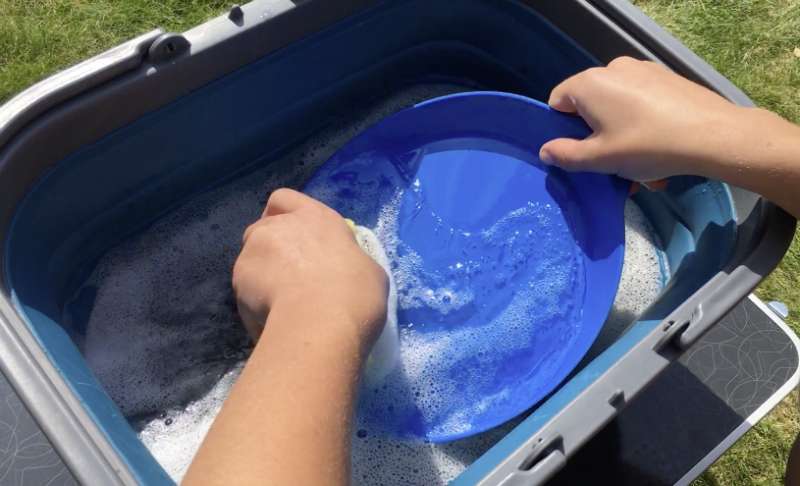
For some reason, sink plugs seem to go missing on sites abroad all the time, so it makes sense to take your own washing-up bowl.
A collapsible bowl is probably the best option for space-saving reasons. Bringing your own loo roll is also advisable as many sites on the Continent don't supply it.
10 Pack your budgie smugglers

When it’s hot, cooling off in the pool is bliss, but for reasons best known to themselves, many campsites on the Continent insist that men must wear tight, budgie-smuggler style trunks rather than long swmming shorts. So make sure you take some with you or risk having to traipse around the shops looking for a pair.
At some sites you also need to wear a swimming cap – you can usually pick these up locally for a couple of euro.
11 Hire a fridge!
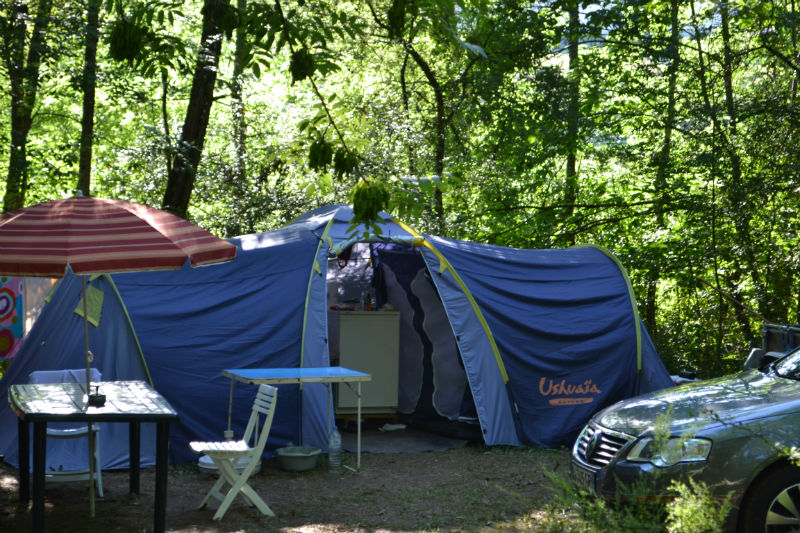
Having a full-on fridge in your tent might sound crazy, but even the most powerful coolboxes struggle to work in extreme temperatures so it’s actually a very good idea if you want to store food and drink.
And many sites will rent you a fridge during your stay so luckily you don’t have to lug your own across Europe!
We’ve even seen sites where campers return every year, and leave their fridge/freezer (and barbecue) in storage on the site ready for their next visit.
12 Stock up on mosquito repellent
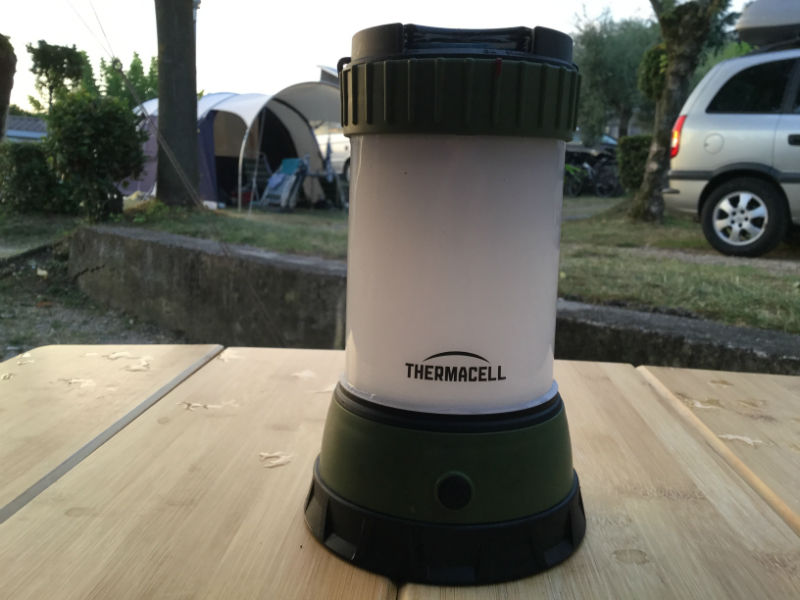
Mosquito bites can ruin a foreign holiday, especially if they get infected, so you can never have too much spray and cream with you.
Citronella candles and gadgets, like the Thermacell lantern, with built-in repellent, can also keep the bugs at bay when you're sitting outside your tent at night.
If you do get bitten, make sure you’ve got something to relieve the symptoms stashed in your first aid box.
Next Shows

Retro Festival 7th - 9th August 2026
Retro Festival celebrates timeless hits, vintage vehicles, fashion shows, and fairground fun.

The Western Motorhome & Campervan Show 21st - 23rd August 2026
Join The Western Motorhome & Campervan Show in Malvern, 21-23 August 2026, for live country music, 450+ motorhomes, and a weekend of ca...

The South West Motorhome & Campervan Show 11th - 13th September 2026
Camp in Somerset’s scenic Bath and West Showground for The South West Motorhome & Campervan Show, 11-13 September 2026, with expert adv...