
Camping kitchen: all you need to know
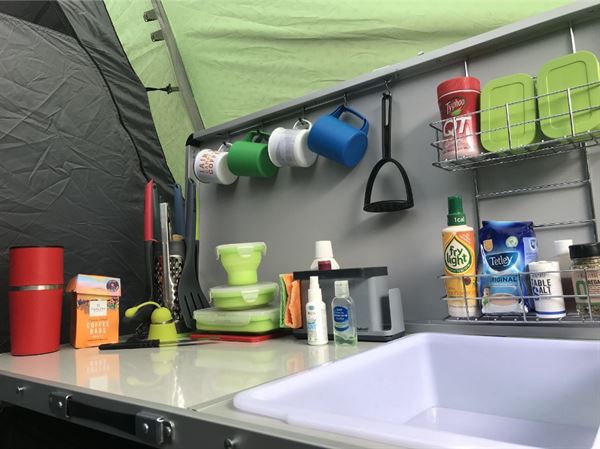
Cooking outdoors is a major part of family camping holidays and the slower pace of life on holiday encourages us to seek out real food and cook it with care
With the right set-up, a few essential items packed into the camping box and a basic array of condiments, herbs and spices, you can create your dream camping kitchen.
Words by Iain Duff
What you will need for your kitchen
Basic essentials
A camping kitchen can be as simple or elaborate as you want it to be but for a short overnight or weekend stop, you don't need much in terms of equipment or storage. All your food and cooking kit can be kept in plastic containers and anything that needs to be chilled can go into a coolbox.
For more information about coolboxes, see our guide to keeping food fresh.
Loose food attracts unwelcome visitors, so make sure your food storage box is secure and durable.
On shorter trips, most of your cooking will be limited to one-pot recipes and a single-burner stove is a basic essential for this. A small camping table is useful for keeping the stove off the ground. You will also need a camping kettle or a small pan to heat water for hot drinks and another saucepan for cooking. Don’t forget a sharp knife and a wooden spoon, as well as camping plates and bowls.
Family essentials
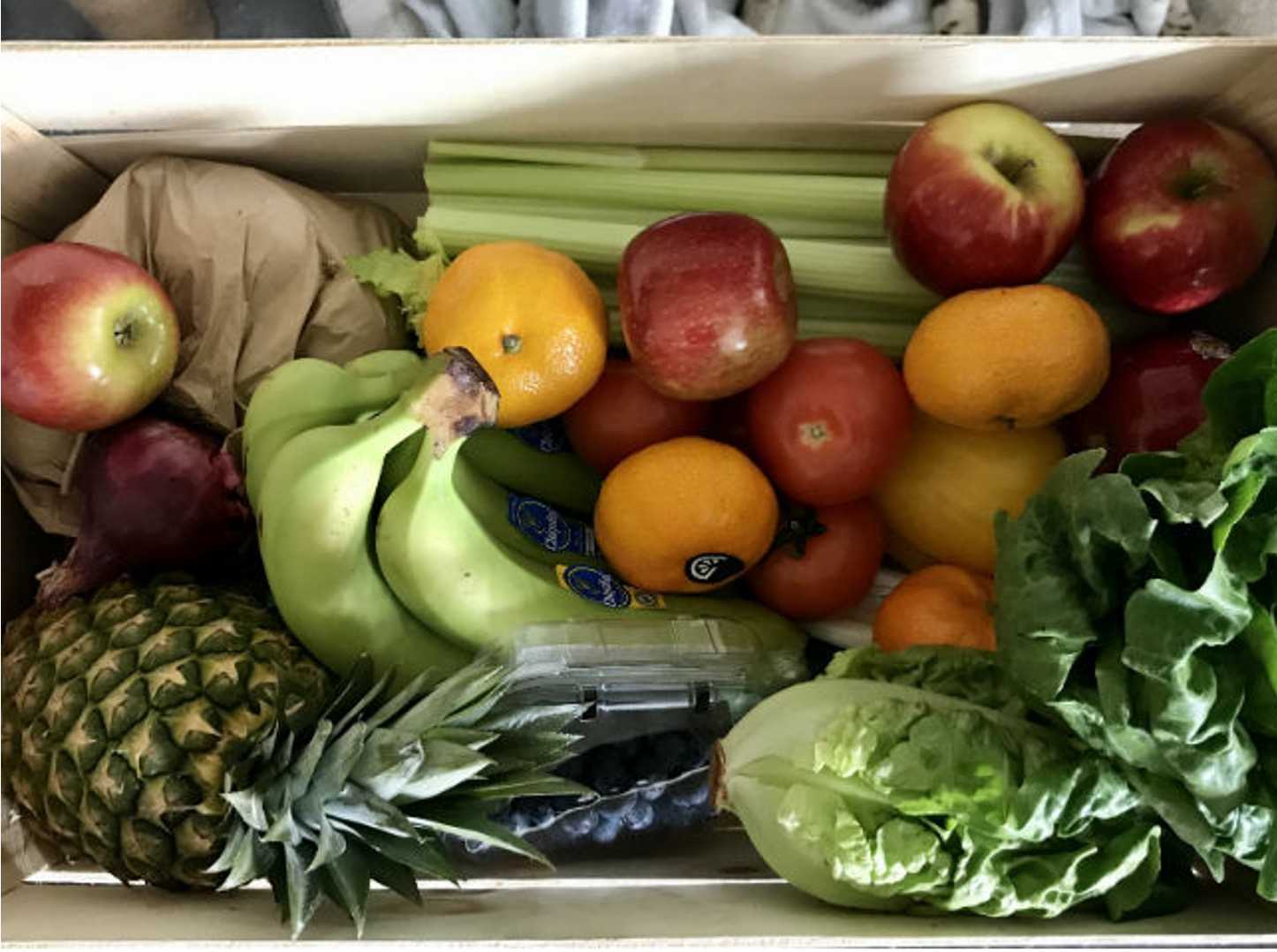
On longer stays, where your tent is pitched for a week or two, you can really go to town with kitchen equipment.
All the big camping gear manufacturers offer a selection of kitchen units in different sizes, which give you plenty of work surfaces and storage space for food and cooking equipment. Some even have sinks where you can prepare food or do the washing up.
The units fold flat for storage and transport and are easy to wipe clean.
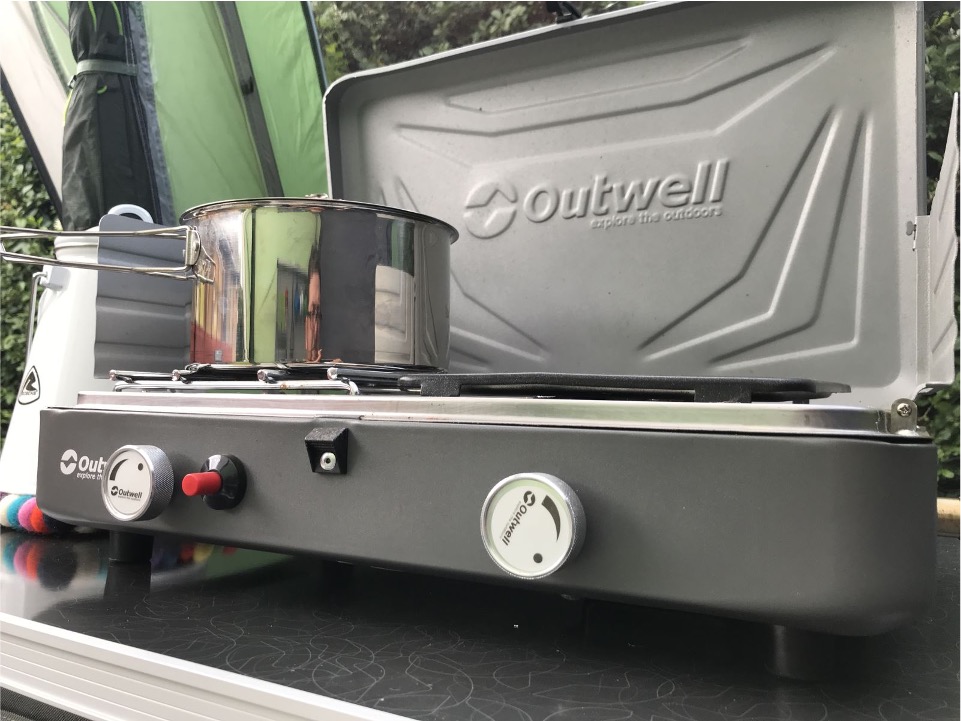
Cooking on gas – butane, propane or a mix of the two – is still the most popular option for tent campers, but if you have access to hook-up on your pitch, an electric stove is a clean and safe alternative.
A double-burner stove is best as it allows you to have two pans on the go at once – and in the morning means you can boil the kettle for a brew as you fry the bacon. Cooking inside the tent is not recommended – not only is there the risk of fire but carbon monoxide poisoning is also a real danger. If weather allows it, cook outdoors or in the front porch area of your tent. A windshield is also a very useful addition to the set-up. Our guide to camping stoves will help you through the process of buying the perfect stove for you.
Though pots and pans from home will do for your first camping trips, pulling together a dedicated camp kitchen kit makes packing and travelling much easier. Dedicated camping cook sets where the pots and pans can be stacked inside each other make storage and transport easier.
For keeping food and drink fresh on family camping trips, there are a number of options available, ranging from basic coolbags, passive and electric coolboxes to electric/gas fridges.
Our guide here explains them all so you can decide what is the best option for you.
Consider lightweight, unbreakable crockery and tableware rather than packing the family china and silverware. Again, there are a huge amount of options and it’s really a matter of budget and personal preference.
A decent-sized chopping board and a sharp knife is something to remember if you are keen on campsite cooking.
Dining can be done inside or outside, depending on the weather and the space in your tent. Tents with large front canopies give you the option to dine outdoors but under cover. There are dozens of options in lightweight folding tables and chairs for camping so try a variety out for size and convenience before buying.
Kitchen kit for family camping
- Double-burner stove
- Coolbox or camping fridge
- A decent non-stick frying pan
- Two saucepans with lids
- A large stock pot
- Chopping board, spoons and spatulas
- A set of sharp knives (big, medium and small)
- A grater
- Pestle and mortar (for grinding seeds and spices)
- A camping kettle (water boils quicker in a kettle – saves gas!)
- A set of plastic boxes (handy for storing chopped and grated ingredients)
- Kitchen roll
- Washing-up liquid and sponge and a dishtowel
Cooking outdoors

For convenience there’s nothing wrong with having a selection of tins and packets as part of your camping food supplies. But if you want to be a little more ambitious and create some really tasty meals, the key is to shop locally and use what’s in season where you are.
Buying locally grown veg and produce from the village shop all helps support the local economy and is good for the environment, too.
At the coast, look out for fresh fish, especially mackerel and sardines – which are just divine cooked simply on the barbecue or over the campfire’s dying embers.
Inland, try to find burgers and authentic local sausages and pork chops.
Traditional family butchers are usually the best places to visit and, while you’re at it, why not splash out on a couple of pieces of steak, but don’t break the bank with fillet or ribeye, go for the cheaper cuts like sirloin or rump, they’ll taste just as good – if not better – cooked on the barbecue.
See our recipe page for some delicious but easy meals you can create on the campsite.
Camping larder staples
- Olive oil and sunflower oil
- Dry pasta
- Box of flaked sea salt
- Black pepper mill (and plenty of peppercorns)
- Cumin, coriander and fennel seeds (whole is best, but ground is fine)
- Paprika
- Dried chillies
- Fresh herbs: garlic, rosemary, thyme, coriander, basil, bay leaves
- A bottle of hot sauce
Health and safety
Finally, keep your pitch clean, tidy and healthy by cleaning pots, pans, crockery, cutlery, stove and table thoroughly.
Clear up rubbish and leftovers and put it the campsite bins rather than a plastic bag by your tent – it's one area where being obsessive pays dividends.
Final thoughts
In the great outdoors, a well-equipped camping kitchen transforms mealtime into a delightful adventure.
From basic set-ups for quick getaways to family-friendly units with ample storage, the key is finding the balance between simplicity and convenience. Embrace local flavours, prioritise safety, and remember, a tidy campsite is a happy campsite.
Next Shows

The Big Land Rover Fest 11th - 12th July 2026
Experience The Big Land Rover Fest – a weekend of off-roading, live music, club displays and family fun at Newbury Showground, 11–12 Ju...

The Norfolk Motorhome & Campervan Show 17th - 19th July 2026
Join The Norfolk Motorhome & Campervan Show, 17-19 July 2026, for the Out & About Live Summer Party! Explore motorhomes, live demos, an...

Retro Festival 7th - 9th August 2026
Retro Festival celebrates timeless hits, vintage vehicles, fashion shows, and fairground fun.