
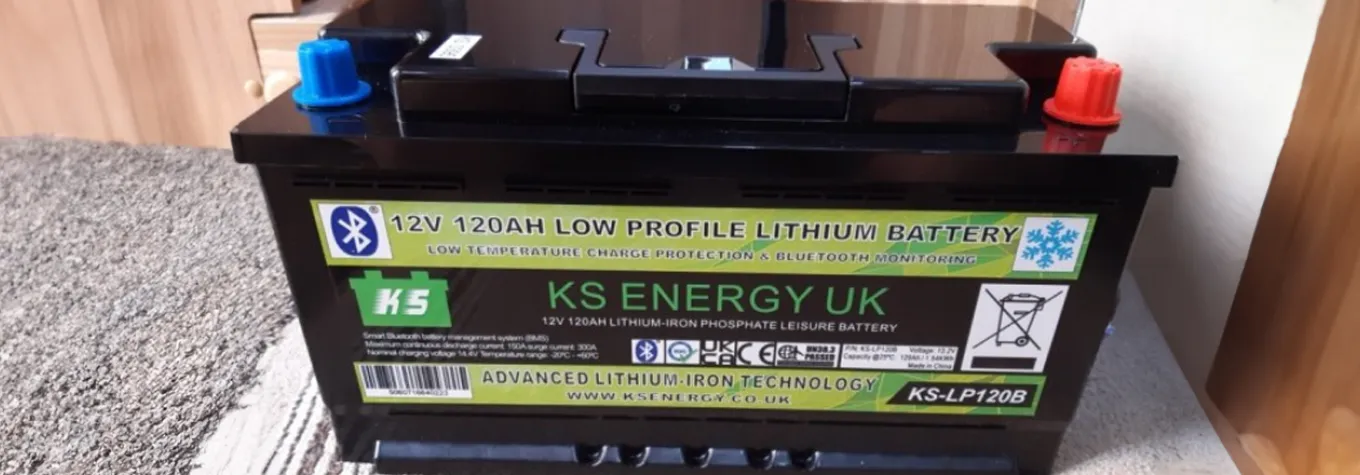
Lithium battery upgrade
Motorhome DIY project: Lithium battery upgrade
Swapping to lithium batteries to improve 12V power performance when away from mains hook-up or wild camping.
Words and photo courtesy of Derrick Davies
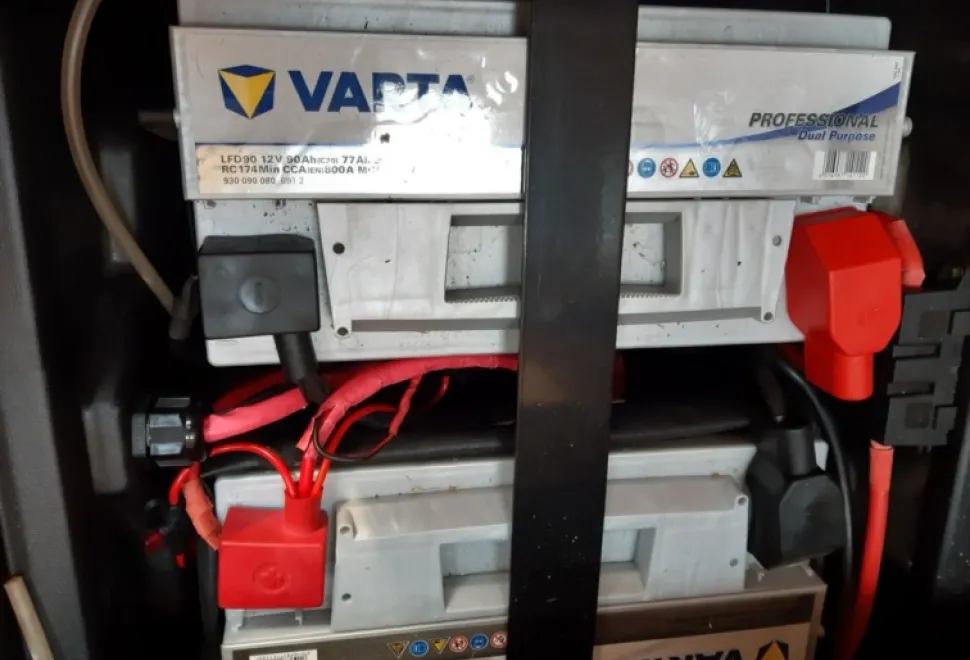
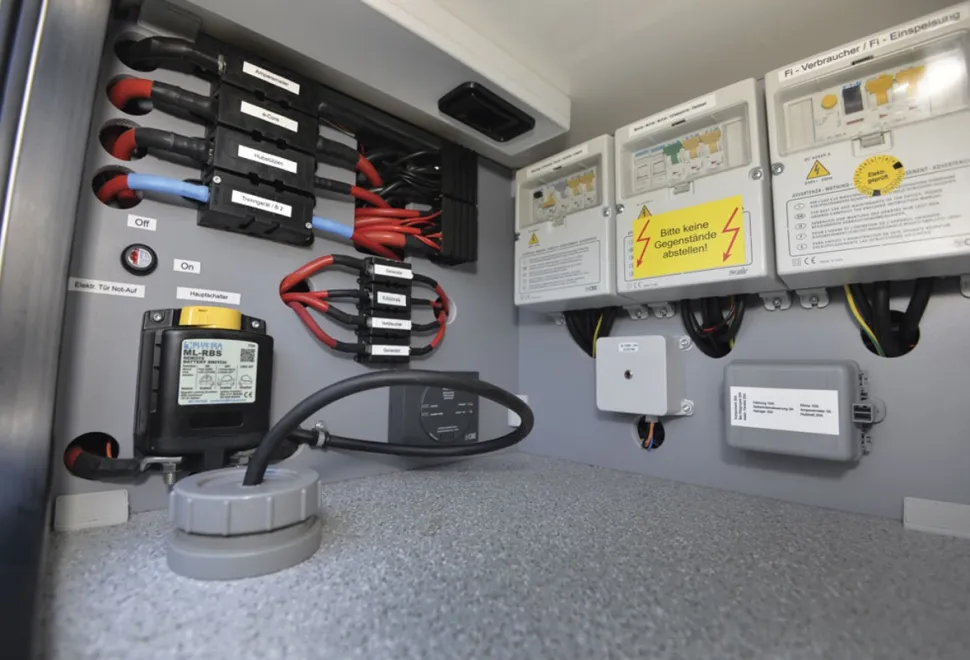
The original set-up
I had a pair of Varta 90Ah leisure batteries installed, but was disappointed by the off-grid performance. I’ve looked at various lithium battery upgrades, but was deterred by the apparent requirements for a B2B charging module and changes required to the on-board mains charger.
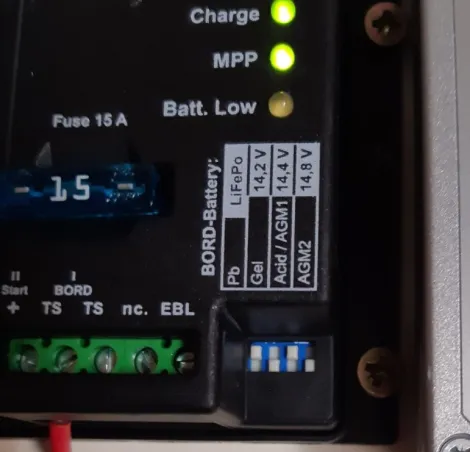
My solar panel controller had the facility to adjust the charging rate for LiFePO4 batteries – LiFePO4 means the battery construction is lithium (Li), ferrous (Fe) and phosphate (PO4).
Check your electrics are suitable
I discovered KS Energy has a range of batteries that are literally drop-in items. There are a couple of checks to carry out before taking the plunge.
First, the split-charging system should deliver at least 14.4V (+/-0.2V). Next, check your on-board mains charger (mine bears the part number PS306-6A-BC). This was found to be a three-stage charger (bulk 14.4V / equalisation 13.8V / float 13.2V).
This was deemed fine for the lithium switch, as it must have a 14.4V (+-0.2V) bulk stage. Lastly, the solar panel controller needs to be switchable to the correct staged charging pattern (ideally with a LiFePO4 setting).
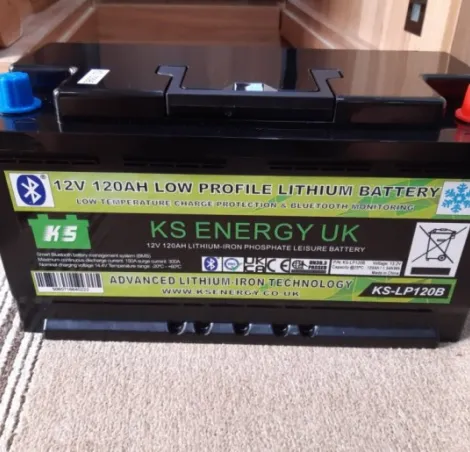
The cost of lithium batteries
I ordered a pair of low-profile 120Ah batteries, which arrived via UPS Next Day service (included in the purchase price). The two batteries cost £599 each (KS Energy LP120B 12V 120Ah).
Fitting the batteries
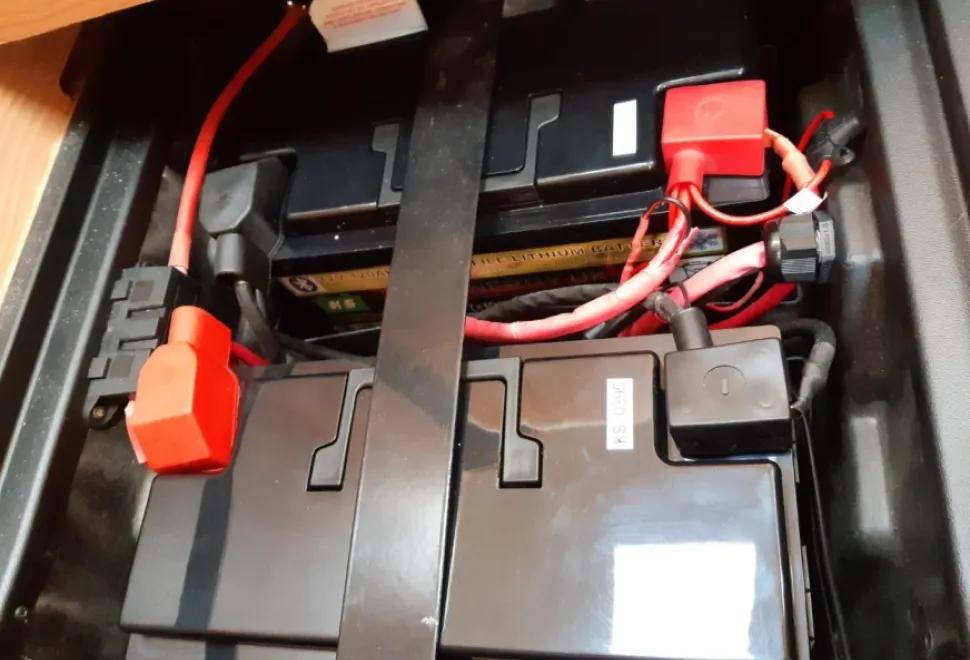
The project took approximately two hours once I’d worked out what battery I wanted and ensured my motorhome electrical set-up was compatible. All the tools that were needed were a 13mm spanner and a flat-blade screwdriver.
My first job was to release the battery clamp and disconnect the batteries. Having removed them both, I took the opportunity to compare the battery weights. The Varta lead acid batteries weighed in at 26kg each. By comparison, the lithium units were only 13kg each, so a net saving of 26kg.
Battery connection is by the best practice method of positive feed from the first battery and negative connection to the second. Lastly, the solar controller is reconnected, having set the toggle switches for the new batteries.

Monitoring battery levels
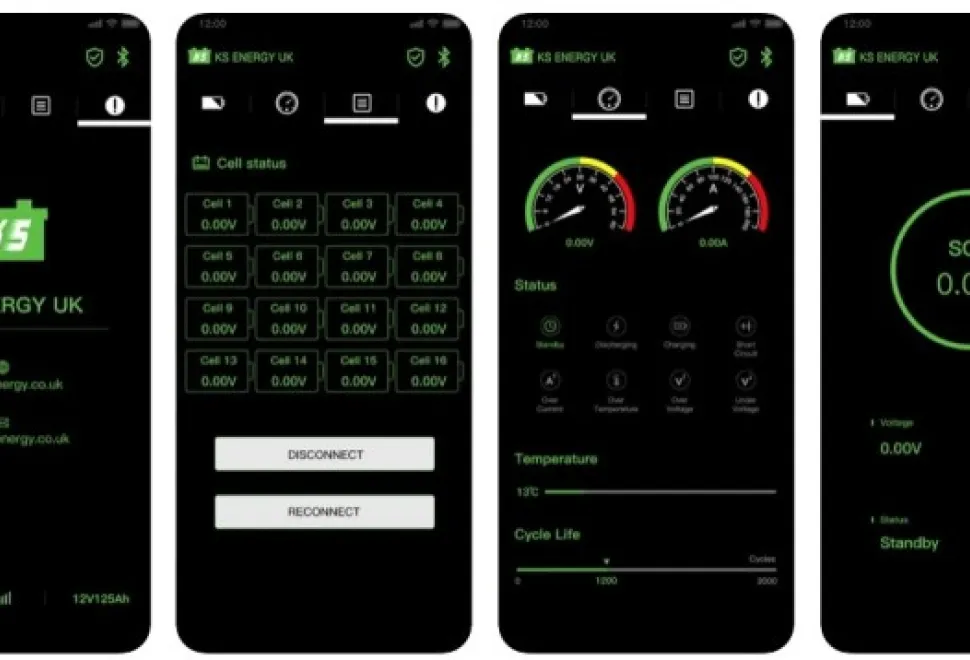
These batteries come with a free app and there is a Bluetooth link built into the battery management system that transmits the state of charge, giving real-time visibility of the system. This app is compatible with Android and Apple phones.
Check out our other guide on leisure batteries to see if lithium is right for your motorhome.
Thanks to:
Neal Morris at KS Energy for help with this upgrade project.
01299 211193
Latest motorhome articles


Explore our magazines
Enjoy expert tech help, travel and campsite inspiration, buying advice, reviews, and more with our best-selling magazines and guides.

Buying Your Perfect Motorhome
Buying Your Perfect Motorhome is the ultimate guide to turn your motorhome adventure into reality. From models starting at £20k to luxury options, layouts, finance, insurance, and a dealer directory, it has everything you need to find your dream motorhome.

MMM magazine
MMM is the UK’s best-selling motorhome magazine and your key to unforgettable trips, both in the UK and overseas. Packed with expert reviews, advice and maintenance tips to help you make the best choices and keep your motorhome roadworthy.


