
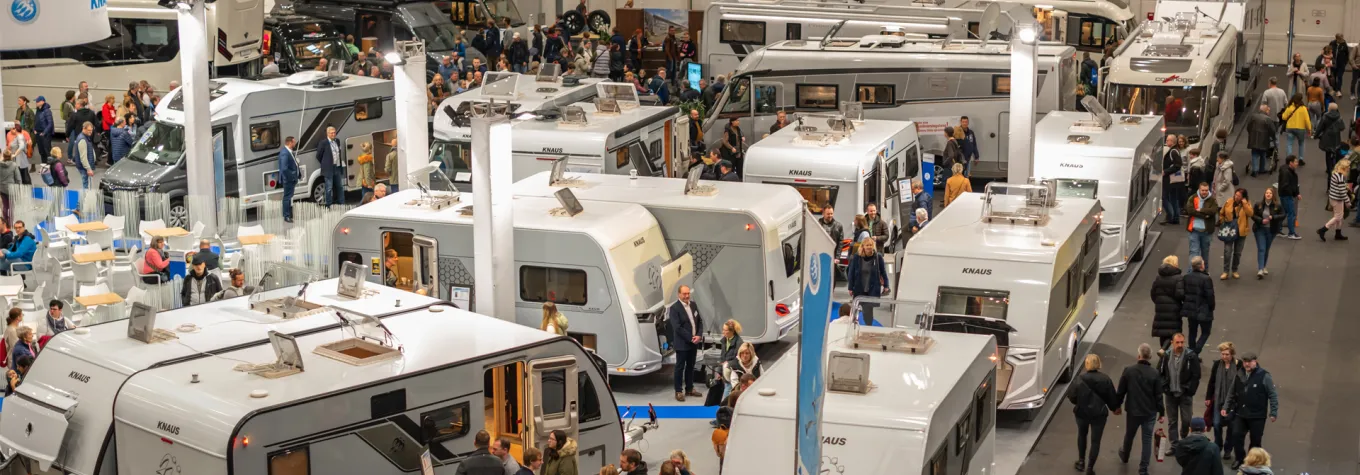
Everything to look out for when buying a caravan
Buying advice
Buying a caravan: a complete guide
If you’re considering buying a caravan for the first time – or upgrading your current one – you’re not alone. Many people ask themselves important questions like: What type of caravan should I buy? How much does a caravan cost? Can my car safely tow a caravan? These questions are key to making the right choice.
From understanding different types of caravans to checking if your vehicle can tow one safely, this guide covers everything you need to know.

Macaulay Nichol Content Editor: Caravans
Macaulay Nichol Content Editor: Caravans
What to consider when choosing a caravan
Before you dive into listings or even step into a dealership it’s important to define what you really need. Think about how many people you’ll be accommodating, how you plan to use your caravan and where you’ll store it when not in use. For some, a small two-berth touring caravan is ideal, whereas others may need the space and facilities of a six-berth model.
Comfort, layout and towing ability should guide your choices – and this guide will help you weigh all those options with clarity.
Types of caravans
There’s no one-size-fits-all caravan and that’s part of the fun. To help you find the right fit, here’s a breakdown of some common layouts and configurations:
Two-berth caravan
Compact and ideal for couples or solo travellers, often with parallel seating that converts into a double bed.
Four-berth caravan
A popular all-rounder offering flexibility, often including fixed or convertible beds.
Six-berth caravan
Great for larger families or those needing more space, with layouts that typically include bunk beds or twin lounges.
Island bed
A centrally located double bed with room to walk around both sides – ideal for easy access and a touch of comfort.
Fixed bed
A static bed that saves time on set-up and offers consistent comfort.
Transverse bed
A crosswise sleeping arrangement that maximises floor space.
Fixed French bed
A bed set lengthwise along one side with a washroom beside it – a staple of many traditional layouts.
Bunk beds
A go-to for families, offering dedicated sleeping space for children or guests.
For an in-depth look at each of these options, visit our ultimate guide to caravan layouts.
Where to buy a caravan
Static or touring caravan?
Static caravans are permanently sited at holiday parks and can’t be towed. They’re ideal for those wanting a fixed base for regular escapes. Touring caravans, on the other hand, are towable – offering freedom, flexibility and the opportunity to travel widely.
New or secondhand?
New caravans come with warranties, the latest tech and spotless interiors. But they do depreciate quickly. Secondhand models offer better value, but you’ll need to inspect them thoroughly.
If you’re leaning towards a used model, look for a full service history, check for damp and don’t be afraid to ask for a demonstration of all on-board systems. This is crucial, as you will want peace of mind that all systems work as expected.
Buying from a dealer or privately?
NCC-approved dealers offer peace of mind with warranties and legal protection. Buying privately or at a show can save you money, but it carries more risk. Always verify the caravan’s CRiS registration and check for outstanding finance.
Can my car tow a caravan?
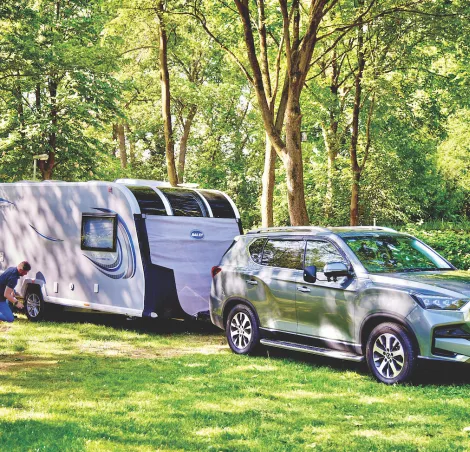
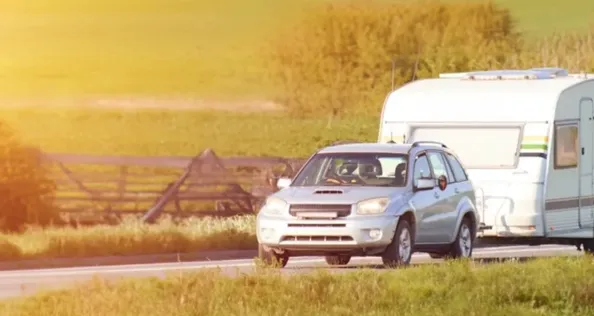
Matching your car and caravan is vital. Use our Towmatch tool to check compatibility, or read our complete towing guide to learn more.
Top tip: Most first-time caravanners are advised to keep the caravan’s MTPLM under 85% of the car’s kerbweight
Caravan insurance
Just like a car, your caravan needs insurance. This protects you from theft, accidental damage and weather-related claims. You’ll also need it to cover your contents and accessories.
Find out more in our caravan insurance guide.
Things to check when buying a caravan
Before buying, inspect thoroughly:
- Check for signs of damp
- Open every locker and cupboard
- Test the electrics, plumbing and appliances
- Verify CRiS documentation
- Damp check – Dampness is probably the biggest complaint you'll hear about caravans. When seals fail, rainwater and spray seeps into the caravan. Buy a damp meter and check places including mattresses and sinks. Look for signs of water damage around windows and the outside walls
- Gas – Gas leaks are a nightmare. You won't know if there's a leak until you attach a cylinder to the caravan, so take one (or borrow one) and ask to test it
- Electrics – You need to know the caravan's electrics are safe, so ask for the most up-to-date inspection certificate. Look for how often an engineer has signed it
- Look underneath – The underside of any caravan takes a beating from salt and water thrown up from the roads. That can lead to corrosion. If the caravan's chassis looks in bad shape, be careful
- Check the caravan's suspension, too. Does it seem rusty? Does anything look loose? If so, beware. Check the tyres also. How old are they? How much tread is on them? Do they look cracked or damaged?
- Take it for a run out – Ask if you can take the caravan for a test tow to see what it feels like. If it's the first time you've towed, it will feel strange anyway
But, when you tow a caravan, make a mental note of anything that does not handle right about it. That might be how it moves when you're towing. Does it sway easily, for example? Does it feel balanced? - Walk around it – Walk around the caravan to see if it looks level. It could reveal broken suspension
- Ready steadies – At each corner you'll find the 'steadies' under the caravan. You lower them when you get to your pitch. Check if they move up and down easily. You'll need a crank handle to move them up and down. Are they bent or corroded?
- Brake working – Caravans have a hand-operated brake on the A-frame at the front. Check if it's working or not.
Even if buying new, ensure everything works as expected.
Caravan essentials
From levelling ramps to aquarolls, there are a few must-haves for every caravan owner. Kitchenware, towing mirrors, electric hook-up cables and waste containers are part of the standard kit.
It’s also wise to invest in a good noseweight gauge and CO2 alarm.
Cleaning your caravan
Keeping your caravan clean protects its finish and prevents issues like algae or mould.
For tips on safe and effective cleaning, see our guide to cleaning your caravan.
Caravan security
Security is essential. Modern caravans often include alarms and trackers, but you can also fit wheel clamps, hitch locks and window locks yourself.
These measures help reduce theft risk – and may even lower your insurance premium.

Caravan security
Security is essential. Modern caravans often include alarms and trackers, but you can also fit wheel clamps, hitch locks and window locks yourself.
These measures help reduce theft risk – and may even lower your insurance premium.
Is buying a caravan a good investment?
Pros
- Flexible, affordable holidays
- Freedom to travel
- Many community and lifestyle benefits
Cons
- Upfront cost and depreciation
- Storage and maintenance
- May require a new towcar or licence check
While a caravan may not make a financial profit, it can offer unbeatable lifestyle value.
How much does a caravan cost?
Working out if you can afford a touring caravan is often people's first concern. And, the cost of a caravan depends on many factors, including its age, quality, condition, size and specification.
Let's break the cost of buying a touring caravan into some price ranges. You'll see what you can expect to get for the money:
Budget – under £15,000
In this price range you are looking at secondhand models. You should be able to find something very reasonable, but we would advise going to a dealer to ensure you are not buying a caravan with problems.
Better – £15,000 to £19,999
Push your budget a little more, and the variety of touring caravans available opens up.
Go-Pods have a low MTPLM and are two-berth models that attract the adventure market. They start at £19,995.
The Weinsberg CaraCito 390 QD is a four-berth priced at £19,500 and is all electric.
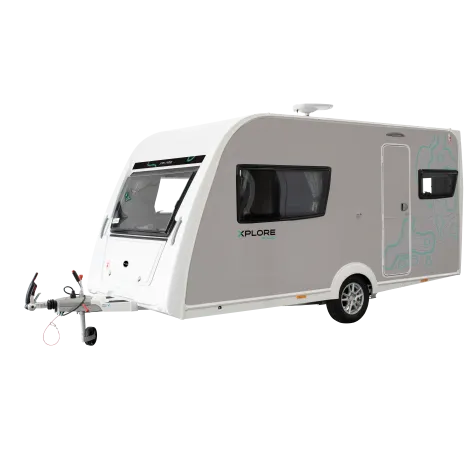
The Xplore 304 is a four-berth caravan which works well for a couple, too. At £19,299, it's a good step up for a young family that wants more space and comfort than is available in lower price ranges. But it's good value for money.
Best – £20,000+
If you can afford to buy a new touring caravan over £20,000, you will have much more choice.
At the specialist end, for £25,375 is the Swift Basecamp. It's a two-berth caravan suitable for people who love outdoor activities like surfing, hiking or cycling.
For £25,780 is the Adria Action 391 PT. The Action is a four-berth with an MTPLM of 1,300kg, making it suitable for towing by most cars.
The Bailey Pegasus Grande GT75 Portofino is another stylish four-berth model for £29,799.
Pushing the budget even higher, you step into a luxury range, such as the Buccaneer Barracuda at £46,499.
By now, you should have a better idea of the cost of new caravans. But, you probably have more questions about buying a touring caravan.
Top tips
- Travel light – Get into the habit of storing as little as possible in your caravan when you're towing it. Make sure that anything you store in your caravan is as light as possible.
For example, store plastic crockery in your cupboards and not products made from clay (they won't chip, either). Everything you put in your caravan adds to your payload. The less weight you have to tow, the more efficient you'll be on fuel - Put it overhead – If your payload is modest, consider buying a roof box for your car. You can store items in there when you're towing and transfer them into the caravan when you pitch up
- Watch the MTPLM – Much as owning a big, spacious caravan is attractive, the heavier your caravan, the more you need a big car with a big engine to tow. It's wise to start with a light caravan with a modest MTPLM which you can tow with a car you already own (assuming your current car has a suitable kerbweight)
- Ditch the gas guzzler – Is the car you plan to use to tow with efficient? Towing a caravan can increase your fuel consumption by about 40%. That's why having a fuel-efficient towcar which has enough power to tow a caravan is essential. Do this, and the saving on fuel can add up
- Be a smooth operator – When you tow a caravan you need to adopt a different driving style. That style needs to be calm and efficient. Take it slower, give yourself time to think and plan for when you're on the road
Caravan towing speed limits dictate you mustn't drive faster than 30mph in a built-up area, 50mph on single carriageways, and 60mph on dual carriageways and motorways.
But, when you tow a caravan, make a mental note of anything that does not handle right about it. That might be how it moves when you're towing. Does it sway easily, for example? Does it feel balanced? - Service it for regular care – Taking care of your caravan is worthwhile. Like most products, if you look after it, you will keep on top of any breaks, leaks, bashes or bumps to it. Keep it clean on the outside and inside, too. When you sell it, a well-kept caravan with a service is more attractive to buyers or dealers, so you should get a better price for it
- Keep it secure – Storing your caravan costs money, but it can bring down your insurance costs. Do your sums and work out what you can save on insurance depending on where you can store your caravan securely
- Insure it like a pro – Before you commit to your caravan, shop around for the best insurance quotes. Ask the providers what information they need to give you the best insurance policy at an affordable price
- Join a club – There are two caravanning clubs, namely the Camping and Caravanning Club and the Caravan and Motorhome Club.
For a small annual fee, you get many benefits, aside from being able to pitch up at their sites. You can save money on insurance, ferry costs, accessory costs and more. The savings will pay for the membership in no time
FAQs
-
What’s the best time to buy a caravan?
Early spring and post-show season (October) often bring the best deals
-
Can I tow a caravan with my licence?
Most UK drivers now have BE entitlement to tow up to 3,500kg. Check your licence online to be sure
-
Is buying a caravan worth it?
For those who value freedom, comfort and outdoor life, yes – though like any major purchase, it depends on your specific wants and needs
Final thoughts
Buying a caravan is not just a financial investment – it’s a doorway to freedom and a new type of holiday. The liberty to roam, to spend time with loved ones in nature and to make spontaneous plans is priceless.
Take your time, do the research and use expert tools and guidance to get it right first time – and you’ll soon be making memories that last a lifetime.

Try Towmatch
Towmatch, a completely free service from Out & About Live, enables you to take your first steps to owning your dream caravan. Towing a caravan is a stress-free experience once you've used Towmatch to find which models your car is suited to tow.
Use Towmatch today to start your caravan journey, then explore the latest caravan news, reviews and inspiration on Out & About Live
Latest caravan articles
Explore our magazines
Enjoy expert tech help, travel and campsite inspiration, buying advice, reviews, and more with our best-selling magazines and guides.

Buying Your Perfect Caravan
Buying Your Perfect Caravan is the ultimate guide to finding your ideal caravan. From layouts and storage to finance, insurance, and essential kits, it has everything you need to make your dream caravan adventure a reality.

Caravan magazine
Caravan magazine is perfect for caravan enthusiasts. Make the most of your caravan lifestyle with expert advice, unforgettable road trips, must-see attractions and top maintenance tips to keep your ‘van adventure ready.


