
Camping with dogs
In association with 
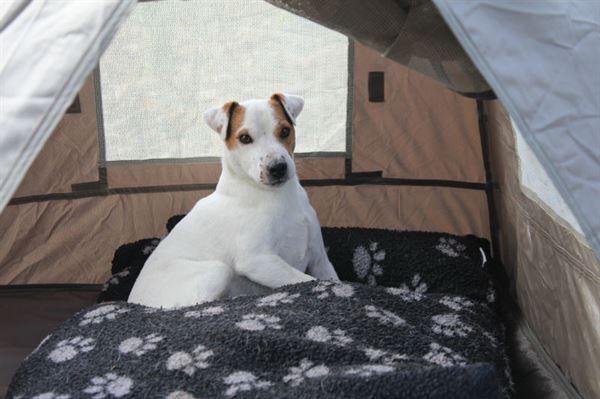
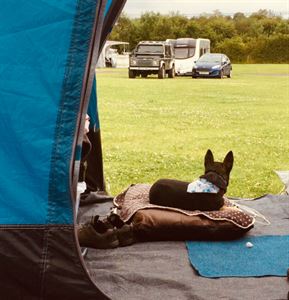
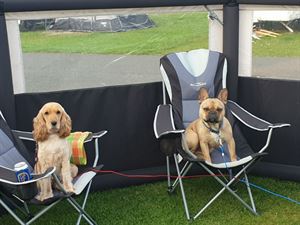
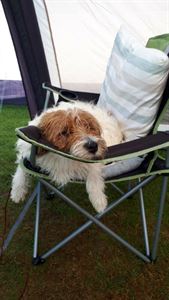
Camping appeals to pet lovers because it means your dog can come along too. But it's important that you follow some simple rules to make sure you, your pet and your fellow campers are all happy .
There are lots of things to think about when it comes to making life easier for you if you bring your dog camping.
Remember that your dog will love camping as much as you do as long as he’s happy and comfortable.
He’ll enjoy being around the new sights and experiences, and he’ll love having the chance to spend lots of time bonding with his family. Involve your dog in whatever you do and reward him for good behaviour and you'll all have a great time.
# Here are our top tips for camping with dogs
More tips from
- Pack the essentials – Make sure you take everything you need with you, including plenty of poo bags! You should also have a bottle of water for you and your pet.
- Don’t overdo it – It’s easy to get carried away, especially as a new pet owner, but it’s important not to overexercise your dog.
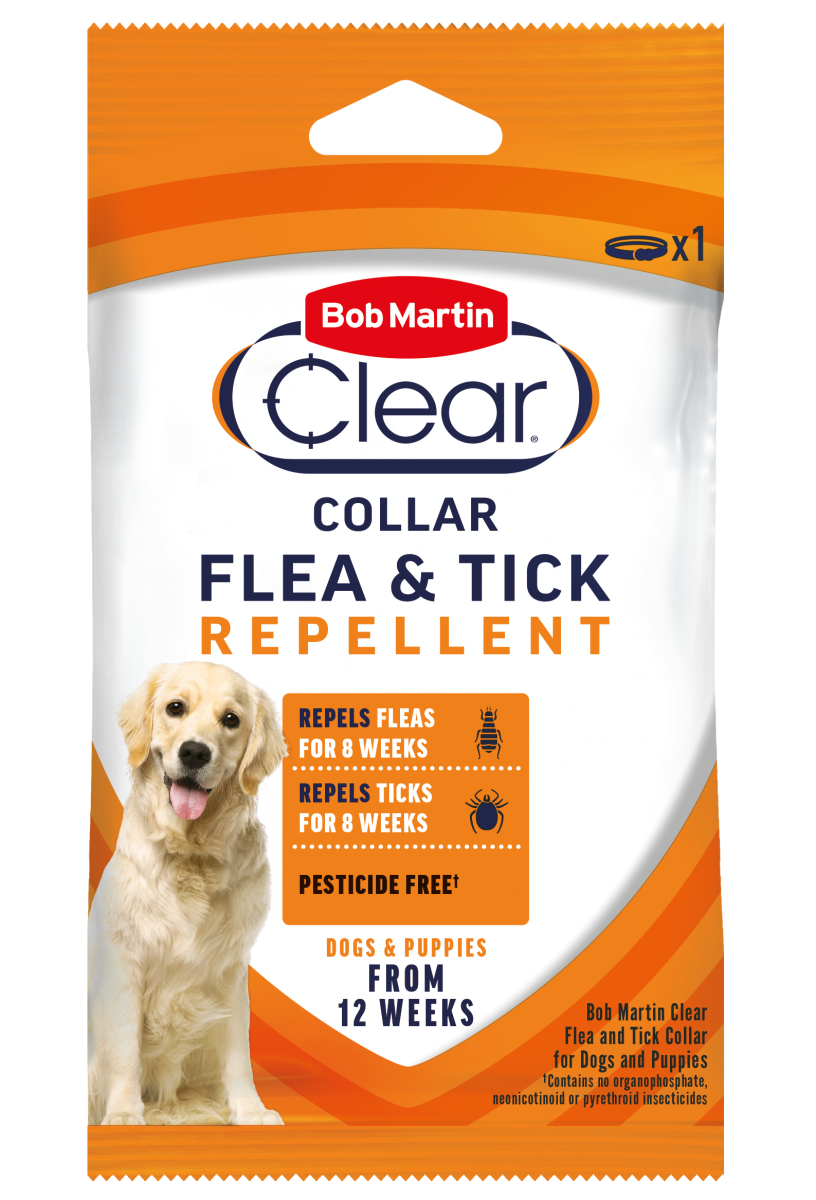
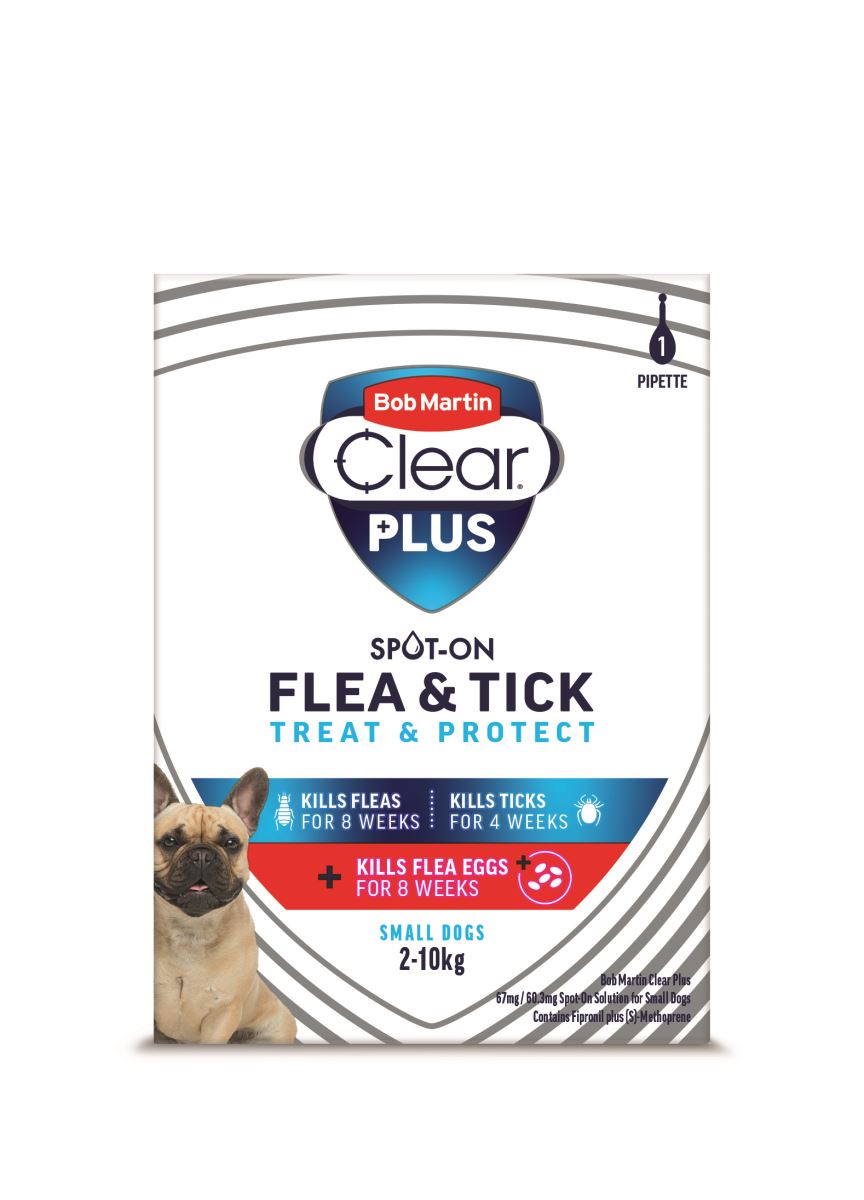
- Stay safe – Flea and tick prevention should be high on your agenda, especially if visiting warm or humid areas.
- Check your pet regularly – It’s important to check pets for fleas and ticks regularly. They are most likely to be found on their back, neck, around the ears and the underside of their body, including their armpits.
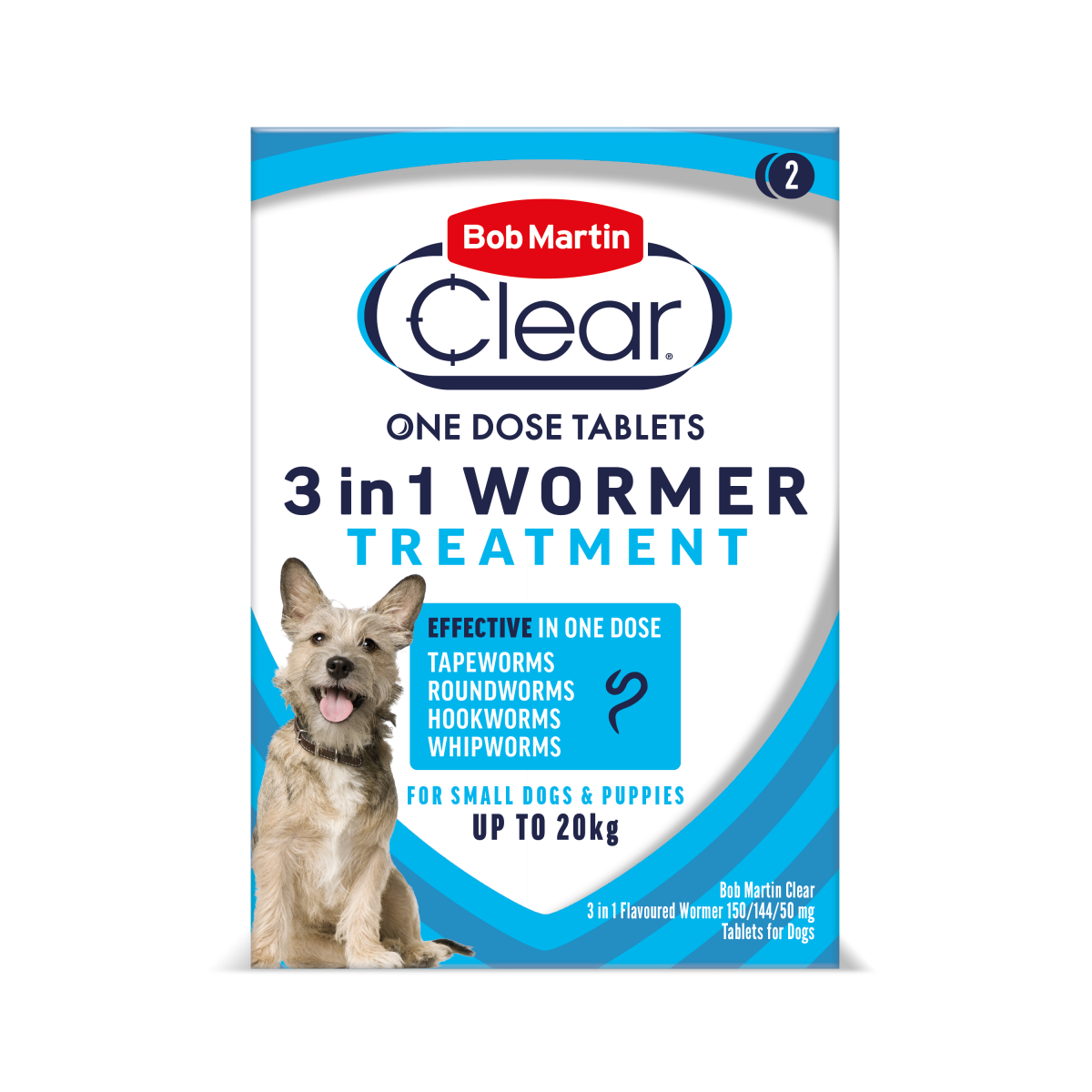
- Watch what they eat – Dogs can become infected with worms by eating a variety of revolting (or to them, irresistible!) things they’ll find hanging around, including contaminated soil or faeces. Regular worming treatment is therefore essential to help keep those nasty wrigglers at bay.
Finished reading?
Want more great camping skills information?
Our guide to becoming a camping expert is full of great tips and advice.
Next Shows

The Big Land Rover Fest 11th - 12th July 2026
Experience The Big Land Rover Fest – a weekend of off-roading, live music, club displays and family fun at Newbury Showground, 11–12 Ju...

The Norfolk Motorhome & Campervan Show 17th - 19th July 2026
Join The Norfolk Motorhome & Campervan Show, 17-19 July 2026, for the Out & About Live Summer Party! Explore motorhomes, live demos, an...

Retro Festival 7th - 9th August 2026
Retro Festival celebrates timeless hits, vintage vehicles, fashion shows, and fairground fun.