Introduction to bunk bed and roof bed campervans
Buying Advice
Bunk bed and roof bed campervan layout guide
If you’re looking for a family campervan, especially for travelling with younger kids, bunk bed layouts, or those with an elevating roof and roof bed, are streets ahead of any other layout.
Historically, bunk beds were mostly found in entry-level motorhomes and these are the domain of hire companies, as they offer good value for money, ticking many boxes for parents, so if you’re not sure about this layout, or are considering buying a motorhome, why not try before you buy? However, if you’re tempted to purchase one, remember that an ex-rental motorhome or campervan might be a good-value buy, but has most likely had a harder life than a privately owned ’van.
Here, we take a look at the benefits of bunk bed and roof bed campervans

Iain Duff Content Editor: Campervan/Camping
Iain Duff Content Editor: Campervan/Camping
What to look for in a bunk bed or roof bed layout
In the past, bunk beds in campervans often consisted of a transverse double bed (usually removable) above a double bed in the rear. This is handy if you are looking for a campervan with a little more living space, but the beds can feel very claustrophobic, due to a lack of room between the bunks.
More recently, the invention of pop-top roofs on panel van conversions has put paid to most double bunk bed models, so it’s worth checking out the secondhand market – look for older models from German brands like Globecar and Bürstner – but pay careful attention to the headroom between bunks, which is likely to be very tight, unless the base vehicle is the taller (H3) Ducato van.
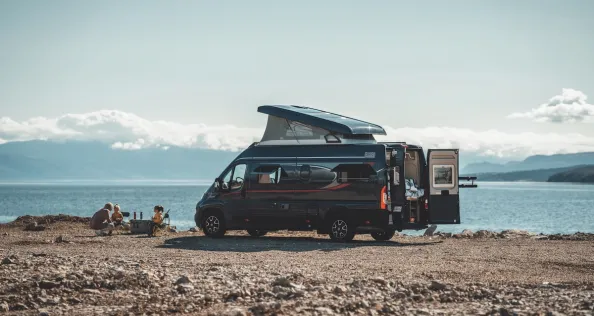
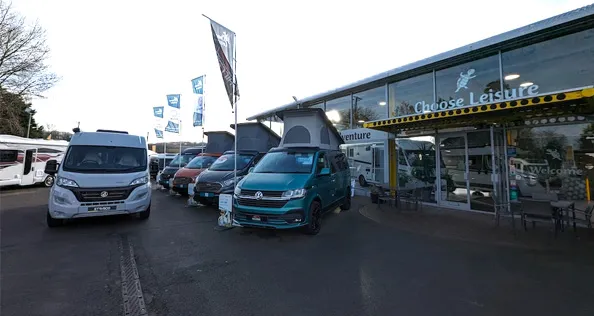
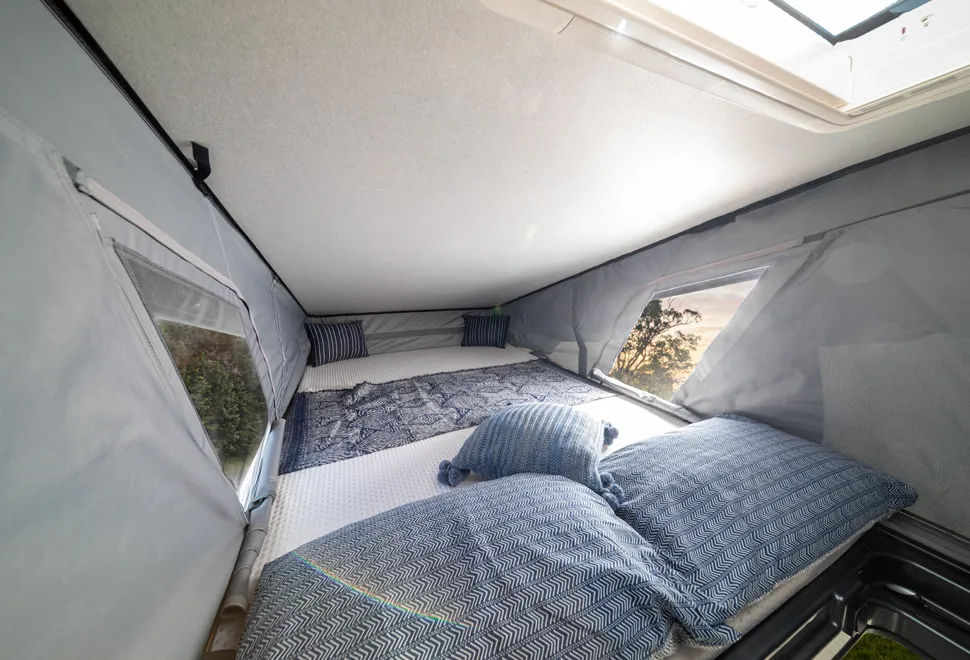
In pop-top models, expect a double bed made up in the lounge for mum and dad, and a second double bed in the elevating roof for the kids.
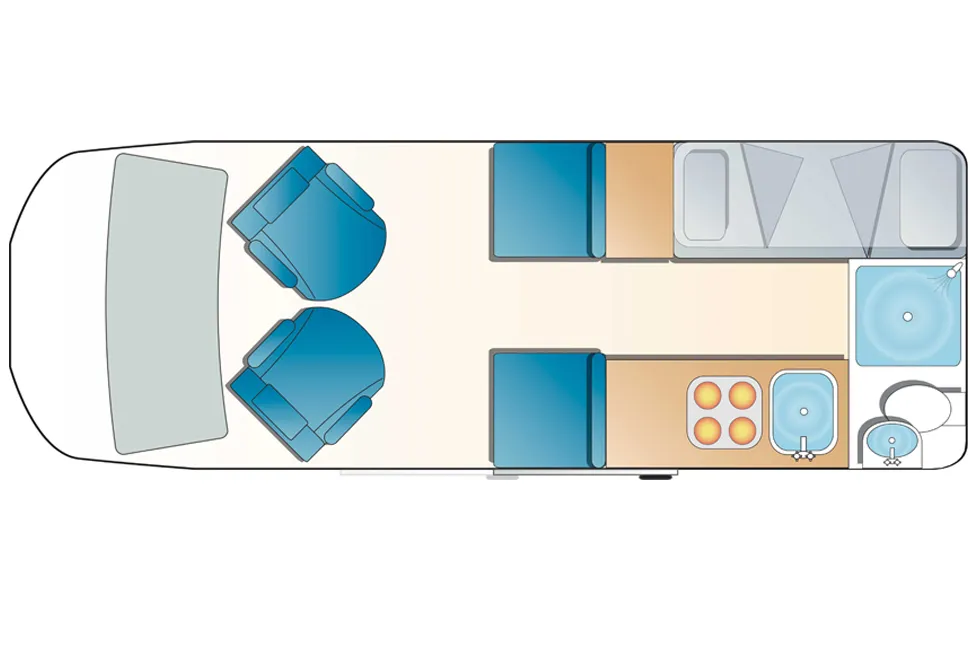
Alternatively, bunk beds can be single beds, arranged lengthways at the back of the campervan. During the day, the bottom bunk will fold up in order to allow more living space. Typically, there will be two bunk beds for the kids, and a double bed made up in the lounge for parents.
Living space considerations
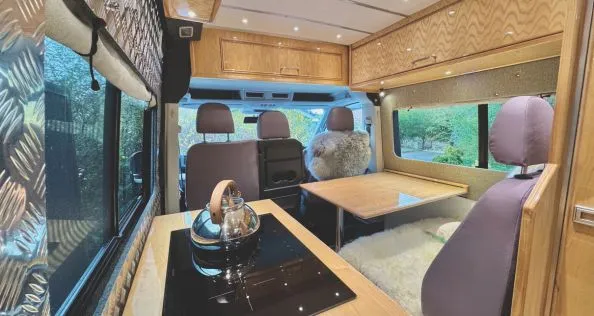
Lounge areas are usually formulated around a half-dinette, with a two-seat belted bench so that four of you can travel safely.
Cab seats will swivel. Important things for families to check on any bunk bed campervan are the adequacy of kitchen worktop and the fridge size, as well as the washroom.
Here is a typical single bunk bed campervan layout
Storage considerations
Check payload carefully. The more people you plan to carry, the more payload you’ll need – and then there are toys, scooters, bikes, etc.
These can usually travel inside the campervan, but consider getting an awning to put everything in once on site.
Why choose a bunk bed or roof bed campervan layout?
If you’re looking for a family campervan, especially for travelling with younger kids, bunk bed or roof bed layouts can work really well, offering private spaces in a compact yet comfortable format. Equally, single bunk beds or the flexibilty of a second bed in the pop-top can be handy if you sometimes go away with friends.
Choose because:
- We need a family campervan
- The kids get their own private living quarters
- I want the flexibility of going camping with friends
- I like the bedrooms and lounge to be separate
- I want a decent washroom cubicle
Top tips for buying a bunk bed or roof bed layout campervan
You’ll need to get all the family on board and check that the campervan doesn’t feel cramped or claustrophobic.
Get everyone to try ‘their’ bed, too, but, most of all, think carefully about storage and payload for all your gear.
Our top picks of bunk bed and roof bed campervans
For single bunk beds, it’s hard to beat the WildAx Solaris XL. For older models featuring two double bunks, we like the Globecar Campscout Revolution and Burstner City Car campervans – look for secondhand models.
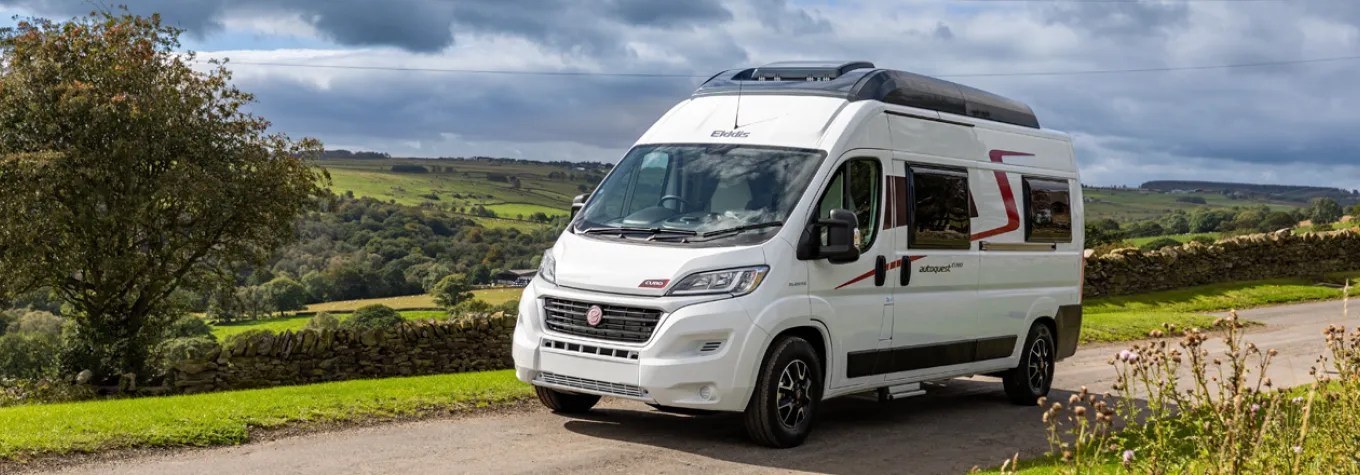
There’s lots of choice when it comes to modern four-berth pop-tops; examples include the Elddis Autoquest CV80, Auto-Trail Adventure 65 and VW Grand California. For more ideas, see our special article on Full-sized campervans for families.