
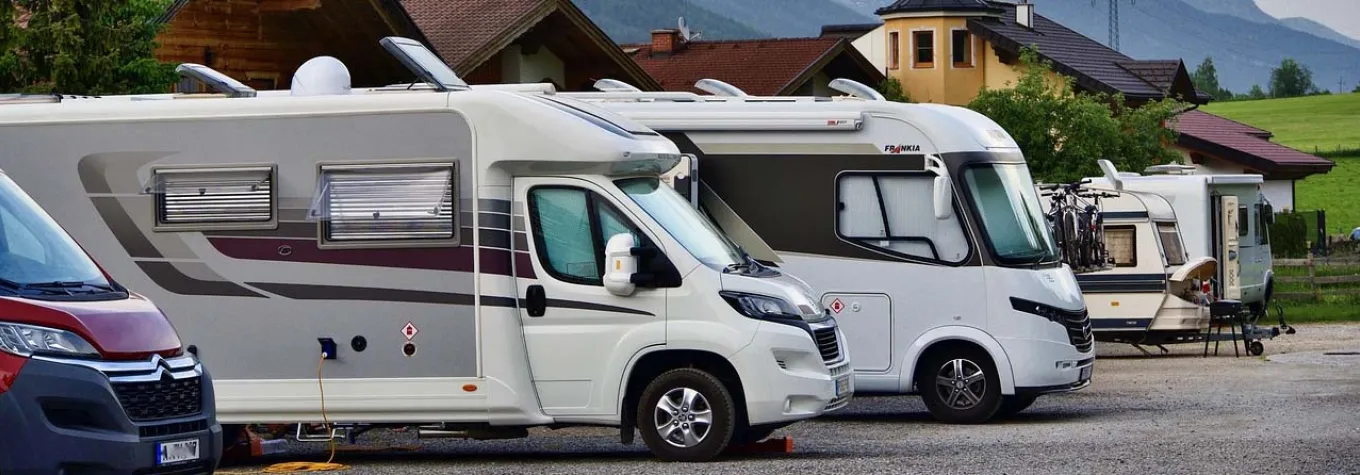
Protect your motorhome from thieves
Technical advice
Your motorhome is one of your most valuable possessions but what is motorhome security and how can you protect your vehicle from theft?
Over the past few years, thefts of motorhomes have become a growing problem.
Reasearch carried out by Direct Line showed there were 31 van thefts a day in 2024, with over half of these being Ford Transits – and due to registration issues, obviously not all of these campervans or motorhomes, but the high value of our leisure vehicles definitely makes them a tempting target.
Poor spares availability means that vehicle parts are often stolen, too. These include catalytic converters, wheels, headlights, windows, and door mirrors, the replacement cost for which can easily run into thousands of pounds very quickly.
There's a big black market for these parts because, obviously, the same vans that motorhomes are based on are more commonly used as commercial vehicles and, with motorhomes usually covering only a low mileage each year, the parts tend to be in good condition.

Rachel Scholes Content Editor: Motorhomes
Rachel Scholes Content Editor: Motorhomes
What is motorhome security
There are two types of security: those features that help prevent belongings from being stolen from a motorhome – break-ins for laptops, phones and other valuables – and those that prevent the motorhome itself being stolen.
We’ll mainly focus on the latter, but it’s important to also consider the former and make sure high value items are correctly insured on your household policy.

Browse motorhomes for sale
If you're in the market for a motorhome, you need to explore the huge range of motorhomes listed here on Out & About Live! Use the advanced search to filter by budget, berths, manufacturer and much more, then save your favourites to your profile.
Motorhome security devices
Physical deterrents are great – and some insurers provide a discount for using them. What a mechanical device can also do, if visible, is deter the opportunistic thief.
Some experts argue that by making a device visible, a thief who scouts ahead to target a vehicle will simply come suitably tooled up to deal with the visible device, but increasingly it seems that different layers of security are your best bet.
It may be worth adding more than one mechanical device, one visible and one less visible. After all, these devices are relatively cheap, it’s a one-off payment and a good-quality item will last for years.
So, think about security posts for driveways, wheel clamps and steering wheel locks. Even if the mechanical systems don’t deter thieves, it will slow them down and, if combined with an effective alarm, they will be put under a lot of pressure.
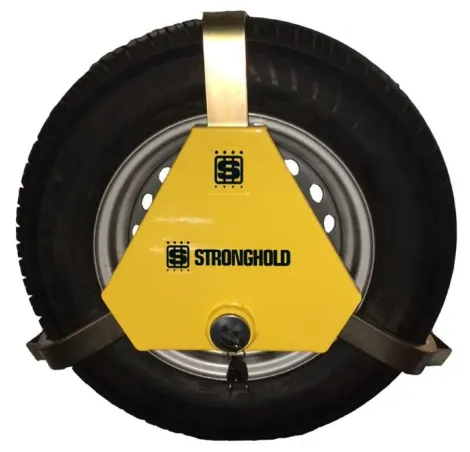
Motorhome wheel clamps
Wheel clamps are a good solution when your motorhome is parked at home or in a storage site, but they may be a little heavy or bulky to carry with you on tour.
They are highly visible and can be found for under £100, but it’s worth seeking out examples that have been independently tested, with accreditations such as Sold Secure Gold.
Also consider the size and weight of the wheel clamp and check that it is suitable for the wheel and tyre size on your motorhome.
Motorhome steering wheel locks
Steering wheel locks, which used to be known as crook locks, might not prevent a theft but they are also a very visible anti-theft measure. They are easier to use than a wheel clamp and inexpensive but, again, you should buy one that has been tested and check that it fits your vehicle correctly.
The Armaplate Resolute is one that has both Sold Secure Gold approval (from the Master Locksmiths Association), as well as the Police’s own initiative, Secured by Design. It locks the brake pedal to the steering wheel and costs £199.
Motorhome immobilisers
Whilst older and classic motorhomes may have started life with no factory-fitted security, the modern light commercial vehicles used for motorhomes today will have an immobiliser as standard. Some may also have an alarm, although that is rare.
An OEM immobilser will be integrated into the vehicle’s ECU and wiring loom, so the bad old days of hot wiring are long past. That’s why thieves increasingly try to steal the vehicle’s keys, so don’t leave them on show or close to the front door. Breaking into your home to acquire the motorhome’s keys is, perhaps, the most common type of theft.
Despite the security systems on modern vehicles, computer gadgetry can be used to bypass ignition systems. Equipment is available off the internet for very little money that can pick both the Ford and Fiat locks – in a matter of seconds!
Using readily available electronic gadgetry, it’s possible to clone key fobs by intercepting the signal when you’re locking up. Of course, better security systems use radio signals designed to make cloning difficult, but professional thieves are never far behind in outsmarting security.
Keyless entry and keyless starting is not as common on motorhomes and campervans but it creates other problems, whereby thieves can relay the signal from a keyless fob located in a house from outside. For this situation it’s best to keep your keys in a tin box or a Faraday bag. Never leave a spare set of keys anywhere in your vehicle.
Motorhome window security
The acrylic double-glazed windows used on most coachbuilt motorhomes are an easy point of access for thieves, especially as most of these come with a simple latch fastening, which can be overcome with the simplest of tools.
Replace the latches with press-button types or add a Lock M Out-style device. They’re cheap and easy to slip on and off.
Motorhome trackers
Non-visible deterrents like alarms and trackers also play a valuable part and some insurers believe that trackers are becoming essential for motorhomes, especially new and more valuable models.
You have a much greater chance of getting the motorhome back if a tracking system is fitted – one reputable tracker company puts its recovery rate at around 90%, so it's not infallible.
If you have an alarm or tracking system, though, pay for the subscription and use it.
Other motorhome anti-theft devices
Another physical security device is the Clutch Claw that locks around the foot pedals of your vehicle, but it’s not suitable for automatics (the clue is in the name!). When parked at home, it’s also worth considering a security post that prevents your vehicle being moved off the driveway.
Or you could consider an easy DIY security measure, using a padlock or similar to lock the driver’s seat into the reversed position, facing the rear of the motorhome.
Roof markings can also be useful, as the majority of our road network is monitored by ANPR. So, consider marking the roof with the last six characters or numbers of the vehicle’s VIN (which you’ll find on the chassis plate and logbook) – not the registration number or your postcode.
The markings should be left to right when looking at the front of the vehicle, so the information reads like the number plate. The issue is that the reg number can change through ownership changes – or if a personal plate is used. The VIN is unique to any vehicle. Using the last six characters of the VIN allows databases to be searched to identify any stolen reports.
VIN Chip is used by police when identifying stolen goods. These are RFID chips fitted at the point of manufacture within the body and chassis of the motorhome. They can be read by police from a distance and/or while the vehicle is travelling at speed.
Auto-Trail, Elddis and Swift include VIN Chip in their models, and it can also be retrofitted from CRiS (Caravan Registration Service) for £49.99.
We’d also suggest, if you keep your motorhome at home that you look to improve driveway security with bollards, lights and CCTV. If you store your motorhome at a secure storage compound, then check security levels with the CaSSOA scheme.
Motorhome security alarms
Additional after-market alarm systems can be added but, unless the system notifies you of a break-in, will anyone else react to a wailing siren, especially if your motorhome is parked in a remote area?
One answer to this problem is the Thatcham-approved Growler alarm from motorhome specialist, VanBitz, which emits a formidable wall of sound from its five powerful sirens, designed to send the thief packing – without your ’van!
The National Caravan Council has a Code of Practice that sets out standards for leisure vehicle alarms and trackers. This includes minimum requirements for components, system features and the installation of complete alarm systems, and to ensure that the system is a deterrent to thieves, but also does not interfere with the vehicle’s electronic system.
Motorhome security locks
There’s also a relatively new device that secures a vehicle’s OBD port by fitting over the port to prevent thieves from accessing the on-board diagnostic systems to start a motorhome without keys. But, if your motorhome goes in for service – make sure you leave the key for the lock!
The habitation door is another weak point of security, so you may want to fit additional security here. Fiamma’s Safe Door security device pivots across the door and is said to be suitable for any motorhome door.
It comes in a pack of three, so you can also fit them to your motorhome’s garage – especially important if you carry expensive e-bikes on board, or if your garage could be used as a way into the interior of your motorhome.
On van-based motorhomes and in the cab of coachbuilts, it is also possible to fit additional deadlocks or shields around the original locks – just be sure that you are not restricting your own exit from the vehicle in case of emergency, such as a fire.
Frequently asked motorhome security questions
-
How much should I spend on security for my motorhome?
A combination of electronic and mechanical devices is best and the more valuable your motorhome is, the more you should spend on protecting it. For older, low-value motorhomes, good mechanical devices may prove a cost-effective route.
-
How do I pick the right motorhome security system?
To help you choose wisely, there are two important security standards to look out for – Sold Secure rating for mechanical devices and Thatcham rating for electronic systems. Be cautious before buying non-rated kit and do check on what your insurance company requires.
-
Will my tracker work abroad?
Check whether the service simply tells you the location of your motorhome when it is stolen abroad or if a full European monitoring and recovery with locally accredited monitoring centres is provided to coordinate police response on your behalf. Do this before you buy.
-
What type of tracker do I need?
Firstly, check the requirements of your insurance company. It may require a tracking device that’s been certified as Thatcham Cat S5 or S7. Some insurance companies may accept the earlier Cat 5 or Cat 6 devices for older motorhomes.
Final thoughts
No security device is infallible, by using a mix of all of them, you are lowering the risk of theft, or at the very least, improving the chances of the motorhome being recovered should the worst happen.
Also, we’d recommend the use of window stickers and signs to warn potential thieves that there are hidden security devices in use.
And our final tip? Do not leave registration documents in the motorhome, as they can help thieves sell it on
Latest motorhome articles
Explore our magazines
Enjoy expert tech help, travel and campsite inspiration, buying advice, reviews, and more with our best-selling magazines and guides.

Buying Your Perfect Motorhome
Buying Your Perfect Motorhome is the ultimate guide to turn your motorhome adventure into reality. From models starting at £20k to luxury options, layouts, finance, insurance, and a dealer directory, it has everything you need to find your dream motorhome.

MMM magazine
MMM is the UK’s best-selling motorhome magazine and your key to unforgettable trips, both in the UK and overseas. Packed with expert reviews, advice and maintenance tips to help you make the best choices and keep your motorhome roadworthy.


