

Best Motorhome Tracker Systems For 2026
Motorhome advice
The latest motorhome trackers can prevent your vehicle from being stolen and, if the worst happens, help recover it quickly. With motorhomes and campervans increasing in value, investing in a GPS motorhome tracking system is becoming essential. Here, we reveal everything you need to know before buying the best motorhome tracker for your needs.
Motorhomes are high-value vehicles and, as such, are a target for thieves. The popularity of motorhomes and campervans remains exceptionally strong and, with demand currently outweighing supply, prices have risen – making them even more attractive to criminals.
Even older models can be targeted due to the high value of spare parts.
However, motorhome tracking systems are playing an increasingly important role in preventing theft and improving recovery rates. One company states that only 50% of motorhomes have alarms and/or trackers installed.

Rachel Scholes Content Editor: Motorhomes
Rachel Scholes Content Editor: Motorhomes
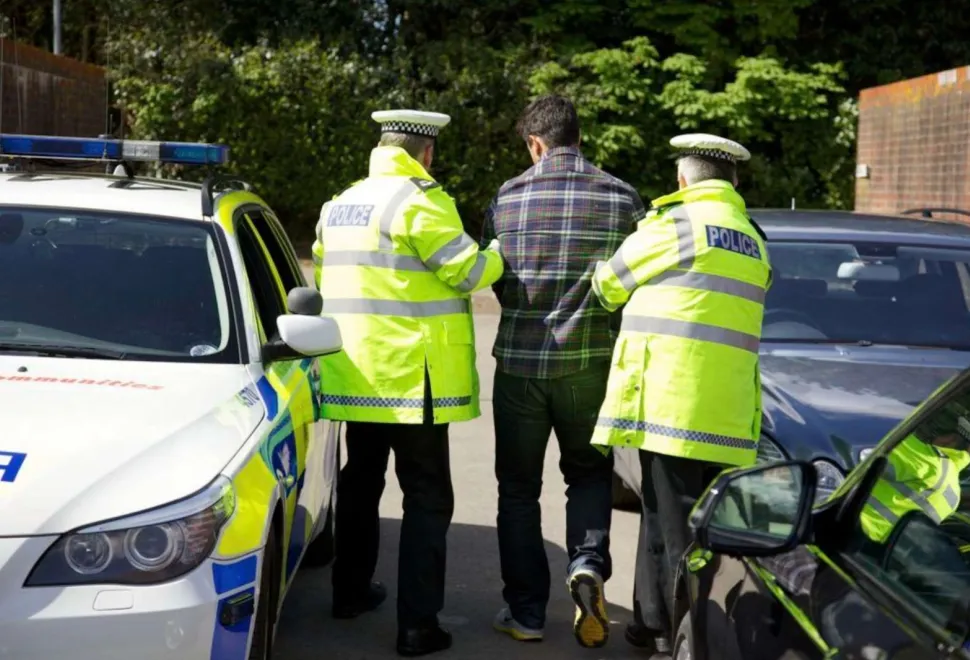
Why you need a motorhome tracker in 2026
Motorhome trackers have developed rapidly in recent years, with the most advanced systems not only allowing your vehicle to be tracked in real time, but also helping to prevent theft.
This is a major step forward. While motorhome GPS trackers have always been one of the most effective ways to recover a stolen vehicle, modern systems can now stop theft attempts before they happen – making them a must-have motorhome security system.
If the worst does happen – such as a vehicle being lifted onto a low-loader – the tracker will detect movement and alert both the control centre and owner. Recovery rates for vehicles fitted with an insurance-approved tracker can be as high as 95%.
Even older motorhomes are at risk due to the high cost and limited availability of parts. While vehicles fitted with trackers can still be targeted, the latest systems make it significantly harder for thieves to start or move the vehicle.
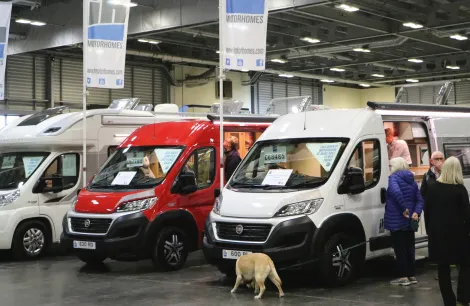
Upgrades and security extras
Find a whole host of upgrades, including tracking devices and more, at one of our great outdoor events, taking place across the UK each year. Camp on site for the weekend to make the most of the shopping or enjoy the brilliant entertainment. Or just visit for the day...

How does a motorhome tracker work? GPS & SIM explained
A motorhome tracking device works in a similar way to a sat-nav system. It uses GPS satellites to determine location and a GSM/GPRS mobile network connection to transmit that data to a monitoring centre.
The tracker is a permanently powered unit with a SIM card hidden inside the vehicle. It sends location and movement data to a control centre and to the user via a smartphone app, allowing real-time tracking.
There are two main types:
- Passive trackers – send alerts via text, email or app
- Actively monitored trackers – monitored 24/7 by a control centre
Actively monitored systems will contact you if suspicious movement is detected and can work with the police to recover your vehicle.
Speed is key. Thieves often move a vehicle quickly before attempting to disable the tracker, so rapid alerts significantly improve recovery chances.
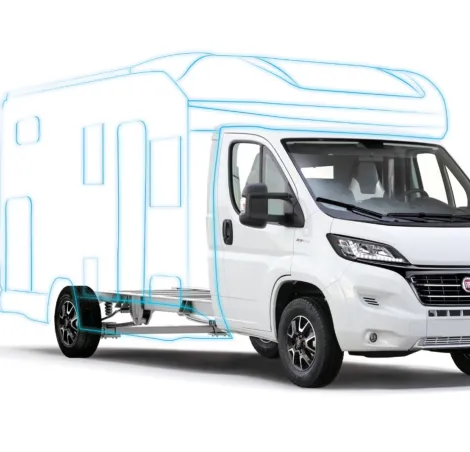
Should you choose a 2G or 4G motorhome tracker?
Most motorhome GPS trackers currently operate on 2G networks, although newer systems are moving to 4G.
The UK plans to phase out 2G and 3G networks by 2033, with some providers switching off earlier:
- EE: from 2029
- Vodafone: by 2030
- O2: no confirmed date yet
Many tracker manufacturers are now offering 4G-compatible devices, especially for use in countries where 2G has already been switched off.
Before buying, check:
- What network the tracker uses
- Whether it can be upgraded
- If it works across Europe

Motorhome tracker features to look for
Modern motorhome tracking systems offer a wide range of features, including:
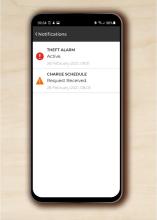
Smartphone apps
Photo courtesy of Jeep
Offering real-time location tracking and more features.
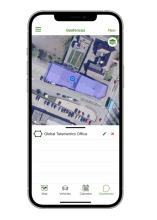
Geofencing
Photo courtesy of Global Telemetrics/SmarTrack
This allows users to set an invisible circle around their vehicle. Should it venture outside that circle, the user is alerted and can either take action or the control centre can do so on their behalf.
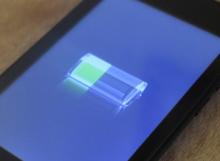
Battery life
Backup batteries for hardwired devices or even battery life for portable versions. Hardwired versions may be able to monitor the vehicle's battery life.

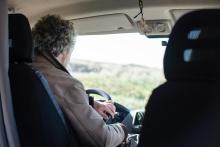
Motorhome tracker monitoring
Photo courtesy of Charanjeet Dhiman/Unsplash
Control centre support at all times.
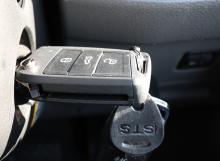
Driver ID tags (ADR)
Photo courtesy of WikiImages/Pixabay
A feature of the more expensive systems, these use fobs to stop unauthorised use.
Immobilisers
To prevent the engine from starting.

OBD port protection
Protects the on-board diagnostics port from being hacked.
Do motorhomes come with trackers pre-installed?
Some new motorhomes now include factory-fitted tracking systems.
Examples include:
- Auto-Trail – My Auto-Trail tracking (upgradeable to Thatcham CAT7)
- Auto-Sleepers – Sargent CAT 6/S7 tracker with app
- Swift – pre-installed S7 tracker (subscription required)
If your vehicle doesn’t have one, dealers or specialist installers can fit an aftermarket system.
Interestingly, aftermarket trackers can sometimes be more secure, as factory-fitted units may be installed in predictable locations.
How to install a motorhome tracker (hardwired vs portable)
There are two main types of motorhome tracker installation:
Hardwired trackers
- Installed directly into the vehicle’s electrics
- No charging required
- 24/7 monitoring and instant alerts
- Usually required for insurance (Thatcham-approved)
Portable trackers
- Battery-powered and easy to install
- Can last up to six months
- More discreet but slower to respond
Most insurers prefer a professionally installed Thatcham-approved tracker, as these offer the highest level of protection.
Do motorhome trackers reduce insurance costs?
Installing a motorhome tracker can reduce insurance premiums by 10-25%, depending on the provider.
Many insurers now require a Thatcham-approved tracker for higher-value vehicles.
Non-approved trackers may still provide protection, but they may not be recognised by insurers or supported by police recovery services.
S5 vs S7 motorhome trackers: What’s the difference?
Thatcham ratings are the industry standard for vehicle security systems.
- S7 tracker – GPS tracking with 24/7 monitoring
- S5 tracker – includes driver ID (ADR) and often immobilisation
Both systems are monitored around the clock, but S5 offers a higher level of theft prevention.
How much does a motorhome tracker cost in the UK?
All motorhome tracking systems require a subscription due to SIM data and monitoring services.
Typical costs:
- S7 tracker – from £299 (plus subscription)
- S5 tracker – from £499 (plus subscription)
- Annual subscription – £100-£200
Some providers offer lifetime subscriptions, but these may not transfer when selling your motorhome.
Can you get a motorhome tracker without a subscription?
Most trackers require a subscription to function properly, as they rely on mobile networks and monitoring centres.
Some systems allow you to use your own SIM card, but this requires careful set-up and may not offer the same level of reliability or support.
For most owners, a subscription-based motorhome tracking system remains the best option.
Common motorhome tracker questions
-
Do I need a tracker for my motorhome?
If your vehicle is valuable or stored remotely, a tracker is strongly recommended – and often required by insurers.
-
What is the best motorhome tracker in the UK?
The best option depends on your needs, but Thatcham S5 trackers offer the highest level of security.
-
Can I get a motorhome tracker without a subscription?
Yes, but these are often not monitored unless you have a lifetime subscription that was activated at the time of purchase.
-
What’s the difference between S5 and S7 trackers?
Both are Thatcham approval categories and often mean insurance approved, but the S7 is the more basic tracker whereas the S5 has added features like driver recognition and immobilisers.
-
Do trackers work abroad?
Yes, most modern trackers offer European coverage, but always check roaming support.
-
Are portable trackers worth it?
They can be useful as a secondary layer of security, but may not meet insurance requirements.
-
I’ve bought a used motorhome with a tracker fitted. Will it work for me?
Possibly, but you will need to pay subscription fees – even if the previous owner bought a lifetime subscription, this is not likely to transfer over. It could be that the previous owner has to cancel their subscription or at the very least let the tracking company know they have sold it.
Latest motorhome articles

Explore our magazines
Enjoy expert tech help, travel and campsite inspiration, buying advice, reviews, and more with our best-selling magazines and guides.

Buying Your Perfect Motorhome
Buying Your Perfect Motorhome is the ultimate guide to turn your motorhome adventure into reality. From models starting at £20k to luxury options, layouts, finance, insurance, and a dealer directory, it has everything you need to find your dream motorhome.

MMM magazine
MMM is the UK’s best-selling motorhome magazine and your key to unforgettable trips, both in the UK and overseas. Packed with expert reviews, advice and maintenance tips to help you make the best choices and keep your motorhome roadworthy.


