
Motorhome toilets: all you need to know
Technical advice
A complete guide to motorhome toilets
Freedom is what appeals to most motorhomers, so it’s worth looking after one of your most valuable freedom assets: the cassette toilet
With regular maintenance, your motorhome toilet will keep going year after year, providing you with a convenient sanitary facility.
The cassette toilet first appeared as the Porta Potti in the 1960s, which provided a detachable waste holding tank (the cassette) below the toilet bowl.
This cassette could be hygienically sealed off, yet be easily taken to a disposal point. In the 1980s, Thetford introduced a fixed internal bench cassette toilet for caravans with cassette removal through an external hatch door.
For campervans, the Porti Potti-style cassette toilet is still an ideal unit. For motorhomes the fixed installation concept is now the preferred option, but with electrical facilities replacing mechanical hand pumps and waste level indicators.
Later developments have seen domestic-type swivel bowl units rather than bench fittings, wheeled cassettes and flushing from the fresh water tank.
Recently, ceramic bowls have been introduced, but at a cost of an extra 9kg weight. Much of the following refers to Thetford cassettes but it’s always worth referring to your manual for specific advice.
In association with Thetford

Rachel Scholes Content Editor: Motorhomes
Rachel Scholes Content Editor: Motorhomes
What are the different types of toilets for motorhomes?
The standard cassette toilet is still by far the most common being fitted to mainstream motorhomes and campervans, but we are seeing the emergence of different types of toilet, which discards the use of chemicals.
The water free toilet bags up the waste to be thrown away with the everyday household black waste. Incinerator toilets burn the waste to a disposable ash product.
The final type of toilet and one that is more common, especially in DIY conversions, the separating toilet. This has an unusual bowl that helps split the two types of waste, the theory being that it’s the mix of the two that causes the smells.
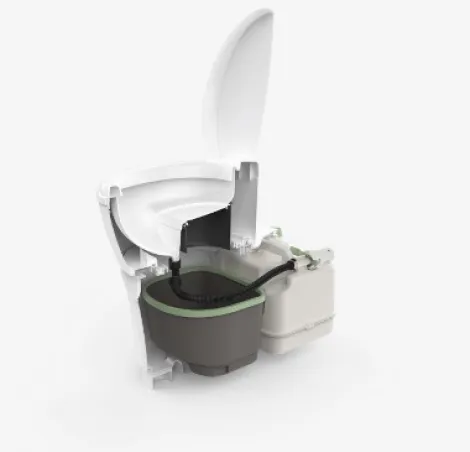
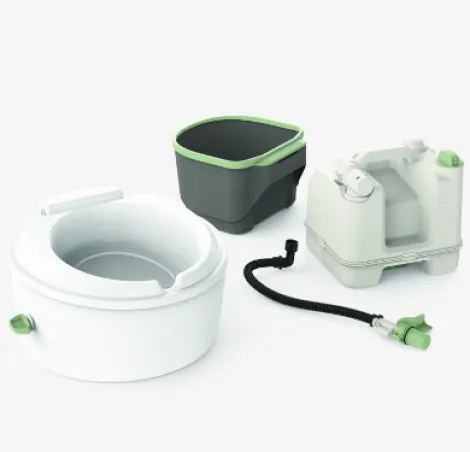
While these toilets mostly have to be specified on new vehicles, with some being incredibly expensive and some being a very complicated DIY upgrade, a new development from Thetford allows the bowl and cassette on two of its models (C220 and C260) to be swapped out for a separating toilet, available from September 2025.
At the same time, Thetford will also be launching a separating toilet model, coming to the market in October. We’re hoping to be able to see 2026 models with this unit fitted.
Features of Thetford’s separation toilet include a patented blade to visually cover waste and support waste separation, ergonomically optimised bowl, urine tank with level indicator (mechanical for the 220 series, electronic for the 260 series, using current level indication systems of the toilet), leak-free connection for better discharging of the urine tank and an optional active vent.

Join the Out and About Live Community!
Get the latest news and exclusive deals direct to your inbox
For over 30 years, Out & About live has remained a reliable voice for the outdoor community. Our expert team are passionate about giving you the best advice and information to help you along your journey. Consisting of some of the biggest brands, Out & About Live is home to all things outdoors.
Emptying your motorhome toilet
Only empty your motorhome toilet cassette at a designated disposal point, which will be labelled as chemical disposal point (CDP), Elsan disposal point or even sluice room.
Three essential pieces of advice at the disposal point are:
- Always put the cassette cap on the floor. If it is on an adjacent wall or shelf, sooner or later it will get knocked into the disposal bowl
- Always press the vent button when emptying to avoid unpleasant discharge splutter and splashes
- Always keep upwind of your cassette at an outside disposal point.
Thetford recommends emptying the waste tank before travelling if the tank is over three-quarters full. Most cassettes have a pressure-relief valve, which can also allow liquid waste to escape during vigorous motion unless the waste level is low. Similarly, if you have a separate flushing tank, then keep the level low when travelling.
Emptying the cassette is simply a task requiring strict observance of hygiene procedures. Never smoke or eat or touch your face during proceedings and thoroughly wash your hands after. It’s better to wear gloves, preferably disposable gloves.
Motorhome toilet chemicals
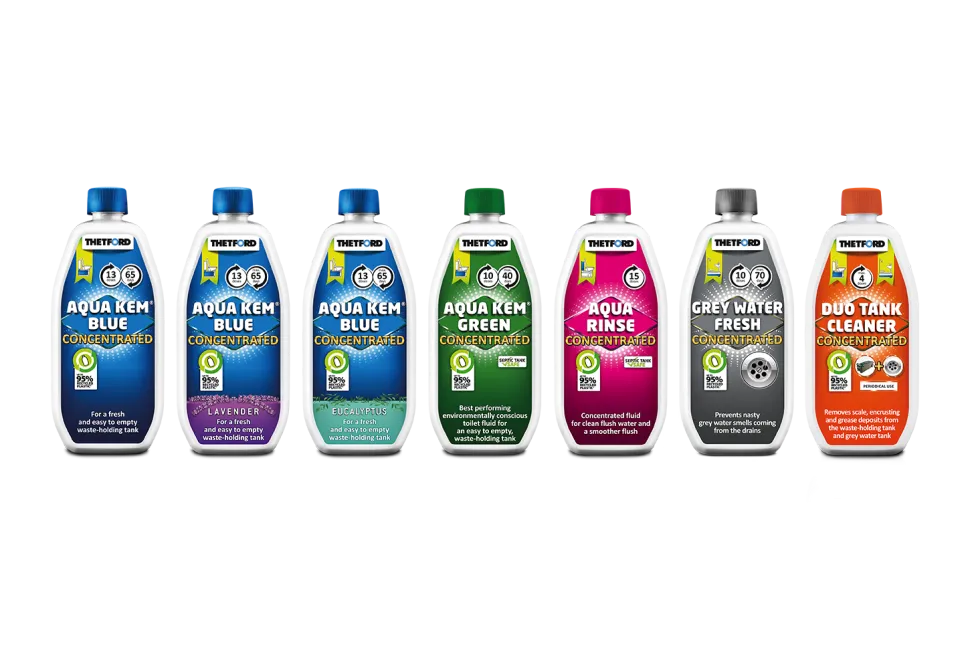
Motorhome toilet chemicals are available for the waste holding tank and for the top flushing tank – generally pink fluids for the flushing tank and blue or green fluids for the waste tank. Some products are suitable for both.
A huge number of products are available for the toilet waste tank, but not all are the same or as effective. Providing you keep your toilet clean and well maintained your nose should tell you whether the new bargain toilet fluid was a good buy. Correctly dosed, we expect the cassette tank to be odour-free for three to four days.
Fluids for the waste tank are intended to mask or minimise odours and help liquidise the waste.
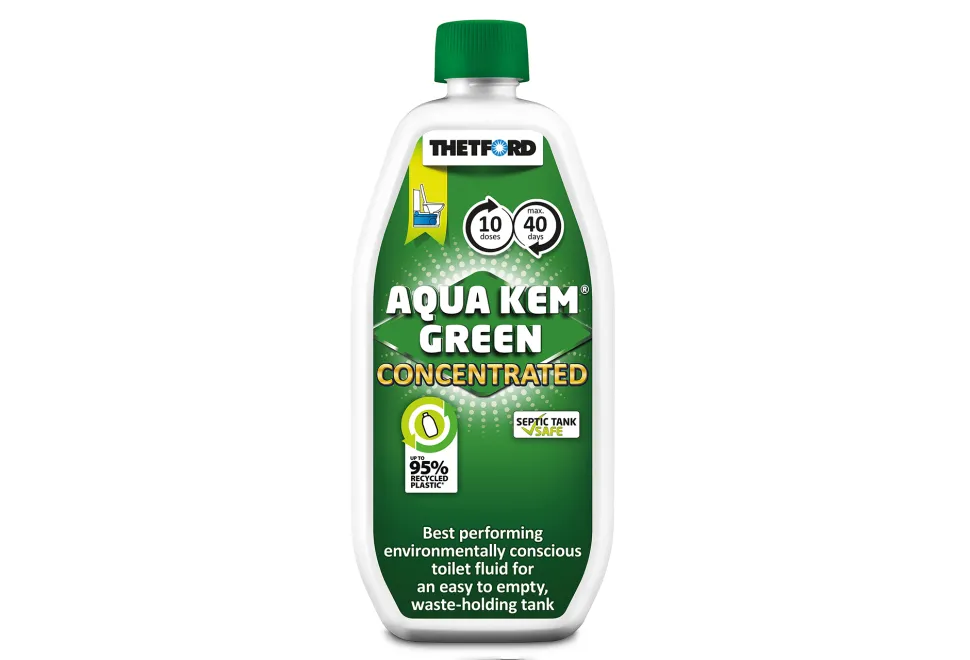
Traditionally, blue fluid used formaldehyde as the main active ingredient but, because of environmental concerns, many use a different biocide now; none of Thetford’s products contain formaldehyde. Green-coloured fluid indicates it is more environmentally friendly and Thetford’s Aqua Kem Green Concentrated is septic-tank safe. Some of these do not perform as well as blue products, particularly in very cold or hot weather.
Do comply with any request by campsite owners to use green toilet fluids. Sites that use septic tanks or small on-site sewage treatment plants are especially vulnerable from chemical fluids, which kill the good bacteria that break down the waste.
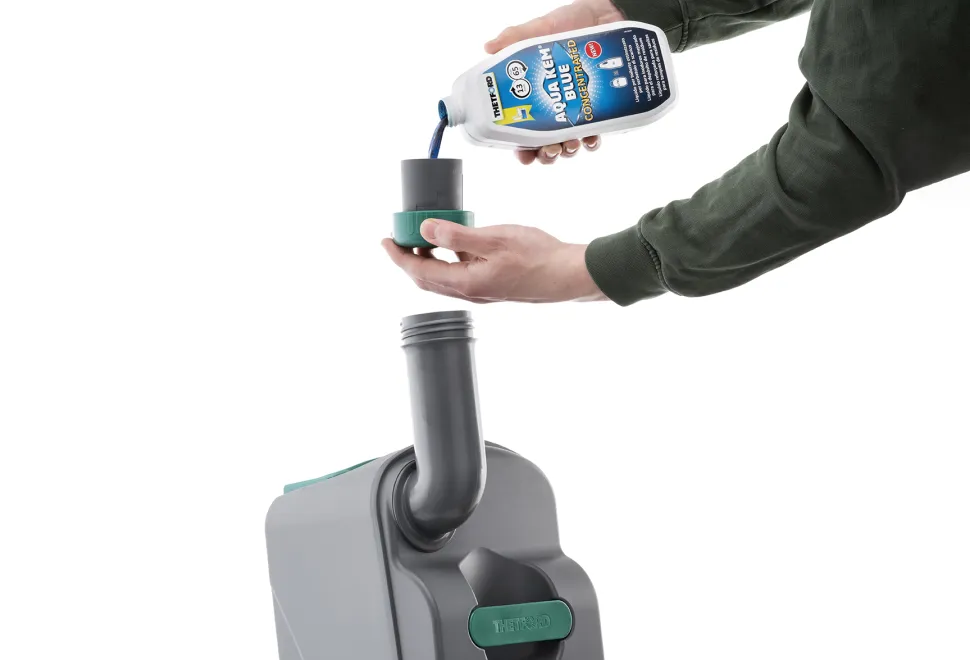
Whatever the fluid, only pour it into the cassette via the discharge spout. Pouring concentrated fluid into the tank through the main opening from the bowl is liable to damage the rubber lip seal.
It’s worth using an additive like Thetford’s Aqua Rinse Concentrated in your flushing tank or Aqua Rinse Spray direct to the bowl to keep the bowl clean and smelling fresh. Both products tend to permit greater slippage on the bowl surface, thus reducing smears.
Go chemical-free: vented toilet fan kits
If you don’t want to use motorhome toilet chemicals, then the other option is to vent the smells outside. There are various kits available from different manufacturers.
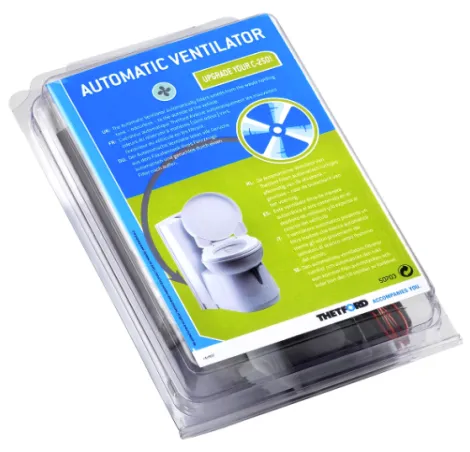
Thetford has an electric ventilator kit, which you can fit to your existing cassette toilet hatch (for the C250 and C260 toilet), which has a replaceable filter to help with the whiffs. This requires drilling through the floor, so it's best left to professional workshops. Some people add the vents to the cassette access hatch but this might be the same side as your awning, so look for a kit that allows an alternate position.
However, when emptying a cassette it’s a bit whiffy as there are no chemicals. It’s a personal choice but you need to use many bottles of toilet fluid before you see a return on the investment of around £140 to £180 (plus fitting) and £14 for the annual filter change.
There is also a simple non-electric vent kit available for the older C200, C220 and C400 models.
Maintaining and cleaning your motorhome toilet
Cleaning a cassette toilet
Regular cleaning of the toilet bowl and cassette is essential to maintain the system. The big mistake newcomers often make is using domestic cleaning products, which can damage the plastic mouldings and rubber seals that keep the waste and smells within the holding tank.
Use only products made by the cassette manufacturer – such as Thetford’s Bathroom Cleaner – or specific motorhome toilet cleaners made by reputable companies.
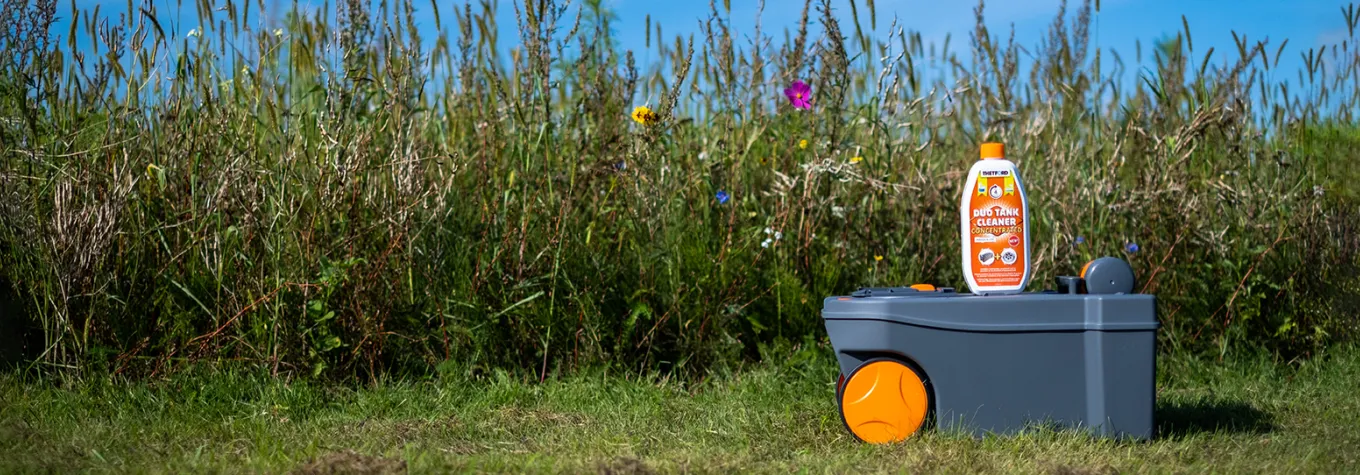
The waste holding tank will tend to scale and slime up over time, hence a good soak overnight with a proprietary waste tank cleaner solution, like Thetford Duo Tank Cleaner Concentrated, will keep it clean and odour free. Spray Thetford’s silicone lubricant onto the rubber lip, vent and pressure relief seals plus the slider cover after cleaning the tank, but never use Vaseline or vegetable oils. Do this two to three times a year.
Cassette toilet winter maintenance
As soon as frosty weather approaches, ensure your toilet flush and waste tanks are emptied. After draining, always press the flush button a few times to clear the pump of residual water to avoid frost damage. Leave the valve blade open to ventilate the tank and prevent the blade sticking. If you camp in winter, ensure there is heating in and around the toilet location when icy conditions are anticipated.
It’s worth using an additive like Thetford’s Aqua Rinse in your flushing tank or Aqua Rinse Spray direct to the bowl to keep the bowl clean and smelling fresh. Both products tend to permit greater slippage on the bowl surface, thus reducing smears.
Motorhome toilet upgrades and accessories
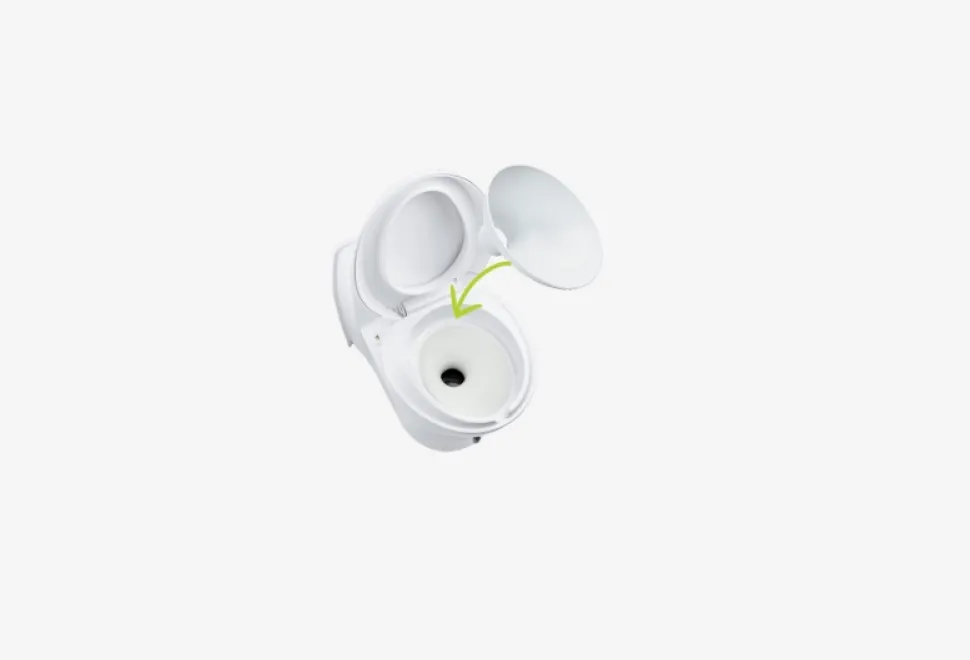
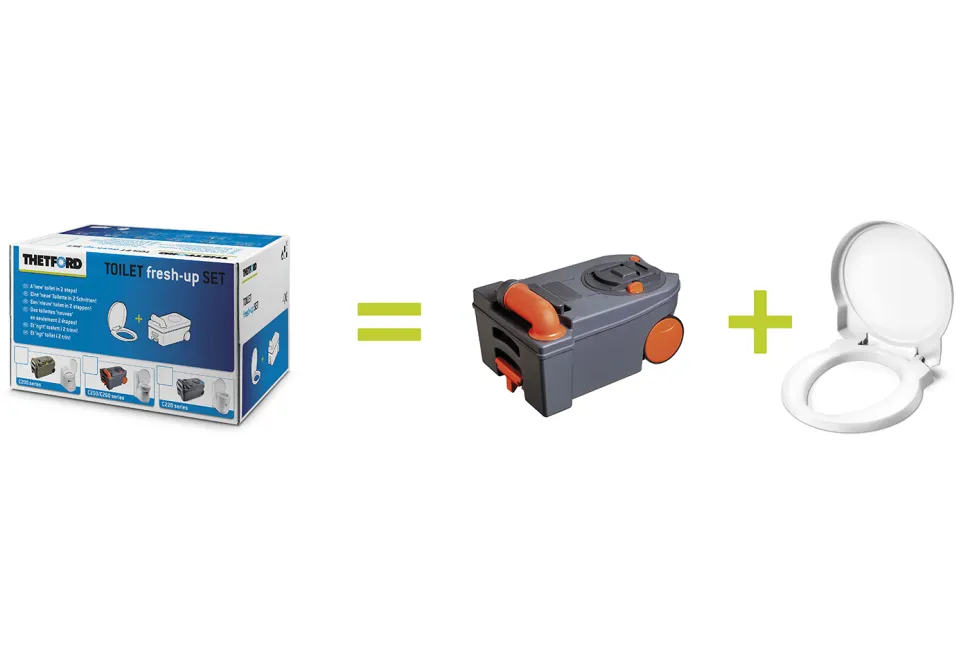
If you’re considering a used motorhome, but shudder at the idea of using someone else’s throne, or maybe you feel your toilet needs a makeover, then you can replace certain components without needs to swap out the whole toilet. Thetford’s Fresh Up Kits include a new waste tank, seat and lid. It’s like getting a whole new toilet fitted in two easy steps. These are available for the C2/3/4, the C200, C250/260, C400, C500 and C220 models.
And for an easier-to-clean Thetford toilet bowl, you can fit the Twusch, a porcelain inlay that is scratch resistant. It will only use up 800g of payload, too.
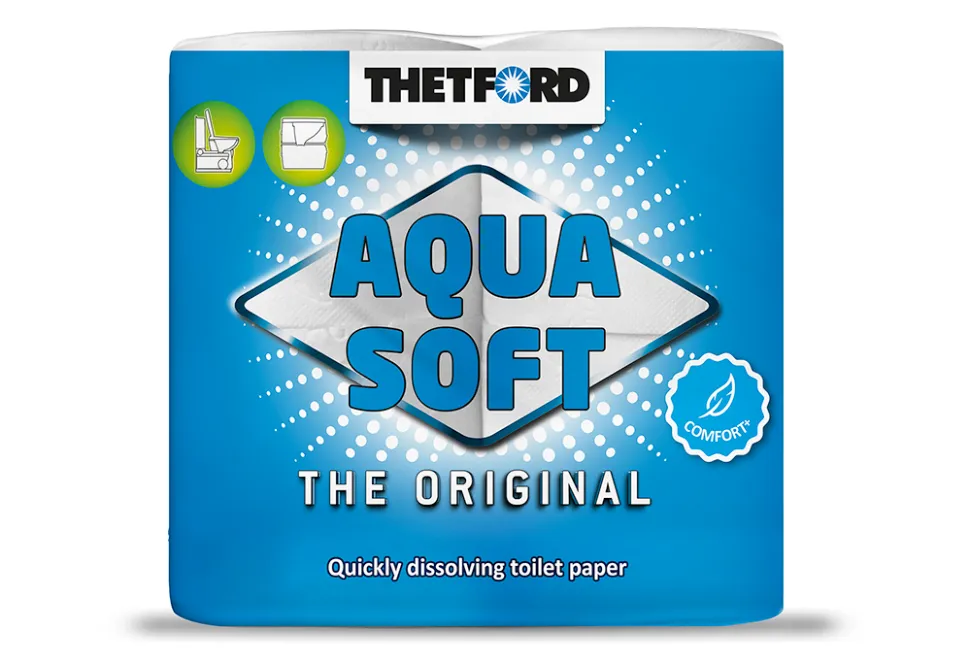
You can get special toilet paper that dissolves more readily than domestic toilet paper for use in the motorhome. This makes for easier emptying and helps prevent clogging. While budget toilet paper also has these properties, Thetford’s Aqua Soft is more gentle on the skin and feels like a more premium domestic product…
And, although obvious, things like cotton buds and wet wipes may clog your cassette and certainly disrupt, if not damage, sewage disposal systems.
Motorhome cassette toilets: common problems
Spares are readily available, particularly for Thetford products. Cassettes since the C2, C3 and C4 models have incorporated a large bayonet-style opening aperture into the tank interior. This gives access to the lip seal, float arm and blade mechanism and eases the replacement of other components.
The removal of the access cover is achievable by using the slide cover to turn it around. If it’s particularly hard to move, try a piece of timber cut to form a snug fit to get better leverage but take care not to stress one corner of the slider cover runner.
When replacing seals, a lip seal costs around £12. Alternatively, you can replace the aperture cover, complete with blade mechanism, lip seal and, in some cases, the level indicator arm for around £40.
If other seals on the vent button and pressure-relief valve need replacing, consider Thetford’s Fresh Up sets for around £100. These contain a cassette tank, plus new seat and cover at less than the cost of a new cassette.
When cleaning and rinsing out the waste tank, only shake gently or you may dislodge essential parts.
Level indication failures can sometimes be due to a build-up of toilet paper on the float arm.
Electrically operated controls can be vulnerable to moisture damage, such as phantom operation of the flush pump, so it’s worth switching off the appropriate electrical circuit before leaving your motorhome.
Flushing tanks sometimes suffer from the presence of black bits caused by not completely draining down the tank prior to a long lay-up. Thetford recommends using a weak solution (100ml to 10 litres of water) of household bleach.
Fill the flushing tank with the bleach solution and, after 24 hours, drain the tank and refill with clean water and drain. Then repeat the clean water fill and drain to ensure no trace of bleach is left.
Cassette toilets – top tips
- For a thorough clean, most toilet lids and seats are easily removed
- Intermittently press the flush button to create the most efficient flushing effect. A few of Thetford’s latest cassette toilets have an automatic pulse flushing action
- After emptying a cassette, add around three litres of water and this will enable the toilet fluid to do its job better and help prevent 'pyramiding' where the waste drops into your tank
- Can you poop in a motorhome toilet? Yes, but practise the paper lotus technique for keeping the bowl clean with a cross of toilet paper over the blade opening before performing. This should see your number two automatically packaged up before dropping into the waste tank
What Thetford cassette toilet model do I have in my motorhome?
All throughout this article you’ll see references to various Thetford models. To work out which one you have fitted and what options or upgrades can be added, we’ve included pictures below. Also, to help people find their specific toilet model, Thetford has a support wizard on its website
Simply answer a few questions to access to all available service information for a cassette toilet in a few clicks.
Thetford C2, C3 and C4
Bench toilets offer a good use of space whilst featuring the same comfort and flexibility as other types of cassette toilets. These models were introduced in 1987 with the last production in 2006.
Thetford C200
The swivel bowl toilet is a lightweight and compact cassette toilet equipped with a removable waste holding tank. The toilet bowl can rotate 90 degrees in both directions on the base, ensuring an optimal use of space. First introduced in 1993.
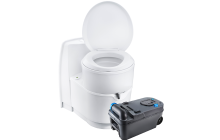
Thetford C220
Thetford C220 cassette toilets have a waste tank equipped with a handle and wheels and can be installed with or without a flush water tank and console, and with manual or electric flush. First introduced in 2016.
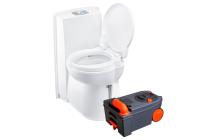
Thetford C260
This model is equipped with a removable waste-holding tank. The toilet bowl can rotate 90 degrees in both directions on the base, ensuring an optimal use of space. First introduced in 2011.
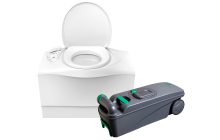
Thetford C400
Thetford C400 cassette toilet is fitted with three level indicators and a handle and wheels for effortless transport and disposing. First introduced in 2003.
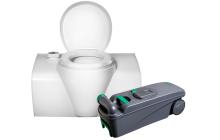
Thetford C500
The Thetford C500 bench toilet was first introduced in 2010 and is a great choice for more compact washrooms, still offering many of the benefits of swivel bowl models.
Latest motorhome articles




Explore our magazines
Enjoy expert tech help, travel and campsite inspiration, buying advice, reviews, and more with our best-selling magazines and guides.

Buying Your Perfect Motorhome
Buying Your Perfect Motorhome is the ultimate guide to turn your motorhome adventure into reality. From models starting at £20k to luxury options, layouts, finance, insurance, and a dealer directory, it has everything you need to find your dream motorhome.

MMM magazine
MMM is the UK’s best-selling motorhome magazine and your key to unforgettable trips, both in the UK and overseas. Packed with expert reviews, advice and maintenance tips to help you make the best choices and keep your motorhome roadworthy.


