
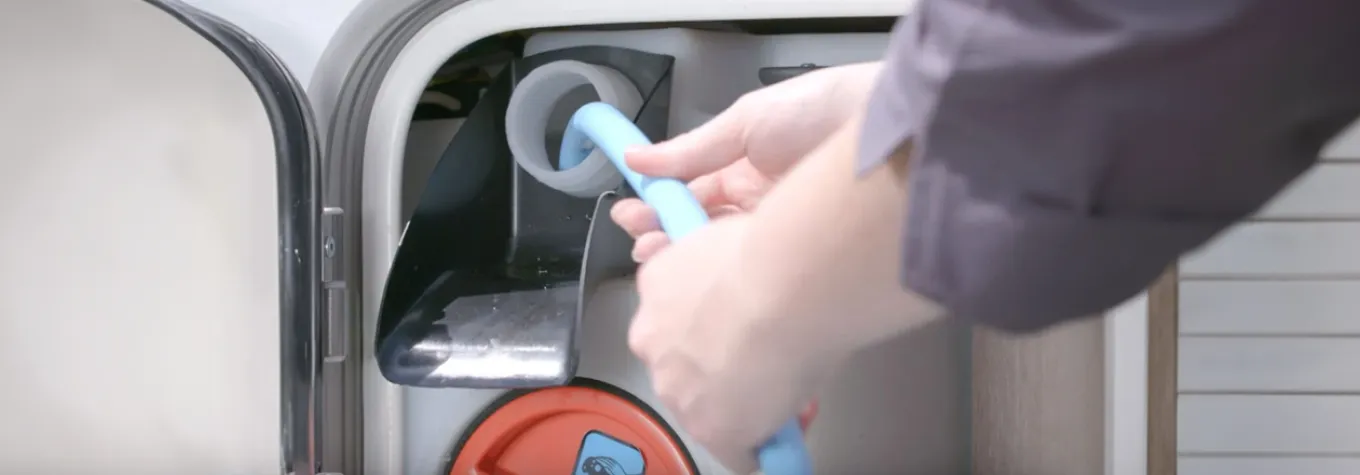
Motorhome advice: drain your water system
Technical advice
Motorhome advice: drain your water system
When cold weather approaches, it’s vital that you can be sure that your motorhome’s plumbing system is drained of all its water.
The advice
When water freezes it expands and enclosed in pipes and tanks, this process can lead to burst pipes and damaged tanks, taps, pumps and filters.
It’s also good practise to do this regularly throughout the year, especially as water can stagnate in the system after only a few days if not being cycled through and refreshed constantly.
Tools you need to drain your motorhome's water system
The most important thing to do when draining down is to make sure as much water as possible is removed from the system. Firstly, locate all the draining points and these will most likely be found serving the fresh water tank and the water heater.
If you have a water filter fitted, the best way to insure it is empty is to remove its element, which is sometimes located inside the body or in the shape of a removable cartridge.
Other areas easy to forget, but needing attention, are the waste water system and toilet.
First, turn on all the taps set to run cold, including the shower valve. Remove the showerhead and hose and make sure it is empty. Next, open the fresh water tank drain valve and as the water runs out, the open taps will allow air in and ensure that the plumbing is cleared of water.
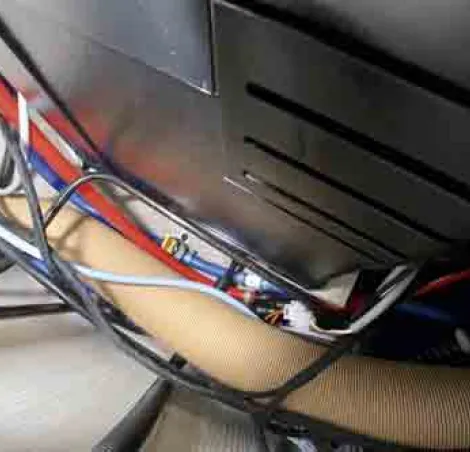
When all is drained, turn the taps on to the hot side to make sure all water is cleared from the water heater and its plumbing.
It’s also a good idea to check that the waste (grey water) tank is fully empty too. And if your cassette toilet has its own flush water tank, make sure that is drained.
Go for a short drive and plan a route around plenty of corners to dislodge remaining water. Turn on the pump to make sure no significant water is left in the system. Operate the toilet flush too.
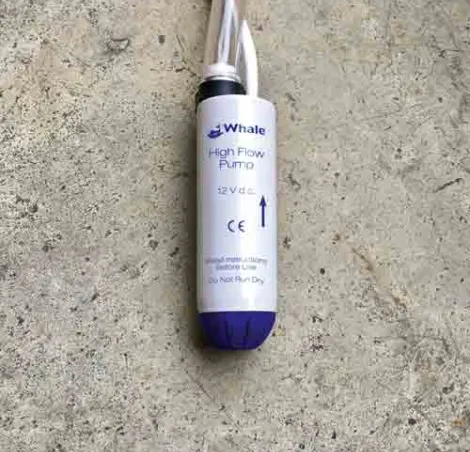
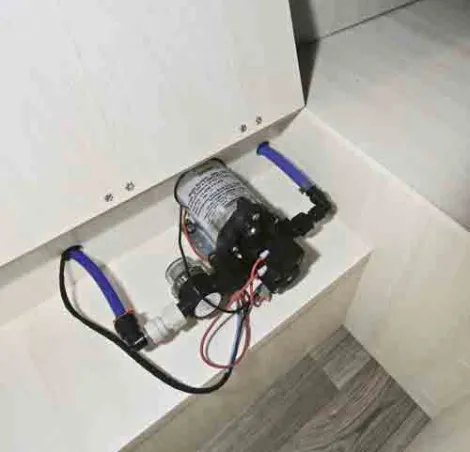
Beware - submersible pumps can only be run dry for a short period without damage – say, no more than 20 seconds. Diaphragm pumps can run dry without harm, but again 20 seconds should be enough.
When it’s time to fill the systems once more, a pre-use clean is a good idea to make sure the fresh water system is sterilised and the waste tanks are clean and smelling sweet. Never use bleach-based cleaners as they can do damage to pipes, tanks, heaters, pumps and valves and toilet waste cassette seals.
Finally, if your ’van is equipped with a wet radiator heating system you do not have to drain the water from the radiators, just the fresh water from the water boiler.
This is a relatively simple process but you're likely to need:
- A torch
- Screwdrivers
- Spanners
- Pliers
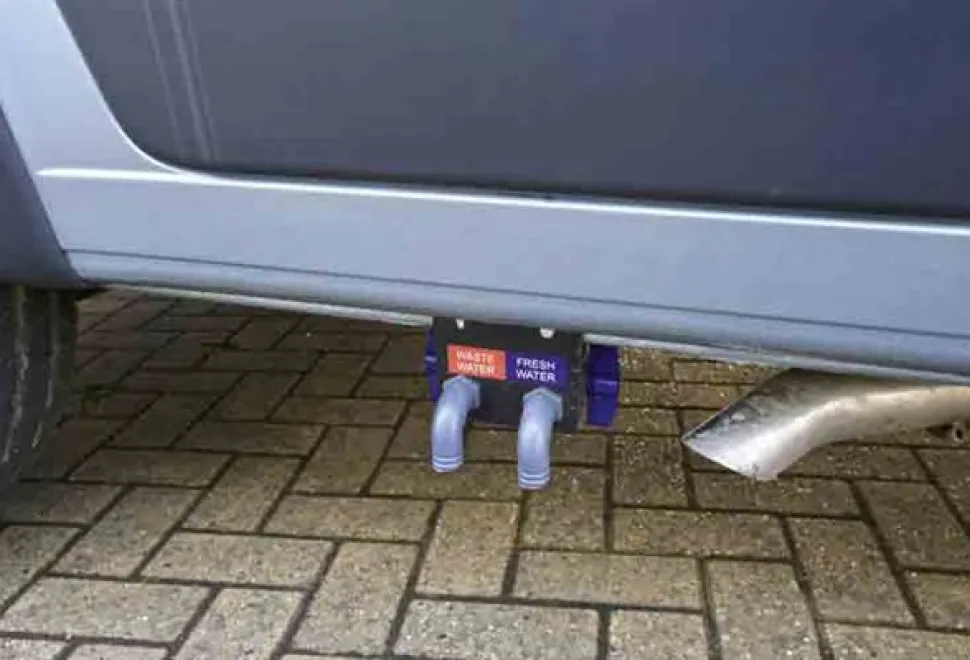
A typical external drain valve set up
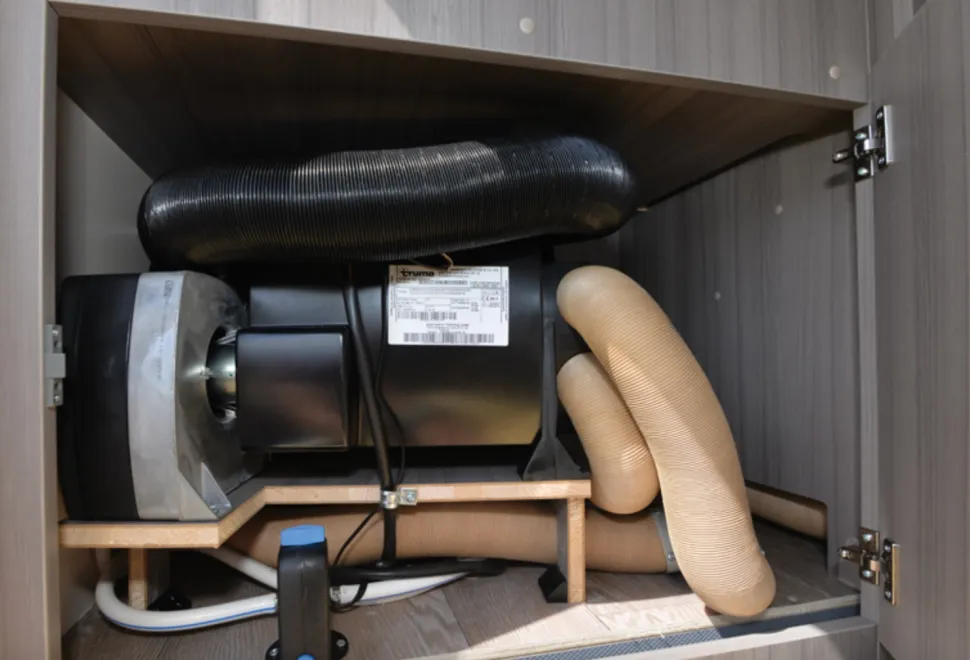
- Remotely mounted, diaphram pumps often include a filter that can be cleaned
- Submersible pumps live inside the fresh water tank
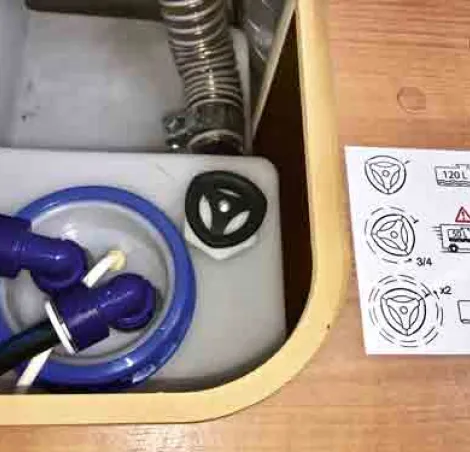
- Built into the fresh water tank, this hand-wheel type often has a partial drain position. Make sure it's fully open when emptying
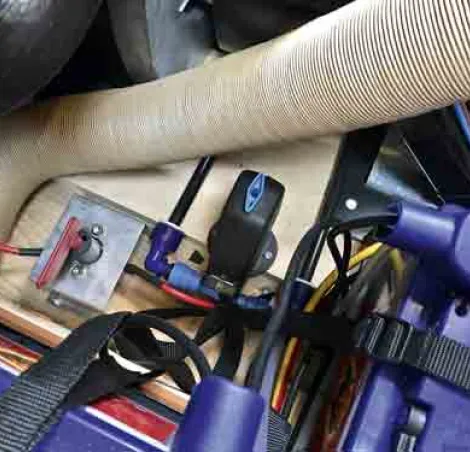
- Usually attached to boilers, this drain valve opens automatically when the temperature drops - preventing damage to the heater if it hasn't been drained manually
- This type of drain is commonly found attached to tanks and boilers. It has a flip-up to drain operating lever
Latest motorhome articles




Explore our magazines
Enjoy expert tech help, travel and campsite inspiration, buying advice, reviews, and more with our best-selling magazines and guides.

Buying Your Perfect Motorhome
Buying Your Perfect Motorhome is the ultimate guide to turn your motorhome adventure into reality. From models starting at £20k to luxury options, layouts, finance, insurance, and a dealer directory, it has everything you need to find your dream motorhome.

MMM magazine
MMM is the UK’s best-selling motorhome magazine and your key to unforgettable trips, both in the UK and overseas. Packed with expert reviews, advice and maintenance tips to help you make the best choices and keep your motorhome roadworthy.


