

A guide to campervan insurance
A guide to campervan insurance
Campervanning offers the freedom to explore the great outdoors while bringing the comforts of home along for the journey.
However, as a campervan owner, it's essential to protect your investment and lifestyle with the right campervan insurance.
In this guide, we'll cover everything you need to know about campervan insurance in the UK, from its importance to the different types available and tips for finding the best coverage.

Iain Duff Content Editor: Campervan/Camping
Iain Duff Content Editor: Campervan/Camping
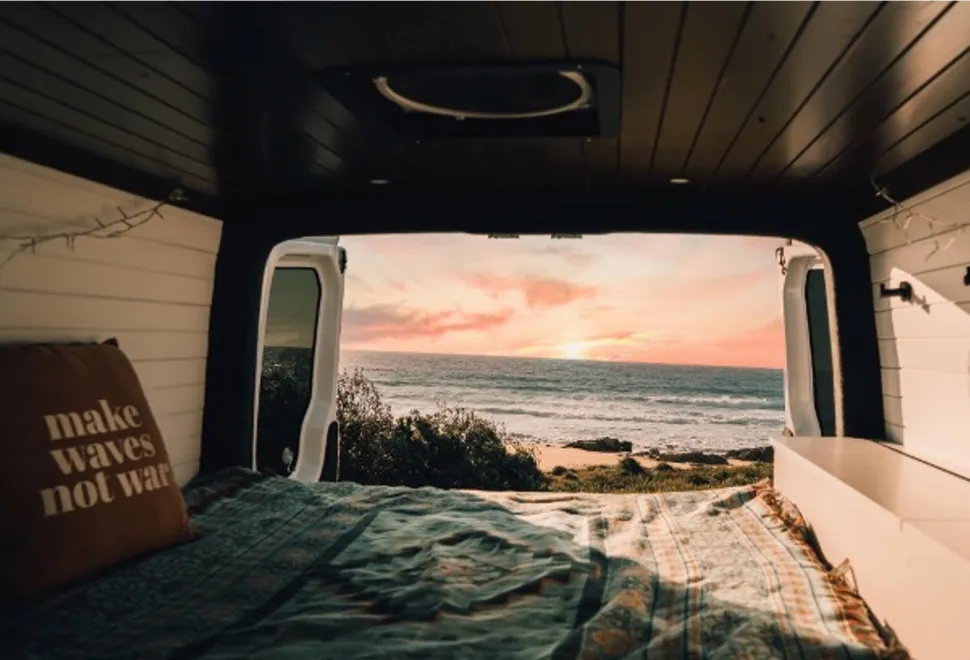
Do I need campervan insurance?
Like any vehicle, you need insurance to legally drive your campervan. Owning a campervan comes with various risks, such as accidents, theft, or damage to your vehicle and its contents.
Campervan insurance is crucial to protect yourself financially and ensure you can continue enjoying your nomadic adventures with peace of mind.
How much does campervan insurance cost?
The cost of campervan insurance can vary significantly depending on several factors. Insurance providers consider elements such as the campervan's make and model, age, value, usage, storage location, your driving history, and where you live.
Generally, more expensive or powerful campervans might attract higher insurance premiums, while older or smaller models could be more affordable to insure.
To get the most accurate quote, it's essential to provide precise and up-to-date information to insurance companies. Comparing quotes from multiple providers can help you find the best deal that meets your needs and budget.
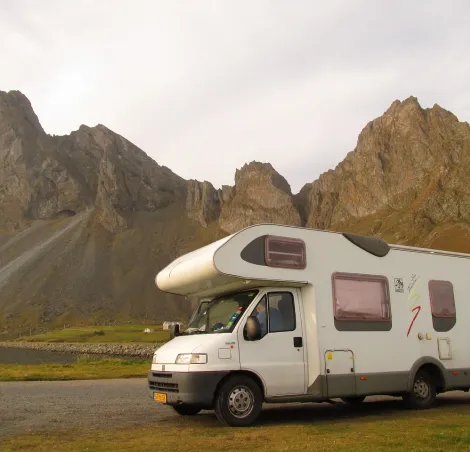
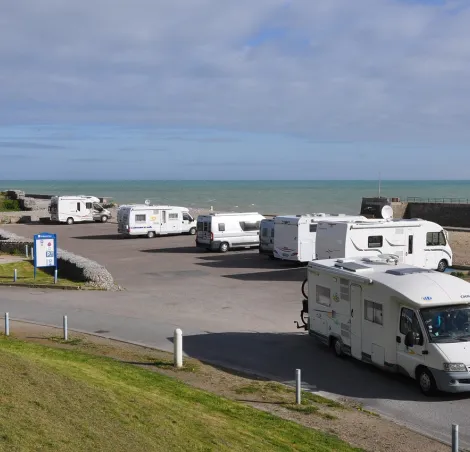
Why is my campervan insurance so expensive?
Several factors can contribute to higher campervan insurance costs. These include:
- Security measures: Good security is a must to protect your campervan from theft and it also attracts discounts with some insurance companies, as alarms and tracking devices make theft less likely. While you may get a discount on your premium if they’re fitted, some companies will insist on this before they will even provide cover.
Many new campervans already come with trackers pre-installed, but, if your model doesn’t, then consider having one fitted – there are lots of companies around that offer a fitting service, and a good insurer may also be able to offer advice.
Parking your vehicle on the street, compared with keeping it in a secure storage facility, will make a big difference to your premium and some insurers will refuse to cover campervans that are left on the street.
Also use visible deterrents like steering wheel locks and clutch claws, as anything that deters or impedes thieves is a good thing when it comes to insurance. - Usage: If you use your campervan for the daily commute it could result in increased premiums. Also, if you live in your campervan full-time, you'll likely face higher premiums due to increased exposure to risks.
- Vehicle value: More-expensive campervans will generally cost more to insure, as the potential payout in case of a total loss is higher.
- Driver age and experience: Younger or less-experienced drivers might face higher premiums than older, more-experienced drivers.
- Claims history: If you've made multiple claims in the past, insurers may view you as a higher risk and charge higher premiums.
By understanding the factors affecting your insurance costs, you can take steps to reduce your premiums while maintaining adequate coverage.
What does campervan insurance cover?
Campervan insurance policies are designed to cater to the specific needs of campervanners. In addition to the basic components of campervan insurance, many policies offer additional coverage options to enhance protection for campervan owners.
One crucial aspect is coverage for personal possessions. Since campervans often serve as both transportation and living space, they tend to carry valuable belongings, such as camping equipment, electronics, and personal items. Campervan insurance policies typically include coverage for these possessions, protecting them against theft, loss, or damage while on the road or parked at campsites.
Another add-on is breakdown assistance. Breaking down in the middle of a journey can be incredibly inconvenient, especially when you're far from home. Many campervan insurance policies provide roadside assistance and recovery services to ensure you receive help promptly and get back on the road as quickly as possible.
Repatriation coverage is also vital for campervan travellers who plan to explore beyond the UK's borders. If your campervan becomes unroadworthy while abroad, repatriation coverage will take care of the expenses involved in bringing you and your vehicle back to the UK.
Campervan insurance may also offer windscreen cover, safeguarding you against the costs of repairing or replacing a damaged windscreen. Given the exposed nature of campervans to debris and road hazards, this coverage can prove valuable in keeping your vehicle in top condition.
Lastly, some campervan insurance policies offer extended periods away from the UK. As campervanners often embark on extended journeys or explore other countries, this feature ensures that your insurance coverage remains valid even during extended trips outside the UK.
Before finalising a campervan insurance policy, carefully review the coverage options and any additional benefits included. By tailoring your insurance to your specific needs, you can travel with confidence, knowing that you have comprehensive protection for your campervan, belongings, and adventures on the road.
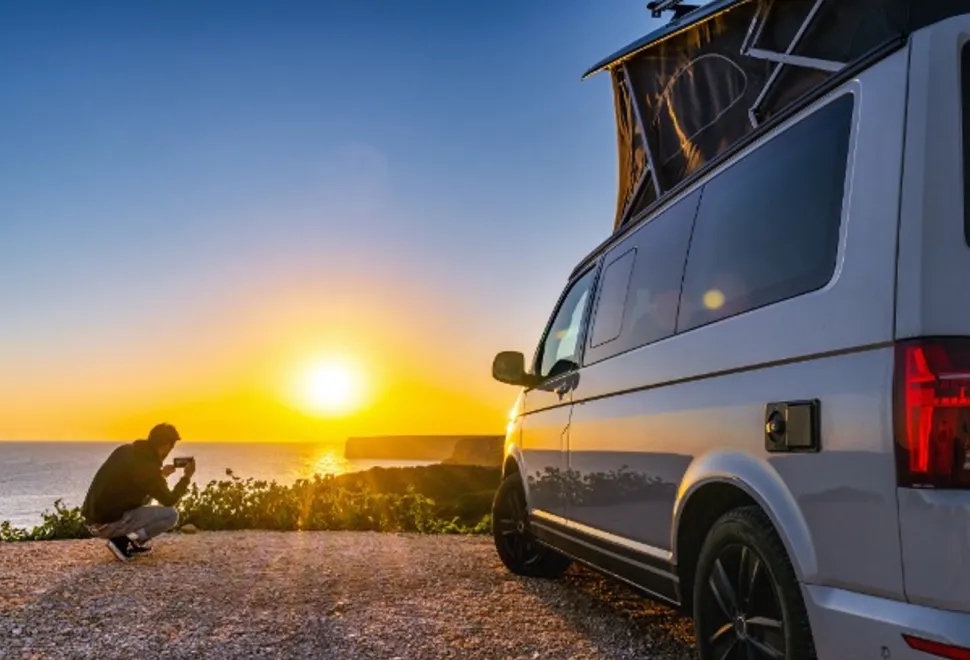
Do I need insurance for a converted campervan?
If you've converted a van into a campervan, insuring it correctly can be more complex. If your campervan has undergone a conversion, you should declare it as such to your insurance provider. Conversions typically involve adding living accommodations such as a bed, kitchenette, or toilet facilities.
Not declaring the conversion accurately could lead to issues when making a claim, as standard van insurance might not adequately cover the modifications and contents. Basically anything which changes the way your van looks or drives is considered a modification and so must be declared with your insurer.
While it’s not essential to have your campervan classified as a motor caravan by the DVLA (Driver and Vehicle Licensing Agency), in order to get campervan-specific insurance, some insurers will require it. So, if you’re buying a conversion, check its V5C or you could find that insurance becomes a problem.
Another legal consideration is that motorhomes have higher speed restrictions than light commercial vehicles, so, if your campervan is actually registered as a van, you could potentially be fined for speeding if you drive it like a motorhome.
Some insurers may require evidence of the conversion's quality and safety standards before providing coverage. When insuring a self-converted campervan, it's essential to retain documentation of the conversion process and materials used.
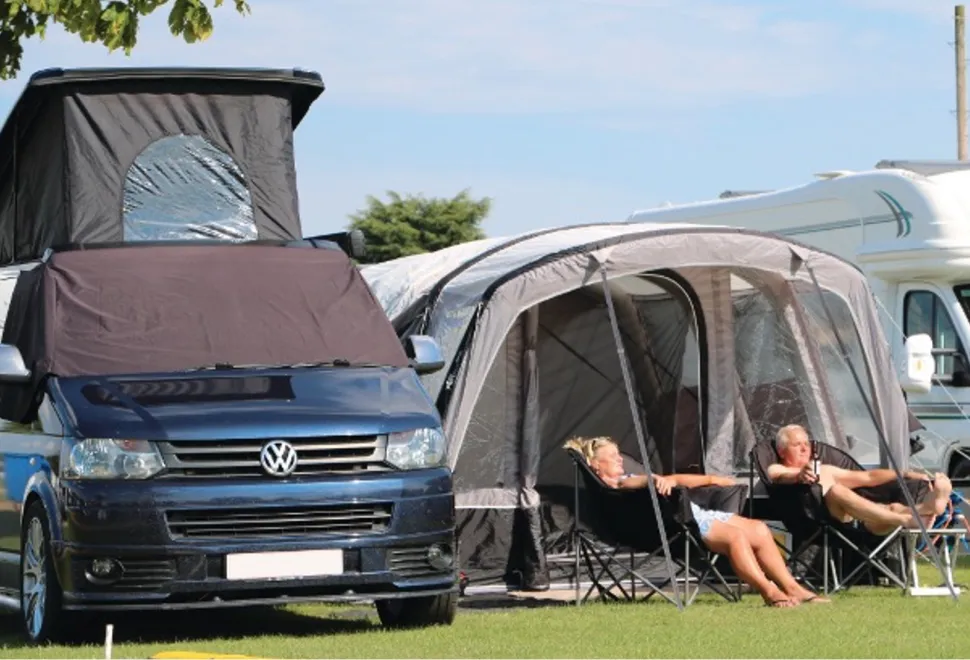
Types of campervan insurance
Different campervan lifestyles require tailored insurance solutions.
Just like car insurance, you need to decide whether you need comprehensive, third party fire and theft or third party-only cover.
- Comprehensive: Comprehensive cover pays out to repair or replace your campervan if it's damaged in an accident or suffers malicious damage.
- Third party, fire and theft: This covers your campervan from damage caused by fire or theft but not if it’s damaged in a crash. It will cover the other driver if you're involved in an incident.
- Third party only: The minimum cover available, protects you if you cause damage to someone's property or injure them while driving.
Other campervan insurance types include:
Full-time campervan living insurance
Full-time campervan living insurance is a specialised type of coverage designed for individuals or families who have embraced a nomadic lifestyle and live in their campervans as their primary residence. Unlike traditional campervan insurance, which typically assumes intermittent use, full-time living insurance acknowledges the unique risks and needs of those who reside in their vehicles permanently.
This comprehensive policy provides extended coverage for personal possessions, liability protection, and essential amenities, such as water and gas systems. It may also include coverage for alternative accommodation if the campervan becomes temporarily uninhabitable.
Short-term campervan insurance
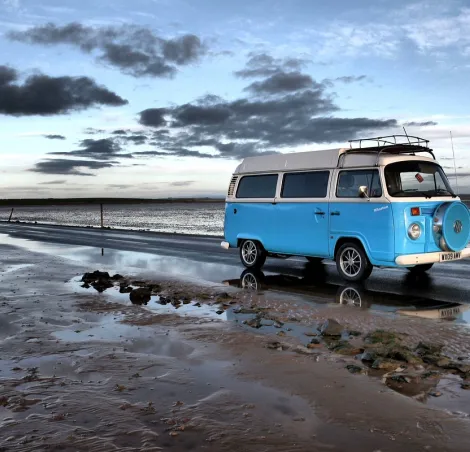
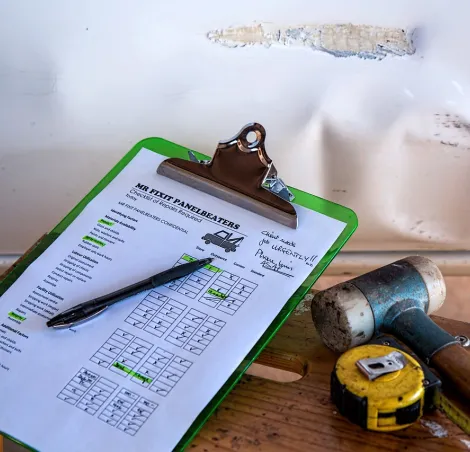
Temporary coverage for campervan rentals or short-term usage. Short-term campervan insurance is ideal for individuals who plan to use a campervan for a brief period, such as a weekend getaway or a short holiday. This type of insurance offers temporary coverage, usually ranging from a single day to several weeks.
It provides essential protection for the campervan against accidents, theft, and damage during the specified rental or usage period.
Classic campervan insurance
Specialised policies for vintage and classic campervans.

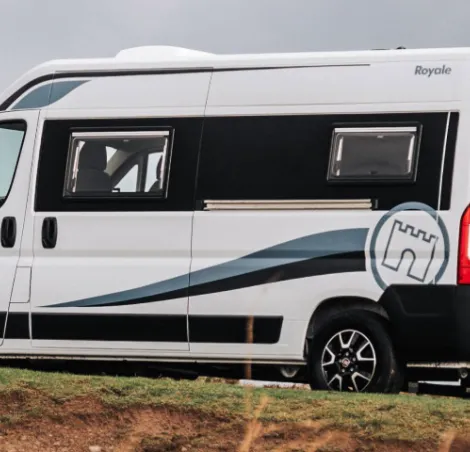
Campervan excess insurance
Campervan excess insurance is a specialised type of insurance that covers the excess amount that you would have to pay towards a claim on your regular campervan insurance policy or if you are renting a campervan.
When you make an insurance claim, there is usually an excess or deductible amount that you are responsible for paying. Campervan excess insurance helps to reimburse you for this excess amount, reducing your out-of-pocket expenses in case of a claim.
Campervan travel insurance
Campervan travel insurance is designed to cover specific aspects of your campervan trips, providing protection while you're on the road either in the UK or abroad. It typically includes coverage for medical expenses in case of injuries or accidents that occur during your journey.
Additionally, it may offer coverage for trip cancellations, lost or stolen belongings, and emergency assistance services, ensuring you have a worry-free and secure travel experience.

Chooing a campervan insurance provider
Don’t just accept the first quote. Make sure you shop around to find the best deal. Don’t just look at the headline price; pin down what you’re getting for your money as well as whether or not there are any add-ons.
Not all policies are the same; some allow you to tailor things to suit your needs while others are little more than car policies, which don’t provide the specialist cover than you need. We advise always using a specialist broker and only using comparison websites as an initial research tool. Have a list of your specific needs and ask questions about the cover to compare like for like, as, if you don’t, you could end up without crucial benefits. Specialist brokers will ask all the relevant questions, too, so make sure you have all the details of the campervan, drivers, and the intended use before you call.
Ask who the underwriter is. A well-known underwriter can provide reassurance your claim will be paid and dealt with efficiently. Also look at what other owners have to say about their experience of an insurer online, on customer review websites like Trustpilot and Review Centre, as well as on social media forums.
Don’t just fill out a form online – give the insurance company a call as they might be able to offer a better deal on the strength of a conversation.
Also think about getting a policy that includes breakdown insurance, but make sure it provides recovery of a vehicle that is the size and weight of your campervan.
Other campervan insurance advice
- Don’t forget to consider the actual contents of your campervan – specialist policies generally cover the items inside your campervan, but it’s worth checking what the maximum value per item is. If they’re covered by other policies (such as home insurance), then they may not be covered by the campervan insurance.
- It’s worth thinking about areas such as gas and explosion cover, too. While such incidences are very rare, they can happen, so make sure you are covered. Then there’s new-for-old cover, which is a very important benefit if you’ve purchased your campervan from new. If you want to lend your camper to family or friends or even hire it out in an Airbnb-style service, then ensure it’s fully insured for this.
- If you’re selling a car to buy your campervan, it’s possible to transfer your no claims bonus from your car policy to your new campervan policy.
- Being a member of a major Club, like the Camping and Caravanning Club or the Caravan and Motorhome Club, often attracts an insurance discount. In addition, these both have their own insurance services.
FAQs
-
What is the best campervan insurance?
The best campervan insurance for you depends on your individual requirements and circumstances. It's crucial to assess what coverage elements are most important to you. For example, if you live in your campervan full-time, you'll need a policy that provides comprehensive coverage, including personal possessions and European travel protection.
On the other hand, if you only use your campervan occasionally, a short-term insurance option might be more suitable.
-
Can you Insure a campervan with your car insurance?
Regular car insurance typically does not provide adequate coverage for campervans. Campervans have unique features, and their insurance needs are different from standard cars. Attempting to insure a campervan with regular car insurance could leave you without sufficient coverage in case of an accident or theft.
Always seek specialised campervan insurance to ensure you have the necessary protection for your vehicle, its contents, and your personal belongings.
-
Does it cost more to insure my campervan for the daily commute?
Many insurers only cover campers for social and domestic use. So, if you drive it to work or to the station to commute, you’ll find you’re not covered.
Not all insurers can cover this risk, and those that can will often have a relatively low annual mileage limit in place of about 8,000, so be sure to ask if this applies to you.
-
Will I be insured to drive my campervan in Europe?
Not all campervan insurance policies include EU cover as standard. If yours doesn’t you can take out European cover as an optional add-on before you travel.
Latest campervan articles
Explore our magazines
Enjoy expert tech help, travel and campsite inspiration, buying advice, reviews, and more with our best-selling magazines and guides.

Buying Your Perfect Motorhome
Buying Your Perfect Motorhome is the ultimate guide to turn your campervan adventure into reality. From models starting at £20k to luxury options, layouts, finance, insurance, and a dealer directory, it has everything you need to find your dream campervan.

Campervan magazine
Campervan magazine is the ultimate guide to maximise your ‘van experience, including unforgettable road trips, and must-see attractions, expert advice and reviews. Plus, essential maintenance tips to keep your ‘van in top condition.


