
Buying a campervan: all you need to know

A campervan, with its promise of endless adventures and a nomadic lifestyle, is a dream many enthusiasts yearn to embrace. But before you hit the open road, there are crucial aspects to consider
From choosing the right type of campervan to navigating licensing and insurance requirements, understanding costs, timing your purchase, and deciding where to buy, this guide will provide you with the knowledge to make a well-informed decision.
Page contents
- What to know when buying a campervan
- Which campervan is right for me?
- Where to buy a campervan
- Useful tips and advice when buying a campervan
- FAQs
- Final thoughts
- About our magazines
Words by Iain Duff
What to know when buying a campervan
(Photo courtesy of Unsplash)
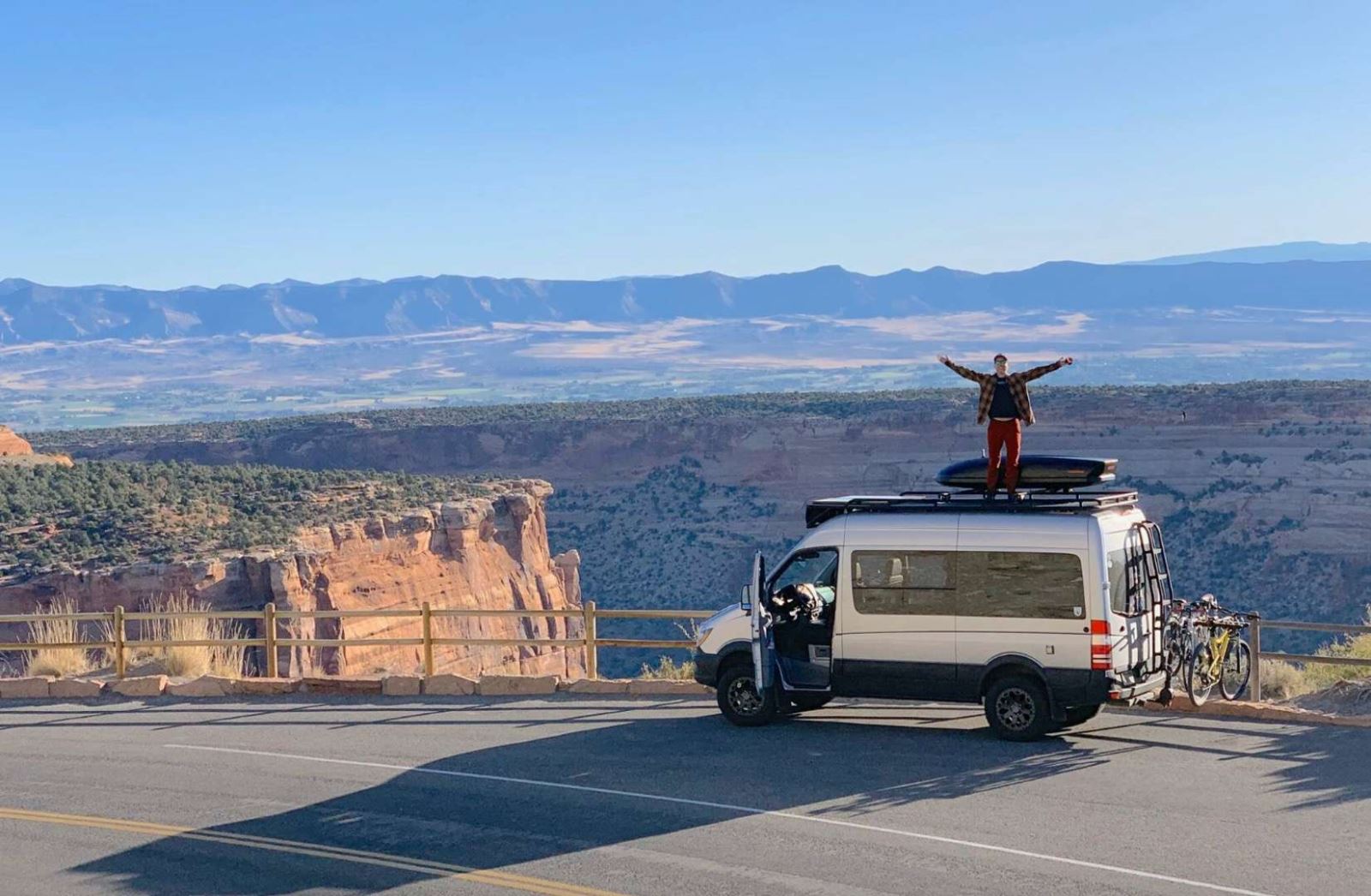
Campervans and motorhomes both offer the freedom to explore, but there are essential distinctions. Here's why a campervan might be your ideal choice:
Flexibility: Campervans are more compact, making them easier to manoeuvre on narrow roads and park in tight spaces. This flexibility allows you to reach secluded spots that larger motorhomes can't access.
Lower operating costs: Campervans are generally more fuel-efficient, costing less to run on long journeys. Maintenance costs are also usually lower.
Everyday use: Many campervans double as your daily vehicle, saving you the need for a second car. This practicality can make them more economical.
Stealth camping: Campervans can blend in better in urban environments, allowing you to practice "stealth camping" in places where larger motorhomes might draw attention. Remember this is techniclly illegal without the landowners persmission and you can be asked to move. Always be considerate, don't overstay your welcome and leave no trace.
What driving licence and insurance do I need?
In the UK, the driving licence you need depends on the weight of the campervan. If the vehicle's maximum authorised mass (MAM) exceeds 3,500kg, you must have a Category C1 driving licence. If the MAM is lower, a standard Category B driving licence is sufficient.
Campervan insurance is essential and differs from regular car insurance due to the additional features and equipment. Ensure you have comprehensive coverage for your campervan's contents, appliances and fixtures. Compare quotes from different providers to find the best deal tailored to your specific needs.
How much is a campervan to buy?
Campervans come in a wide range of prices, influenced by factors such as size, age, and features. Understanding the cost spectrum will help you set a realistic budget. The price of campervans generally has increased dramatically in the last couple of years.
Budget campervans: A basic, older, secondhand campervan can cost as little as £5,000 to £15,000. Keep in mind that older models may require more maintenance and upgrades.
Mid-range campervans: Mid-priced campervans typically range from £15,000 to £60,000, depending on age and spec. These vehicles often strike a balance between affordability and modern amenities.
High-end campervans: New luxury campervans with the latest features can reach more than £100,000. These premium models offer top-of-the-line comfort and convenience. When setting your budget, consider not only the initial purchase price but also ongoing expenses like insurance, fuel, maintenance and campsite fees.
What time of year is best to buy a campervan?
(Photo courtesy of Pixabay)
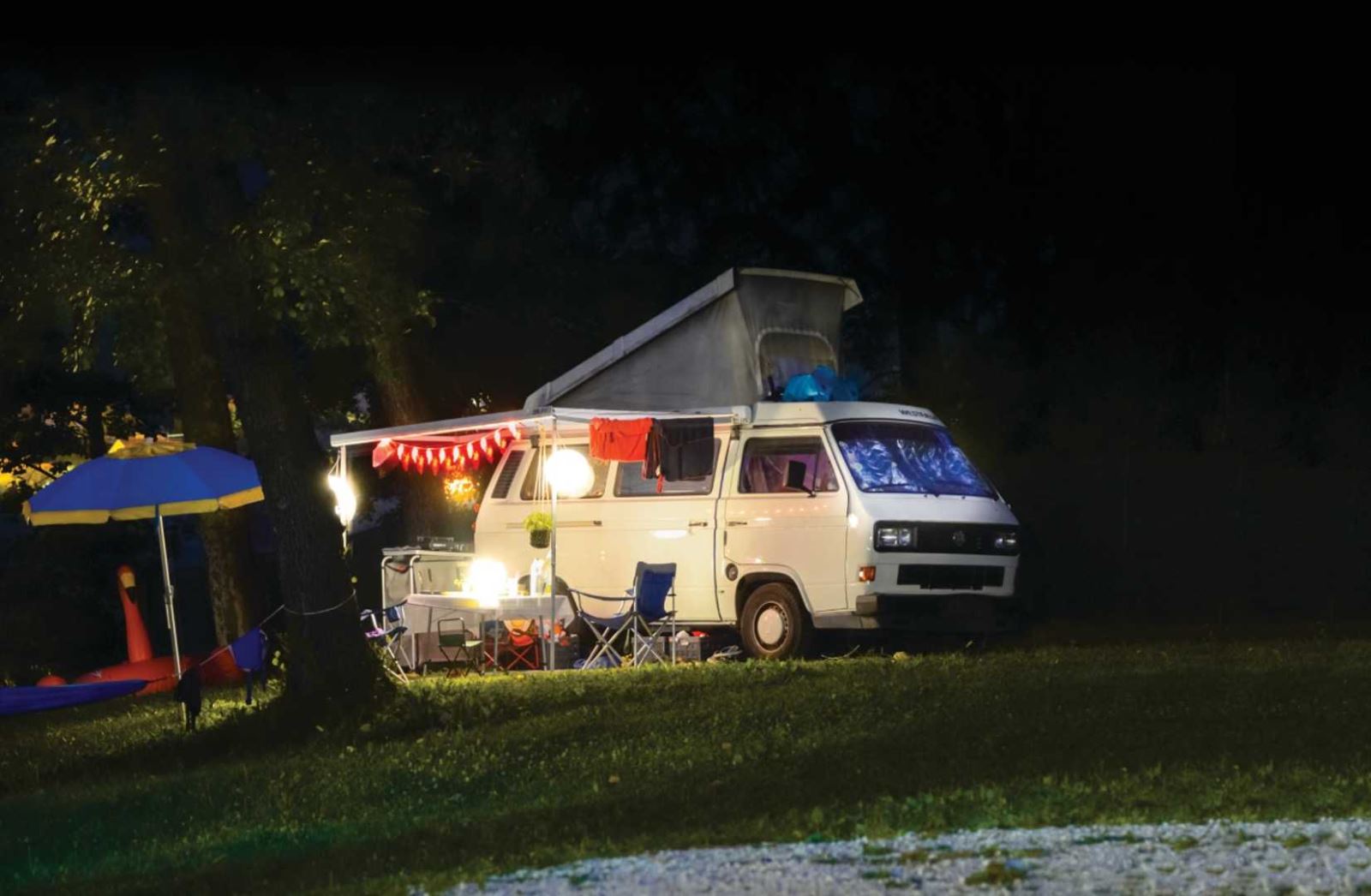
The timing of your campervan purchase can significantly impact the cost. It's essential to consider the season and market trends.
Buying in late autumn or winter can be advantageous, as demand for campervans tends to decrease. Sellers might be more willing to negotiate on price.
On the other hand, in spring and summer you'll possibly have a broader selection, but prices may be higher due to increased demand.
Some sellers, particularly dealerships, have sales targets to meet at the end of a month or financial quarter. This can be a great time to negotiate a better deal.
Which campervan is right for me?
The variety of campervans on the market can be overwhelming. It's essential to determine which type suits your needs best:
Conversion types: Campervans come in various types, including panel van conversions and pop-top campervans. Consider factors like layout, sleeping capacity, amenities and your preferred travel style.
Amenities: Decide on the amenities that matter most to you, such as a kitchen, washroom and entertainment systems. The level of comfort and convenience you desire will influence your choice.
Size: The size of the campervan affects drivability, living space and fuel efficiency. Smaller campervans are more manoeuvrable, while larger ones offer more living space.
New v used: New campervans offer the latest features and warranties but come at a higher price. Used campervans can be more affordable, but it's crucial to inspect their condition thoroughly.
Where to buy a campervan
Deciding where to buy your campervan is a critical step in the purchasing process. Each option comes with its own set of advantages and disadvantages:
Pros of buying privately:
- Lower prices: Private sellers often offer lower prices than dealerships due to lower overhead costs.
- Negotiation room: You may have more room for price negotiation when dealing directly with the owner.
- Unique finds: Privately listed campervans might include unique or customised models that meet your specific requirements.
Cons of buying privately:
- Uncertain history: Private sellers may not provide comprehensive service histories, making it challenging to assess the vehicle's maintenance and repair records.
- Limited warranty: Most private sales are "as-is," with little or no warranty. If issues arise after purchase, you'll be responsible for repairs.
Pros of buying from a dealer:
- Warranty: Dealerships often provide warranties, giving you peace of mind in the early stages of ownership.
- Inspections: Campervans sold by dealerships typically undergo thorough inspections and refurbishment.
- Financing options: Dealerships offer financing plans, making it easier to manage payments.
Cons of buying from a dealer:
- Higher prices: Campervans at dealerships are often priced higher than private listings due to the added services and warranty.
- Limited room for negotiation: Dealers may have less flexibility in negotiating prices.
Pros of buying from a show:
- Variety: Shows and exhibitions offer a wide variety of campervans from different manufacturers, giving you a chance to compare models side by side.
- Expert advice: You can receive guidance and expert advice from dealers and manufacturers' representatives.
Cons of buying from a show:
- Potential crowds: Shows can get crowded, which might make it challenging to get the time and attention needed to make an informed decision.
- Pressure to buy: The excitement of shows might lead to impulse buying. Take your time and make a rational decision.
Useful tips and advice when buying a campervan
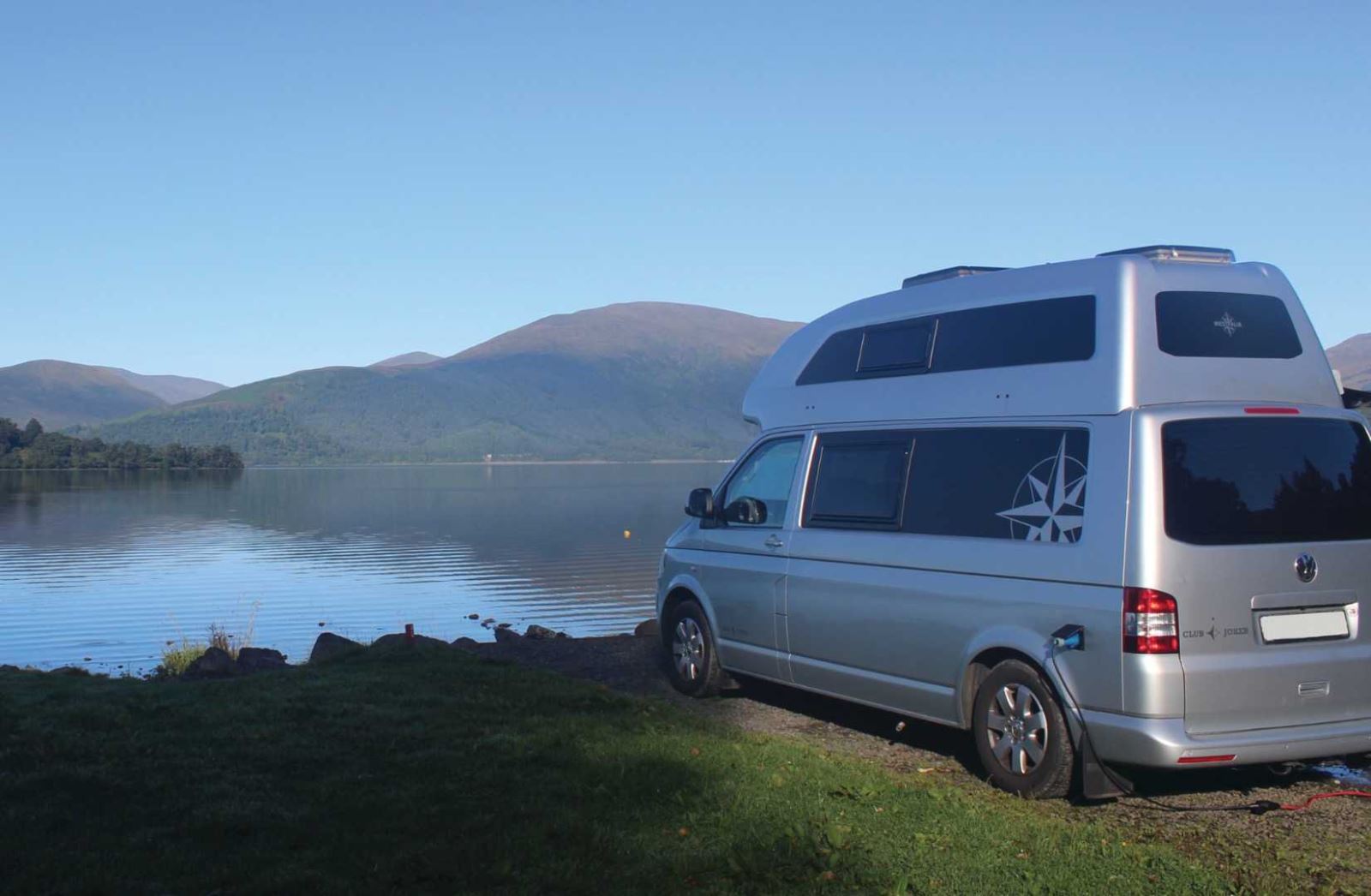
(Photo by Iain duff)
Now that you're well-versed in the essentials of campervan buying, here are some additional tips and advice to keep in mind:
Thorough inspection: Whether you're buying from a private seller, dealership or show, always have the campervan inspected by a qualified mechanic to identify any hidden issues.
Test drive: Take the campervan for a test drive to get a feel for how it handles on the road. Pay attention to factors like comfort, noise and driving ease.
Check maintenance records: For used campervans, request detailed maintenance and service records to ensure it's been well cared for.
Research resale value: Look into the resale value of the campervan you're interested in. Some brands and models retain their value better than others.
Consider future modifications: Think about potential modifications or upgrades you might want to make in the future, such as adding solar panels or bike racks.
Campervan clubs and forums: Join campervan clubs and online forums to connect with experienced owners who can offer advice and recommendations.
Plan your first trip: Before making your purchase, plan your first campervan trip. This will help you determine your specific needs and requirements.
FAQs
Can I use a campervan as my everyday vehicle?
Yes, many campervans can double as your daily vehicle, offering practicality and convenience.
Do I need a special driving licence for a campervan?
The driving licence you need depends on the campervan's weight. Category B is sufficient for most campervans, but larger vehicles may require a Category C1 licence.
Is it better to buy a new or used campervan?
The choice between new and used campervans depends on your budget and preferences. New campervans offer the latest features and warranties but come at a higher cost. Used campervans can be more affordable but require thorough inspection.
What is the average campervan insurance cost?
Campervan insurance costs vary based on factors like the campervan's value, your driving history and coverage type. On average, you can expect to pay around £300 to £800 annually.
Where can I find information on campsites and parking spots for campervans?
Many online resources, mobile apps and guidebooks provide information on campsites and suitable parking spots for campervans.
Final thoughts
Buying a campervan is not just a transaction; it's an investment in a lifestyle filled with freedom and adventure. When done right, it can be a life-changing experience. By understanding the intricacies of campervan types, licensing and insurance requirements, costs, timing and where to buy, you can embark on this journey fully prepared. Take your time, research thoroughly, and, above all, enjoy the process of finding the campervan that will lead you to unforgettable destinations and memories.
Remember that every campervan has its unique character and charm, waiting to become an integral part of your travel stories. So, whether you choose a compact campervan for weekend getaways or a spacious motorhome for extended expeditions, your campervan journey starts with a well-informed purchase decision.


