
Lighting for campervans: all you need to know
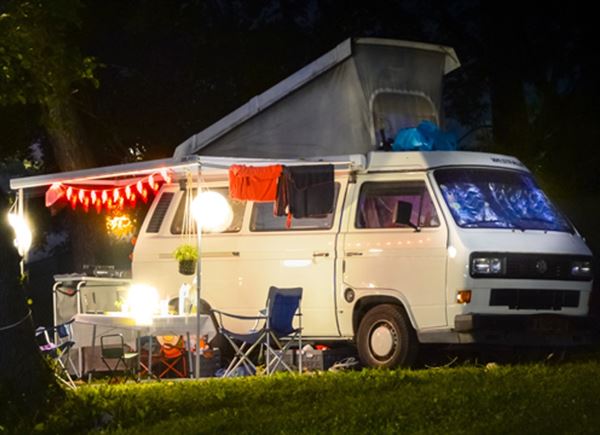
Embarking on a campervan adventure involves more than just hitting the open road; it's about creating a comfortable home on wheels. One crucial aspect of this homely atmosphere is the lighting in your campervan
We will guide you through all the lighting options available for you and your campervan, including interior lighting, torches, lanterns, awning light kits and power options.
Page contents
Words by Iain Duff
Types of campervan lights
Campervan interior lights
Campervans come with built-in internal lights, which are typically LED downlights, spotlights and/or strips. These are powered off the campervan’s 12V battery or 230V electric hook-up. The downlights and spotlights provide your main area illumination, while the strip lighting is general used to provide additional ambient lighting around cupboards or at floor level.
Some campervans also have flexible reading lights that are mounted to your wall and can be angled to shine in any direction, perfect for the lounge or sleeping area.
Portable lights
In addition to the campervan’s built-in lighting, you will need additional portable lighting for sitting outside or in an awning, and also for walking about the campsite at night. You might even want to have a portable lantern as backup lighting inside the campervan.
Battery and charging options
Portable lighting used to be powered by replaceable batteries, but batteries are not very good for the environment and need to be disposed of correctly – never ever throw used batteries in with general waste.
Nowadays, rechargeable batteries are readily available, but most portable lighting now comes with an inbuilt battery, which is charged up through a USB cable.
If your campervan has power points, you can plug devices in to charge overnight. Otherwise, buy a good-size power bank that you can charge up at home before setting off.
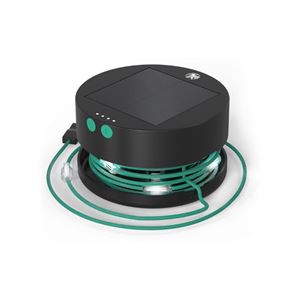
Solar chargers are also available, but these need sun to work, so are less reliable in the UK.
Torches
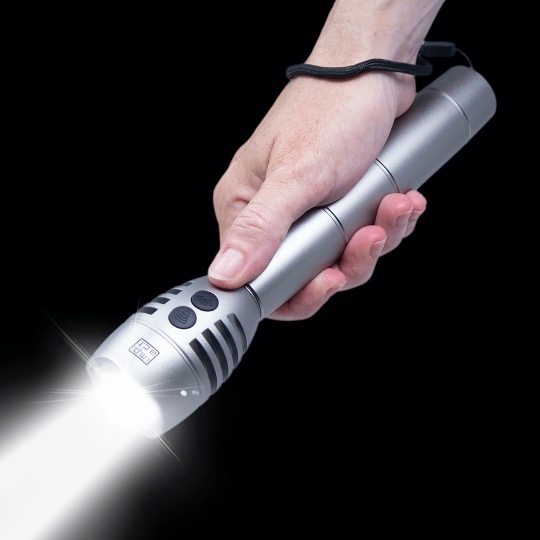
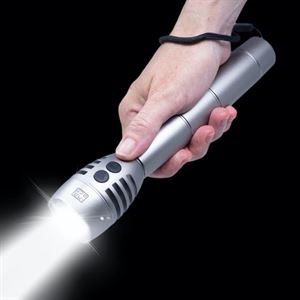
(Photo courtesy of Impact)
A torch is an essential item to have in a campervan. Make sure you have a small pocket-size torch that is kept in the glove compartment at all times, as this has many uses. If you arrive at your campsite at night or break down on the way, a torch is the first thing you’ll reach for.
While you’re camping, a torch that you can pop in your pocket is ideal for trips to the toilet block, the pub, etc, so it’s worth having a personal pocket torch for every occupant in your campervan – kids especially love to have their own torch and it can also help provide reassurance if they are afraid of the dark. Head torches are useful, especially if you are walking a dog after dark.
Camping lanterns
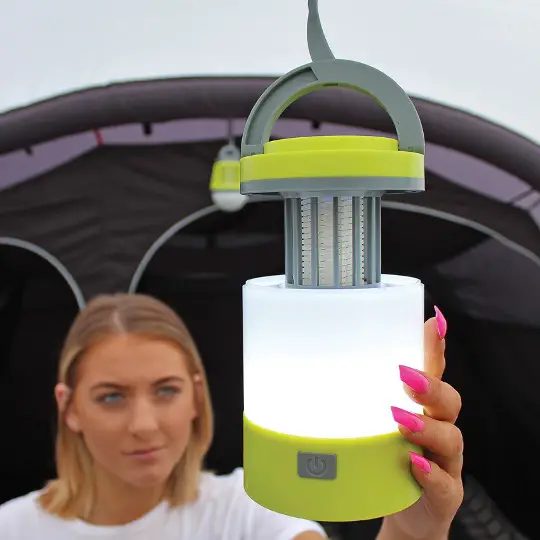
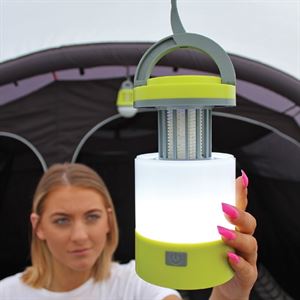
(Photo courtesy of Outdoor Revolution)
A portable camping lantern is perfect for providing light while you are sitting at a table outside your campervan, whether in an awning or al fresco. The benefit of a lantern is that it is free-standing, so it will easily sit on a table whether you’re enjoying dinner, having a drink or playing a game of cards.
Lanterns come in many shapes and sizes – even collapsible silicone ones. Look for lanterns with various light settings so you have the choice of bright lighting through to mood lighting. Many lanterns have a built-in rechargeable battery that also serves as a power bank, so you can charge up your phone with it, for example. Some lanterns even have an inbuilt Bluetooth speaker and some have mosquito killer components built in.
Avoid lanterns with glass components, as these can easily get broken and cause injuries. Similarly, avoid candles and candle-lit lanterns, as these are a fire hazard.
Awning lights
If you have an awning, you may want bespoke lighting, which attaches to the inside of the awning and hangs up out of the way.
Many brands offer purpose-built accessories to fit their awning ranges, so check out their essential accessory offerings before buying an awning. Vango, for example, uses its own SkyTrack system to which you can attach various items, including LED lighting.
Outwell’s award-winning Nightlight System also provides ambient LED lighting to its awnings.
Awning lighting varies in length and complexity, and power sources include USB, 12V and 230V mains electric.
Things to consider when buying lights
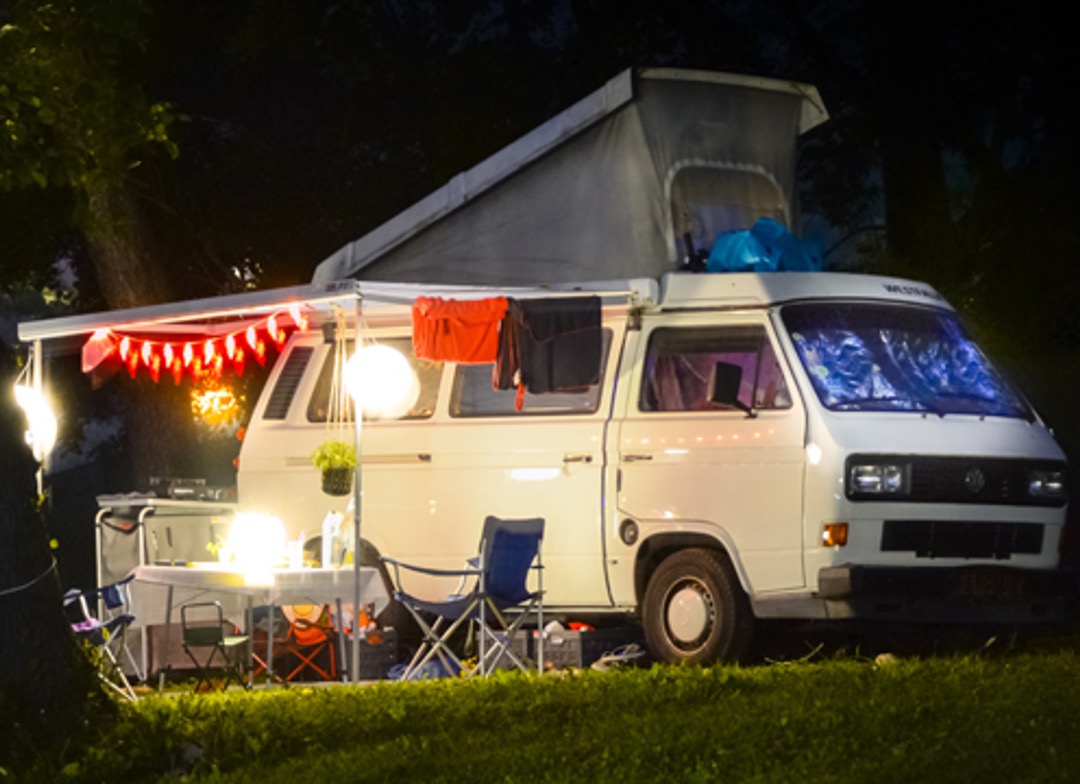
(Photo courtesy of Pixabay)
Before making your purchase, consider the following factors to ensure your lighting meets both practical and aesthetic needs.
Purpose of your campervan lighting
Determine the purpose of each lighting fixture in your campervan. Brighter lights may be preferable in the kitchen area, ensuring safety during food preparation, while softer lights in sleeping quarters create a relaxing ambience.
Exterior lights can also enhance your outdoor space for evening activities.
Power supply and efficiency
Most campervans operate on a 12V electrical supply, making LED lighting an energy-efficient choice. Battery-powered options are also viable, especially when camping without access to electric hook-ups. Opt for energy-efficient LED lights to prolong your battery life during off-grid adventures.
Brightness and colour
Tailor the brightness of your lights to specific areas in your campervan. Higher wattages are suitable for task-oriented spaces like the kitchen, while softer lighting is ideal for relaxation zones.
Consider the colour temperature measured in Kelvins; 3,500K offers a warm daylight vibe, while 5,500K and above provides a clearer, cooler light.
Final thoughts
In creating your ideal campervan lighting set-up, balance is key. Utilise the built-in LED lights for interior brilliance, complemented by portable options for outdoor ventures. Embrace eco-friendly rechargeable batteries or USB-charged lanterns.
A trusty torch is a must for emergencies, and consider bespoke awning lights for a tailored touch. Factor in functionality, power efficiency, and the ambience you crave, ensuring your campervan lighting enhances every adventure with practicality and style.


