
Are motorhome warranties worth it?
Buying advice
Motorhomes are very complicated. Think of buying a house and then putting it on the back of a van. Repair costs can be high, too; you generally have to use specialist companies.
So, yes, motorhome warranties can save you thousands, as long as you have the right cover and have fulfilled the terms and conditions.
There are different types of warranty, so it’s important to ask which type is supplied with the motorhome you are buying. We’ll go into all the options further on in this article as well as listing common motorhome claims.

Rachel Scholes Content Editor: Motorhomes
Rachel Scholes Content Editor: Motorhomes
Want more buying advice?
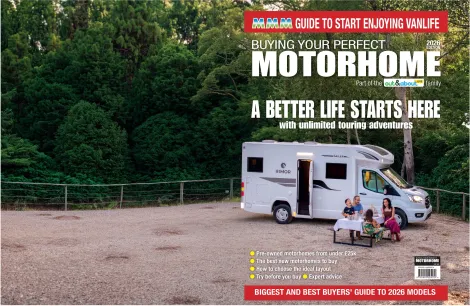
Check out our annual Buying Your Perfect Motorhome guide, which covers layouts, types and base vehicles. Plus, there's highlighted motorhomes and great models to look out for on a budget...
What is a motorhome warranty?
A motorhome warranty is a promise from a company. It means they will fix any qualifying problems for free. A contract of sorts.
However, motorhome warranties are often a sum of component parts. The base vehicle will have its own warranty, the motorhome will have one, and even the components will have their own.
The important point is that your contract is with the dealer who sold you the vehicle. It is their job to handle any warranty claims. This includes claims with the vehicle manufacturer, the motorhome converter and the component companies.
You need to be aware of the terms of any warranty. Check servicing requirements in all your paperwork and make sure you stick to the stated schedules.

Is a warranty worth having?
We recently got a press release from a warranty company with some of its highest-value claims. An airbag control unit cost on average around £600 to repair or replace.
Equally, problems with a Fiat Ducato motorhome led to a £13k bill for a new gearbox among other things.
That’s a significant sum, so having a warranty that is valid is pretty important.
How much will a warranty provider pay out?
It depends. Manufacturer warranties cover basic repair costs or replacement of relevant items, but only if you use an approved workshop.
Most will not give refunds for work done without prior approval. If you are away from home and get something fixed, it probably won't be covered. You supplying dealer or manufacturer may be OK with this but check first.
Insurance-backed schemes will have a claims limit, a little like an insurance policy. And these will vary just like insurance.
Common motorhome claims
Motorhomes are complicated so it’s hard to pin down the most claimed for items on a warranty. A recent report from Warranty Solutions Group showed its 10 most common claims with the average claim amount.
- Habitation £651.18
- Power distribution box £818.90
- Fridge element £749.07
- Control panel £605.10
- Injectors £868.57
- NOx sensor £632.07
- Airbag control unit £609.33
- Rear view camera £553.80
- Water tap £237.69
- Awning motor £2,385.40
Water ingress or damp is common. Using less wood in a motorhome construction means it is less likely to greatly affect the structure. However, it can still have an impact. This may lead to mould, damage to furniture, and other issues.
Even campervans should have damp checks done for this very reason.
Things to check when buying a motorhome
The key thing to note is that warranty work often has to be done at the supplying dealer. Very few manufacturers have agreements that allow habitation warranty work to be carried out anywhere.
Before you buy through a dealer far from home, ask about this. It's likely you’ll have to make the journey back to the dealer for servicing and warranty work each time.
Motorhomes and Caravans in Hull provides a one-year go-anywhere warranty for its new Rimor motorhomes. This warranty allows claims up to £2,000 and can be extended after the first year for £180.
If buying secondhand, also check the warranty. If there is still a manufacturer warranty left (water ingress or habitation), check the service schedule. It has to have been followed to keep the warranty active. Also check that it can be transferred to new owners as this is not always the case or requires a fee to do so.
-
How long is a warranty on a motorhome?
This can vary from six months for an older used motorhome, right up to 10 years for a water ingress warranty on a new motorhome. Check the T&Cs very carefully as the maintenance schedule will need to be followed to keep the warranty valid.
-
Is a motorhome warranty worth it?
Yes, it can be. The cost of an annual service to adhere to the warranty terms can be hundreds of pounds, but repairs can commonly stretch to thousands. check out the list of what is not included in an aftermarket warranty product to work out if one is right for you.
-
How much should I pay for a warranty?
Warranties on new motorhomes are included as part of the deal. Many dealers also include a warranty when buying a used motorhome. For an aftermarket warranty, as with an insurance policy, this can cost as little as £200 a year but can be as much as £600, so it pays to shop around.
-
How much will a motorhome warranty provider pay out?
Aftermarket warranties normally have a claim limit and most work will need to be pre-authorised and only carried out at an approved workshop. Motorhomes will normally need to go back to the dealer you bought it from, to have the work carried out on the habitation side.
-
What is the most common motorhome warranty claim?
The most common motorhome warranty claim in a recent survey was for habitation area problems, with control panels and electrics featuring highly, but engine injectors, NOX sensors and airbag sensors were also common things to fail.
-
What is the average lifespan of a motorhome?
Motorhomes can easily last 20-30 years, and more, before being traded in for the final time. The relatively low annual mileage and the fact that owners regularly service a motorhome, contributes to the longevity.
-
Why has motorhome insurance gone up so much?
Higher values of motorhomes are partly to blame for insurance rises, as is the cost of spare parts to enact repairs. Plus the labour charges for such repairs. Then add in the fact that many parts may not be available and may have to be fabricated as a one-off or the vehicle adapted to fit the part and this all adds to the time needed to do a repair.
-
Are motorhomes dropping in value?
No. Prices were pushed higher (even for older motorhomes) because of the demand through Covid. While prices of new motorhomes are still high (although with some softening), prices of older motorhomes are mirroring those of pre-pandemic times. Prices of newer secondhand models are still strong, though, as this is directly related to how much a new equivalent would be.
Latest motorhome articles

Explore our magazines
Enjoy expert tech help, travel and campsite inspiration, buying advice, reviews, and more with our best-selling magazines and guides.

Buying Your Perfect Motorhome
Buying Your Perfect Motorhome is the ultimate guide to turn your motorhome adventure into reality. From models starting at £20k to luxury options, layouts, finance, insurance, and a dealer directory, it has everything you need to find your dream motorhome.

MMM magazine
MMM is the UK’s best-selling motorhome magazine and your key to unforgettable trips, both in the UK and overseas. Packed with expert reviews, advice and maintenance tips to help you make the best choices and keep your motorhome roadworthy.


