
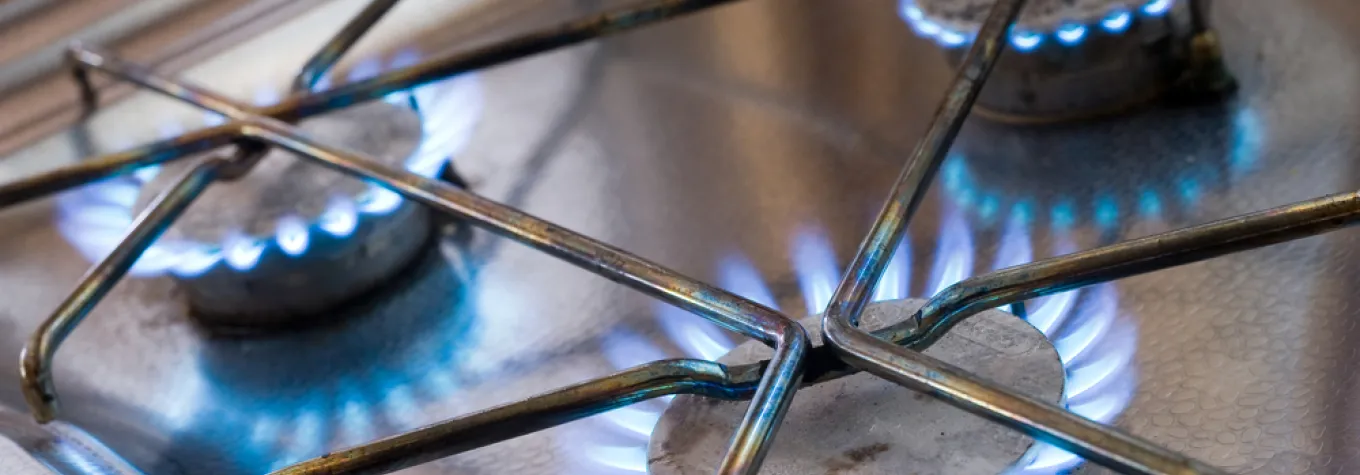
Experts urgently warn caravan owners to double-check their appliances and safety measures
News
Carbon monoxide in caravans: hidden dangers every owner must know to stay safe
The caravan season is about to begin – and for many across the UK, this summer marks either their first-ever trip in a caravan or the first getaway of the season.
Staycations are also on the rise, but there’s a hidden danger that every caravan owner needs to know about before starting their holiday: carbon monoxide.

Macaulay Nichol Content Editor: Caravans
Macaulay Nichol Content Editor: Caravans
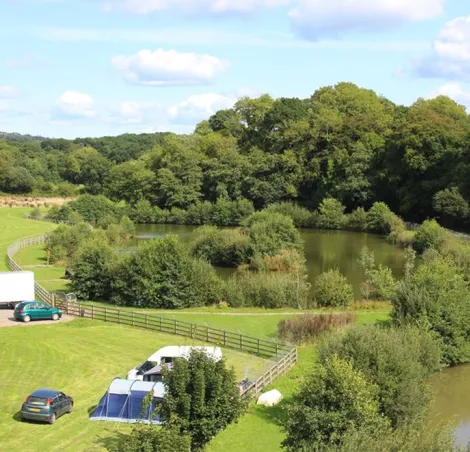
Stay safe from carbon monoxide
Kate Watts, spokesperson for holiday home specialist, Away Resorts, is sounding the alarm urging anyone heading out with their caravan this year to double-check their appliances and safety measures – it is also important to conduct an annual services.
“Holidaying in a caravan should be a restful time, but safety should never take a break.
"Be sure to perform your own checks of appliances, checking for gas safety labels and an NCC (National Caravan Council) approval badge, certifying compliance with the latest safety standards.
“While it can get cold, any portable gas heaters, generators or barbecues should be kept a safe distance away, to prevent a build-up of carbon monoxide inside.”
What are the most common signs of carbon monoxide poisoning that caravan users should watch out for?
“Carbon monoxide poisoning can go undetected, due to the gas being odourless and colourless by nature.
“Typical symptoms to look out for could include experiences of headaches, dizziness, confusion, nausea, shortness of breath and chest and muscle pain.
“If you notice relief of these symptoms on leaving your caravan, you could have been exposed to a carbon monoxide leak. Be sure to seek professional advice before re-entering your caravan, in order to identify the cause of the leak.”
How often should carbon monoxide detectors be replaced, and what features should people look for when buying one?
“Carbon monoxide detectors have a life expectancy of around 5–7 years. Many modern detectors will include a feature which will indicate an ‘end-of-life’ warning, alerting the user that the unit needs to be replaced, along with alerting when new batteries are needed.
“Most carbon monoxide detectors also double up as a smoke detector, with both features being equally as important. The ideal carbon monoxide detector will be mains powered with battery back-ups, which are far more reliable than solely hardwired or solely battery-powered units.”
A silent killer
Known as the 'silent killer', carbon monoxide is a colourless, odourless gas that can cause illness, unconsciousness and even death – sometimes from just a small amount.
The risk is even greater in caravans, where enclosed spaces mean toxic gas can build up far more quickly than in a typical house.
The scariest part: all it takes is one faulty appliance.
So, what can you do to keep safe?
1. Keep portable gas kit outside
Barbecues, portable gas heaters and generators may feel like a must-have, but they’re also top culprits for CO emissions.
Even after they’re switched off, bbqs can still release gas as they cool.
Play it safe: store all outdoor kit, well, outdoors.
2. Get gas appliances checked yearly
Make sure all gas appliances are inspected annually by a registered professional – annual services are vital.
Look for names like Gas Safe Register or Stay Gas Safe.
3. Watch your ventilation
Always make sure your vents are clear – especially when cooking.
A blocked airway could be enough to let carbon monoxide build to dangerous levels without you ever noticing.
4. Bring a carbon monoxide detector – and test it
Every caravan should have one.
Make sure it’s working, the batteries are fresh, and it’s mounted at head height, ideally 1–3 metres from any gas-burning appliance.
5. Check your CO detector or, if you do not have one fitted in your tourer, have one installed
You can also check for safety labels and a valid NCC (National Caravan Council) approval badge – these show the caravan meets current safety standards.
A few quick checks could save lives
It’s not about scaremongering – it’s about staying sharp.
A few checks could make all the difference between a trip to remember and one you’d rather forget.
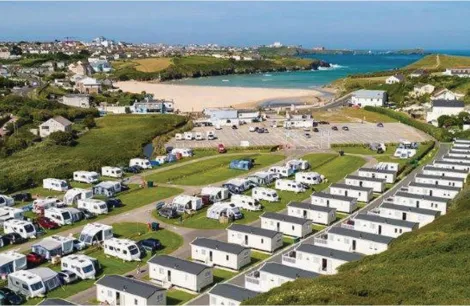
Try our Campsite Finder
Whether you're looking for the perfect pitch for your motorhome, caravan, tent or a static holiday home, our exclusive Campsite Finder will help you choose your next weekend break, midweek getaway or summer holiday in the UK or Europe.
With all the top campsites in Cornwall, Devon, Yorkshire Dales, Peak District and Lake District as well as destinations in Scotland, Wales, Ireland and Europe, you'll always find your perfect campsite.
Latest caravan news


Explore our magazines
Enjoy expert tech help, travel and campsite inspiration, buying advice, reviews, and more with our best-selling magazines and guides.

Buying Your Perfect Caravan
Buying Your Perfect Caravan is the ultimate guide to finding your ideal caravan. From layouts and storage to finance, insurance, and essential kits, it has everything you need to make your dream caravan adventure a reality.

Caravan magazine
Caravan magazine is perfect for caravan enthusiasts. Make the most of your caravan lifestyle with expert advice, unforgettable road trips, must-see attractions and top maintenance tips to keep your ‘van adventure ready.


