
Caravan servicing essentials
Unlike a wedding anniversary, the service date has a six-week leeway, so, when you do remember that you forgot it (still with me?), it's not the end of the world!
Here's some top tips from the experts about what the service involves and what to look out for.
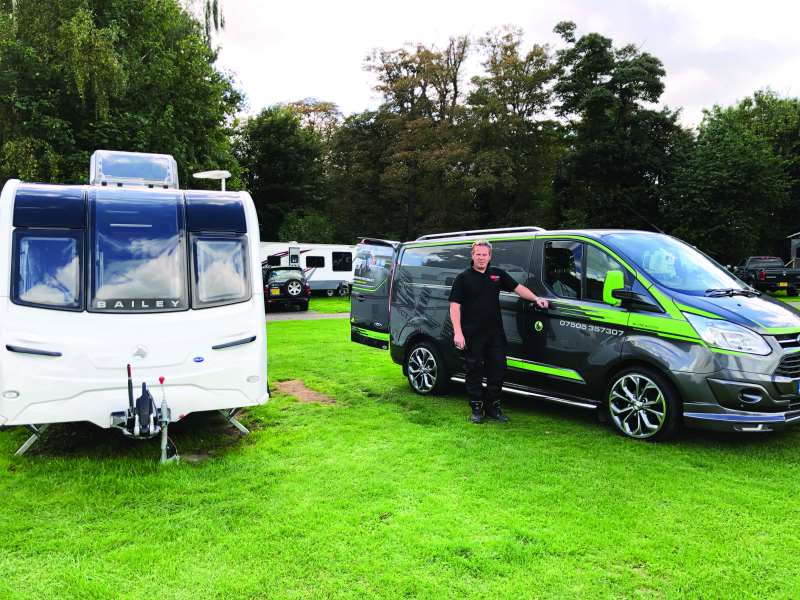
When your caravan service does becomes due, it means towing the caravan to your dealer, leaving it with them and returning for it the following day or weekend. Alternatively, you could have an approved, mobile technician come to you and carry out the service on your pitch or driveway. It's the same comprehensive service, just without all the effort on your part! Which is what we decided to do.
Bailey-approved mobile technician, Wayne Christiansen, from Direct Leisure Repairs, arrived at 9.30am. He started servicing Caravan's long-term test Barcelona immediately. Curious about what this involves, I followed Wayne around the caravan (and on top of it) as he carried out the service. Here's a guide to what gets checked and tested during an approved caravan service.
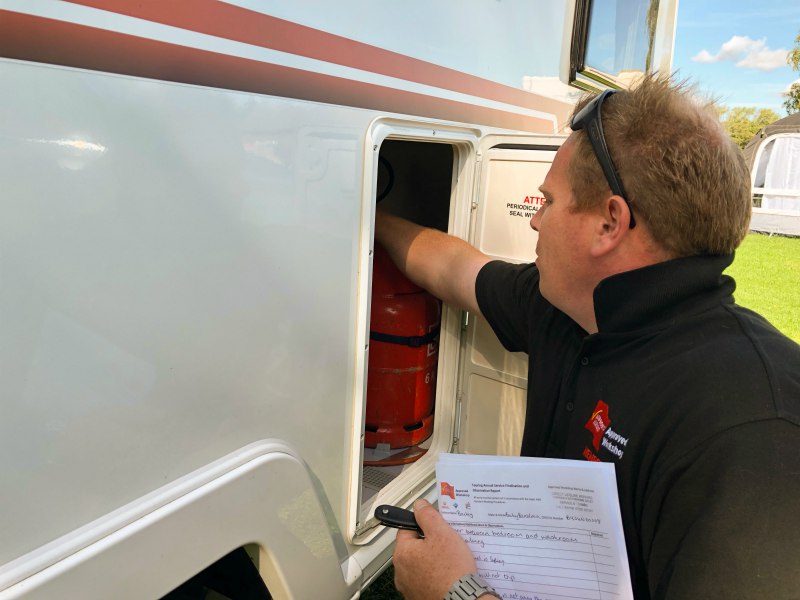
Gas checks
The system is pressure tested, and should be at 30 mbar.
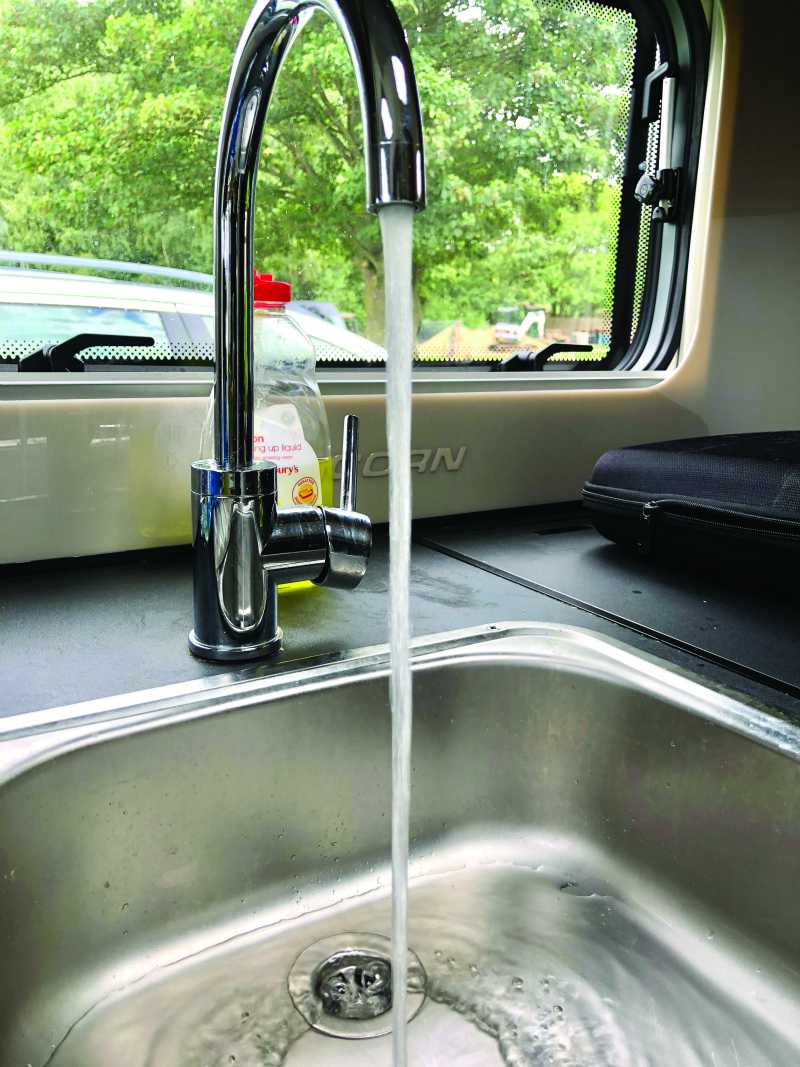
Water flow
Does the water supply flow smoothly and under the correct pressure?
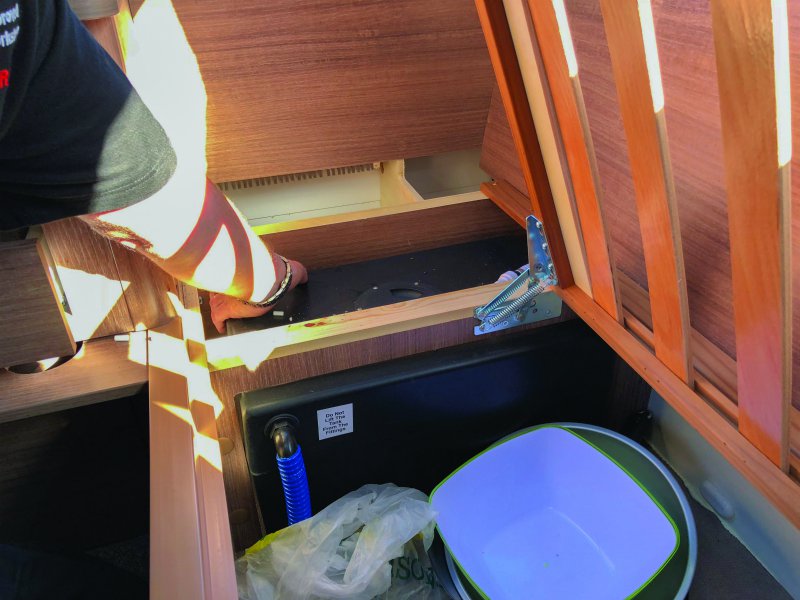
Internal plumbing
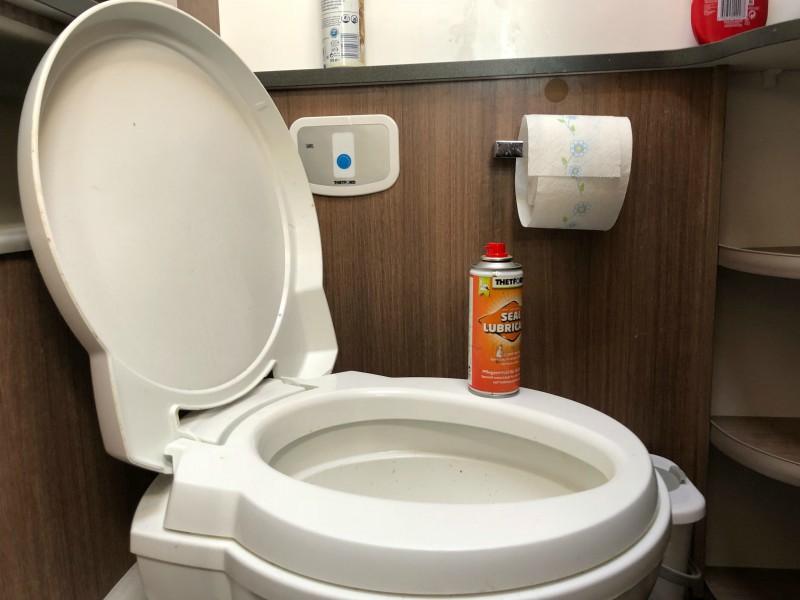
The seals on the Thetford cassette are also checked, and lubricated if necessary.
Leak detection
The technician checks behind the sink for any leaks, and checks the waste connection, too.
Fixtures and fittings
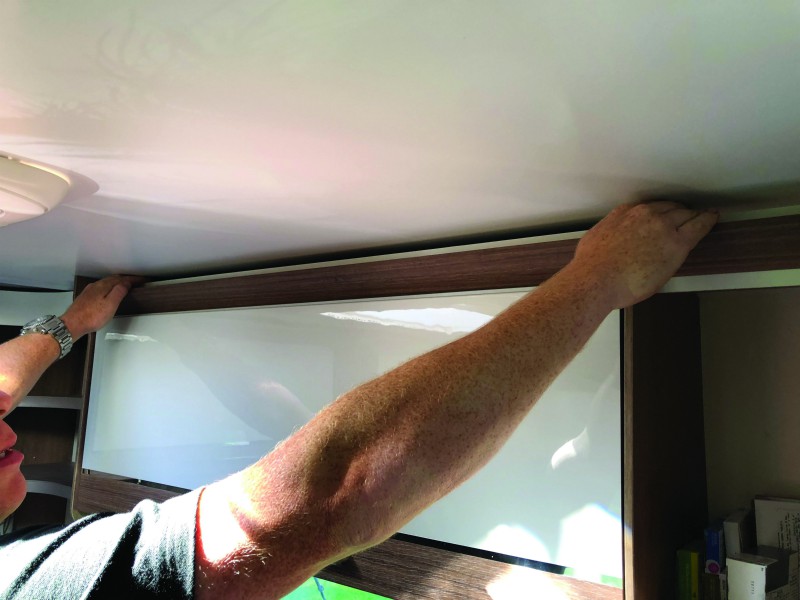
The furniture, blinds and fittings are checked to ensure they are securely fixed to walls.
Interior seals
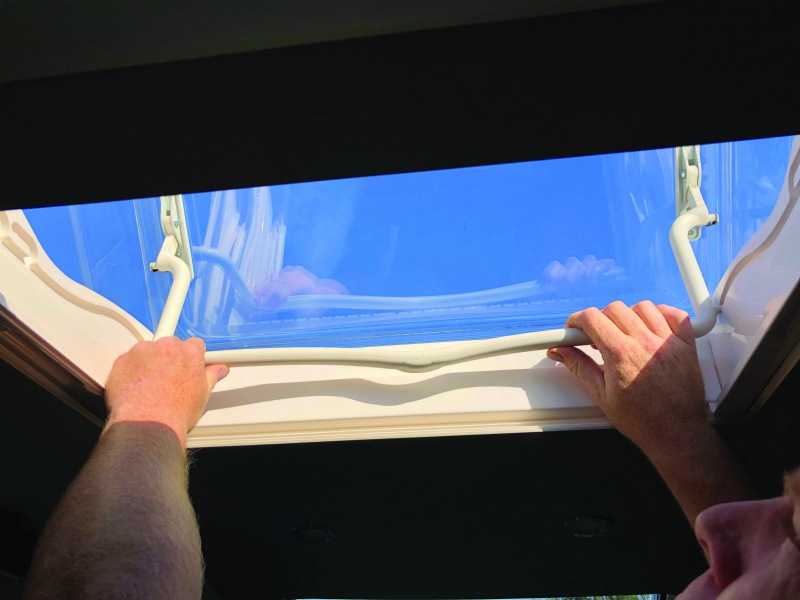
The seals on the door, windows and rooflights are inspected.
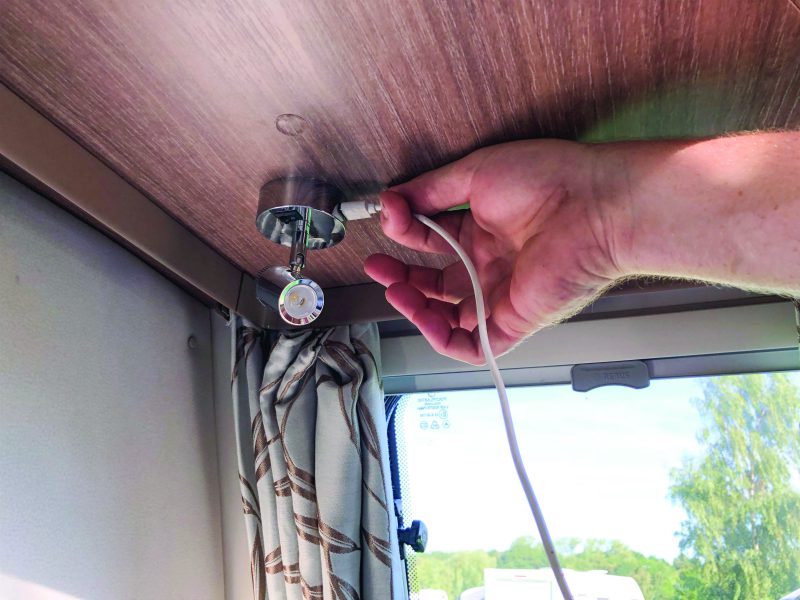
The technician will check that each of the lights, LED strips and USB sockets is working.
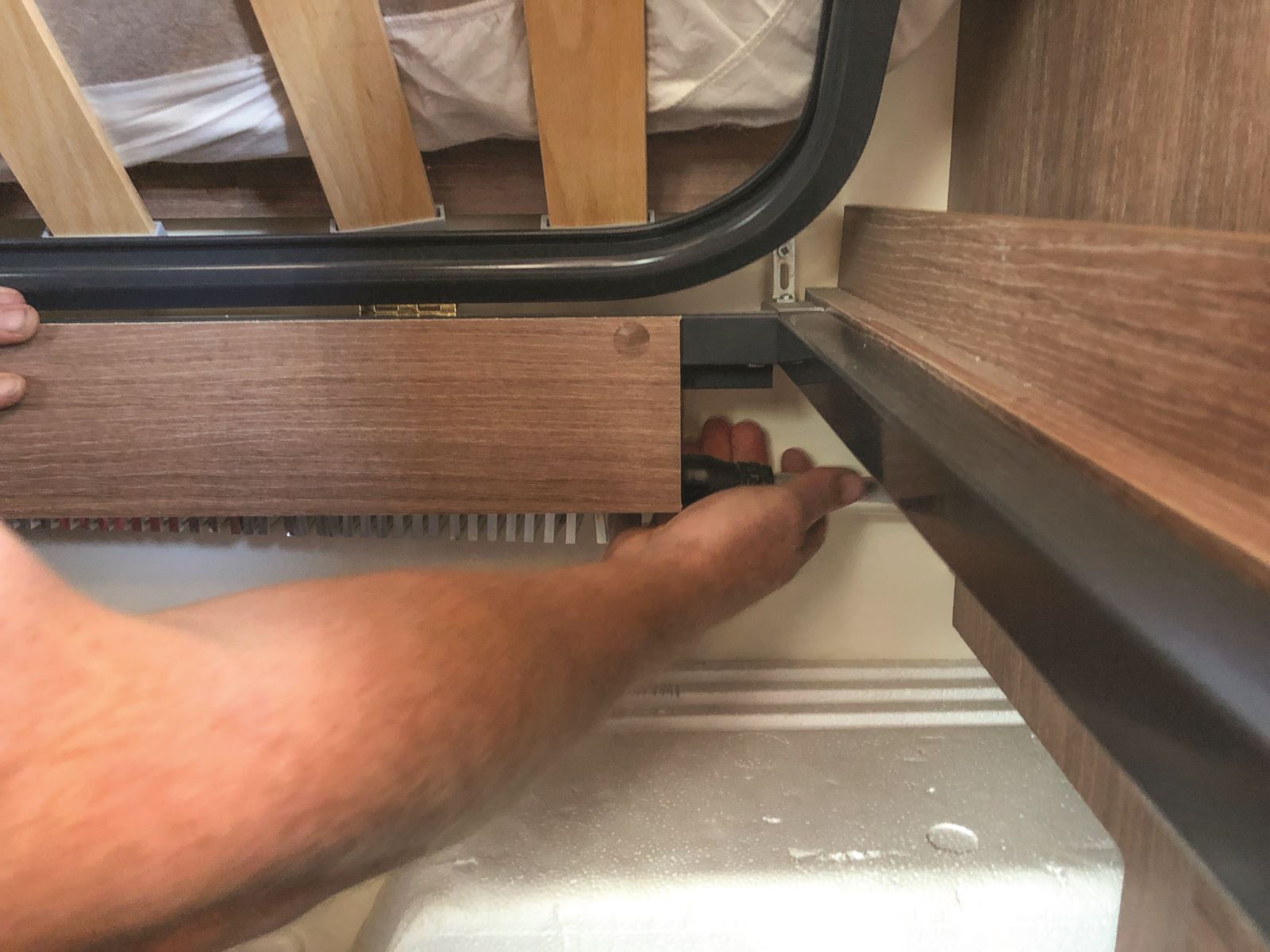
Radiator
The Alde radiator connections are checked along with making sure the panels are fixed securely to the wall.
The Alde unit also receives a thorough looking over, from the fittings to the drain valve.
Using a test plug, the earthing and the polarity on all the plug sockets are checked.
Wayne carefully checks beneath and behind the washroom basin to ensure there are no hidden leaks.
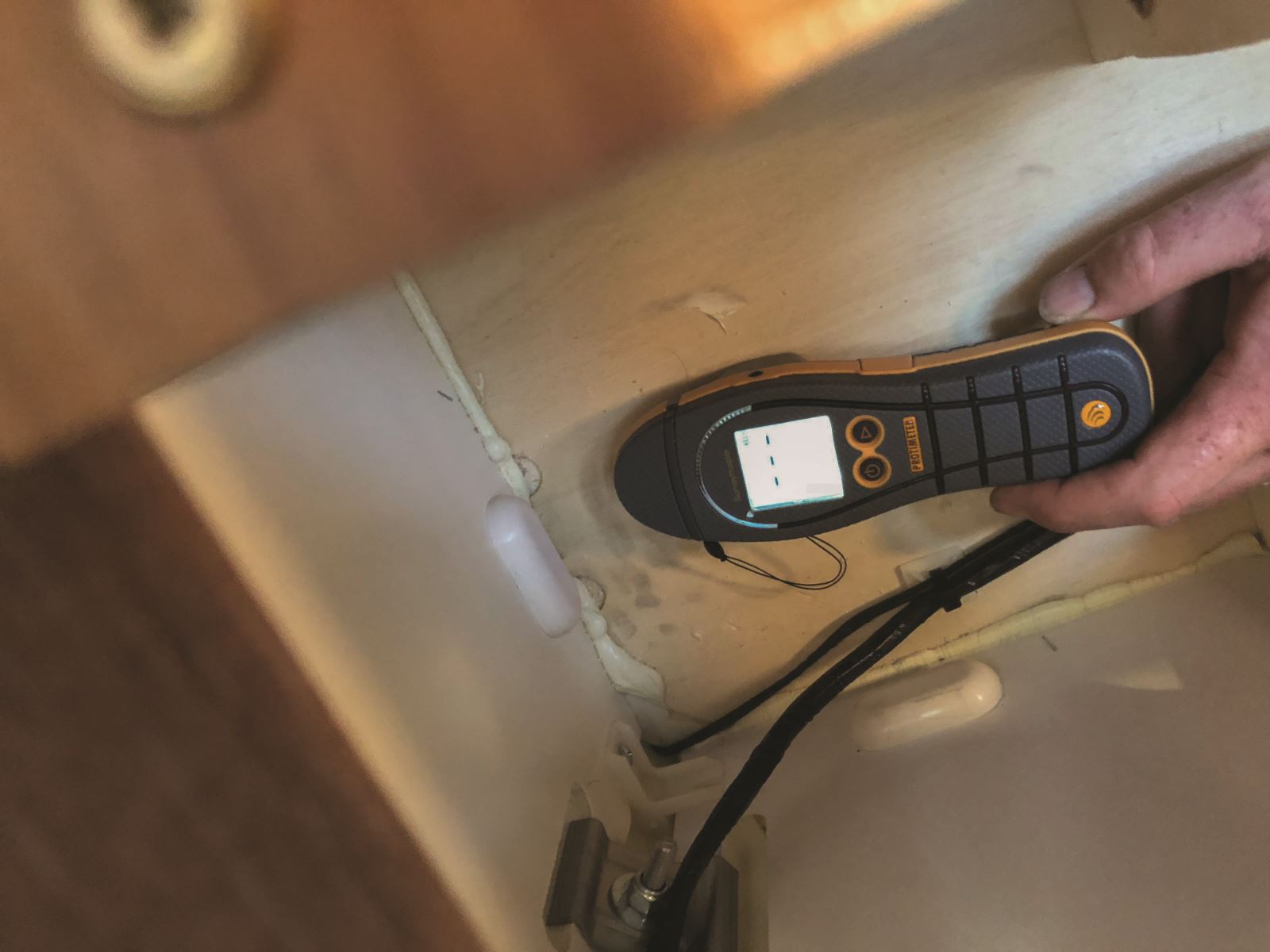
All those difficult-to- reach floor spaces, as well as cupboards, are inspected for dampness. The highest reading we got was 9.1 in the bottle cupboard, next to the oven, where there is next-to-no ventilation. You would expect to see a slightly higher reading in these places.
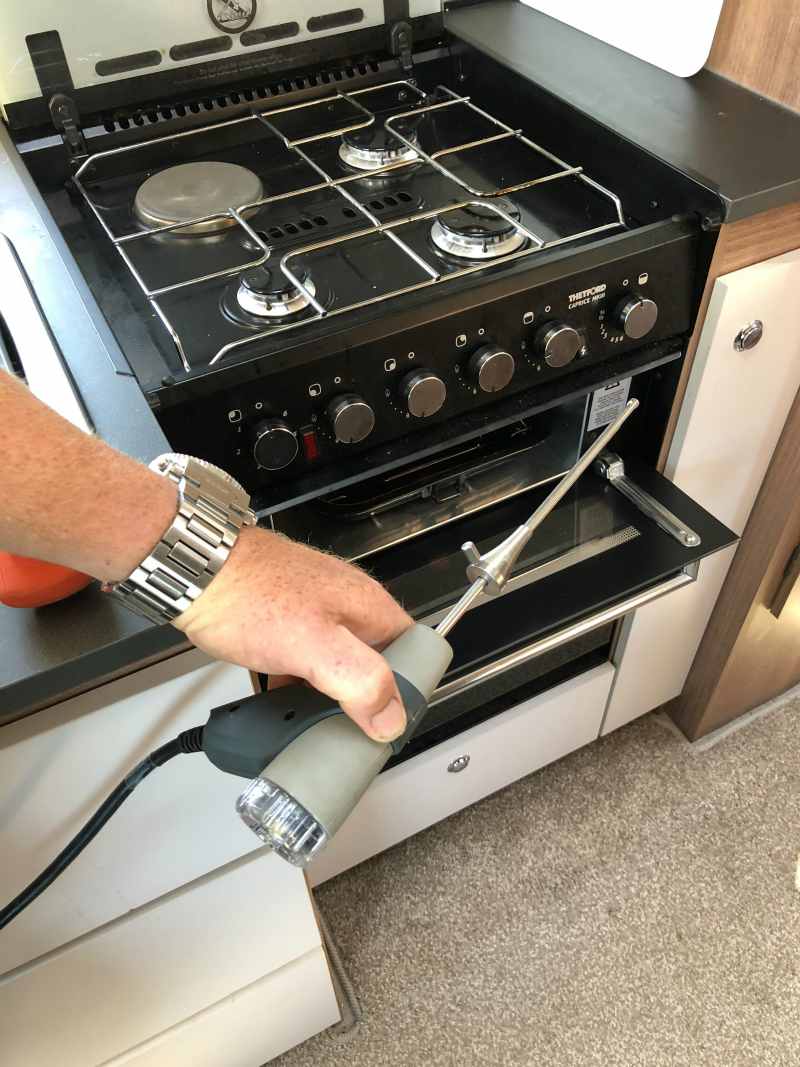
Wayne turns on the hob gas burners and checks they are burning properly with a blue flame and the flames aren’t too high. He also tests the gas cut-off switch on the hob cover.
Carbon monoxide
This odourless gas can kill, so Wayne tests the caravan interior. He turns the hob burners and grill on to low and checks the combustion gas levels being outputted, the flow rate of gas and any carbon monoxide particles in the caravan.
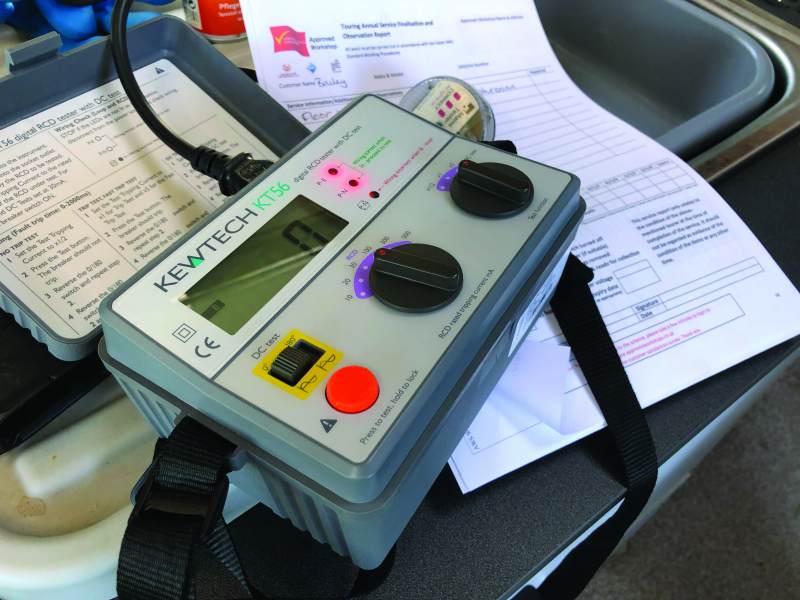
Circuit breakers
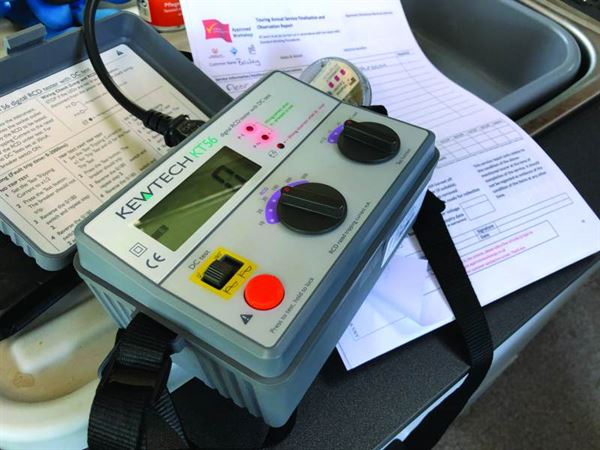
The RCD (or circuit breaker) is put through its paces to make sure it will trip-off in the event of a voltage spike or short circuit.
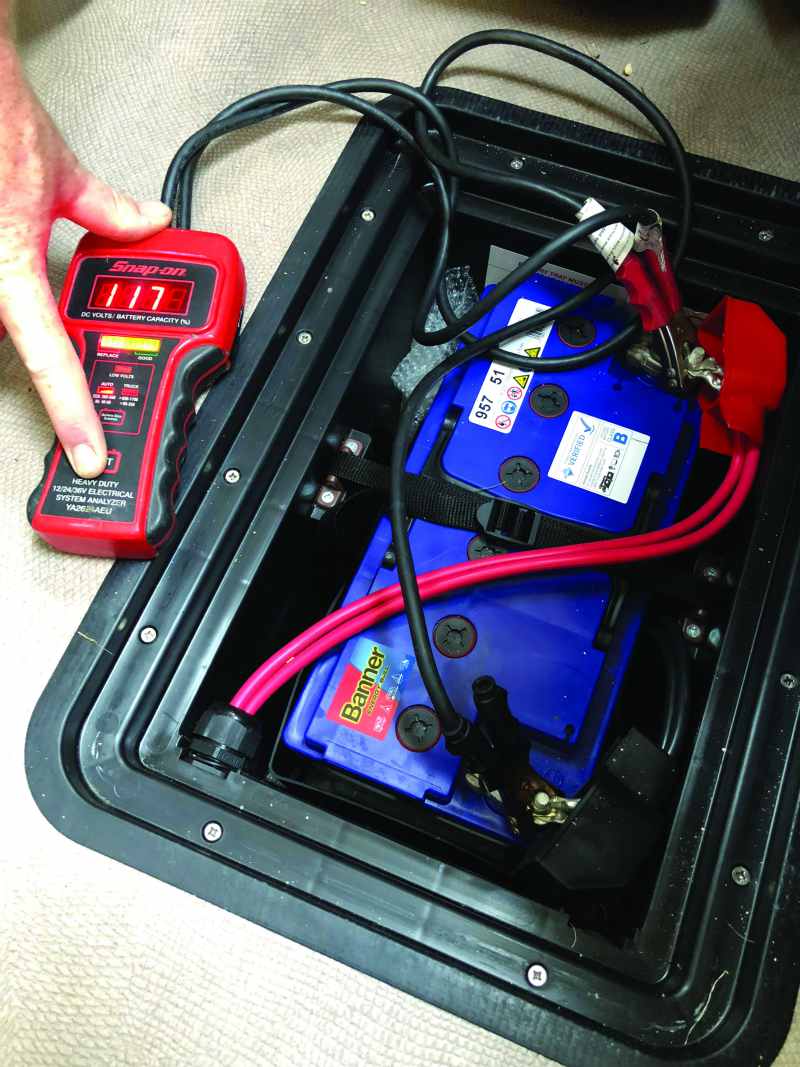
Leisure battery
A health check of the battery covers the connections and panels for any signs of damage. The battery is then hooked up to a meter
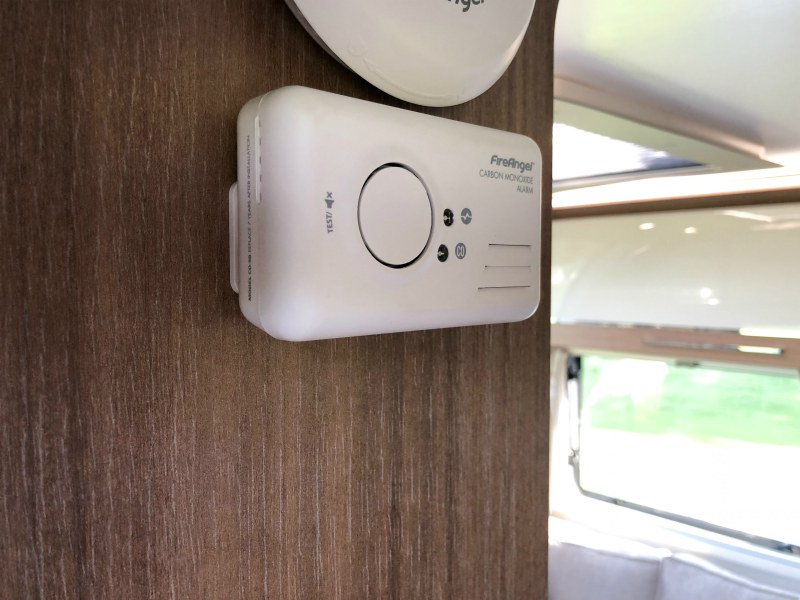
CO detector
All new caravans have carbon monoxide detectors fitted. Your AWS technician should check that it is functioning properly.
Accessible wiring is checked to ensure it's all in good condition.
Preparing the van for winter, the fridge-freezer doors are left ajar on their catches, to maximise airflow and minimise odours and mould.
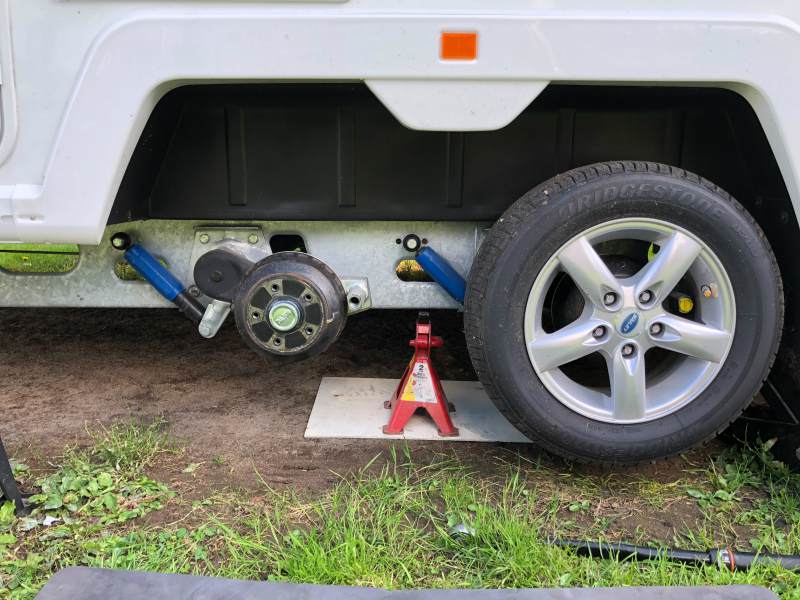
Wheels and tyres
A blowout while towing could be a disaster, so the wheels come off and the tyre tread, walls and pressures are carefully checked.
Functioning shocks are vital to maximise towing control and keep tyres in contact with the road.
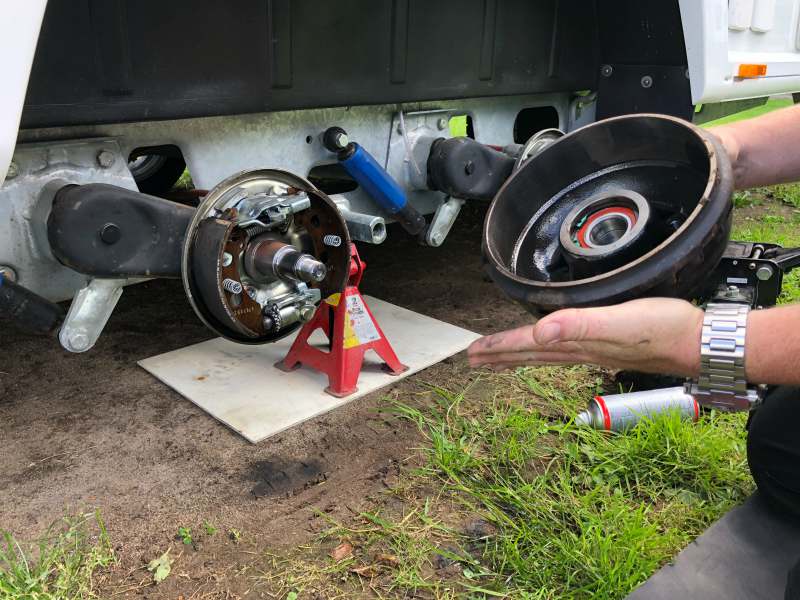
Brake drums
Next it's the turn of the drum brakes; they are cleaned and the shoes checked, along with the wheel bearings.
The wheels go back on. A new hub nut is used, and all the nuts torqued up.
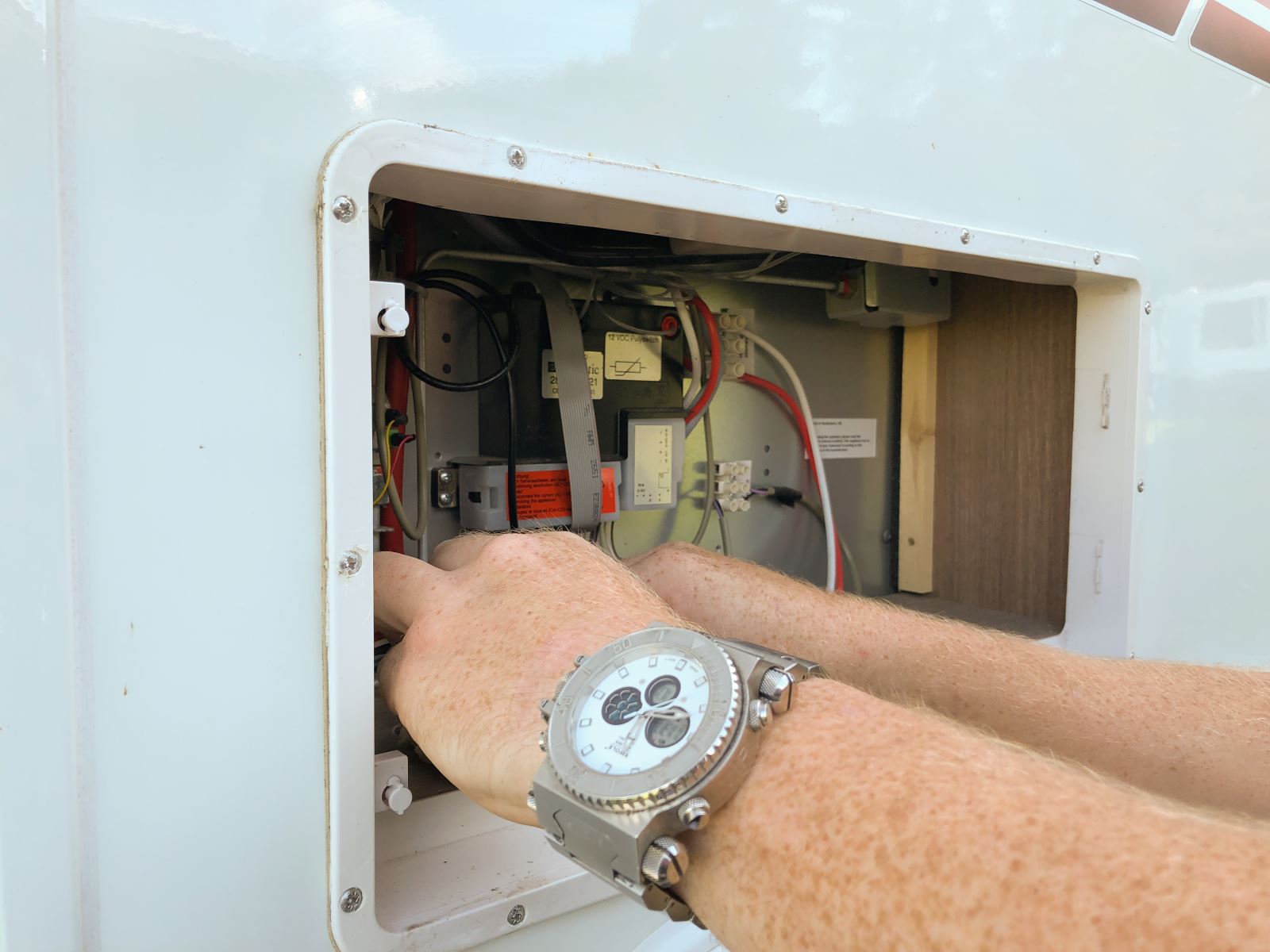
Fridge electrics
Does the fridge run correctly on 240V, 12V and gas? The fridge’s electrics, drains and fittings are checked.
The fridge vents are also removed and cleaned, as a good flow of air/gasses/heat is absolutely crucial.
Our technician carries out a carbon monoxide test on the Alde heater exhaust.
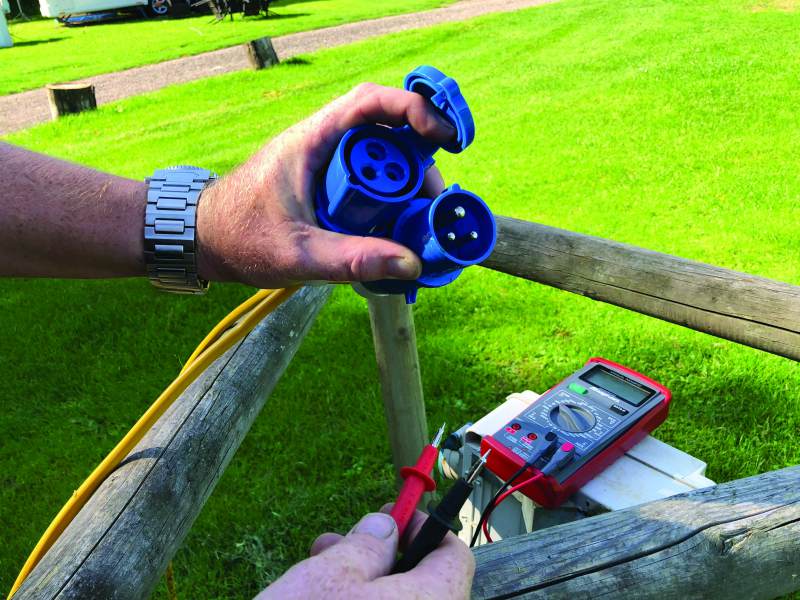
Hook-up cable
The electric hook-up is tested along with the caravan’s socket to make sure there is no damage and that they are both in full working order.
The caravan is hooked up to the owner's car (exclusive to mobile servicing, unless you want to leave your car at the dealer and walk home) and the 12V connection is tested along with the lights, fridge 12V and the ATC system.
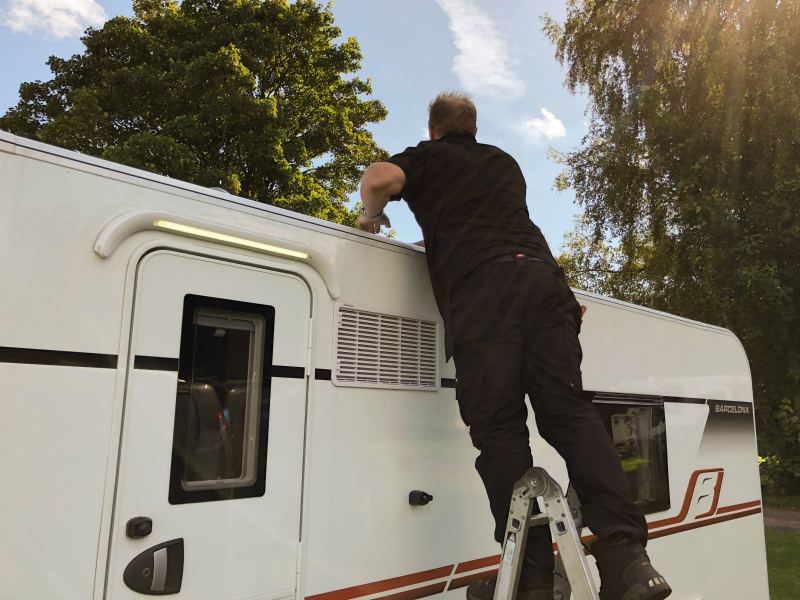
Exterior checks
Outside the caravan the technician conducts a series of external checks, starting off with the bodywork. He checks the seals, rubbers, roof and awning rail - basically he checks all of the exterior! This is to make sure there are no gaps in the sealant and nothing missing from where it should be.
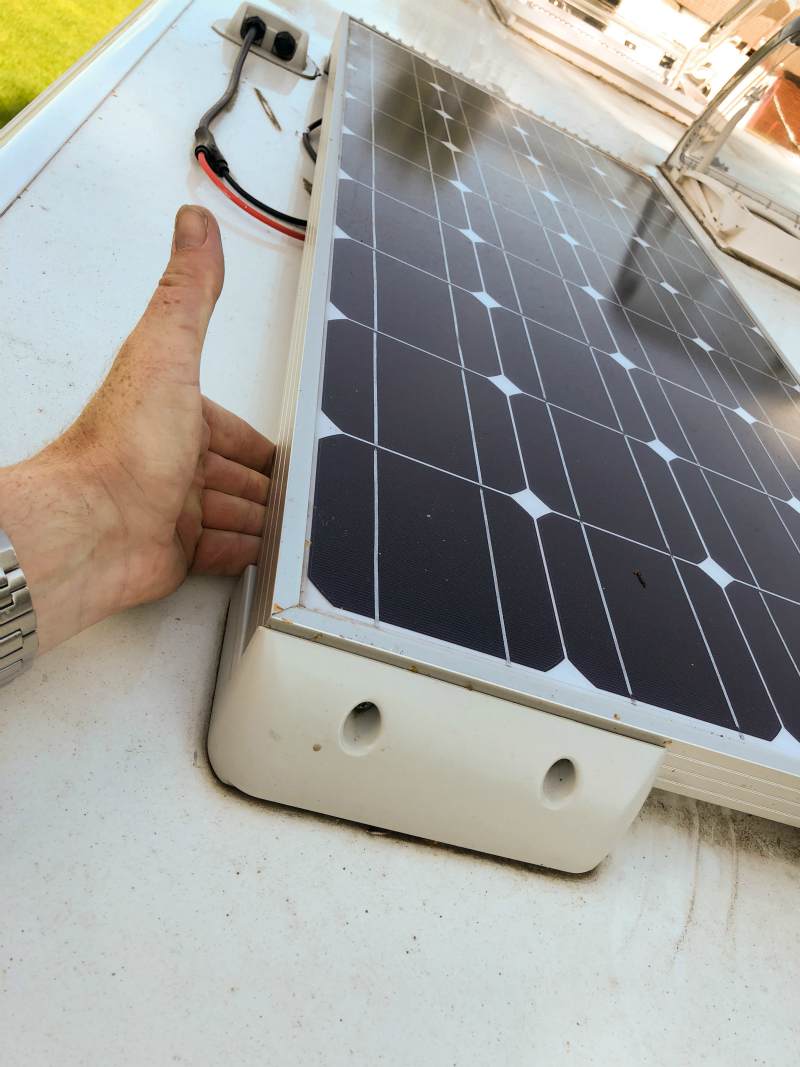
Solar panel
Our technician checks to see that the bonded-on solar panel is still securely fixed to the roof. You wouldn't want that falling off on the M1!
Wayne checks that the sealant around the bases of the rooflights is all intact. Perished sealant is a major cause of caravan leaks.
Last, but by no means least, the waste flow is checked and the pipework under the van is inspected to make sure it is


