
Caravan WiFi: everything you need to know
Technical advice
Caravan WiFi: everything you need to know
Caravan holidays are the ultimate way of getting away from it all, although we sometimes need a link to the outside world
Caravan WiFi is becoming increasingly popular thanks to the rise of TV streaming and the need to catch up on emails or social media.
However, it’s worth knowing which type of WiFi service will suit you best. Whether you’re combining work with a caravan holiday or trying to appease younger family members, we’ll discuss the various options that’ll likely ease your caravan internet woes.
(All photos courtesy of Falcon Technology)

Macaulay Nichol Content Editor: Caravans
Macaulay Nichol Content Editor: Caravans
Caravan WiFi: Getting internet in your caravan

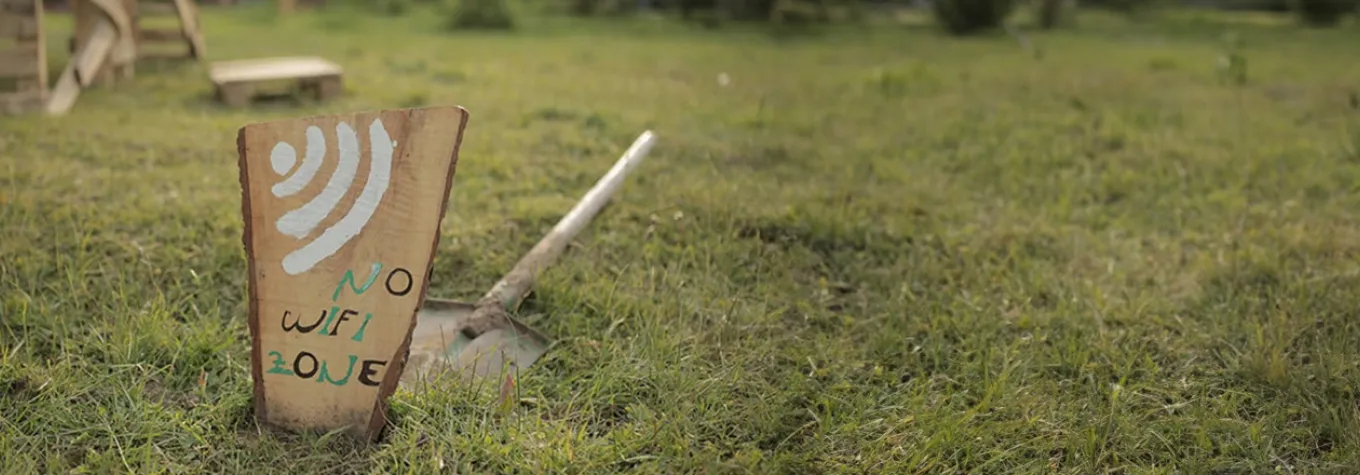
Campsite WiFi
Campsite WiFi can be somewhat patchy, with the upload and download speeds achieved on your pitch primarily determined by several factors. Rural sites are often booked to escape day-to-day life, but the surrounding area's infrastructure can lead to WiFi challenges on site.
Also, our own smartphone devices can work against us. Smartphones are often configured to upload fresh photos once a WiFi network is detected. In that case, the site’s WiFi network can come under pressure when fellow campers return to the caravan after a day spent sightseeing and snapping photos, which affects the wireless internet for caravan occupants.
Campsite WiFi could once keep pace with demand, but our internet consumption has changed. Rather than sending and receiving small amounts of data, caravanners often stream the latest TV series or reach for video-driven apps like Instagram or TikTok.
I’ve also seen several campsites with a ‘WiFi bench’ or similar, which is usually a garden seat close to the reception building. This may sound archaic, but the experience can be great. People often gravitate towards the bench with a drink or two, and before you know it, a solo WiFi experience has become something more social.
Using a MiFi device
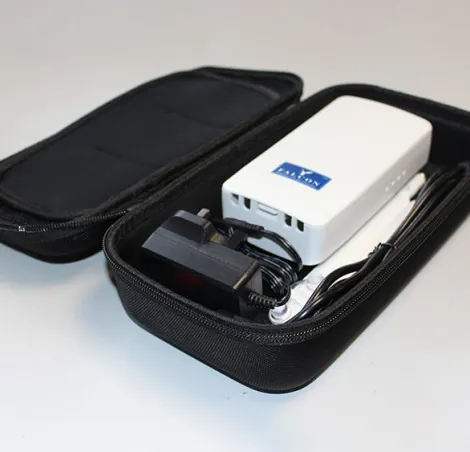
MiFi, short for 'my WiFi', is a portable wireless router that acts as a mobile hotspot. It allows users to create a local WiFi network that other devices such as smartphones, tablets, laptops, or gaming consoles can connect to, enabling internet access on the go. MiFi devices typically contain a SIM card slot and rely on a mobile phone network for signal.
To use a MiFi device, you’ll need to purchase a data plan. These plans have been tailored to the device, and many offer high amounts of data, or even unlimited data, for a set monthly fee.
MiFi devices have evolved over the years, with newer models offering faster data speeds, longer battery life, and additional features such as support for multiple frequency bands and advanced security options.
They can also be handy for longer trips if the kids get restless, as the MiFi unit can be put in the car, allowing them to stream a film, etc. They can work well, although, in my experience, the signal needs to be reasonable, and you have an ongoing monthly cost.
Searching for ‘mobile broadband’ often uncovers the latest MiFi offers, allowing you to get connected in your caravan.
Caravan WiFi router
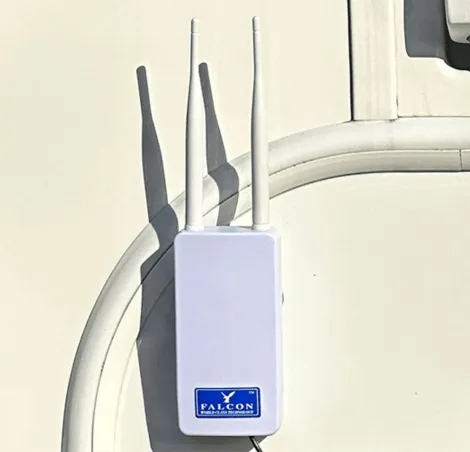
There are two types of caravan WiFi router: a booster that picks up free WiFi (much like the booster mentioned above) and those with SIMs built in that can boost the WiFi or switch to mobile networks to ensure the internet stays connected.
Both router types typically receive a signal from an external source, such as the campsite’s WiFi network, and then broadcast that signal wirelessly within the caravan, allowing multiple devices to connect to the internet simultaneously. For routers with SIM card functionality, the cellular network will only be used if the campsite Wi-Fi doesn’t meet your requirements, which can save money on data costs.
Aerial types may vary; some have directional aerials, while others are omnidirectional. As the name suggests, a directional aerial will require you to know from where the WiFi signal is broadcast, while an omnidirectional unit should pick up a signal anywhere within 360 degrees.
Caravan WiFi booster
A caravan WiFi signal booster is designed to enhance an existing WiFi wireless signal at the campsite.
These devices extend the WiFi’s range and improve its strength, allowing you to access the internet more reliably and, possibly, with better speed, even in areas where the signal is typically weak. These boosters usually consist of an antenna and amplifier, providing improved connectivity for users inside the caravan.
Once such a device is purchased, there are no monthly data costs as you only use an existing WiFi source. I’ve yet to try one, so I’m unsure how much it’ll transform a congested campsite WiFi network.
Tethering a mobile phone
Does your mobile phone have a hotspot function? If so, you can use it as a WiFi source for other devices. However, before you do so, be aware that streaming films and TV shows can use a significant amount of data, so you’ll need a sizeable data allowance. It can also deplete your battery quickly.
It was a go-to for us for many years, and we would regularly sacrifice a family member’s phone, attaching it to a charger before placing it at a high vantage point for maximum signal strength. This worked well up to a point, but streaming films or TV shows was often problematic thanks to signal drops or the phone feeling hot to the touch after prolonged use. It’s a great get-out-of-jail-free card but not the perfect solution for heavier use.
Caravan WiFi Unit
Caravan WiFi works similarly to your WiFi router at home, but it's specifically designed for use in a caravan. My caravan WiFi experience comes from an Avtex unit, which I’ve had for two years, although fitting and functionality may be broadly similar for other brands.
A fixed WiFi system is fitted to the roof, and a hole is drilled for the fixing stem and cable. The wires pass from the external aerial to a router, which is usually mounted in an upper cupboard or similar location. A 12V power source is then connected to the router. Because a hole is made in the roof, the WiFi unit must be fitted by an approved installer/dealer for any warranty to remain intact.
The Avtex unit has two SIM card slots, which allow you to toggle between networks if necessary. A Govivo SIM was supplied, which, at the time of writing, is £18.99 per month for unlimited UK data. It’s on a rolling monthly basis, so it can be halted via the website when not in use. The monthly fee also includes 25GB in Europe.
As installation is permanent, you’ll likely need to buy a new WiFi unit if you change your caravan.
As for use, it’s been amazing. Genuinely. I failed to see how it would outperform a tethered phone on the same network, but films could be streamed as though we were at home. In two years of use, it has only struggled on two campsites.
Things to consider
You’ll have to weigh up the cost and how much you want to use it. If you plan to stream TV a lot or use it for catching up with emails, then a more permanent solution maybe best.
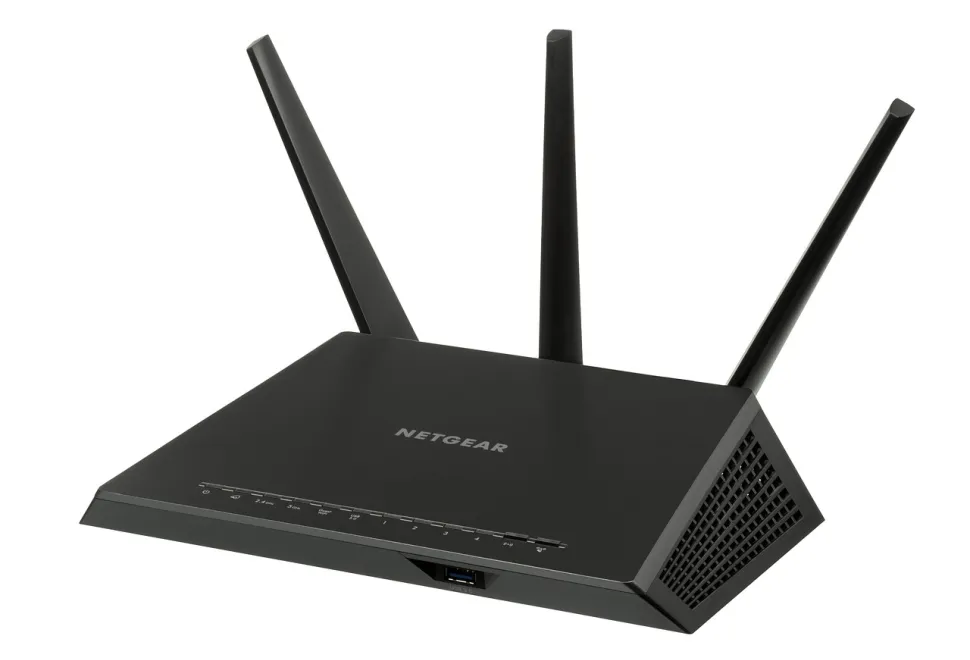
For example, a top-quality MiFi device from a company like Netgear could cost you around £300. However, a flexible router like Falcon’s 4G Combo that’s been designed with caravans in mind might be a better option. The antenna goes on the outside and is wired to the internal router, all of which can be placed where they are needed.
However, if your caravan internet demands are likely to be heavy due to a dependance on Netflix or if you’re travelling with kids and an Xbox, then a fully flexible and fitted system like Maxview’s Roam 5G Combo is likely to set you back £999.
Note that this system doubles up as a terrestrial TV aerial, saving space on the roof if you need to add solar panels – allowing you to camp away from hook-ups more regularly.
On the flip side, if your caravan internet demands are very light, you can buy dongles for around £30.
Just check out those GHz figures and the Mbps speeds. 150Mbps is about the norm for simple internet and emails, while Maxview claims its Roam 5G products can offer up to 2.1Gbps.
FAQs
-
How to get WiFi in a caravan?
Site WiFi or a tethered mobile phone may be suitable for light or occasional users, but heavier use is likely to require a dedicated WiFi unit powered by a data-heavy SIM plan.
-
What’s the best way to get internet in a static caravan?
Some static caravan parks have a WiFi service that covers the site, but if the service or signal is limited, a MiFi or caravan WiFi unit is likely to be the best option. If using a fixed WiFi system, you’ll likely need a specialist installer.
-
What is the best portable WiFi for a caravan?
If you’d like the unit itself to be portable, a MiFi system for your caravan is likely most suited to your needs.
-
What’s the cheapest way to get internet in a caravan?
WiFi is free at many campsites, or if you have a suitable data plan, using your phone’s hotspot can be an affordable way to surf the net.
-
How much does caravan internet cost?
Costs can vary depending on the type of system, with a dedicated caravan WiFi device being approximately £300. There are likely to be additional monthly charges for data.
Final thoughts
From personal experience, the amount of WiFi you use directly translates into how much you’re likely to spend on a WiFi unit.
Free campsite WiFi is incredibly handy, but should regular buffering turn a 90-minute film into a 3-hour ordeal, a dedicated unit can be a worthy investment.
Latest caravan articles


Explore our magazines
Enjoy expert tech help, travel and campsite inspiration, buying advice, reviews, and more with our best-selling magazines and guides.

Buying Your Perfect Caravan
Buying Your Perfect Caravan is the ultimate guide to finding your ideal caravan. From layouts and storage to finance, insurance, and essential kits, it has everything you need to make your dream caravan adventure a reality.

Caravan magazine
Caravan magazine is perfect for caravan enthusiasts. Make the most of your caravan lifestyle with expert advice, unforgettable road trips, must-see attractions and top maintenance tips to keep your ‘van adventure ready.


