
Caravan solar panels: all you need to know
Caravan solar panels: all you need to know
This page contains outdated information. Please see the updated article here.
Caravans need connecting to power – that's a no-brainer. What if you didn't need to be tethered to an electric hook-up, though?
Fitting solar panels to your caravan can free you from the electric hook-up cable by harnessing power directly from the sun. Not only can this save money on pitch fees, but this free renewable energy source can unlock a wider selection of sites, pitches, and rallies.
Fitting solar panels to your caravan is a worthy investment, but which type is best for caravanning, and what size solar panel do you need?
What are caravan solar panels?
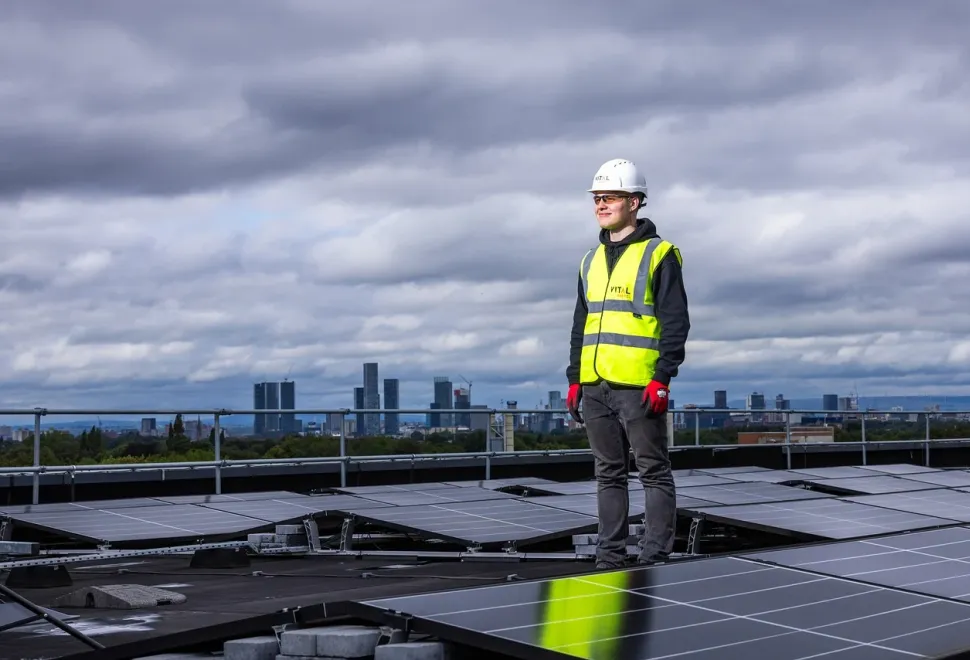
Solar panels for caravans are similar to those for homes, except they are smaller, lighter, and designed for leisure use.
The two main factors to consider are the wattage of the panel and the type of solar panel required. A 100W panel is popular among caravanners, with many opting for this size due to its weight, dimensions, and power. Folks who tend to consume more energy when on holiday or those who choose to enjoy longer stays can purchase a larger-capacity solar panel. As for panel type, roof-mounted and suitcase-style set-ups are the most popular.
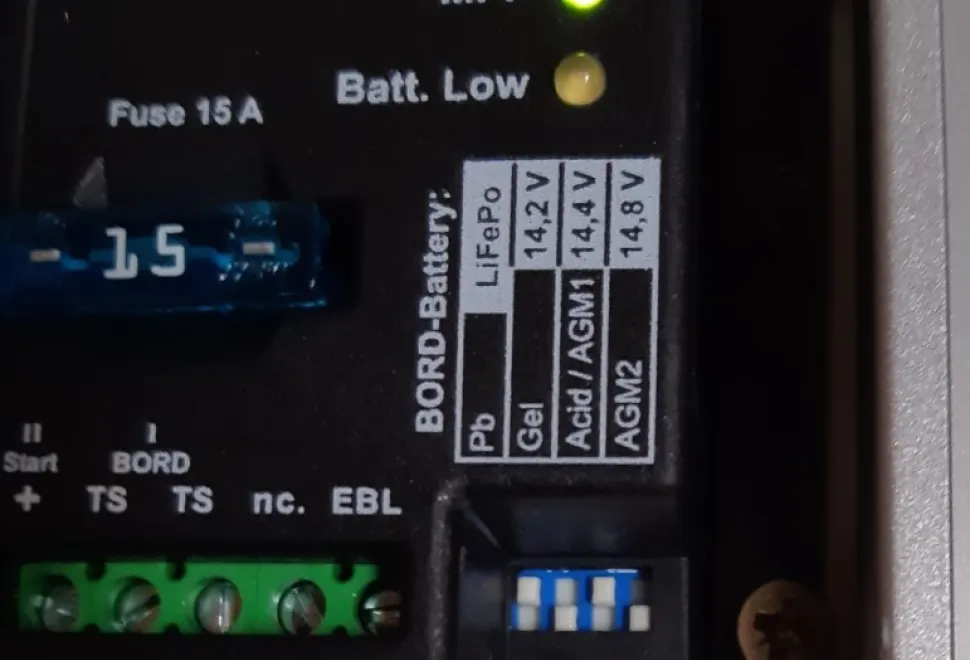
The three main components of a solar panel kit are the solar panel, the charge controller (often referred to as the regulator), and the associated wiring. The solar panel creates the power, and the charge controller regulates how much power goes to the battery. The battery is then charged. A charge controller is required as the leisure battery is likely 12V, whereas solar panels tend to generate 17V-18V.
How do solar panels work?
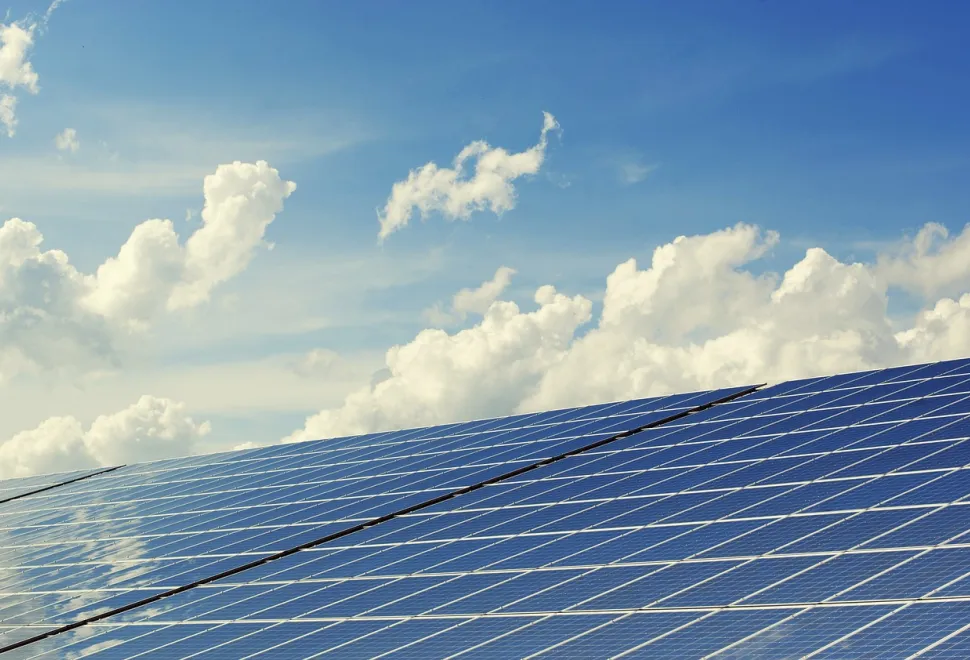
Let's talk about photovoltaic solar panels – they're like superheroes with a silicon shield. When sunlight touches them, magic happens. Photons and electrons start a lively dance, generating DC electric current. This power is harnessed, regulated by a controller, and delivered to your leisure battery.
Different types of caravan solar panels
Currently, two main types of solar panels are available – thin film and crystalline.
Thin film solar panels are made by coating a surface with a semiconductor material layer, resembling the silvering on a mirror. They usually have a lifespan of around ten years, shorter than crystalline panels, although technological advances suggest they may soon match the twenty-year durability of crystalline panels. Thin film panels are typically more cost-effective.
There are two types of crystalline panels: mono-crystalline and poly-crystalline. As the name suggests, mono panels comprise a single silicon crystal, whereas poly panels are made from fragments. Mono-crystalline panels offer greater efficiency, although this comes at an increased cost. Generally, mono panels have black-coloured cells, whereas poly cells are blue.
Types of solar panels: roof-mounted or free-standing?
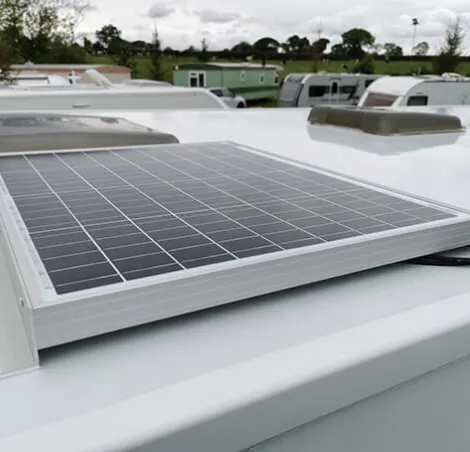
Roof-mounted solar panels can either be rigid or flexible, and I have fitted both types. A caravan’s flat roof offers optimal sun exposure, and with the panel permanently fitted to the roof, it’s always ready to charge your leisure battery. The only drawback is weight, as 10kg (or so) is added to your caravan when fitted. Semi-regular cleaning of roof-mounted panels is necessary, as dirt or bird-dropping accumulation can hinder performance.
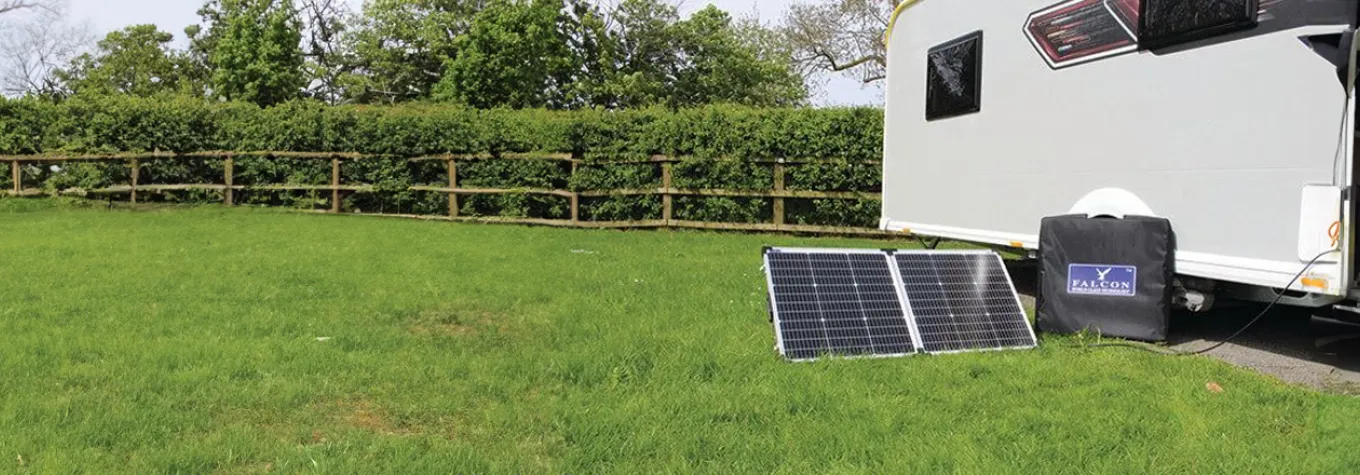
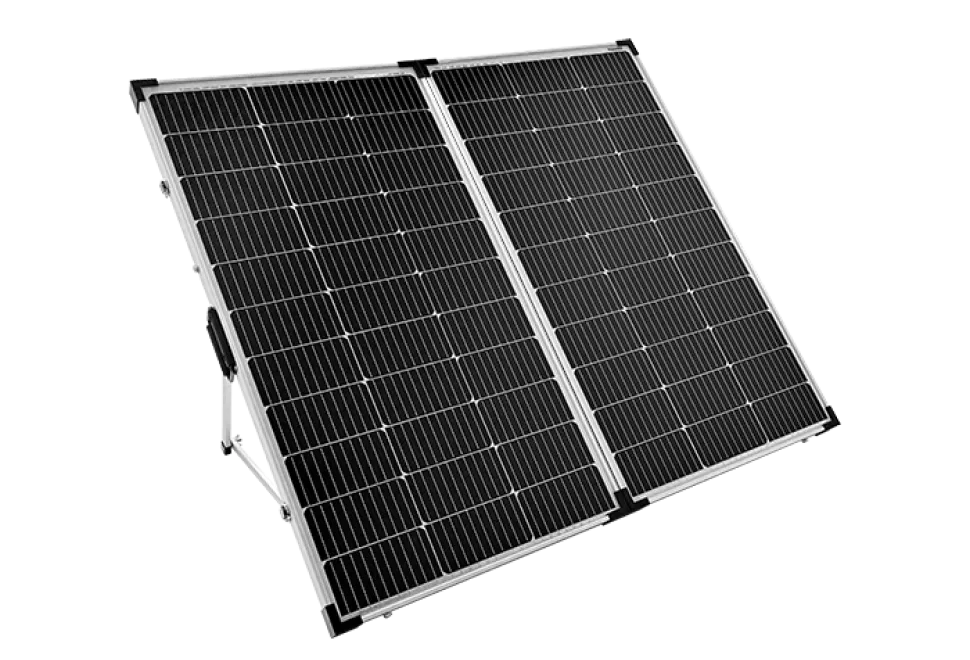
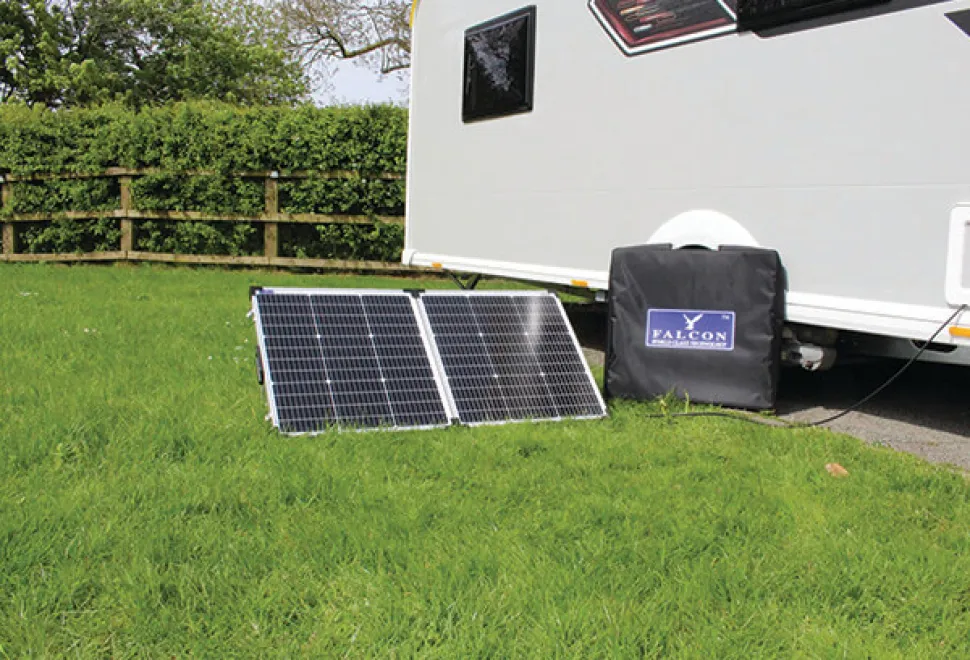
Free-standing portable panels offer versatility for various uses. Typically, they are sited on the ground and consist of two hinged panels that fold neatly into a suitcase-style unit. Output can range from 30W to 200W, depending on the type purchased. They can be repositioned throughout the day to optimise sun exposure for peak efficiency. They are easy to store and can be used only when required.
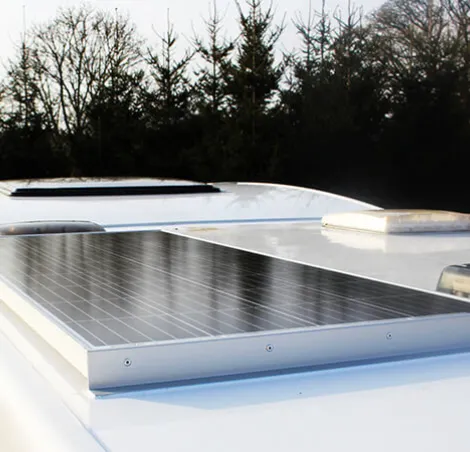
What size solar panel do I need for my caravan?
Most caravan solar panels tend to be between 100W and 150W, although it's possible to fit smaller or larger panels. The examples below are based on a 100W solar panel:
Summer: With five hours of sunshine, a 100W panel could generate 500Wh (watt-hours) of electricity daily. This equates to a daily charge of 41Ah (amp-hours) delivered to your leisure battery.
Winter: With the sun being lower in the sky and less likely to be visible, a 100W solar panel may only deliver 100Wh during the day. There are many variables here, but using this figure as an example, your battery would receive a charge of 8.2Ah.
Caravan solar panel installation
A confident DIYer can fit a solar panel and charge controller to their caravan. However, it's worth noting that if work is carried out by anyone other than an approved installer, fitment could invalidate the caravan manufacturer's warranty (if still in place).
In essence, the solar panel is fixed to the roof, either by screwing it into position or bonding it with a specialist adhesive. The output cable is then passed through the roof via a drilled hole and cable entry gland to the charge controller. Wiring from the charge controller delivers a 12V supply to the leisure battery.
Free-standing suitcase-type solar panels are somewhat easier to 'fit' as they unfold and rest on the ground or lean against the caravan, hitch, etc. The battery is usually charged via crocodile clips attached to the terminals.
Calculate your power usage
Here are the top 3 ways you can calculate your power usage.
1.
List the electrical devices in your caravan and calculate their power usage in watts. You can typically find this information on the appliance's label or within the user manual. If the device indicates its current draw in amps, you can work out the wattage by multiplying the amps by the voltage of your caravan's electrical system, typically 12V.
2.
Estimate how many hours you will use each appliance daily. Calculate energy usage by multiplying the appliance's wattage by daily usage hours. This gives the total energy consumption in watt-hours (Wh).
3.
For example, Truma’s Combi 4 E heating system uses an average of 1.2A when 12V is selected on the control panel. 1.2A x 12V = 14.4W. Using the heating for three hours will use 43.2Wh of power.
Pros and cons of caravan solar panels
Pros:
- Cheaper pitch fees when using your own electricity
- A greater choice of sites and pitches
- Reduces your carbon footprint
- Keeps your battery healthier with constant charge
- Nice and quiet (compared to generators)
- It can last for years
Cons:
- Relatively high initial outlay
- Energy generation may fluctuate depending on the weather and the time of year
- Potential security risks if using free-standing panels
Final thoughts
A solar panel system can be relatively expensive, but the kit should be considered an investment. Unlike a generator, they are silent in use, and the energy is free, although they won’t provide the user with 230V electricity unless an inverter is also purchased. However, once in place, sites and pitches without electric hook-up can be booked with a degree of abandon, which can save a surprising amount of money. Solar is also the perfect partner for caravanners who wish to spend time at a rally or two.
Latest caravan articles
Explore our magazines
Enjoy expert tech help, travel and campsite inspiration, buying advice, reviews, and more with our best-selling magazines and guides.

Buying Your Perfect Caravan
Buying Your Perfect Caravan is the ultimate guide to finding your ideal caravan. From layouts and storage to finance, insurance, and essential kits, it has everything you need to make your dream caravan adventure a reality.

Caravan magazine
Caravan magazine is perfect for caravan enthusiasts. Make the most of your caravan lifestyle with expert advice, unforgettable road trips, must-see attractions and top maintenance tips to keep your ‘van adventure ready.


