
10 rookie camping mistakes and how to avoid them
Camping trips are a great way to spend time together as a family and enjoy the great outdoors.
But whether you’re a beginner or a veteran camper, things can go wrong. Over many years of camping, I’ve managed to make loads of mistakes and ,when accidents do happen, you can end up looking a bit silly. Even worse, that family holiday you’ve been looking forward to for months might end up ruined.
But never fear, we’re here to help. We’ve put together a list of the most common camping cock-ups along with useful tips on how to avoid them. Follow our advice to enjoy trouble-free camping trips!

Iain Duff Content Editor: Campervan/Camping
Iain Duff Content Editor: Campervan/Camping
1. Choosing the wrong tent
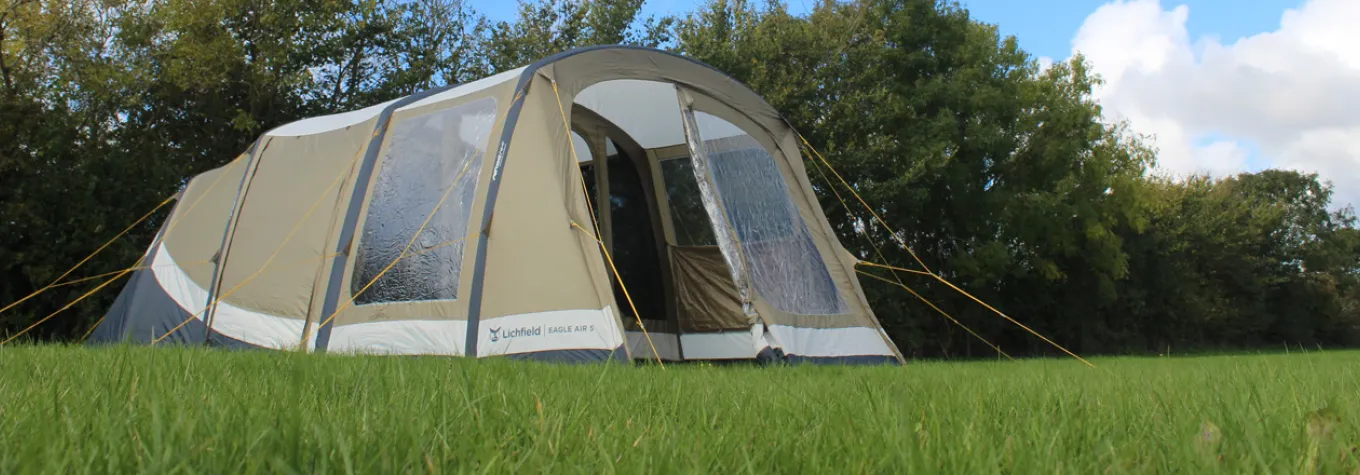
A tent is just a tent, isn’t it? Well, no, actually it’s not. There are a huge variety of camping tents out there in all sorts of different sizes and styles, and it’s important to make sure you choose the type that suits your style of camping adventure.
For a family camping holiday you’ll probably want a tent with separate bedrooms and living space, so you can settle the kids early and still have somewhere to relax and enjoy a glass of wine in the evening. And unless you particularly enjoy crawling around on all fours, a tent with headroom is a must. Buying a really cheap supermarket tent might be tempting – but you’ll regret it when everyone wakes up in a puddle of rainwater during a heavy downpour, or in the worst-case scenario, a tangle of broken poles and ripped fabric.
A visit from the local wildlife in the middle of the night is no one’s idea of fun. To avoid it, get a model with a badger-proof, enclosed groundsheet.
The important thing is to do your research – set a budget and make a list of what you need and see what fits the bill.

Pick up high-quality camping gear
One of the easiest ways to avoid camping blunders is to invest in high-quality gear that isn't going to let you down. The best place to find it is the Out & About Shop, which features kit tried and tested by our expert editors, so you can trust that it's going to perform when you need it to.
2. Not doing a practice pitch before you go
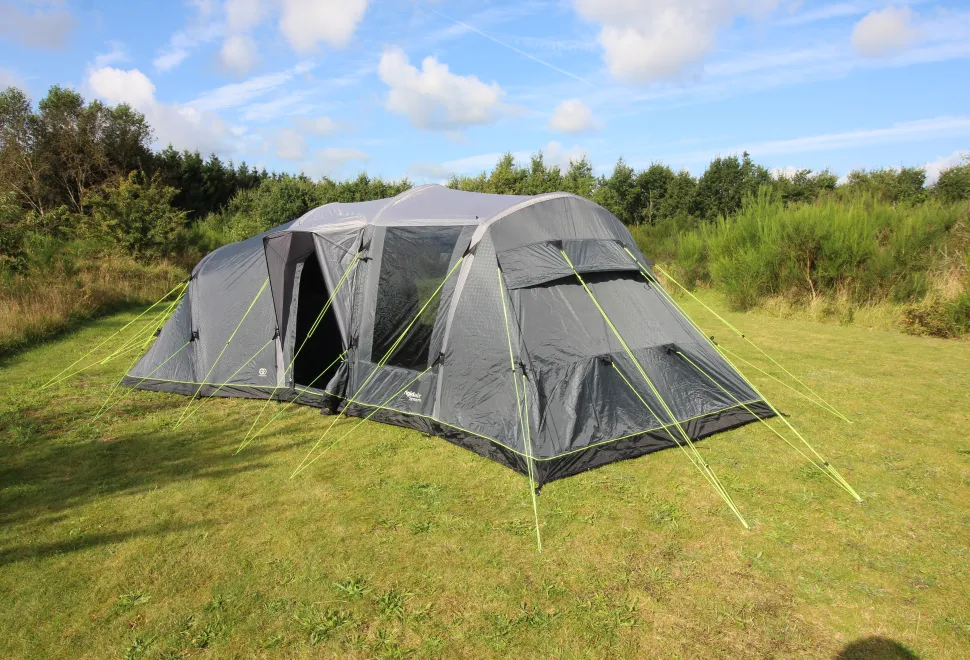
The golden rule of camping is to always practise pitching a new tent at home before you take it to the campsite. As my wife and I discovered, what you definitely shouldn’t do is try to put up a complicated new tent for the first time after a five-hour drive across Europe, especially if the temperature is in the high 20s and you’ve arranged to meet up with family in half an hour. Surprisingly, it turns out that things can get rather fraught in those circumstances, particularly if the instructions with the tent aren’t quite as clear as you’d like them to be.
While watching befuddled campers losing it as they struggle to pitch their tent is always good fun, it’s not so enjoyable if you are one of said befuddled campers.
The best way to avoid being the campsite entertainment is to make sure you acquaint yourself with the pitching instructions in advance and have a trial run in the back garden before you take it to the campsite, so you know what you’re doing.
3. Failing to book a pitch in summer
Tempting as it is to throw everything in the back of the car on a sunny Saturday morning and head to the coast for an impromptu summer holiday, your plans will quickly come unstuck when you discover that there are no pitches available. Anywhere. Because, in the height of summer it’s almost impossible to find a campsite without booking in advance, especially in the popular areas like Cornwall, the Lake District and north Wales. So, unless you fancy sleeping in the car in a layby on the A30 (and, to be fair, some people actually do), you’ll need to book a site nice and early. It's never too early to book – some people reserve their spot for next year before they've finished this year's holiday!
4. Not pegging down your tent properly
Those guylines are such a faff. You’ve got the tent standing perfectly, and it feels nice and sturdy. There’s no point fiddling around untying the ropes and pegging them out, is there? The sky is clear and there’s barely a breeze in the air. What could possibly go wrong? Well, the British weather for a start. Many is the time I’ve settled down for the night in perfect conditions, only to be woken up at 3am to the tent being buffeted by what feels like a force 10 gale. Next morning, the campsite is a polyester and fibreglass disaster zone – and you can bet that all of the owners of the destroyed tents decided not to peg out their guylines. It only takes five minutes, but it could save your holiday.
5. Pushing pegs in with your feet
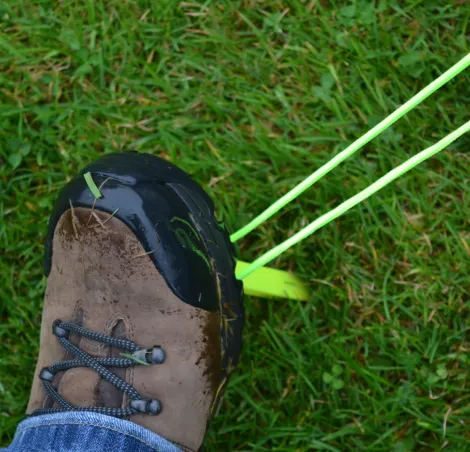
Campsites aren’t dangerous places. A little common sense and consideration go a long way to avoiding problems on site. But shortcuts can often result in problems. Don’t be like one of my campsite neighbours who spent the first night of his holiday in the A&E department at Dorset County Hospital with a metal peg stuck into his foot. He’d decided to push the pegs in with his feet – and one pierced through the sole of his trainers and caused a nasty injury. Don’t risk it, just use a mallet.
6. Failing to check and test your camping gear
To avoid nasty surprises on the campsite, make sure you check your tent and test all your equipment at the start of the new camping season – well in advance of your first trip. Even if you carefully repaired and cleaned everything before winter, it’s worth checking your tent for any holes, tears, mould, mildew, seam strains or any other signs of wear you might have missed. Repair or replace dodgy pegs, guylines, poles, buckles and elastics.
Check the stove burners are clean and undamaged and ensure all the fittings are tight. Fix the Jubilee clips on the gas hose and regulator and give everything another good clean for luck. Give pots and crockery a good scrub and check the batteries in your torches and lanterns are working.
7. Bringing too much
From carpets to air-conditioning units, you can buy just about anything to make tent living easier and more comfortable. But the reality is that most car boots simply aren’t big enough to cope with the amount of kit you might want to take on a fortnight’s holiday for a family of four.
Before you know it, you find yourself cramming kit in around the kids in the back seat (not recommended), then investing in a roof box and eventually buying a trailer. And then when you get to the campsite, most of it sits unused in the tent until the end of the holiday, when it all gets packed back into the car and taken home. Save yourself all this unnecessary hassle (and expense) by making a list of the essential kit you’ll need, and leaving the non-essentials at home (or on the shop shelves).
8. Forgetting your pump/hook-up/tent pegs/tent!
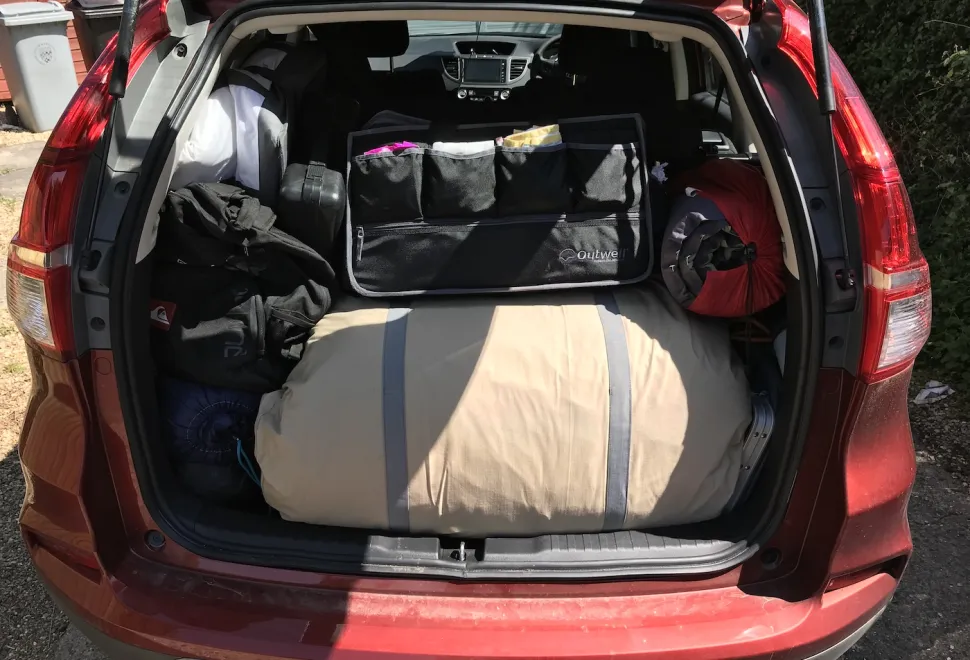
Much to my embarassment, I’m guilty of all of these common mistakes, and believe me, it doesn’t do your credibility as a so-called camping expert (or a parent, for that matter) much good. This is where a checklist comes into its own again… And while we’re on the subject of packing, think about which bits of kit you are going to need first at the other end and pack these last. Ideally, the tent wants to be nearest the boot entrance so you can reach it without unpacking everything else.
9. Cooking inside your tent
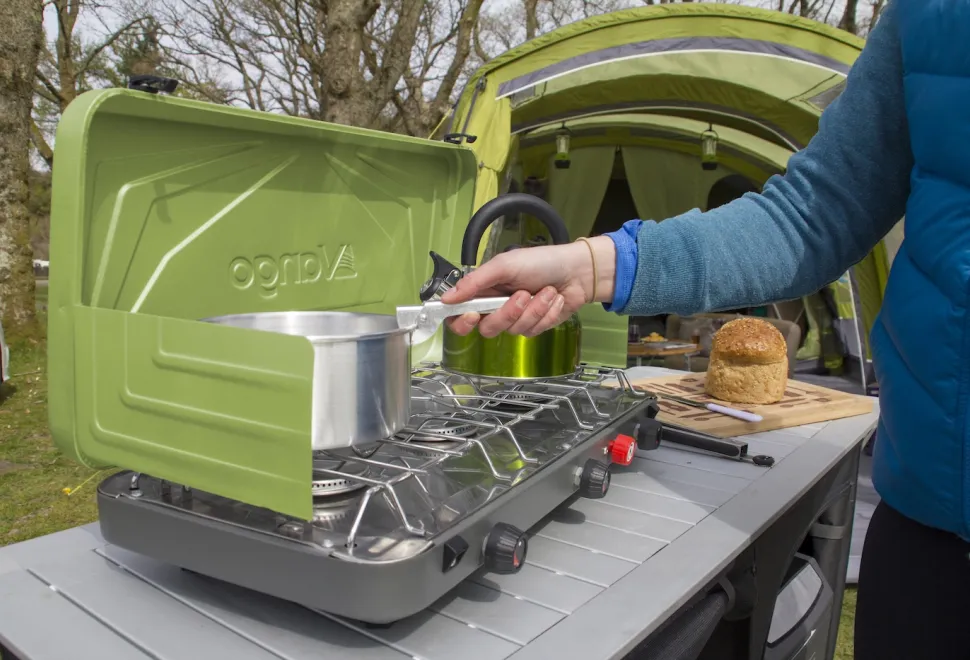
For convenience, you cannot beat cooking on gas but, if you have hook-up, an electric stove is a clean and safe alternative. Either way, cooking inside your tent is not a good idea – not only does it make your tent smell, but kids could knock over a hot pan and there is the risk of fire, especially when cooking with an open flame. Carbon monoxide poisoning is also a real danger, when using gas indoors. If the weather allows it, cook outdoors or in the front porch area of your tent.
10. Overloading the electrics
For some people, electric hook-up defeats the whole point of camping, while others want all the comforts of home, including electrical appliances. You can’t just rock up on the campsite with all your domestic appliances and expect to plug them straight in, though. They’re not designed for outdoor use and you could overload the system and cause a power cut. Likewise, don’t overload your socket box. Use only one appliance per socket and adaptors are a definite no-no.
Generally the hook-up supply on a campsite is much less than the mains supply to a house, and this will restrict the number of appliances you can use at one time. A small camping kettle, for example, can be used on most sites but domestic kettles aren’t advisable.
You also need to consider the combination of appliances you are using. A kettle may use 8.3A and a fan heater 4.2A. Use these together and you will trip a 10A supply, making you extremely unpopular on the campsite!
Latest camping articles

Next Shows

The Norfolk Motorhome & Campervan Show 17th - 19th July 2026
Join The Norfolk Motorhome & Campervan Show, 17-19 July 2026, for the Out & About Live Summer Party! Explore motorhomes, live demos, an...

Retro Festival 7th - 9th August 2026
Retro Festival celebrates timeless hits, vintage vehicles, fashion shows, and fairground fun.

The Western Motorhome & Campervan Show 21st - 23rd August 2026
Join The Western Motorhome & Campervan Show in Malvern, 21-23 August 2026, for live country music, 450+ motorhomes, and a weekend of ca...