
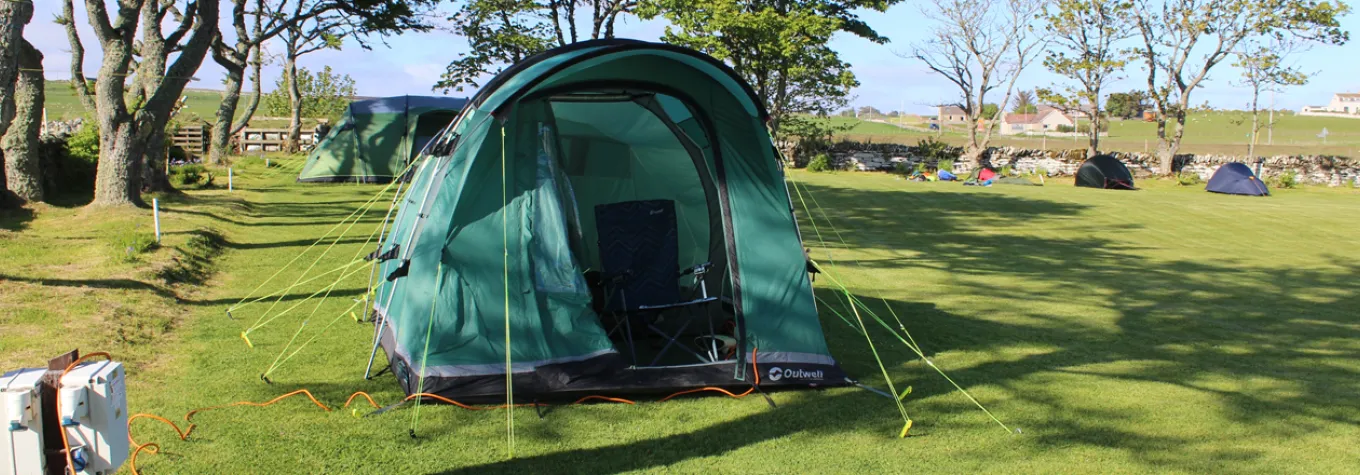
How to use electric hook-up on the campsite
Camping electric hook-up: a complete guide
When it comes to camping, the convenience of electricity can significantly enhance your outdoor experience. Electric hook-up, also known as EHU, allows campers to use various electrical appliances like cookers, heaters, lighting, and even TVs inside their tents
In this guide, we'll explore how electric hook-up works, what you need for a safe set-up, the appliances you can use, and tips for camping with electric hook-up.
Whether you're a seasoned camper or new to the idea of using electricity on campsites, read on to make the most of this convenient camping amenity.

Iain Duff Content Editor: Campervan/Camping
Iain Duff Content Editor: Campervan/Camping
What is electric hook-up for camping?
For some people, camping means going completely off-grid. But many family campers want to enjoy the great outdoors without leaving behind the comforts of home.
Electric hook-up is a service offered by campsites that allows campers to access electrical power for their tents. This means you can bring the domestic conveniences, such as cookers, heaters, lighting or even TVs, to your camping adventure without fully disconnecting from modern amenities. To use electric hook-up, you'll need specialist plugs, leads, and sockets designed specifically for camping.
Additionally, you must connect your equipment to an electric hook-up post provided on the campsite. With this guide, we'll explain how to safely and efficiently use electric hook-up during your camping trip.
How does electric hook-up work?
Once you've chosen a campsite that offers electric hook-up for tents, you'll find pitches equipped with electric hook-up posts. Most big campsites – and many smaller campsites – have hook-up pitches for tents. The electric hook-up posts typically have multiple connection points, usually ranging from one to four, each serving one pitch. To get started, connect your electric hook-up cable to the mains point on the hook-up post.
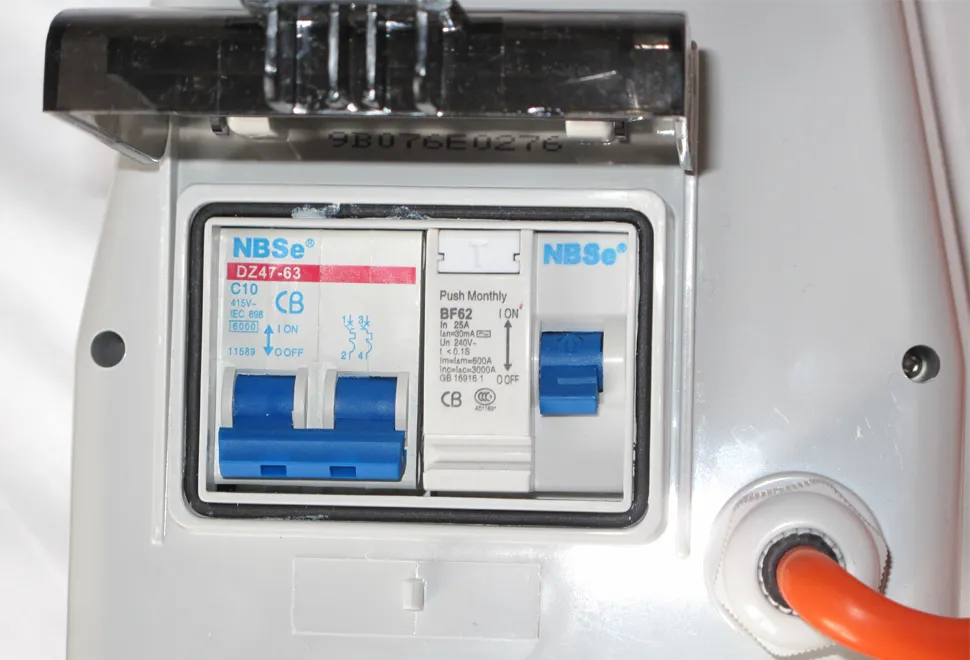
The other end of the cable features a damp-proof box containing one or multiple 13A sockets, and some may even include USB sockets. An RCD safety mechanism is also incorporated to cut off the supply in case of emergencies. It's essential to note that standard domestic extension cables are not suitable for camping use.
To use electric hook-up on your camping trip, you'll need to purchase an orange electric hook-up cable from your local outdoor store. These cables typically cost between £30 and £50. One end of the cable features a weatherproof plug (usually blue) that connects to the pitch's hook-up post.
The other end is equipped with a damp-proof box containing one or multiple 13A sockets and, in some cases, USB sockets. This box also includes the vital RCD safety mechanism. Ensure you have the correct equipment to guarantee a safe and enjoyable camping experience.
How to use electric hook-up when camping
When setting up your electric hook-up, check if your tent has a cable entry point. If not, carefully run the cable under the flysheet or through the front or side door, ensuring it's tucked away to avoid becoming a trip hazard. Since water and electricity don't mix well, always keep the socket box off the tent floor and away from the edges.
You can invest in specialised stands for this purpose or simply place it on a table or an upturned plastic crate. By following these precautions, you'll create a safe and comfortable electrical set-up inside your tent.
-
What electric appliances can I use on the campsite?
Different campsites offer varying sizes of electrical supply, ranging from 5A to 16A. It's crucial to note that the total wattage of electrical appliances being used simultaneously should not exceed the electrical supply's capacity, as it may lead to an overload. To avoid this, stick to using low-wattage equipment specifically designed for camping and avoid using regular domestic appliances in your tent.
If you decide to use an appliance that is close to the maximum for the site’s electric supply, make sure you unplug everything else while it is in use.
-
Can I use a standard UK electric hook-up unit on the Continent?
Many campsites across Europe now utilise the same blue plug found in the UK, enabling you to use your UK electric hook-up during your travels. However, some campsites on the Continent still use the European two-pin plug and socket, requiring an adaptor for your cable.
These adaptors can be rented at the campsite or purchased beforehand, typically costing around £10. Always check the plug type at your destination to be prepared for a seamless camping experience.
Electric hook-up safety advice
To ensure your safety while using electric hook-up, follow these essential tips:
- Test the circuit breaker and use a mains tester before use
- If conditions inside the tent get damp due to condensation or ingress, immediately stop using the electricity, unplug the appliances, and replace the covers over the sockets
- Keep trailing cables out of the way to prevent trip hazards
- Never leave electrical equipment switched on or plugged in when leaving the tent unoccupied.
- Keep your hook-up equipment elevated off the ground
- Avoid coiling the cable during use to prevent heat generation and potential fire hazards
- Use only low-wattage camping equipment and avoid using domestic cables, plugs, or appliances
- Do not overload your socket box; use only one appliance per socket, and avoid using adaptors
- Report any problems with your electricity supply to the site management immediately
Final thoughts
Using electric hook-up on campsites can significantly enhance the comfort and convenience of your camping experience. By adhering to safety guidelines and using the right equipment, you can enjoy various electrical appliances in your tent while still connecting with nature.
So, whether you're preparing meals, staying warm, or simply charging your devices, electric hook-up makes camping life more enjoyable and accessible for all.
Latest camping articles

Next Shows

The Big Land Rover Fest 11th - 12th July 2026
Experience The Big Land Rover Fest – a weekend of off-roading, live music, club displays and family fun at Newbury Showground, 11–12 Ju...

The Norfolk Motorhome & Campervan Show 17th - 19th July 2026
Join The Norfolk Motorhome & Campervan Show, 17-19 July 2026, for the Out & About Live Summer Party! Explore motorhomes, live demos, an...

Retro Festival 7th - 9th August 2026
Retro Festival celebrates timeless hits, vintage vehicles, fashion shows, and fairground fun.