

Camping gas: how to use gas on the campsite
Camping gas: how to use gas on the campsite
An essential part of camping for most people is cooking, and many campers opt for the convenience and efficiency of camping gas.
In this guide, we'll explore everything you need to know about camping gas in the UK, from choosing the right type of gas cylinder to safely connecting it to your camping equipment.

Iain Duff Content Editor: Campervan/Camping
Iain Duff Content Editor: Campervan/Camping
What is camping gas?
Camping gas is a versatile and efficient fuel source for various camping appliances, including stoves, heaters, fridges, and more.
It's a reliable choice for cooking and heating during your outdoor adventures in the UK.
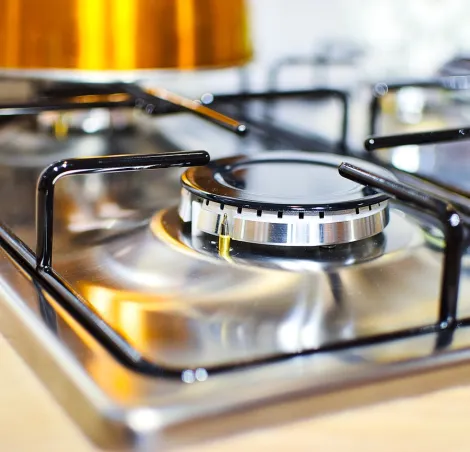
Camping with gas: How to use gas on the campsite
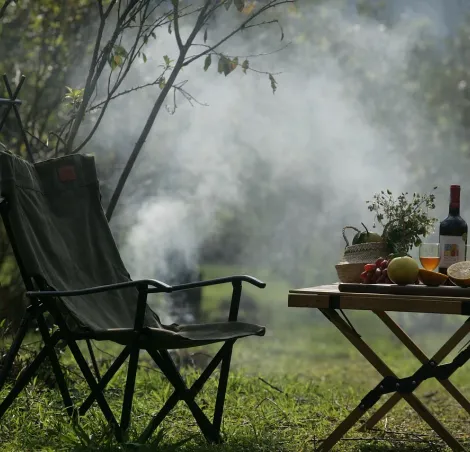
What type of gas do I need for my stove?
Camping stoves are an essential part of your camping kit. They come in a variety of different styles, sizes and fuel types, all with different benefits depending on the type of trip you’re planning.
For more information, read our guide to camping stoves.
The type of gas that you will need to power your camping stove will vary depending on the brand and type, and you will need to ensure that you purchase the correct gas for your specific stove.
You have a choice of butane, propane or a mixture of both, either in a cartridge or cylinder. Butane and propane are liquefied petroleum gases (LPG), and, although they have different properties, many appliances can be used with either without any problem as long as you have the correct regulator.
Propane or butane?
Propane can be used in colder temperatures without compromising on performance – which makes it useful for winter and high-altitude camping.
Butane burns more efficiently than propane and is slightly cheaper so it can work out better value for money.
The downside is its poor performance in colder weather, with problems starting when the temperature drops below 5°C.
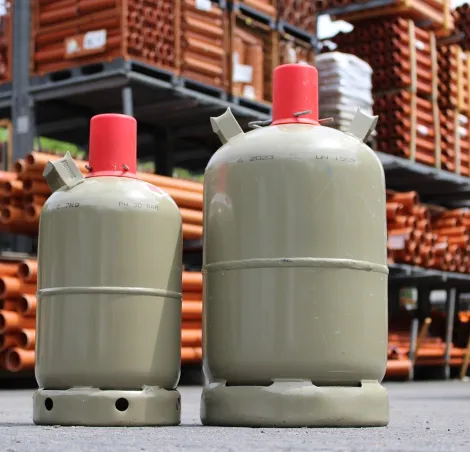
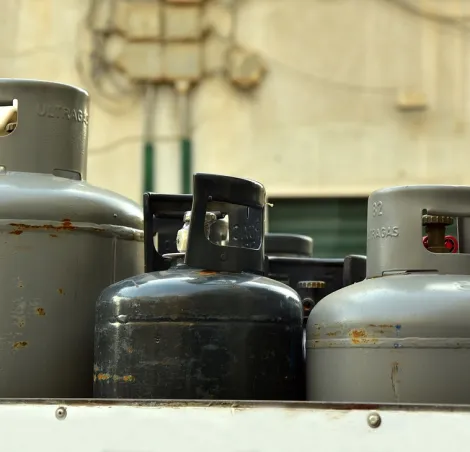
Types of gas canister
Refillable gas bottles
For larger camping appliances like double-burner stoves and gas barbecues, refillable gas bottles are a popular choice. Leading brands such as Campingaz and Calor Gas offer these bottles, available in both butane and propane variants.
Ensure you select the correct regulator for your gas bottle, which is usually sold separately. While refillable gas bottles are cost-effective for extended family camping trips, remember that they are bulkier than gas cartridges.
Types of gas canister
Disposable gas cartridges
Disposable gas cartridges are a lightweight and affordable option, ideal for shorter camping getaways or backpacking adventures.
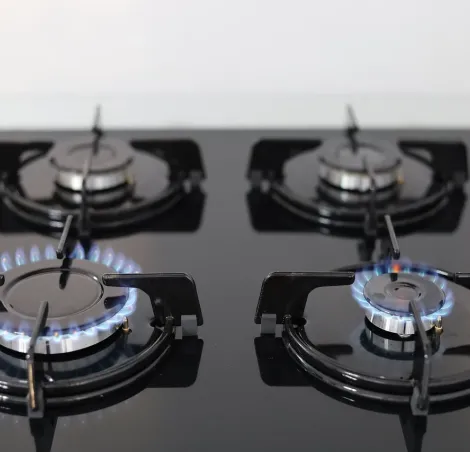
Several types of disposable gas cartridges are available, including threaded, click-on, pierceable, and aerosol-style cans.

Types of gas canister
Threaded gas cartridges
These cartridges attach to your stove with a metal hose or screw directly onto the cooker.
They are lightweight, self-sealing when disconnected, and compatible with various appliances
Types of gas canister
Click-on gas cartridges
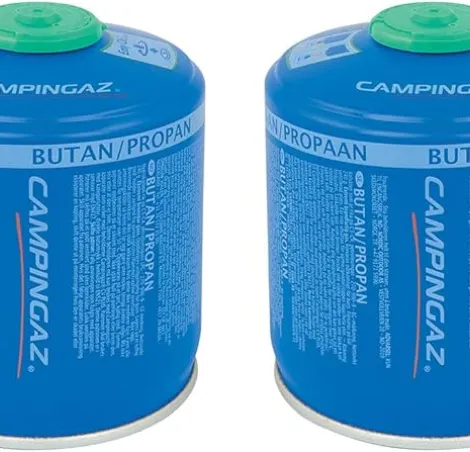
Campingaz CV Plus cartridges work exclusively with Campingaz Easy Clic Plus appliances.
They feature a unique connection method, providing ease of use but limited compatibility with other brands.
Types of gas canister
Pierceable gas cartridges
This budget-friendly option attaches to specific stoves but cannot be removed until empty, making them less practical.
Types of gas canister
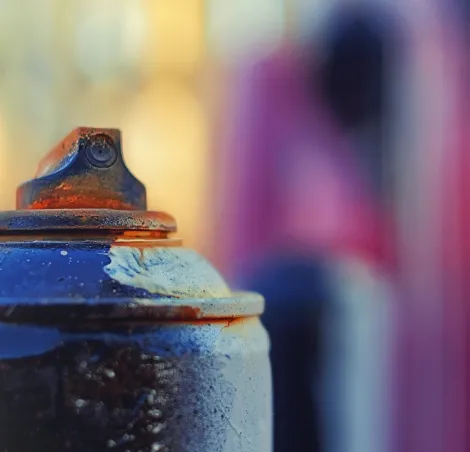
Aerosol-style gas cartridges
Resembling aerosol cans, these cartridges lock into place, can be easily changed, and are suitable for single-burner stoves.
Types of gas canister
Other camping fuel options
In addition to gas, alternatives like alcohol, methylated spirits, unleaded petrol, and aviation fuel can be used in some cookers for more extended trips, especially in cold climates.
However, these alternatives are less common for family camping.
How to choose and use gas regulators
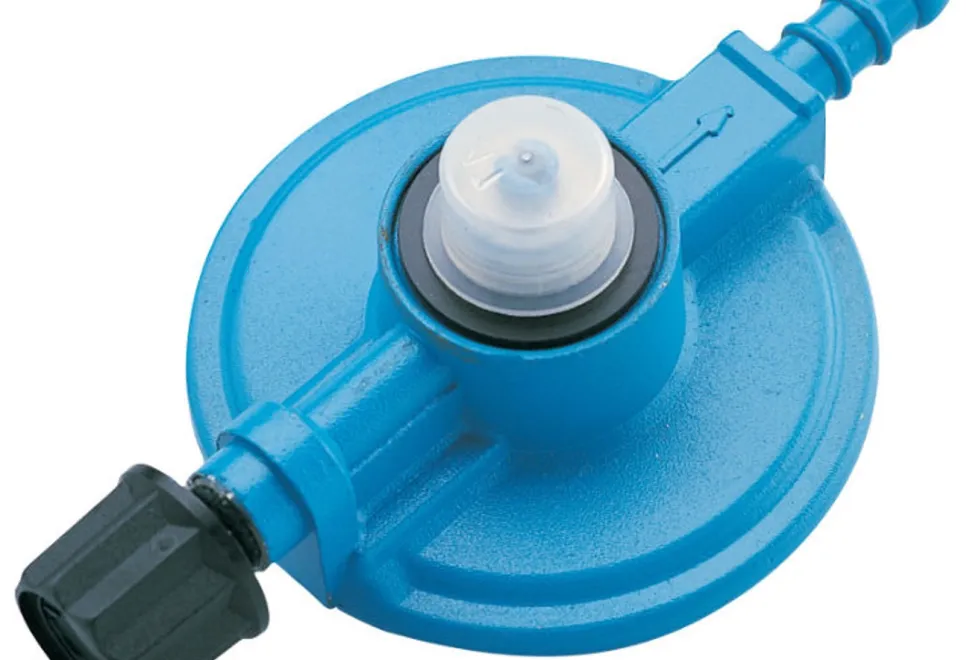
Gas regulators are crucial for controlling the flow of gas from the bottle to your camping equipment.
Different LPG suppliers and types require specific regulators, so consult your gas supplier or retailer to ensure you choose the right one.
In the UK, gas hoses are manufactured to British Standard 3212 and should be replaced every three to four years. It's important to fit the hose to the regulator first, as it's easier to handle.
How to connect gas
Connecting gas is a straightforward process, but it requires care and precision:
- Attach the hose: Fit the hose to the regulator first, using washing-up liquid on the gas pipes to make the process easier.
- Secure the hose: Ensure the hose is on the pipe as far as it will go before tightening the retainer clips.
- Use Jubilee clips: Always use clips to attach the hose securely to your camping equipment.
Where to buy gas in the UK
You can find camping gas at various retailers, including outdoor stores, camping supply shops, and even some supermarkets.
When purchasing gas, make sure to stock up on the correct type of gas and any necessary regulators.
Where to store gas
Safety is paramount when it comes to storage.
Always store gas bottles in an upright position, away from heat sources, and in well-ventilated areas.
Avoid changing gas bottles in enclosed spaces and disconnect them when travelling.
How long does gas last?
The longevity of camping gas depends on the frequency and duration of use.
Larger bottles typically last longer, making them suitable for extended family camping trips.
However, disposable cartridges are ideal for shorter adventures.
How to dispose of gas canisters
When your gas canister is empty, don't attempt to refill it.
Instead, return it to your local retailer for an exchange.
Proper disposal of gas canisters is crucial to ensure safety and environmental responsibility.
Camping gas safety
Camping gas is generally safe when used correctly, but it's essential to follow safety guidelines:
- Avoid cooking inside tents; ensure well-ventilated cooking areas
- Change bottles and cylinders in the open air
- Turn off cylinders at the valve when travelling
- Never attempt to refill a gas cylinder
- Don't use a naked flame to check for leaks
- Regularly inspect hoses and hose clamps for signs of wear and tear
- Consider using a carbon monoxide alarm
- If in doubt, seek expert help

Final thoughts
In conclusion, camping with gas can enhance your outdoor experience by providing a reliable and efficient way to cook and stay warm.
By choosing the right type of gas, regulator, and camping equipment, and following safety guidelines, you can enjoy delicious meals and cosy evenings, making your camping trip truly memorable. Stay safe, enjoy the great outdoors, and happy camping!
Latest camping articles


Next Shows

The Big Land Rover Fest 11th - 12th July 2026
Experience The Big Land Rover Fest – a weekend of off-roading, live music, club displays and family fun at Newbury Showground, 11–12 Ju...

The Norfolk Motorhome & Campervan Show 17th - 19th July 2026
Join The Norfolk Motorhome & Campervan Show, 17-19 July 2026, for the Out & About Live Summer Party! Explore motorhomes, live demos, an...

Retro Festival 7th - 9th August 2026
Retro Festival celebrates timeless hits, vintage vehicles, fashion shows, and fairground fun.