
Electric campervans: all you need to know
Electric campervans: all you need to know
Despite the Government delaying a ban on selling new internal combustion engine cars and vans from 2030 to 2035, electric vehicles remain the future. So where does that leave campervans – and more importantly, what about the here and now?
So far, the electric campervan scene has been limited by the lack of many suitable base vehicles but that seems to be changing. Our guide will tell you what you need to know about electric campervans.

Iain Duff Content Editor: Campervan/Camping
Iain Duff Content Editor: Campervan/Camping
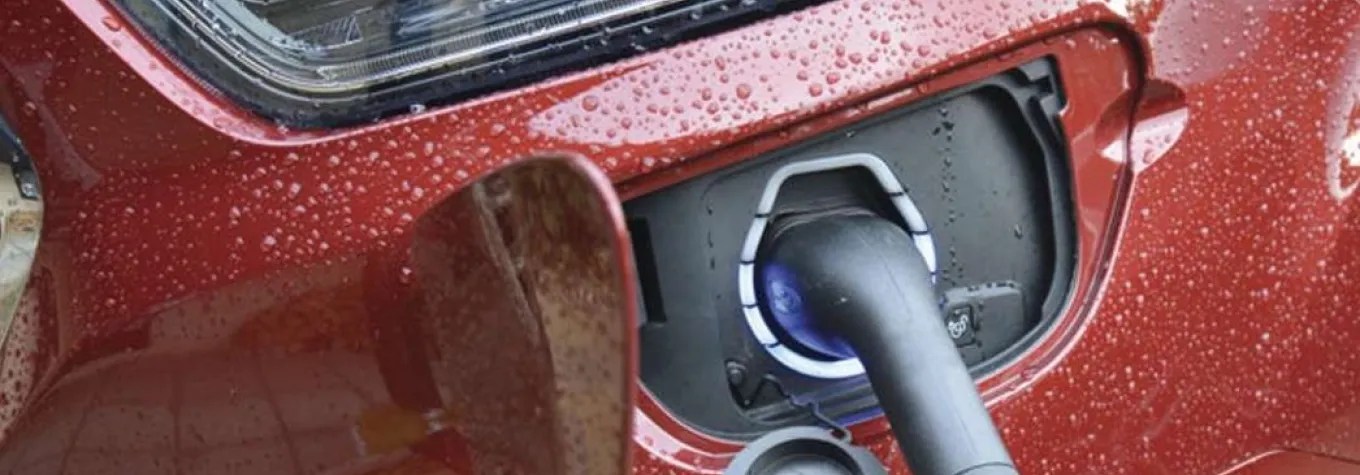
Charging an electric campervan
Charging your electric campervan can be done in various locations, each with its own considerations.
At home
Plugging your campervan into a regular three-pin socket at home is a convenient but slow option, taking up to 48 hours for a full charge. Installing a home fast charger (7kW or 22kW, depending on your electrical supply) is a better choice, albeit costing around £1,000.
Unfortunately, grants for home charger installations have been discontinued, and homeowners may face increased electricity costs of around £400 annually for fast charging. Despite these drawbacks, home charging remains the most cost-effective option.
On the road
Public charging systems are crucial for on-the-road charging. With 42,000 connectors across 15,500 locations in the UK, the network is expanding but may not meet the surging demand.
Petrol stations are expected to evolve into charging hubs, but the disparity in plug types and charging needs among vehicles poses challenges. Consider the power consumption during charging; a 50kW fast charger uses as much energy as an entire house in five days.
On campsites
Campsite charging has its complexities. While some campsites allow recharging via hook-up bollards, the speed is restricted by the available power. Most bollards offer 16A, supplying approximately 3,840W, but the actual available power is less due to other usage.
According to the Caravan and Motorhome Club, an average of 2,300W is realistic for recharging, requiring around 26 hours for a 60kWh battery. Some campsites provide high-power charge points, but these need pre-booking.
Maintenance and running costs
Electric campervans boast lower maintenance costs due to fewer moving parts and no need for oil changes or traditional servicing components.
While the initial purchase cost might be higher, estimates suggest that electric vehicles can be up to 40% cheaper to run than their fossil fuel counterparts.
Clean air zones
Electric campervans are ideal for navigating city centres with increasing low emission zones. Councils in the UK and Europe are pushing for reducing fossil fuel-powered vehicles in city limits, making electric campervans a more practical choice for urban travel.
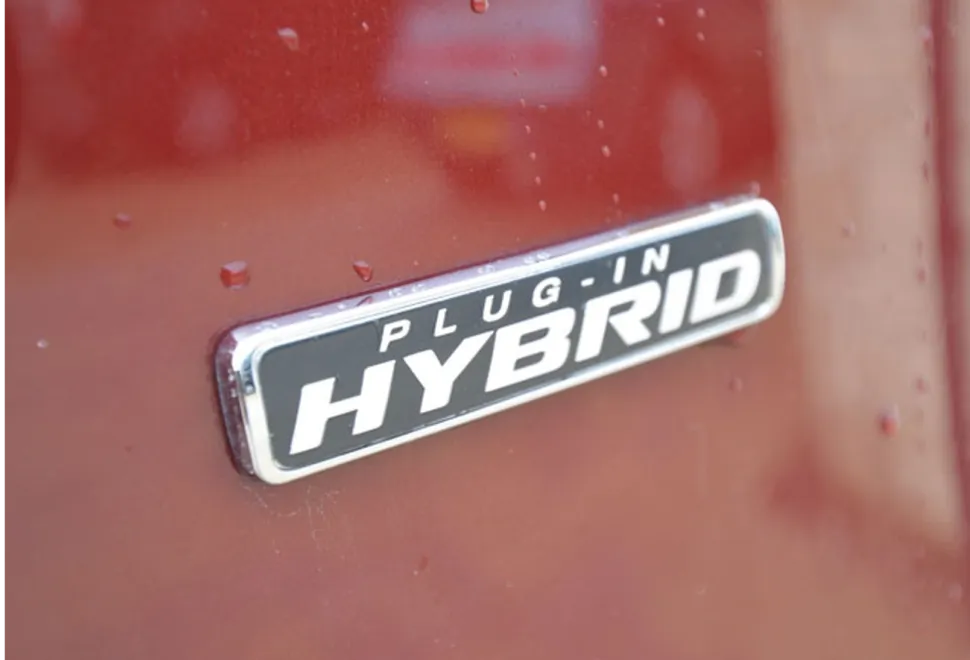
Electric vans v diesel vans
Electric campervans provide a greener alternative to diesel, with reduced carbon emissions, contributing to cleaner air and a more sustainable future.
The shift towards electric is evident in the changing landscape of automotive regulations and consumer preferences.
However, there are pros and cons to electric campervans…
Pros of electric campervans
Electric vehicles (EVs) bring several advantages to the table. Firstly, they are user-friendly and statistically involved in fewer accidents, thanks to smooth acceleration and automatic transmissions.
The electric motor ensures a quiet and seamless driving experience, enhancing overall comfort. The low placement of the battery contributes to a lower centre of gravity, improving handling and stability, a crucial factor for campervans.
Moreover, EVs boast a significant reduction in moving parts, leading to lower maintenance costs. With fewer components like oil, filters, and belts, servicing becomes both cheaper and more environmentally friendly.
The quiet and vibration-free nature of electric vehicles offers a relaxed driving atmosphere, making them an excellent match for leisure vehicles.
Negatives of electric campervans
However, challenges persist for electric campervans. The initial cost remains considerably higher than diesel equivalents. The limited range of electric campervans, typically between 100 and 250 miles, pales in comparison to diesel alternatives, posing a significant constraint, especially for long-distance travel in campervans.
A critical concern is the patchy and often insufficient charging infrastructure. The uneven distribution of charging points and the variability in plug types and schemes create inconvenience for users, particularly in areas with low population density. The lack of control over charging points by vehicle manufacturers contributes to logistical challenges and occasional misuse, as observed in inner-city areas.
Additionally, the weight limit of 3,500kg, crucial for campervan sales, complicates the integration of sufficient power and battery capacity needed for larger motorhomes.
The disposal of worn-out batteries, lasting eight to 10 years, raises environmental questions, especially considering the impact of frequent fast charging on battery lifespan.
Until technological advancements, such as solid-state batteries, address these concerns, electric campervans may face limitations in widespread adoption.
Are electric campervans worth it?
The worth of an electric campervan depends on various factors, including your annual mileage, charging accessibility, and environmental considerations.
While the initial purchase cost may be higher, lower running costs and environmental benefits could make electric campervans a sensible long-term investment.
What electric campervans are available now?
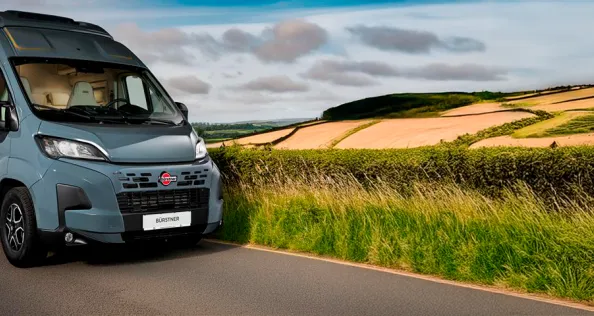
Several electric campervans are already making waves, such as the Bürstner concept, CampervanCo's Eco Revolution, and conversions based on the Nissan e-NV200, Toyota Proace, and Citroën ë-Dispatch.
Exciting developments from Love Campers and others on the Volkswagen ID Buzz are also on the horizon – with some conversions based on the VW already available.
Things to consider before you buy
Prospective buyers should weigh factors like charging infrastructure, daily mileage, and their environmental impact.
Additionally, understanding the specific needs of electric campervans, such as charging times and range limitations, is crucial for a satisfying ownership experience.
Final thoughts
Electric campervans represent the future of travel, offering a cleaner and greener alternative to traditional fossil fuel vehicles. While the market is still evolving, the potential benefits, including reduced maintenance costs and lower environmental impact, make them an attractive option for the environmentally conscious camper.
And, while there are still concerns over range, as the automotive landscape continues to shift, electric campervans are set to play a significant role in shaping the future of leisure travel in the UK and beyond.
Latest campervan articles
Explore our magazines
Enjoy expert tech help, travel and campsite inspiration, buying advice, reviews, and more with our best-selling magazines and guides.

Buying Your Perfect Motorhome
Buying Your Perfect Motorhome is the ultimate guide to turn your campervan adventure into reality. From models starting at £20k to luxury options, layouts, finance, insurance, and a dealer directory, it has everything you need to find your dream campervan.

Campervan magazine
Campervan magazine is the ultimate guide to maximise your ‘van experience, including unforgettable road trips, and must-see attractions, expert advice and reviews. Plus, essential maintenance tips to keep your ‘van in top condition.


