

Keeping warm in your campervan at winter
Technical advice
Campervans in winter: all you need to know
Campervans are often associated with sunny summer days, but they can be a cosy haven even in the chill of winter
If you're a campervan owner, you know that campervanning in winter in the UK requires some preparation and a few creature comforts.
From insulation to water management, here's your guide to preparing your campervan for the colder months. We will cover both using your campervan in winter and winter campervan storage.

Iain Duff Content Editor: Campervan/Camping
Iain Duff Content Editor: Campervan/Camping
How to winterise your campervan
The key to ensuring the longevity of your campervan lies in regular use. Campervans left idle for extended periods risk various issues, including flat tyres, hardened engine components, drained batteries, frozen water systems, and the unwelcome presence of mould and rodents.
But, while winter campervanning might offer excellent opportunities for exploration, not everyone can keep their wheels rolling during the colder months, so you may have to put it in storage until spring.
The practice of preparing your campervan for the colder months is called winterising. Even if your campervan is destined for long-term storage, occasional drives are essential. A 10-mile journey every few weeks, with the engine reaching full operating temperature, prevents issues like carbon deposits in diesel engines. Driving also rotates the tyres, preventing flat spots, and keeps engine belts from sitting in one position for too long.
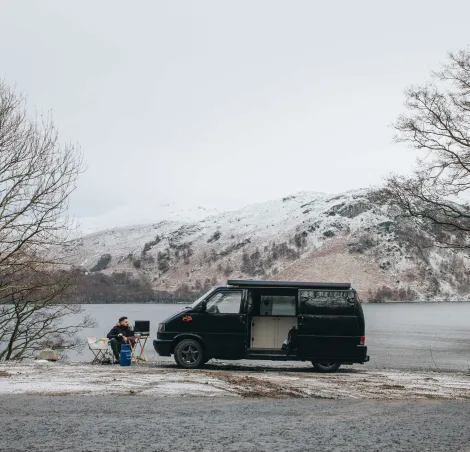
Storing your campervan in winter
By following these winterising tips, you'll ensure that your campervan is is stored properly and ready to hit the road when spring arrives, providing you with many more memorable adventures.
Campervan water system maintenance
Not everyone wants to use their campervan during the colder months, and if you want to put it into storage over winter, the most important thing you need to do when you are not using it for long periods of time, is to drain down the water systems.
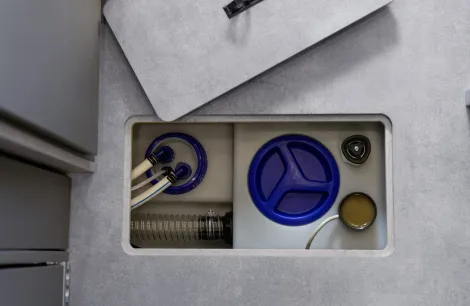
Drain the main fresh water and boiler systems, ensuring that both hot and cold water systems are allowed to drain. For added assurance, take a drive with the water taps open. If not practical, consider drain-down kits or pressurised air to remove any remaining water. Don't forget to remove water filter cartridges, and check the antifreeze level in wet heating systems.
For campervans with portable water containers, ensure they are emptied, and the pump and pipes are removed before freezing temperatures set in.
Checking your campervan battery
A flat campervan battery is a common winter problem. Keep leisure and vehicle batteries on charge using mains hook-up or smart chargers. Consider solar panels for outdoor storage, ensuring they have regulators and sufficient capacity.
Tyre checking
Inflate tyres to the maximum to prevent flat spots. If temporary flat spotting occurs, drive the vehicle to warm up the tyres and then raise it off the ground to relieve the load.
Fill your fuel tank
To prevent degradation, ensure the fuel tank is full, especially for extended storage. Consider adding a stabiliser to the fuel for prolonged periods of inactivity.
Stopping condensation in your campervan
Use breathable, vented covers for outdoor storage to protect against UV degradation and atmospheric grime. Campervan dehumidifiers, whether powered or unpowered, help combat condensation inside the campervan over winter.
While venting also helps prevent damp, it's debatable whether heating the interior is necessary while in storage, especially if water systems are drained.
Whether using a dehumidifier or not, remove bedding to allow air circulation. If space allows, remove seat and bed bases to further facilitate airflow. Airing out the campervan periodically and putting the pop-top up can prevent odours and condensation build-up.
Keeping warm in winter in your campervan
If peace and solitude are what you crave then there really is no better season to get out in the campervan than winter. Many campsites are empty and, if you brave wild camping, you’ll be lucky to see another soul. Wrap up warm and you’ll struggle to beat being outdoors, too.
Best of all: you won’t have to fight for the fireside spot in the pub, either! Yes, it’s true that camping in winter can be harsher than at other times of the year but, as long as you’re well prepared, winter campervan trips are awesome!
Campervan heaters
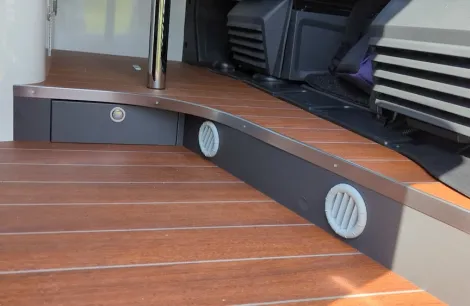
In smaller campervans, diesel campervan heaters tend to be the most popular option. The advantage is they don’t need an electric hook-up, and, while they use diesel from your tank, the consumption is so low you don’t have to worry about draining it dry just to keep warm. If you’re on electric hook-up, an electric heater is a possibility, though rising electricity prices means seeing campsites metering their EHU points or restricting such heavy usage.
In bigger campervans, things are a bit easier as your campervan heating is often part of the build. For many, that heating is run on gas from an LPG cylinder stored somewhere in the campervan, either in a cupboard or underslung. That means home-style central heating to keep you warm at night, or when you get back from a day out in the cold.
If you don’t have electric or fuel-powered heating built into your camper, there are some alternatives. Small electric fan heaters are easy to come by and are very efficient in small spaces (make sure you stipulate you need EHU when booking campsites).
Don’t boost your campervan heating by using your gas hob and/or oven as they use up oxygen and create a small amount of dangerous carbon monoxide. NEVER bring a charcoal barbecue into your motorhome or awning while still warm.
Only propane gas cylinders should be used in winter; butane ceases to gas off as the temperature approaches freezing. Propane continues to gas off until -40°C.
Insulating your campervan
A properly insulated campervan is your first line of defence against the winter chill. Many campervans come fully insulated, with plastic wadding, panelling, and a textile surface to maintain a moderate temperature inside.
Campervan insulation not only keeps you warm in colder temperatures but also helps in maintaining a comfortable atmosphere during hotter days. Good-quality window covers are essential. Opt for an external windscreen cover to prevent condensation on the inside of the windscreen, which can be severe when cooking and washing activity is going on inside.
Carpets
Nobody wants to step onto a cold floor in the morning. Adding floor mats or carpets to your campervan not only provides extra insulation but also brings a touch of homeliness to your space.
Consider internal insulation mats (bubble wrap could be a cheaper alternative) for rooflights and wrap-around insulation for pop-tops.
Carpet the floor and lay carpet underlay in the large bed lockers to improve floor insulation.
What to wear
Layers are a great way to keep warm in winter – that way you can add them or take them off as the temperature changes or if you get warmer when you step inside somewhere with heating.
If you are planning on enjoying the great outdoors, it can be wise to take some spare clothes in case anything gets wet, and a spare pair of warm socks is always useful. A few warm blankets or a warm overcoat or Dryrobe-style, waterproof snuggle coat can be handy to make sure you don’t feel the chill.
Keeping warm in bed
Campervans are cold at night, so it’s important to have good bedding. Everyone’s bedding preferences are different, of course. Some people like a sleeping bag – either individual or double – for warmth, ease of packing, and that classic camping feel. Others want to recreate their home bedroom with pillows and duvets.
Whichever you choose, in the winter months the key is whether you’re warm enough because being cold at night when camping can ruin a trip. You might want to consider a hot water bottle, a pair of fluffy socks and a woolly hat to keep you toasty and warm when the temperatures plummet.
Driving your campervan in cold weather
Don’t forget to top up your windscreen wash to allow for freezing temperatures and ensure your last vehicle service included a check on the radiator antifreeze content.
Motoring organisations advise replacing normal summer tyres with winter tyres. Winter tyres provide better grip in all conditions, not just snow and ice when it gets below 7°C. For most, this is expensive, as well as needing somewhere to store our summer tyres. A compromise is to fit four-season tyres, providing higher grip in warmer months than winter tyres and better grip in summer than winter tyres. They don’t offer the same performance as summer or winter tyres in the seasons they are specifically designed for.
Winter tyres are mandatory in some countries, either as a national requirement during specified periods or just when roads are covered with snow and ice, while the regulations may also only apply to specific regions. These may be just recommendations, like Switzerland (except for alpine pass roads) but, if you’re involved in a crash, there are likely to be liability issues if you were using summer tyres.
In some countries, snow chains must be carried and used as required by local conditions. Reduced speed limits will apply when snow chains are fitted, and this should be when the road is fully covered by snow or ice. Also available are snow socks; they’re not an alternative to chains but a low-cost and easy-fit solution to help get you out of trouble on soft snow. Socks have to be removed when you reach a clear road surface, otherwise they will be shredded.
A few countries stipulate a minimum tyre depth of 3mm, 4mm or even 5mm in winter rather than the European and UK normal minimum of 1.6mm. Tyre experts recommend we change our tyres well before the 1.6mm because of the significant increase in braking distance in wet weather as depths approach 1.6mm. The recommended minimum tread depth is 3mm for summer tyres and 4mm for winter tyres.
With these tips, you can ensure a cosy and comfortable campervan experience even in the coldest winter months. Whether you're a seasoned winter camper or venturing out for the first time, being well prepared will make your journey enjoyable and worry-free. Stay warm and happy camping!
Top tips for winter camping
- If you fancy sitting around a campfire, before deciding on your campsite, make sure fires are allowed. Some sites will supply fireboxes, in which you can have a fire without damaging the grass of the field
- Choosing the right site is important. A pub with open fires, on the campsite or nearby, is a definite asset come the evening. If you are camping with kids, check out what indoor activities are on hand for them before you head off. A games room or an indoor pool will keep them occupied no matter the weather.
- Remember that it gets dark early, so don’t leave it too late to set off from home or you’ll be setting up by torchlight.
- At bedtime, wear base layers or thermals and a woolly hat to bed instead of normal pyjamas. A small hand warmer wrapped in a sock and slipped down to the foot of your sleeping bag a couple of hours before getting into it will help to keep you warm.
- Sleeping bags and duvets will lose insulation values when damp so try not to sleep with your head under the covers breathing out moisture.
FAQs
-
Do I need an emergency breakdown kit?
Although it’s not essential in the UK, as it is in many other countries, it’s a good idea to have one. If you get a puncture on a dark, country lane you’ll be glad of a hazard warning triangle and high-vis jacket. Similarly, carry a basic toolbox and things like a set of light bulbs and fuses, jump leads and a towrope.
-
Do I need a special driving licence for a campervan?
The driving licence you need depends on the campervan's weight. Category B is sufficient for most campervans, but larger vehicles may require a Category C1 licence.
-
Is an awning worth having in winter?
Although we get some great weather in winter, there’s no denying that it also rains a lot, so best prepare for it. Investing in an awning gives you somewhere to dump muddy boots and hang wet gear. Add a heater and you’ve got extra living quarters, too.
-
Do campsites open in winter?
Lots of campsites close for winter but many do stay open, and low season is the time to grab a bargain. You might be the only guest, though, so it’s a good idea to book in advance or at least phone ahead to let them know you’re coming. Don’t expect all the facilities that are available in high season to necessarily be open now, though.
-
Where should I go in winter?
With short daylight hours and hazardous driving conditions, winter is the ideal time for staying closer to home and exploring the delights on your doorstep. City breaks are also a good option, as there’s plenty of indoor stuff you can do if it rains all day.
Avoid really remote places with roads that are prone to being cut off by snow, or where you’re likely to get stuck or lost.
Final thoughts
Winterising your campervan is essential for both active winter camping and extended storage. From water system maintenance to keeping warm with proper insulation and heating, carrying out these important tasks will give you a worry-free winter experience.
Remember, preparation is key; with the right precautions, you can turn cold months into cosy adventures, ensuring your campervan is ready to roll when spring arrives.
Join the Out & About Live family
Get the latest news and exclusive offers direct to your inbox
Discover your inner outdoors with Out & About Live. For over 20 years we have provided the very best advice to motorhomers, campervanners, caravanners and campers – whether you are looking for travel advice, the very best campsites, help with choosing a new ‘van, news, shows, what’s on and much more – it’s all on Out & About Live.
We would love to welcome you to the family so sign up to our FREE email newsletters so you don’t miss out any longer.
Latest campervan articles
Explore our magazines
Enjoy expert tech help, travel and campsite inspiration, buying advice, reviews, and more with our best-selling magazines and guides.

Buying Your Perfect Motorhome
Buying Your Perfect Motorhome is the ultimate guide to turn your campervan adventure into reality. From models starting at £20k to luxury options, layouts, finance, insurance, and a dealer directory, it has everything you need to find your dream campervan.

Campervan magazine
Campervan magazine is the ultimate guide to maximise your ‘van experience, including unforgettable road trips, and must-see attractions, expert advice and reviews. Plus, essential maintenance tips to keep your ‘van in top condition.


