
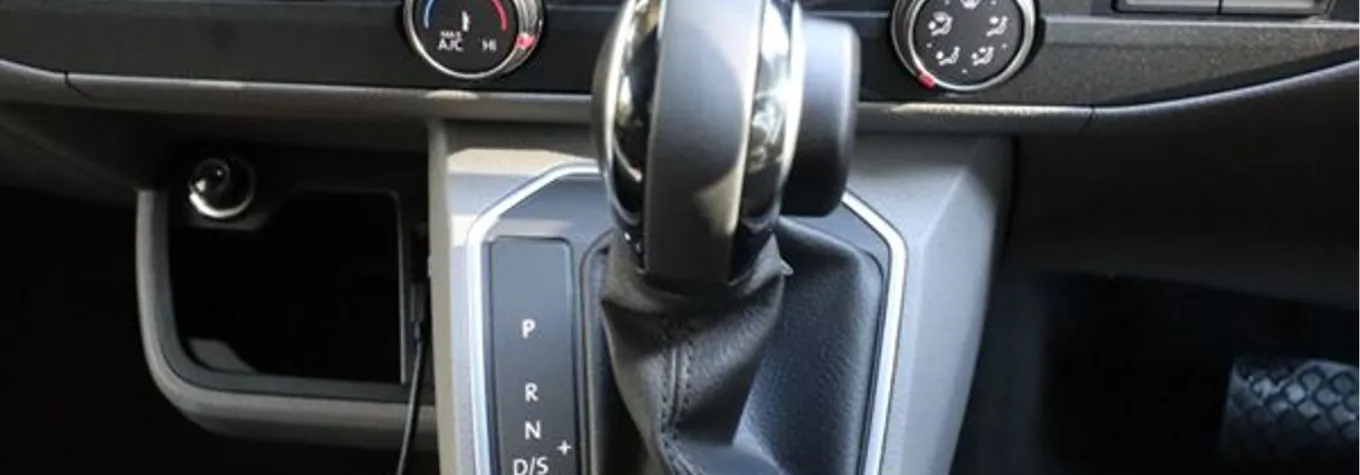
Automatic campervans: a complete guide
Automatic campervans: a complete guide
In this article, we explore the world of automatic campervans, discuss their advantages and disadvantages, and provide essential information for those considering this transmission option.

Iain Duff Content Editor: Campervan/Camping
Iain Duff Content Editor: Campervan/Camping
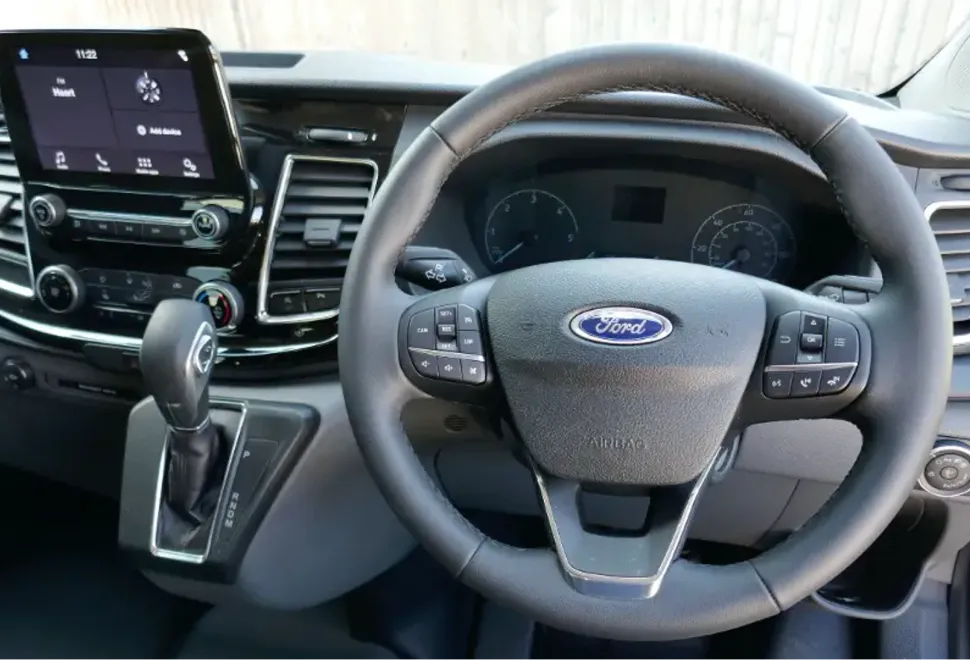
What is automatic transmission?
Automatic transmission basically means the vehicle can change gears by itself, without the driver using a clutch pedal. It's like having a smart helper that takes care of shifting gears for you. This makes driving easier, especially in traffic or on hills, and is great for people who want a more relaxed driving experience.
It's like having an automatic friend that makes your campervan journey smoother! Automatic transmission has come a long way in campervans over the last decade. Today, there's a wide range of automatic gearboxes available, offering improved fuel efficiency and smoother gear changes.
Automatic vs manual campervans
Traditionally, campervans were primarily equipped with manual transmissions. However, automatic campervans have gained popularity due to their ease of use and several advantages:
Pros of automatic campervans
- Ease of driving: Automatic campervans are easier to drive, especially in heavy traffic or on hilly terrain. With only two pedals (accelerator and brake), there's no need to worry about clutch control.
- Mobility-friendly: Automatic transmission can be a boon for older drivers or individuals with mobility issues, allowing them to enjoy driving for longer periods.
- Smooth gear changes: Modern automatic systems provide seamless gear changes, eliminating the jerky transitions associated with older models.
- Reduced stress: Automatics make driving more relaxed and less stressful, especially during long journeys.
- Safety: Many insurance companies consider automatic campervans safer than manual ones, potentially leading to lower insurance premiums.
Cons of automatic campervans
- Higher initial cost: Automatic campervans tend to be more expensive upfront, both for the transmission itself and the higher-output engine often paired with them.
- Maintenance: While automatic gearboxes generally require minimal maintenance, if issues arise, specialised knowledge and equipment are needed for repairs.
- Brake disc wear: Automatic vehicles may wear out front brake discs slightly more frequently than manual ones.
Types of automatic gearboxes for campervans
To understand automatic gearboxes better, it's essential to know the different types available:
Torque converter automatic
Description: These well-developed systems consist of a torque converter and gearbox. The torque converter connects the engine to the gearbox via a fluid-filled mechanism, enabling smooth gear changes.
Advantages: Gentle on the drivetrain, imperceptible gear shifts.
Disadvantages: Slightly less fuel-efficient than some other options.
Continuously variable transmissions (CVT)
Description: CVTs use two pairs of cones linked by a rubber or chain belt. They offer infinitely variable gear ratios for maximum engine efficiency.
Advantages: Excellent fuel economy.
Disadvantages: Can feel unusual to drive, as engine revs are not directly related to vehicle speed.
Automated manual
Description: These gearboxes use clutch friction plates shifted electronically or hydraulically. Some have twin-clutch systems for faster shifts.
Advantages: Efficient and fuel-efficient, especially the dual-clutch variants.
Disadvantages: May require clutch plate replacements and can be more expensive to maintain.
Robotised manual
Description: Converted from manual gearboxes, these systems use electro-hydraulic controls to automate clutch and gearshift functions.
Advantages: Fuel-efficient, not significantly heavier than manual transmissions.
Disadvantages: May require a different driving technique, and single-clutch versions can be jerky.
How reliable are automatic campervans?
Reliability varies by model and brand. Some automatic systems, like Fiat's Comfort-Matic, are known for their durability.
However, issues can occur with other brands, particularly related to electronic components. Regular maintenance can help extend the life of an automatic gearbox.
Towing with an automatic campervan
Not all automatic gearboxes offer the same towing capability as their manual counterparts, so check your campervan's towing limit in the owner's manual or consult with the converter.
Some motorhome manufacturers may reduce towing limits due to the added weight of an automatic gearbox.
Manufacturers offering automatic gearboxes
Several manufacturers offer campervans with automatic transmissions. It's worth exploring models from manufacturers like Ford, Fiat, Mercedes, Renault, Volkswagen, and others to find the best fit for your needs.
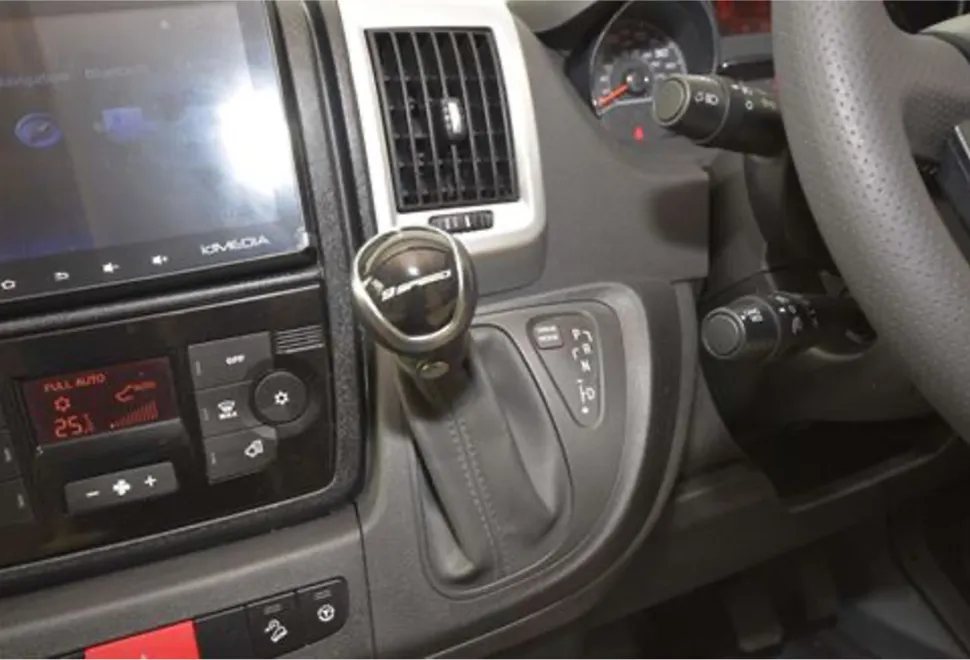
Tips for driving an automatic campervan
Driving an automatic campervan is straightforward, but there are a few tips to maximise efficiency and safety:
- Use only your right foot for the brake and accelerator pedals.
- Be mindful of throttle sensitivity; slight adjustments can influence gear changes and fuel consumption.
- Utilise the kickdown feature for quick bursts of acceleration, especially when overtaking or climbing hills.
- Learn how to manually select gears when descending steep hills or starting on slippery surfaces.
FAQs
-
Are automatic campervans any good?
Automatic campervans offer ease of use, smooth driving, and are considered safer by insurance companies.
-
Are automatic campervans better than manual?
The choice between automatic and manual campervans depends on personal preference. Automatics are more user-friendly, while manuals offer more control.
-
Are automatic campervans fuel-efficient?
Modern automatics are often just as fuel-efficient as manuals, and some types, like CVTs, can be even more efficient.
-
Are there any classic VW campervans that are automatic?
Classic VW campervans are typically manual, but some enthusiasts may have converted them to automatic.
-
Can you get automatic VW T2 campervans?
Automatic VW T2 campervans are relatively rare, but they may exist as custom conversions.
-
Are automatic campervans easy to drive?
Yes, automatic vans are generally easier to drive, especially in heavy traffic or on hilly terrain.
-
Why are automatic campervans so expensive?
Automatic transmissions and the higher-output engines they are often paired with contribute to the higher initial cost.
-
Can you convert a manual to an automatic?
Converting a manual campervan to an automatic can be complex and expensive, involving extensive modifications. It may also affect insurance premiums and resale value.
Final thoughts
Automatic campervans have become increasingly popular for their convenience and driving comfort. Understanding the different types of automatic transmissions available, their advantages, and their maintenance needs can help you make an informed decision when choosing a campervan for your adventures.
Whether you're a seasoned camper or a newcomer to the world of campervanning, automatic options provide a relaxing and stress-free way to explore the open road.
Latest campervan articles
Explore our magazines
Enjoy expert tech help, travel and campsite inspiration, buying advice, reviews, and more with our best-selling magazines and guides.

Buying Your Perfect Motorhome
Buying Your Perfect Motorhome is the ultimate guide to turn your campervan adventure into reality. From models starting at £20k to luxury options, layouts, finance, insurance, and a dealer directory, it has everything you need to find your dream campervan.

Campervan magazine
Campervan magazine is the ultimate guide to maximise your ‘van experience, including unforgettable road trips, and must-see attractions, expert advice and reviews. Plus, essential maintenance tips to keep your ‘van in top condition.


