
Motorhome cleaning: all you need to know
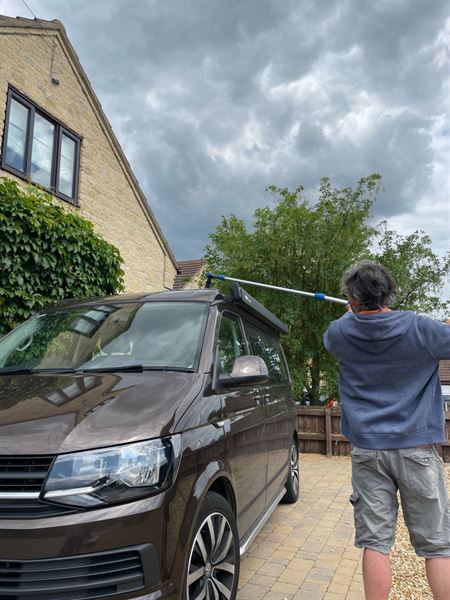
Whether you're heading out on your first big trip of the year or your motorhome or campervan simply needs a spruce up, our guide to cleaning a motorhome will show you how to get it looking good as new.
Maybe you’re a regular winter wanderer or like to hibernate your motorhome over the colder months, it is well worth following a spring preparation routine for your motorhome.
While some essential checks detailed here should be carried out regularly, some jobs only need to be on the dewinterising list.
Not only will the following checks highlight any problems early, they will reduce the risk of problems while you’re enjoying your holidays.
In association with Nilfisk:

Why motorhome cleaning is important
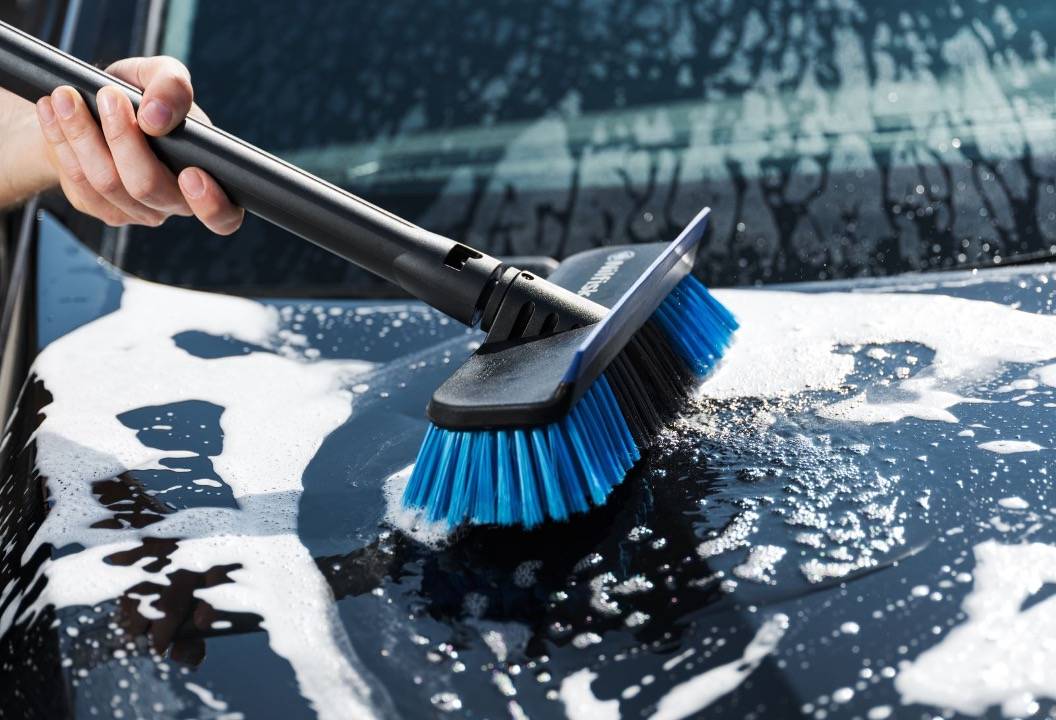
(Photo courtesy of Nilfisk)
Most motorhome and campervan owners will consider changing their unit at some time in the future and uncared-for bodywork and interiors will wipe hundreds of pounds or more off the motorhome’s value. With that in mind, keeping up appearances will enhance the long-term value of your motorhome and give you continuing pleasure of ownership.
But keeping your motorhome or campervan clean isn’t always easy – throughout the year you’re up against acidic rainfall, dust, grit particles and road grime acting on your GRP bodywork or metal panels. Then there are tree resins and bird droppings further adding to the array of factors to degrade your bodywork.
Inside, regular use of your motorhome or campervan with activities concentrated in such a small area is likely to see the interior fabric suffer more than at home - plus, add mucky pets and dirty walking gear into the mix, and our motorhome interiors don't really stand a chance!
Not only will a good clean – inside and out – make you feel better about your camper, but it will help keep it in good shape, and prevent the acceleration of ageing and consequential loss of value.
How often should I clean my motorhome?
The simple answer – as often as you can! Giving a motorhome GRP or campervan exteriors a thorough clean is a big job, but keep on top of grime build-up, and you’ll find each cleaning session becomes a little less tough.
Many cleaning experts recommend giving your leisure vehicle a big clean once or twice a year – perhaps spring and pre-winter are the obvious times to do this – followed by frequent, smaller cleans throughout the year to keep on top of dirt.
What motorhome cleaning products to use
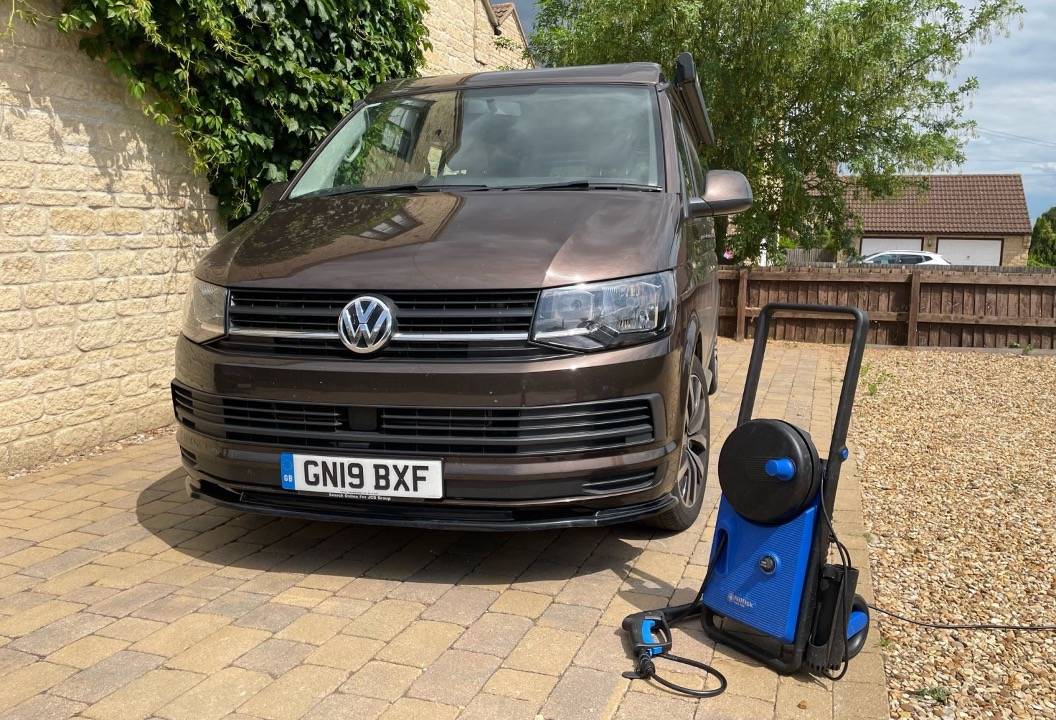
(Photo courtesy of Nilfisk)
Motorhomes and campervans are an expensive investment, and the last thing you want to do is damage the paintwork, GRP bodywork or seals around windows, etc, with unsuitable cleaning products and tools.
It’s always best to use cleaning products specifically formulated for motorhomes (or caravans) as some cleaners can be too harsh for some of the many materials that are used on leisure vehicles. Clearly, buying cleaning products produced by the likes of Thetford and Dometic for cleaning their own products is ideal in that you know they won’t harm the materials used by that manufacturer in their products.
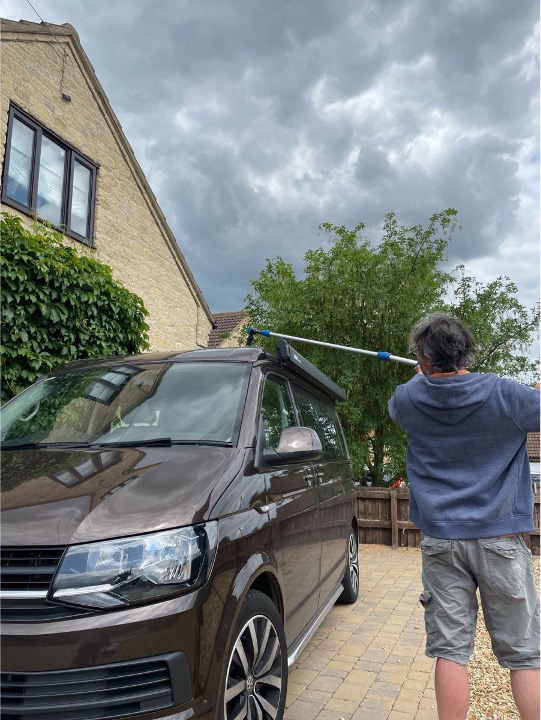
Choose good-quality brushes, sponges and cloths to apply your cleaning products. A brush with a soft wrap-around head on a long extending handle will safely reach the upper parts of your motorhome, but there are a wide range of brushes available made specifically for cleaning motorhomes and campervans. Telescopic brushes are particularly popular as these allow you to reach up high (though you may still need a step ladder).
Alternatively, use a sponge with an open texture or a microfibre wash pad or mitt, but take care when using ladders for the upper levels. The aim is to use products that allow dust and grit to work into the applicator fabric rather than remain on the surface and grind into the paintwork.
On this score, it’s worth considering fitting a grille at the bottom of your wash bucket to allow detritus washed off the bodywork to fall through the grille and avoid it being picked up again by your brush or sponge.
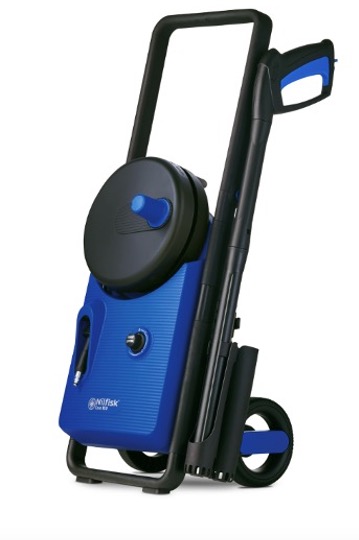
(Photo courtesy of Nilfisk)
As a general rule, it's best to exercise caution when purchasing cleaning products and tools as you want to ensure you don't scratch the bodywork. Having said that, something as simple as a soft toothbrush, as we'll explore later, can be a great item to keep in your kit.
One cleaning aid not often recommended is a portable pressure washer. Though they are easy to use and very effective in shifting dirt, they are usually too powerful for delicate materials, including sealants. If you do use one, you must always use the gentle setting.
However, for harder-to-reach areas, take a look at the Nilfisk Core 150 Power Control Motorhome Roof Pressure Washer Bundle , which is ideal for tackling dirt and grime. The bundle includes a telescopic roof cleaner, multi brush kit, auto brush and water-based Car Combi Cleaner detergent. If you struggle to clean your motorhome’s roof, use the long-reach telescopic roof cleaner, which extends up to 4.2m. And, using the brush means there is no actual high pressure. You can also attach the brush directly to the lance of the pressure washer to easily wash lower areas. Plus, it’s great for cleaning dirty bikes if you’ve been for a particularly muddy ride, too! Browse Nilfisk’s website for information.
It’s worth noting that some manufacturers stipulate what cleaning devices cannot be used as this can affect the warranty, so do check.
How to clean motorhome awnings
If you’re wanting to clean your awning, choose a good sunny day and use a product designed for the task such as Fabsil Awning Cleaner – this not only cleans but revives the water repellency.
You simply spray it on and work in with a brush or sponge before rinsing in clean water.
Washing down your motorhome’s exterior bodywork
Before washing, always hose down the body to rinse off surface dust and grit, and this will also soak more stubborn deposits, which will come off more easily when softened with water. If it’s the first wash of the season it’s worth using concentrated formulations, as these are much better at cutting through stubborn dirt, grease and gunge. After the first wash, you can go back to your regular GRP or automotive cleaner.
Apply your cleaning solution by spray, sponge or brush and leave for 30 seconds or so to let deposits soak and soften before agitating the surface with gentle movement. Nilfisk pressure washers offer a foam/detergent sprayer as standard which makes it even easier. Rinse your sponge or brush regularly in your bucket of cleaning solution to release the detritus wiped off the bodywork.
There are two schools of thought about whether to start washing from the bottom and working up or working from top to bottom. The theory about washing from bottom up is that, although dirty water will stream down over the cleaned areas, these areas will remain wet. The top to bottom persuasion works on the basis that water flowing from the top will help soften or swill away heavier deposits of road grime along the lower body.
Whichever way you go, the important thing to obtaining a good finish is that, when you rinse off the washing solution, the surface must still be wet, otherwise some of the dirt you’ve loosened will have dried back on the bodywork.
For the same reason, avoid washing on a hot, breezy day as the dirty washing solution will soon dry on the bodywork before you get to rinse it down, thus leaving dirty streaks behind. Wash relatively small panels at a time where you can rinse before the washed surface dries.
Use an old toothbrush to clean away the build-up of algae around windows and locker doors. Don’t forget your retractable steps – a build-up of grime can clog the mechanism.
For stubborn squashed insects, place a cloth soaked in warm cleaning solution over them for five minutes or so and then try washing off again. If you have any stubborn black streaks or squashed insects on body panels, you can buy specialist black streak remover and insect cleaners.
Some enthusiasts like to apply wax at this stage to provide extra protection and shine, but it’s more work. Sometimes waxes can cause problems over time as they are soft, and stains can become engrained in the wax layer and as solid layers of wax degrade they become dull and grey. View more offers of the Nilfisk range.
How to clean a motorhome roof
(Photo courtesy of Nilfisk)
Whichever way you wash, always start with the roof as this is where the greatest dirt deposits are likely to be found and they are likely to flow off the roof down the side panels in a random way. Complete the full cycle of wash and rinse on the roof before commencing the walls. Don’t forget the roof-mounted solar panel, a good clean will help it to work efficiently.
If using a ladder, it’s worth enlisting the help of someone else to prevent any ladder-based accidents. Arm yourself with a decent telescopic brush and away you go.
Cleaning acrylic windows on a motorhome
Acrylic windows are excellent at providing lightweight clear glazing but they are sensitive to crazing from exposure to various chemicals and, being a soft material, they are easily scratched.
Because of the danger of scratching the acrylic when cleaning, some advocate wiping the window over with your hand rather than a sponge, or using a specialist acrylic cleaner.
How to clean your motorhome’s wheels
(Photo courtesy of Nilfisk)
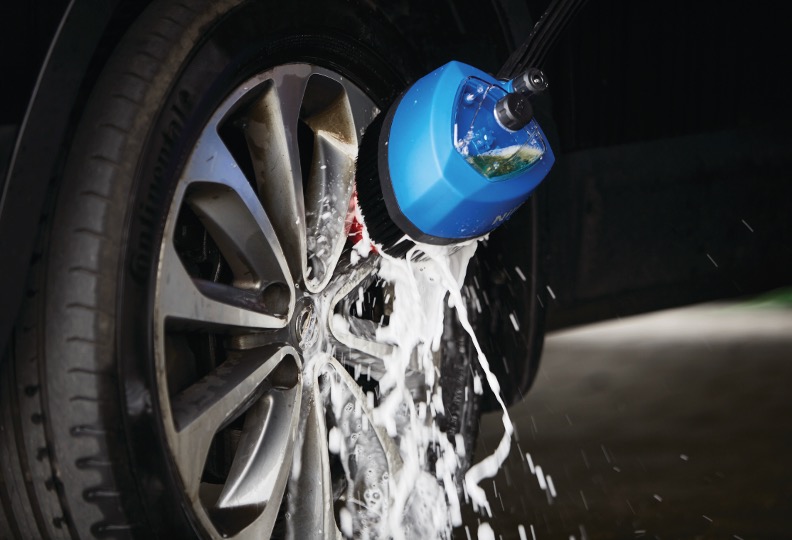
Use a specialist brush to make cleaning between the spokes less of a chore. On alloy wheels, it’s best not to use wheel cleaners that contain weak acid, so look for acid-free products. Even weak acid solutions, while they will clean the wheel, may also attack the lacquer coating on the wheel and encourage surface deterioration.
Because of this high-maintenance element of alloys, it’s worth considering applying a product like Simoniz or Autoglym’s Wheel Protector.
Cleaning the interior of a motorhome
(Photo courtesy of Nilfisk)
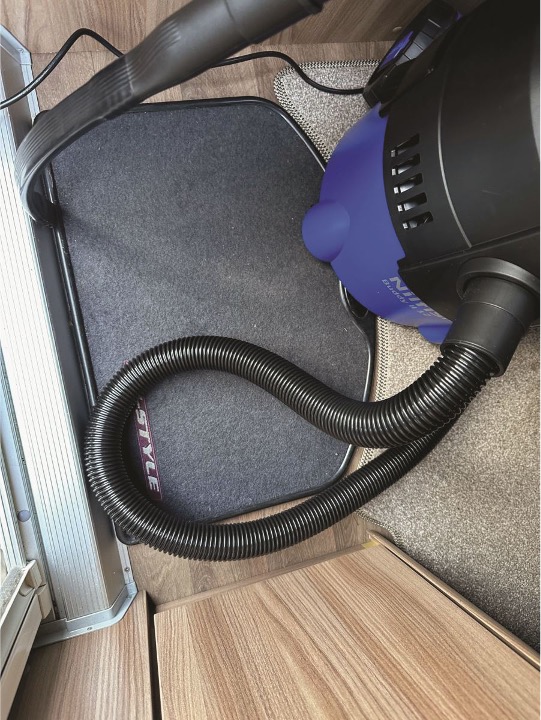
Dust and grit accumulating on soft furnishings and carpets will tend to abrade the fabric so a regular vacuum is worthwhile. To remove ingrained dirt and stains you will need a specialist upholstery and carpet cleaner and here you may need to use a non-motorhome specific product, but always refer to the manufacturer’s instructions.
One of the simplest things you can do is invest in a multifunctional vacuum with both wet and dry capabilities.
Cleaning blinds and flyscreens
Start by removing any loose debris from the blinds by using a soft brush, then fill a bucket with warm water and add a small amount of very mild detergent. Dip the cloth into the solution, wring until damp, and, starting at the top, wipe both sides and work your way to the bottom, rinsing the cloth at regular intervals.
Once you've finished cleaning the blinds, wipe them dry with a clean, dry cloth, or leave them to air dry. You can keep on top of the dirt by dusting with a soft cloth regularly.
Cleaning your motorhome kitchen
Clean your refrigerator and freezer interiors with a solution of bicarbonate of soda, using one teaspoon to a litre of warm water. The solution will clean and deodorise the fridge interior without damaging the plastic interior lining. Don’t forget to leave the fridge/freezer doors ajar when not in use to prevent a build-up of mould.
Metal door and locker hinges will benefit from an occasional drop of lubricant to keep them free running and a wipe over will keep them rust free. Be careful not to use solvent-based lubricants which can affect adjacent plastic surfaces so try silicone spray.
A can of silicone spray is also very useful to keep the rubber seals in the toilet cassette and the seals around the external locker supple. However, keep silicone spray away from window seals because of the sensitivity of the acrylic glazing.
How to clean a motorhome washroom
Up to now, cleaning has been largely about the look of the motorhome but, for the washroom, hygiene is also a consideration. Specialist products, such as Thetford Bathroom Cleaner and Dometic Sanitation Cleaner, are available. Thetford’s Bathroom Cleaner is claimed to be safe on all plastics.
A few times a year it’s a good idea to fill the toilet cassette with a lukewarm solution of cleaning fluid and leave overnight. Gently agitate the filled cassette several times as this will help remove any build-up of slime to keep the tank fresh smelling.
To keep your cassette waste tank fresher for longer, use an effective toilet fluid in the cassette waste tank, which will also help break down the waste and make emptying a better experience.
Take the cassette out and give it a good clean, check the seal between the inner hatch and the cassette and replace any parts if needed.
How to clean your motorhome's waste and water tanks
Cleaning and sterilising of the motorhome water supply system is essential to avoid contamination of the water, which can lead to gastro-intestinal and other nasty infections if you go on to drink the water. Any build-up of limescale and biofilm over the surface of your tanks and pipes will encourage the growth of bacteria.
So, regularly filling up the system with a suitable cleaning solution and leaving it overnight will provide biocidal cleansing to remove algae and bacteria. Rinse the system through with clean water and you’re ready to go without any fear of residual tainting of the stored water.
Similar products will also clean out your waste tank and pipes to prevent a build-up of slime and subsequent smells. For best results in both situations, use lukewarm water to make up the required solution. Don’t forget to treat your portable filling container and filler hose in the same way. And remember, you must never fill up your tank with a garden hose – always use a food-grade hose to avoid tainting the water.
Truma, which produces many of the water heaters found in motorhomes and campervans, also recommends descaling its hot water boilers twice a year. It’s essential to avoid bleach or any product containing chlorine as this will attack the stainless-steel interior of the hot water tank. Our key message is to look carefully at the chemicals being used before starting work. Truma advises customers that specialist descalers from motorhome or camping suppliers (or acetic/citric acid) can be used to descale the boiler itself.
If you use sterilisers in the tanks, make sure the water heater is switched off and isolated, and the system flushed properly afterwards. You can get fitted and portable systems, such as Floë, that helps blow any excess water out of the system using an air compressor.
You’ll also need to check for leaks possibly due to frost damage before switching the pumps on again. If you can see any pipe runs in cupboards, run your hands along them if you can. Start at the sink drain and move along methodically.
There are pressure testers available that may help, and, if you do suspect a leak but can’t find it, then a capable service centre may be needed to help locate and repair it.
On-the-road motorhome cleaning
Finally, don’t forget as soon as you have cleaned your motorhome that a long journey along the motorway on a rainy day or muddy site access roads can undo some of your cleaning effort. And then there’s the ever-present danger of bird droppings, which can be so harmful to paintwork, especially when it’s sunny weather.
The answer is to carry a spray bottle of your favourite motorhome GRP bodywork cleaning product, plus a microfibre cloth for quick and easy on-site spruce-ups of the exterior.
Motorhome mechanical checks
Lift the bonnet and give everything a check, particularly if your motorhome has not been used for a while.
Check the engine oil level (the engine should be cold) and check the levels of coolants, brake fluid, etc.
Ask a friend or family member to help check the driving lights – main lights, brake lights, indicators and fog lights – are all working. Do not rely on dashboard warning lights.
Check the wiper blades – near MMM HQ a murder of crows looking for good nesting material has been known to peck away at our wiper blades. In addition, sun damage, road debris thrown onto the screen and icy windscreens can cause wiper blades to age prematurely and not work as well.
While it’s not always possible to book your habitation and base vehicle service for the spring – if the timing is determined by warranty schedules, for example – it is worth trying to have the servicing coincide with the start of the season. But, as this is a popular time for handovers and servicing, you might need to be flexible.
You also need to check battery health. Even if you are not electrically minded, there are battery testers and chargers that are simple to use. If you can, remove a battery to keep it plugged in at home on a maintenance cycle device over winter. However, this may not be possible if you have an alarm or hardwired tracking system fitted so check first.
If you do find you have a flat starter battery, then a jump-start pack may get you going but it will need to be able to deliver a high enough charge to allow the engine to fire. If you discover you have a flat battery, ensure you find and solve the cause of the problem.
If you have left the headlights on, or the battery is being drained by devices such as alarms and sat-navs, then a jump start is OK. If there are problems with a battery, like a failed cell, then jump starting could create problems. We’ve also been told that lithium batteries do not like being jump started; these batteries need to be charged slowly.
If you want to introduce charging from a solar panel, use a regulator, even in winter. Solar panels can restore flat batteries sometimes, but remember, if there are high-sun conditions, the panel could overcharge the battery without a regulator.
And remember that lithium batteries do need specific chargers as they are easy to overheat.
Motorhome tyre checks
Checking your tyres is possibly one of the most important checks and should be part of a regular pre-trip routine. While driving, these four pieces of rubber are the only contact your heavy motorhome has with the road.
Check the sidewalls for cracks and bulges and the treads for depth and any excessive and/or uneven wear.
Incorrect pressures will cause uneven wear – if the centre is worn more, then the tyre is overinflated, while greater wear on the edges suggest underinflation.
In relation to tread depths, each tyre must have a minimum depth of 1.6mm (but at least 3mm on motorhomes is advised). An easy way to check is if the outer band of a 20p coin is visible when placed in a tread groove, then the tyre needs changing.
Also check that you know where your motorhome wheel locking nut key is.
We have a much more comprehensive guide to motorhome wheels and tyres...
Rodent damage to motorhomes
Always check for evidence of rodents, which may have been looking for a place to sleep or nest. In this case, prevention is always better than cure, as rodents will chew through wires and hoses and the damage could be costly to repair.
Mouse droppings and urine have a distinctive odour so, if something smells off inside the ’van, you might have an unwelcome guest – check under the floor and in cupboards for signs of gnawed upholstery or shredded materials. A tiny hole is often all that’s needed for these critters to gain access, so while you could cover these, vented air inside the motorhome is equally important to reduce the risk of damp.
Motorhome gas pre-season checks
When it comes to gas, this should be a visual inspection of the pipes and regulator. Regulators can fail and, according to Liquid Gas UK, they have a lifespan of 10 years – regulators marked BS 3016 are over 10 years old and need to be replaced.
The hoses linking the gas bottle to the regulator or the gas system in the motorhome also have a finite life. They should be printed with a manufacturer date and advice seems to vary between five and 10-year replacement cycles. Obviously if there are signs of wear then this should be done sooner.
Also remember to switch off the gas at the cylinder if you are not using the motorhome for any length of time.
And remember, any work (from servicing to repairs and leak tracing) should be done by a gas-qualified habitation service engineer.
Basic motorhome electrical checks
The electrics should be fairly simple if you have checked the health of the battery – they will either work or not. But always check that all the 12V systems operate as they should, including the lights, the water pump, any other devices, as well as heating and fridge.
Remember that the fridge needs 12V to run on gas, as do heaters, particularly diesel ones, so if that part of the system is not functioning, you won’t have heating or a fridge.
Many people fit a bridging fuse over the winter to stop the habitation systems draining batteries, so remember to take this out before starting the engine for the first time.
If there is a fault, your first port of call are the fuses and control unit. After that point, if you’re not electrically minded, call in the experts. The NCC has a list of approved motorhome workshops including a choice of mobile engineers, or look for one that specialises in motorhome electrics.


