
New safety laws for driving in Spain
News
Debunking latest Spanish driving law myth
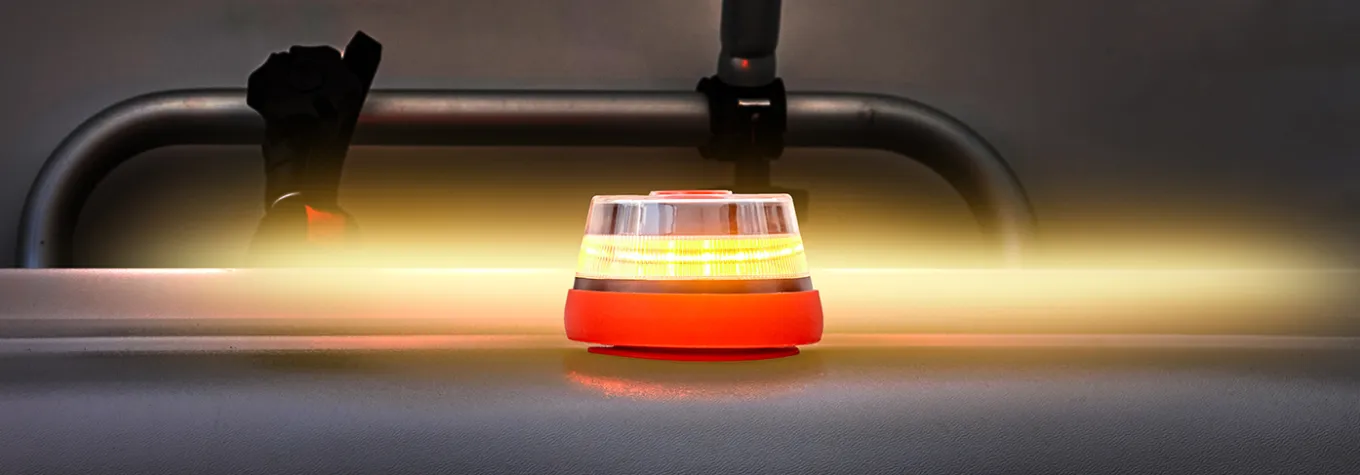
From 1 January, 2026, all vehicles registered in Spain will be required to carry a beacon with both flashing light and GPS.
British drivers planning to take their own motorhome, caravan or other vehicle to Spain are also being advised to comply with the new rules.
We were initially warned of this new legislation by a motorhomer who had recently returned home from a trip to Spain. According to the email the law was going to be mandatory for all vehicles driving in Spain, including British motorhomes.
But that is not true, it is limited to vehicles registered in Spain... however, there are safety benefits to complying with the new rules.

Rachel Scholes Content Editor: Motorhomes
Rachel Scholes Content Editor: Motorhomes
Stay safe with RoadFlash V16
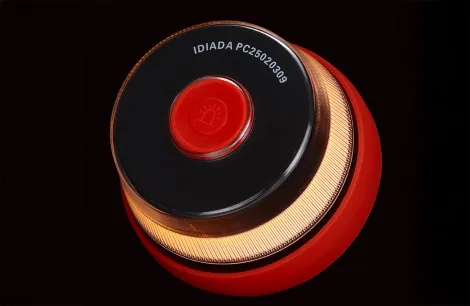
RoadFlash V16 is the perfect solution. Its light is more visible than warning triangles and, when switched on, it automatically transmits its location – alerting the local authorities to any accident, breakdown or medical emergency.
RoadFlash V16 fits in a glovebox and comes with a 10-year SIM card from first activation. It’s unique in being both magnetised and equipped with a powerful suction cup, so it easily attaches with no damage.
Spanish DGT confirms new beacon law only for Spanish vehicles
We asked the DGT (Directorate-General for Traffic) in Spain for clarification as there is a lot of misinformation online.
It said, “Spain is the first country to make this illuminated and connected device mandatory starting 1 January, 2026.
“The Vienna Convention establishes that countries may require, in order to permit ‘international circulation’ within their territory, that the vehicle be equipped with a signalling device consisting of ‘a plate in the form of an equilateral triangle’ or ‘any other device of equal effectiveness prescribed by the legislation of the country in which the vehicle is registered’. Vehicles registered in other countries that circulate in Spain as ‘international traffic’ will be complying with the regulations if they use triangles.
“Vehicles registered in Spain for ‘international circulation’ through another country that is a signatory to any of the current conventions will comply with the regulations by using the new illuminated V-16 hazard warning device, without the need to be equipped with warning triangles.”
So, UK-registered motorhomes will be legal if they carry a warning triangle.
Benefits of a beacon over a warning triangle
While the new beacon is only mandatory for Spanish-registered vehicles, there are definitely advantages for using the beacon instead of a conventional warning triangle.
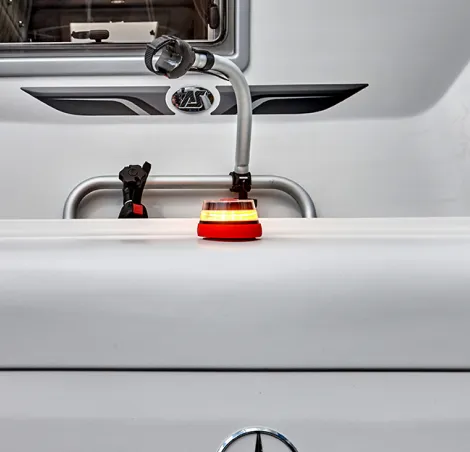
These battery-powered flashing red lights have an internal GPS and conform to a standard known as V-16. They are normally equipped with a magnetic base, but there are difficulties posed by motorhomes, so look for ones with suction or alternative form of attachment.
The V-16 signal is an emergency signalling device that will alert other drivers to an incident on the road. The V-16 is connected to the DGT, allowing the broken-down vehicle to be geolocated and an alert to be sent to other drivers.
When the button is pressed, the V-16 activates and emits a high-intensity flashing light. The device connects to the DGT platform and transmits its location in real time, once every 100 seconds.
Drivers in the area will receive an alert on their connected devices informing them of the incident.
Since the connectivity of the V-16 lights only applies in Spanish territory, their effectiveness abroad will be solely visual.
However, as a final note, the ability to use one of these beacons in close proximity to the vehicle as opposed to traipsing down the motorway or road in the event of a breakdown, cannot be underestimated. One of our motorhoming consultants has bought a flashing beacon for this very reason.
Top tips
Motorhoming in Spain
To be honest, most of the motorhomers we speak to say driving in Spain is much easier than back here in Blighty, because the roads outside the major cities are much quieter and Spanish drivers are generally in less of a rush.
- Wild camping is not legal in Spain, but can be tolerated in certain communities and there is a growing network of stopovers being set up. If you use an app like park4night, then be considerate when not using official stopovers. You can't assume that everything listed on this and other similar apps is safe, suitable or legal
- You will need beam deflectors for your headlights, which is the same for the rest of Europe, as well as a UK sticker on the rear
- Make sure you carry the right equipment according to the rules of the country - the RAC has an excellent guide on its website
- There are toll roads in Spain, which can generally be easily avoided. It's worth having some euro to hand in the cab, just in case card payments don't work
- Motorhomes over 3,500kg GVW need to stick to lower speed limits; 90km/h where the normal speed limit is 120km/h and 80km/h on main roads
Join the Out & About Live family
Get the latest news and exclusive offers direct to your inbox
Discover your inner outdoors with Out & About Live. For over 20 years we have provided the very best advice to motorhomers, campervanners, caravanners and campers – whether you are looking for travel advice, the very best campsites, help with choosing a new motorhome, news, shows, what’s on and much more – it’s all on Out & About Live.
We would love to welcome you to the family so sign up to our FREE email newsletters so you don’t miss out any longer.
Latest motorhome news
Explore our magazines
Enjoy expert tech help, travel and campsite inspiration, buying advice, reviews, and more with our best-selling magazines and guides.

Buying Your Perfect Motorhome
Buying Your Perfect Motorhome is the ultimate guide to turn your motorhome adventure into reality. From models starting at £20k to luxury options, layouts, finance, insurance, and a dealer directory, it has everything you need to find your dream motorhome.

MMM magazine
MMM is the UK’s best-selling motorhome magazine and your key to unforgettable trips, both in the UK and overseas. Packed with expert reviews, advice and maintenance tips to help you make the best choices and keep your motorhome roadworthy.


