Gaslow issues safety warning: refilling gas cylinders without genuine systems poses serious risks
Gaslow issues safety warning: refilling gas cylinders without genuine systems poses serious risks
Gaslow International, a leading provider of gas cylinder solutions, has issued a safety warning to all gas cylinder users regarding the dangers associated with refilling exchange cylinders at LPG forecourts without using genuine refillable systems.
The company has observed a concerning increase in people attempting to refill their gas cylinders with illegal and hazardous methods.
The advice
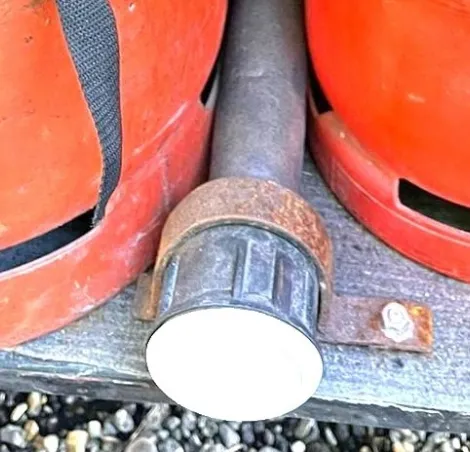
According to Carl Orton, Technical Manager at Gaslow International, there has been a surge in unlawful installations and alarming stories about the improper refilling of exchangeable gas cylinders. Orton emphasised that exchange cylinders should only be filled by authorised professionals in dedicated filling plants, not at petrol station forecourts. This is because these cylinders are filled by weight, which requires specialised facilities for accurate measurement.
Refilling exchange bottles without proper precautions can lead to extremely dangerous situations. Overfilling an exchange cylinder can result in life-threatening implications such as fires or explosions. To prevent such incidents, Gaslow International is urging individuals never to attempt refilling a cylinder without an automatic 80% overfill protection valve.
In recent cases, members of the public have purchased adaptors online to connect to filling nozzles for refilling empty gas cylinders used for camping or caravanning purposes. Gaslow International wants to raise awareness about the inherent dangers associated with this practice and discourage individuals from cutting corners when it comes to safety.
How to use it safely
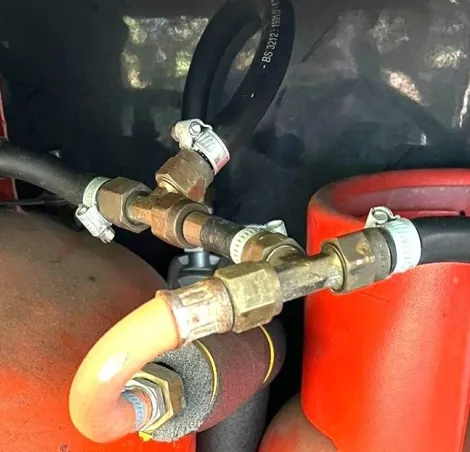
The Safe use of Gas Cylinders guide issued by the Health and Safety Executive (HSE) emphasises the importance of proper handling and storage of gas cylinders. It highlights crucial guidelines such as avoiding mixing gases and keeping cylinders away from heat or ignition sources.
Carl Orton further explained that both refillable and exchange cylinders are filled up to 80% capacity, allowing room for expansion within the cylinder. However, unauthorised overfilling at LPG stations has become increasingly common. This leads to high-pressure liquid being forced through regulators instead of vapour when supplying internal appliances in leisure vehicles - a potentially dangerous situation.
Gaslow's safety warning serves as a reminder that adhering to proper procedures when dealing with gas cylinders is paramount. By following these guidelines diligently, individuals can help ensure their own safety as well as that of others around them.