
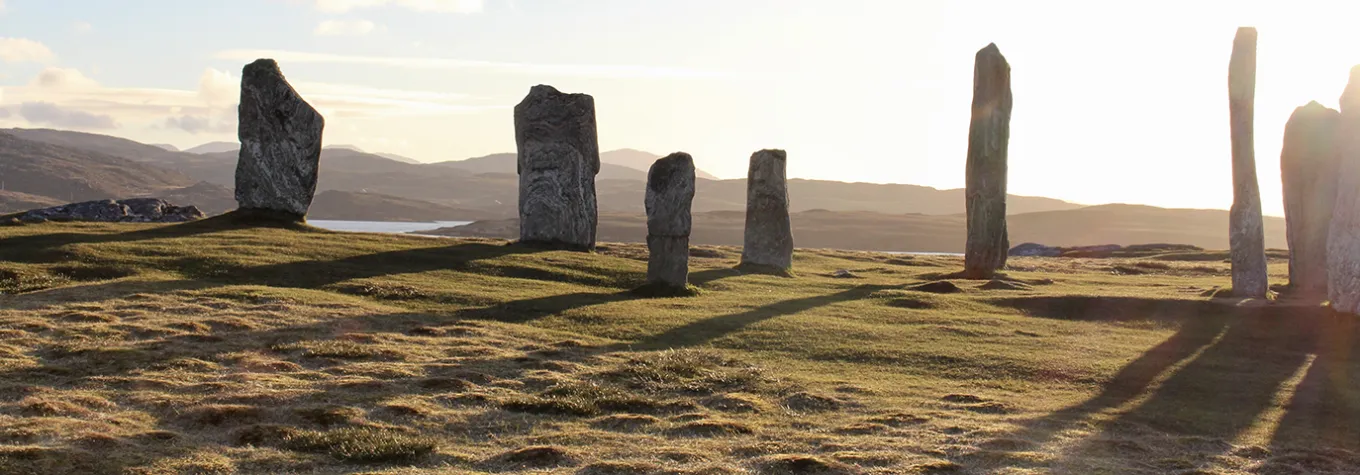
Go in search of Scotland’s myths and legends
News
Scotland’s biggest outdoor leisure show launches mythical map to tour Scotland
Partnering with tourism guide and influencer Andy The Highlander, the Scottish Caravan, Motorhome and Holiday Home Show has created a map to help tourists visit Scotland’s most enchanted locations.
Created to inspire visitors to uncover the country’s most magical, mysterious and breathtaking locations, the map unveils a treasure trove of must-visit destinations, each with its own mysteries, myths and dark secrets...

Claire Tupholme Content Editor: Travel/Campsites
Claire Tupholme Content Editor: Travel/Campsites
From the home of Scotland’s beloved Nessie, to misty peaks that stir the imagination, this map inspires visitors to dream big and craft their ideal Scottish adventure.
The collaboration with Andy The Highlander comes at a time when travelers are increasingly drawn to enigmatic destinations. Searches for ‘mysterious places on earth,’ ‘ancient cities,’ and ‘beautiful places in the world’ have surged on Pinterest, reflecting a growing desire for awe-inspiring escapes. With its deep-rooted history, rich in mystery and intrigue, Scotland offers the perfect setting to uncover otherworldly wonders.

People travel far and wide to come to Scotland looking to experience for themselves the magic which lies in our history and landscapes. It was great working with the Scottish Caravan, Motorhome and Holiday Home Show to create this unique map which I know will help people better select the places they should add to their Scottish itinerary.
Scotland's most mythical places
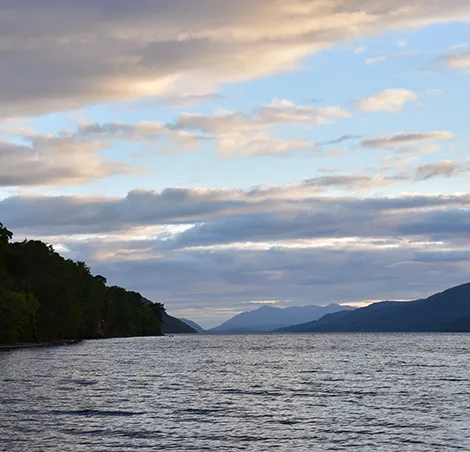
Loch Ness
Head to Loch Ness for a chance to catch a glimpse of the legendary Nessie, the long-necked creature rumoured to lurk in its deep, shadowy waters and the nation’s most famous mystical being.
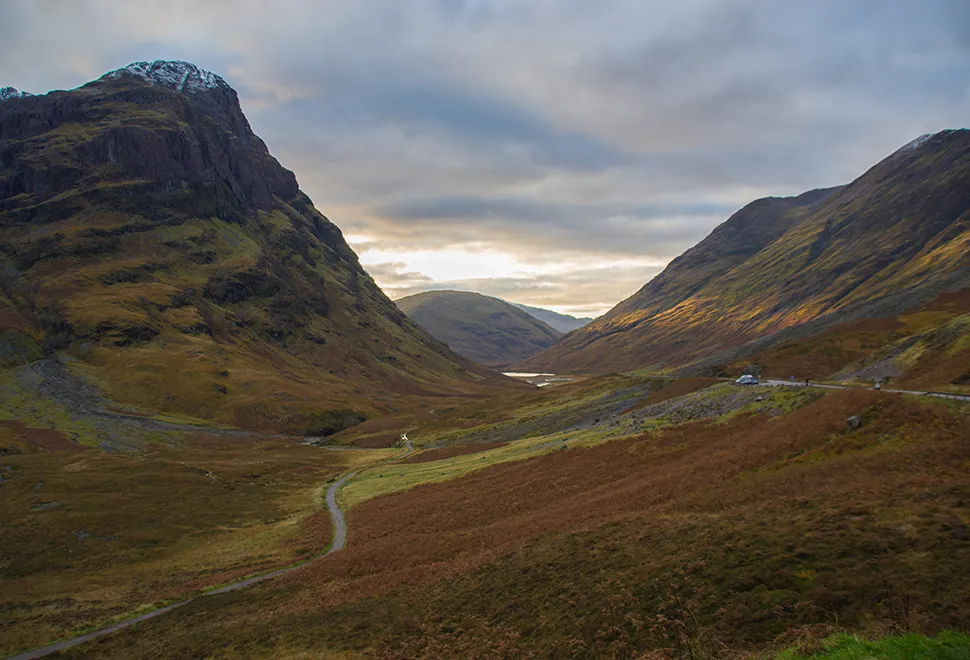
Glencoe
Glencoe’s mist-laden peaks ooze a haunting beauty, and hold a dark history, including the 1692 Massacre of Clan MacDonald. This glen is a captivating destination for mythical adventures and exploration.
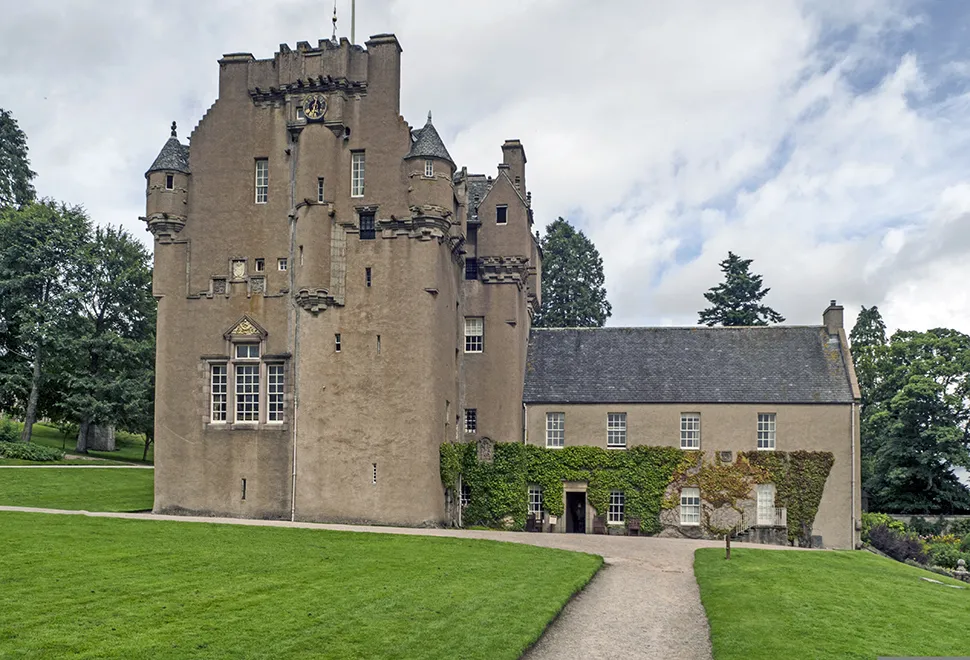
Crathes Castle
Located in the picturesque town of Banchory, Crathes Castle is rich in supernatural lore and history. There are regular sightings of The Green Lady, the castle's resident ghost, holding an infant and visitors have reported sudden chills and unexplainable noises in her presence.
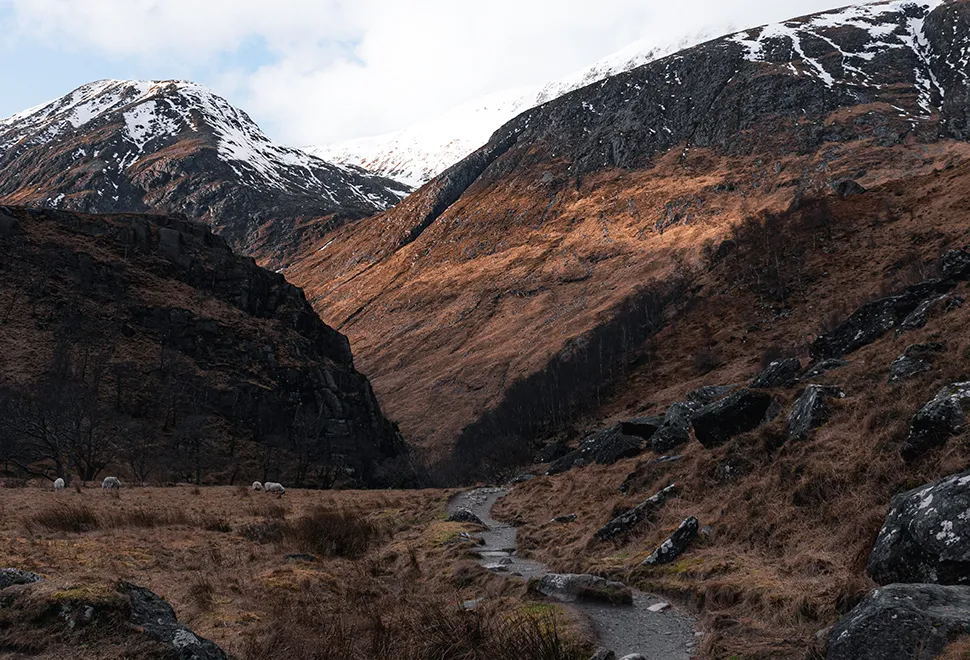
Glen Etive
Meaning the "Valley of the Sun" in Gaelic, Glen Etive is known for its healing waters. Its tranquil solitude carries an otherworldly energy, as if spirits of the past still linger amid this serene landscape.
Slains Castle
Windswept gothic ruins that look out over Aberdeenshire's Cruden Bay, and are thought to have been the inspiration for the novel Dracula. Locals tell tales of figures roaming its dark corridors, and some say ancient rituals were held by its cliffs long before its stone walls were raised.
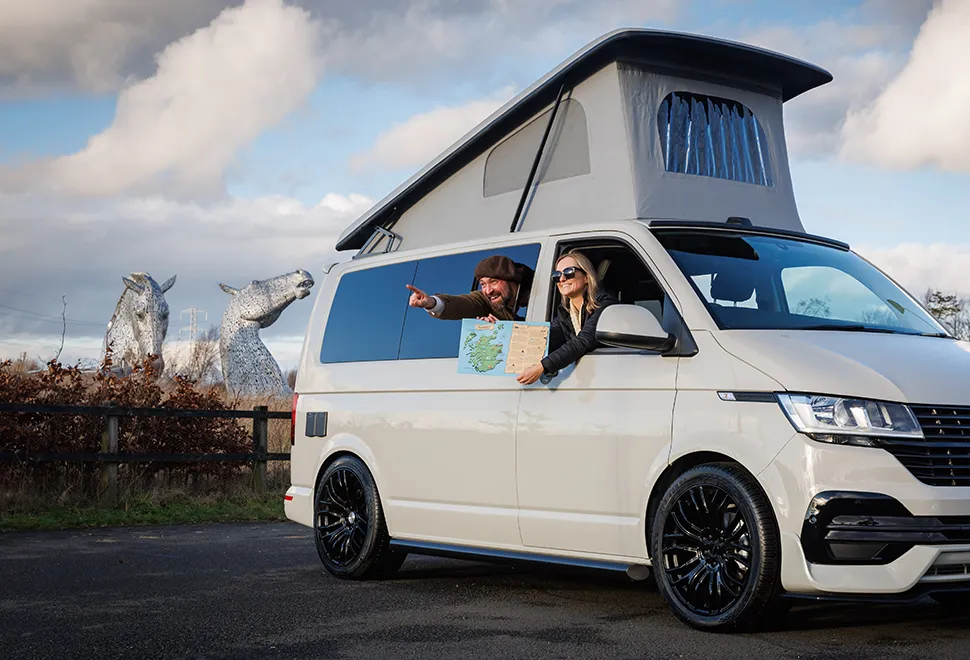
The Kelpies
These 30-metre-high sculptures in Falkirk, celebrate Scottish folklore’s mythical water horses. Appearing as horses or humans, the kelpies would lure seafaring travellers to watery graves.
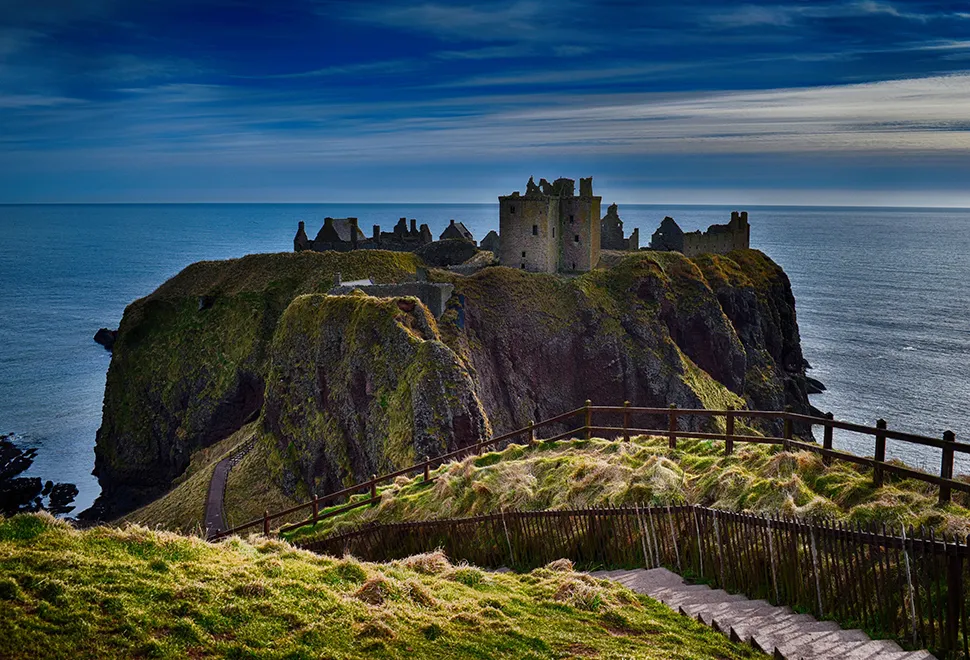
Dunnottar Castle
Dunnottar Castle's history and legend take the form of ghostly tales of a girl in green and protective spirits said to have safeguarded the Scottish Crown Jewels during Cromwell’s siege.
Castle Kennedy
Surrounded by breathtaking gardens, legend has it that the ruins of Castle Kennedy are haunted by the ghost of a sorrowful noblewoman, the Lady in White. People have reported mysterious lights and eerie, unexplained sounds echoing through the gardens.

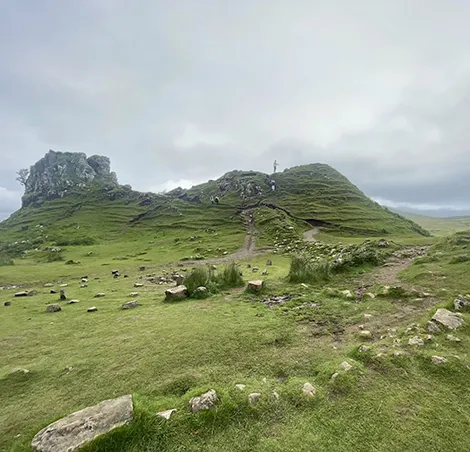
Fairy Glen
Nestled on the Isle of Skye, the Fairy Glen is a magical, otherworldly landscape steeped in folklore. Legend has it that Skye’s fairies shaped its cone-shaped hills and stone spirals. Some believe that walking the spirals or leaving an offering might invite their presence or bring a blessing of good fortune.
Eyemouth
Eyemouth’s charm is woven with tales of maritime tragedy and folklore. The devastating Great Storm of 1881 took the lives of over 180 fishermen, and eerie lantern lights are said to lead their spirits home. Adding to the village’s mystique are legends of selkies, seal-like creatures that take human form.
Callanish Stones
Legends claim that The Callanish Stones on the Isle of Lewis were once giants turned to stone for defying Christianity. Embodying Scotland’s rich folklore and celestial connections, the stones are thought to serve as an astronomical calendar or sacred ritual site.

Latest campsite news
Next Shows

The Big Land Rover Fest 11th - 12th July 2026
Experience The Big Land Rover Fest – a weekend of off-roading, live music, club displays and family fun at Newbury Showground, 11–12 Ju...

The Norfolk Motorhome & Campervan Show 17th - 19th July 2026
Join The Norfolk Motorhome & Campervan Show, 17-19 July 2026, for the Out & About Live Summer Party! Explore motorhomes, live demos, an...

Retro Festival 7th - 9th August 2026
Retro Festival celebrates timeless hits, vintage vehicles, fashion shows, and fairground fun.