
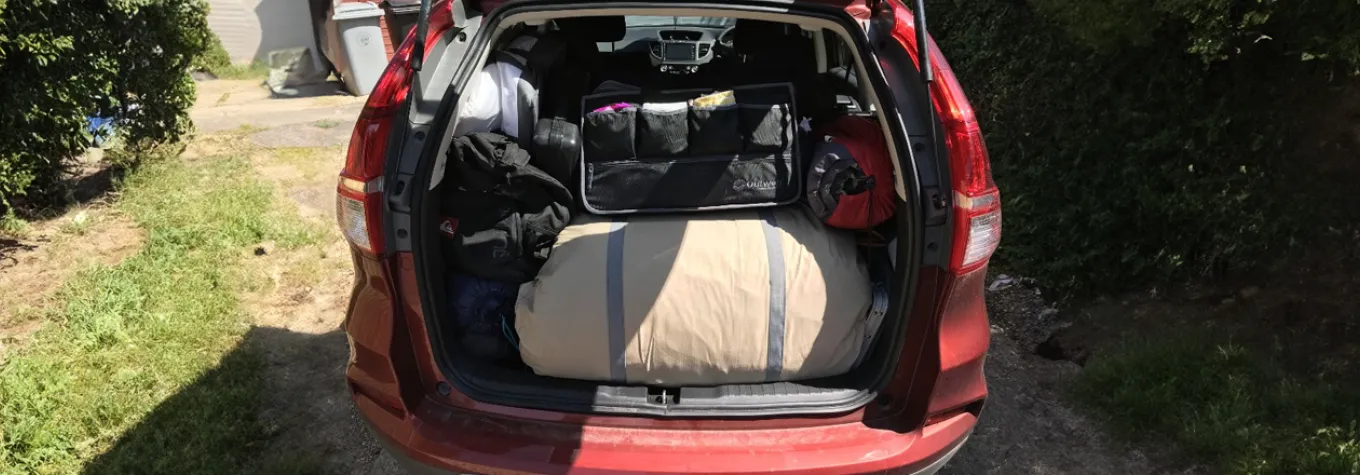
How to pack all your camping gear into your car
How to pack all your camping gear into your car
When embarking on a camping trip, the excitement of the outdoors often comes hand-in-hand with the challenge of efficiently packing your car...here we show you how to pack your car perfectly for your camping trip.

Iain Duff Content Editor: Campervan/Camping
Iain Duff Content Editor: Campervan/Camping
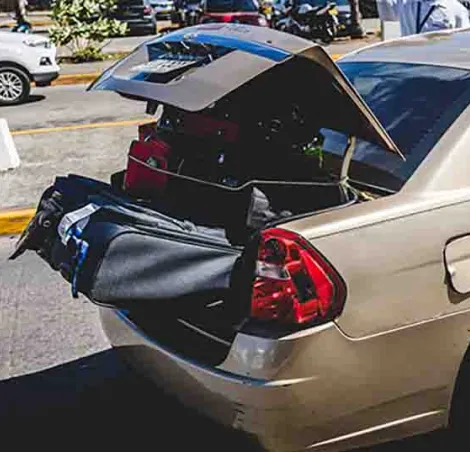
Packing your car boot
With the amount of equipment people take on family camping holidays these days, packing can be a problem. A large tent takes up much of your boot, so you will have to find other ways to fit all the equipment into the car and get it safely to the campsite.
The reality is that most car boots simply aren’t big enough for the amount of kit you might want to take on a two-week holiday.
Cramming luggage in around the kids in the back seat is not recommended, so you then need to think about investing in a roof box or a trailer.
Remember, it’s illegal, dangerous and can invalidate your insurance if you are found to be driving an overloaded vehicle.
The car boot, often the starting point for your packing efforts, requires careful planning and strategy. Here's how to efficiently load your gear:
Before you start loading, take a moment to plan your packing strategy.
Consider what items you'll need first upon arrival and pack them last.
Placing your tent nearest to the boot entrance ensures easy access without disrupting the entire load.
#1 Use a checklist
Avoid last-minute panic by using a checklist to ensure you haven't overlooked any essential items.
This reduces the risk of leaving behind critical gear like tin openers, bottle openers, or airbed pumps.
#2 Secure heavier items
Prevent items from shifting during transit by using cargo nets to secure heavier equipment like stoves and barbecues.
Ensure gas cylinders are turned off during transport to guarantee safety.
#3 Opt for smart storage
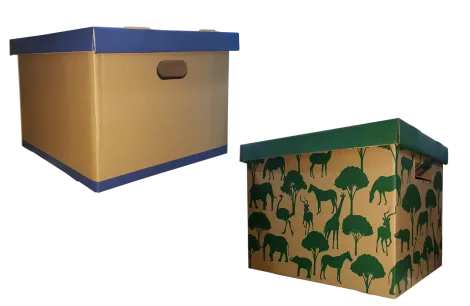
Consider using collapsible storage options to keep your car and tent clutter-free.
Sturdy collapsible containers are preferable to cardboard boxes, which lack durability and can create unnecessary chaos.
#4 Prioritise safety
Avoid squeezing gear around passengers; in the event of an accident, loose items can transform into dangerous projectiles.
Stow drinks and snacks in the front of the car for easy access.
#5 Plan meals ahead
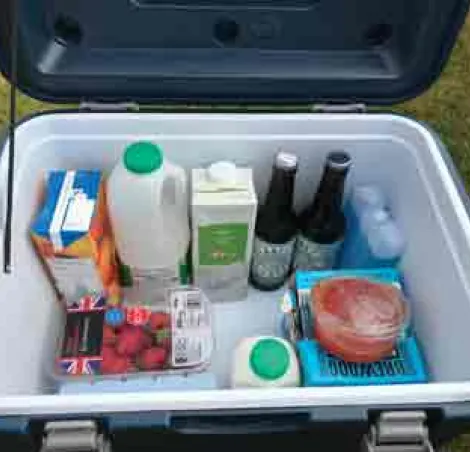
Pack a coolbox with essential provisions for your first meal on the campsite.
This self-sufficiency not only saves time but also minimises stress and expenses.

#6 Spare wheel and jack
Don't cover your car's spare wheel and jack with gear, as you might need them in case of a puncture.
Accessibility to these items is crucial during emergencies.
#7 Avoid overloading
While it might be tempting to pack everything imaginable, resist the urge to overpack.
Strive for a balance between necessity and convenience to prevent unnecessary hassle.
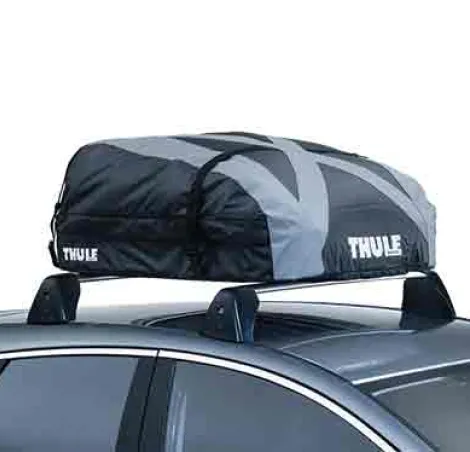
Transporting gear on the car roof
If the confines of your car boot are limiting, consider using a roof box to expand your storage capacity.
Roof boxes are invaluable extensions of your car's storage space. Here are some tips when considering a roof box:
Roof box guide:
- Choose a roof box model that suits your car's shape and size.
- Invest in a quality roof box to ensure durability and security. Prices range from £70 to more than £1,000 plus the cost of the bars and fitting.
- Any brand of roof box can be fitted to any brand of roof bars.
- Knowing the exact make, model, trim level and year of your car is essential to make sure you get exactly the right fit.
- Follow proper installation guidelines to avoid accidents.
- Prioritise the distribution of weight within the roof box and avoid overloading.
- Keep in mind that carrying a roof box may affect fuel economy and driving dynamics.
- Ensure your car's overall height with the roof box doesn't impede access to certain areas such as car parks and ferries.

Using a trailer to transport camping gear
Trailers are ideal for carrying larger amounts of gear. Here's what to keep in mind when using a trailer:
Top tips for using a trailer:
- Ensure your car's engine and brakes can handle the additional load.
- Check that the trailer's weight doesn't exceed your vehicle's towing capacity.
- Prioritise safe driving and braking due to the trailer's impact on performance.
- Securely load and tie down items within the trailer.
- Confirm that your car insurance policy covers trailer usage.

Tips for packing your car
Select your equipment carefully
Choose compact camping gear that folds down efficiently. This approach minimises the need for bulky roof boxes or trailers.\
Space-saving accessories
Select items like folding chairs, collapsible tables, and compact kitchen essentials to optimise space utilisation.
Strategic arrangement
Store heavier items close to the car's centre of gravity, such as over the wheels, to maintain stability during transit.
Creative packing
Maximise your car's space by utilising nooks and crannies. Roll up sleeping mats and strategically fit items together like a puzzle.
FAQs
-
How can I avoid overloading my car?
Check your car's payload capacity and avoid exceeding it. Consult your vehicle's VIN plate for maximum weight limits (or maximum train weight if towing) – if you’re unsure, go to a weighbridge.
-
Can I use a trailer for camping gear?
Yes, a trailer can provide extra storage space, but ensure your car is equipped to tow it safely.
-
Are roof boxes secure?
Yes, properly installed roof boxes are secure. Follow manufacturer guidelines and ensure even weight distribution.
Final thoughts
Efficiently packing your car for a camping trip enhances the overall experience, ensuring a safe and comfortable journey.
From smart boot organisation to using roof boxes or trailers when necessary, these strategies enable you to embark on your adventure well-prepared.
By selecting space-saving gear and arranging items thoughtfully, you'll make the most of your vehicle's capacity.
This will mean that you can enjoy a memorable camping experience in the UK's great outdoors.

Latest camping articles

Next Shows

The Big Land Rover Fest 11th - 12th July 2026
Experience The Big Land Rover Fest – a weekend of off-roading, live music, club displays and family fun at Newbury Showground, 11–12 Ju...

The Norfolk Motorhome & Campervan Show 17th - 19th July 2026
Join The Norfolk Motorhome & Campervan Show, 17-19 July 2026, for the Out & About Live Summer Party! Explore motorhomes, live demos, an...

Retro Festival 7th - 9th August 2026
Retro Festival celebrates timeless hits, vintage vehicles, fashion shows, and fairground fun.