
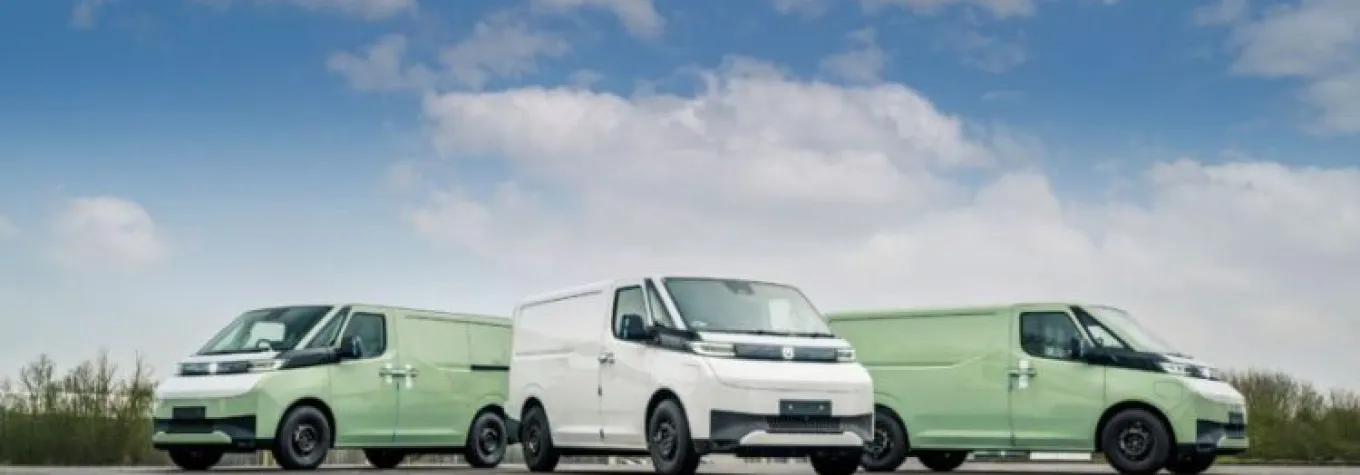
Electric Campervans: Future Ready or Still a Dream? Exclusive Look at the Farizon EV Van
Electric Campervans: Future Ready or Still a Dream? Exclusive Look at the Farizon EV Van
Before diving into the details, make sure to watch our exclusive video from The National Motorhome & Campervan Show, where Peter Vaughan and Paul Kirby explore one of the UK’s first Chinese-built electric vans.
Farizon EV Camper: Is This the Future of Motorhomes? Exclusive UK Preview!
The Electric Future is Coming Fast
By 2035, all new vans and cars sold in the UK must be electric under government mandates, and this dramatic shift is already sparking debate among motorhome enthusiasts. While some embrace the promise of cleaner, quieter travel, others remain skeptical, often due to poor early experiences with EV infrastructure.
Peter Vaughan shared his own frustrations — from unreliable charging apps to confusing payment systems and long wait times at public chargers. But as Paul Kirby, known as “The Electric Van Man,” pointed out, these issues are not necessarily the fault of the vehicles themselves but rather the growing pains of a developing ecosystem.
Enter the Farizon EV Van
At this year’s show, all eyes were on the Farizon van from China, making its UK debut. With a spacious design and innovative features like a large sliding bifold door (thanks to the removal of the traditional B-pillar), it offers an entirely new perspective on van life. The interior can be cleverly reconfigured, creating a bright, open connection to the outdoors — something campervan lovers crave.
The technical specs are equally impressive. With a 106 kWh battery, the Farizon claims an official range of 220 miles, which realistically drops to around 170–180 miles once converted into a camper and fully loaded. Its fast charging capability (up to 140 kW) makes it competitive with European counterparts like Ford and Mercedes, but at a significantly lower price point, starting around £52,000.
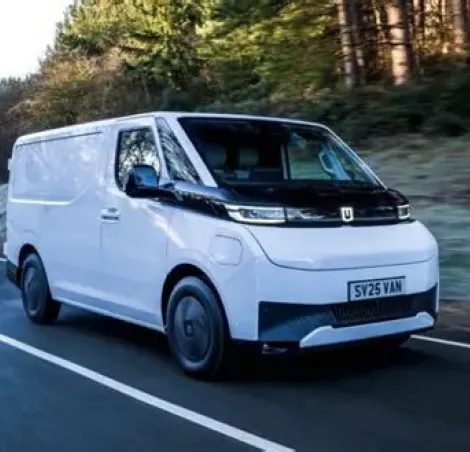
Challenges and Opportunities
While the Farizon showcases what’s possible, big hurdles remain before electric campervans become mainstream. Range anxiety is real, especially for those who love to head off-grid or travel through rural areas where charging infrastructure is sparse. Drivers worry about whether they’ll make it to the next charging point, particularly in remote areas of Scotland or across the continent in Europe.
In addition, there are questions around winter performance, charging times, and real-world usability that haven’t yet been fully addressed. Cold weather can significantly reduce battery range, and while new technologies such as heat pumps and battery pre-conditioning are helping to improve efficiency in low temperatures, they add complexity and cost.
Charging times also remain a sticking point. While rapid chargers can top up a battery to 80% in under an hour, many campsites and rural areas lack fast charging facilities altogether. This means that tourers may need to rethink their itineraries, plan longer stops, or adjust travel habits to accommodate charging schedules.
Crucially, the future of electric campervans hinges on consumer demand. Manufacturers will only invest heavily in production if they see a clear appetite from buyers. At present, the market remains cautious. Many seasoned motorhomers and van lifers still prefer the tried-and-tested diesel options, which offer familiarity, widespread refuelling infrastructure, and proven long-range touring capabilities.
As Paul Kirby emphasizes, education is absolutely key. Potential buyers need opportunities to experience these vehicles firsthand — not just on short test drives, but in real-world camper settings over longer trips. This hands-on experience can help build confidence, dispel myths, and shift mindsets. Demonstration vehicles, trial weekends, and dedicated events showcasing electric campervans could play a major role in accelerating adoption.
Ultimately, while the road to electric campervan adoption is challenging, it is also full of potential. With the right investment, infrastructure, and consumer engagement, the next few years could see a rapid transformation in how we think about touring and sustainable travel.
Looking Ahead
We’re still a little way off from seeing fully built campervan versions of the Farizon SuperVAN on the roads, but this debut highlights just how fast the industry is evolving. As battery technology continues to improve, we’re likely to see electric vans that can travel further, carry more weight, and charge even faster — making them increasingly practical for touring lifestyles.
Beyond just technical improvements, we’re also seeing a cultural shift. More and more motorhome and campervan enthusiasts are actively looking for eco-friendly options that reduce their environmental impact without sacrificing freedom and comfort. Manufacturers, converters, and suppliers are starting to respond to this demand, with new lightweight materials, solar integration, and smart energy management systems becoming mainstream in modern builds.
The Farizon is a bold statement of intent. While some challenges remain — particularly around charging infrastructure, range on long continental trips, and higher initial purchase costs — the van hints at a future where electric campervans could become a common sight on UK roads and beyond.
For adventurous early adopters, the appeal of being among the first to explore the world in an all-electric camper is strong. It’s not just about quiet, smooth driving and lower running costs; it’s also about embracing a new, more sustainable way of travelling and exploring.
The Farizon SuperVAN has set the stage. Now, it’s over to converters and designers to turn this blank electric canvas into dream campervans that inspire the next generation of van lifers. One thing is clear: the electric revolution is no longer a distant dream — it’s arriving faster than we ever imagined.
Are you looking to buy a new or used Motorhome or Campervan? why not visit our next show in Norfork
Latest show news


Next Shows

The Big Land Rover Fest 11th - 12th July 2026
Experience The Big Land Rover Fest – a weekend of off-roading, live music, club displays and family fun at Newbury Showground, 11–12 Ju...

The Norfolk Motorhome & Campervan Show 17th - 19th July 2026
Join The Norfolk Motorhome & Campervan Show, 17-19 July 2026, for the Out & About Live Summer Party! Explore motorhomes, live demos, an...

Retro Festival 7th - 9th August 2026
Retro Festival celebrates timeless hits, vintage vehicles, fashion shows, and fairground fun.


