
East Neuk Fifer M



Description
East Neuk Fifer Touring M 2011
Key Features
Full Review
ENC’s Fifer has been updated to give major manufacturers something to worry about...
What’s new from East Neuk Campervans? There’s loads going on here at their east coast of Scotland premises, not least the recent purchase of extra land and permission to build a whole new factory and showroom complex. Not that they’ve forgotten about making motorhomes in the process. Indeed, there’s a positive flurry of activity on this front, too.
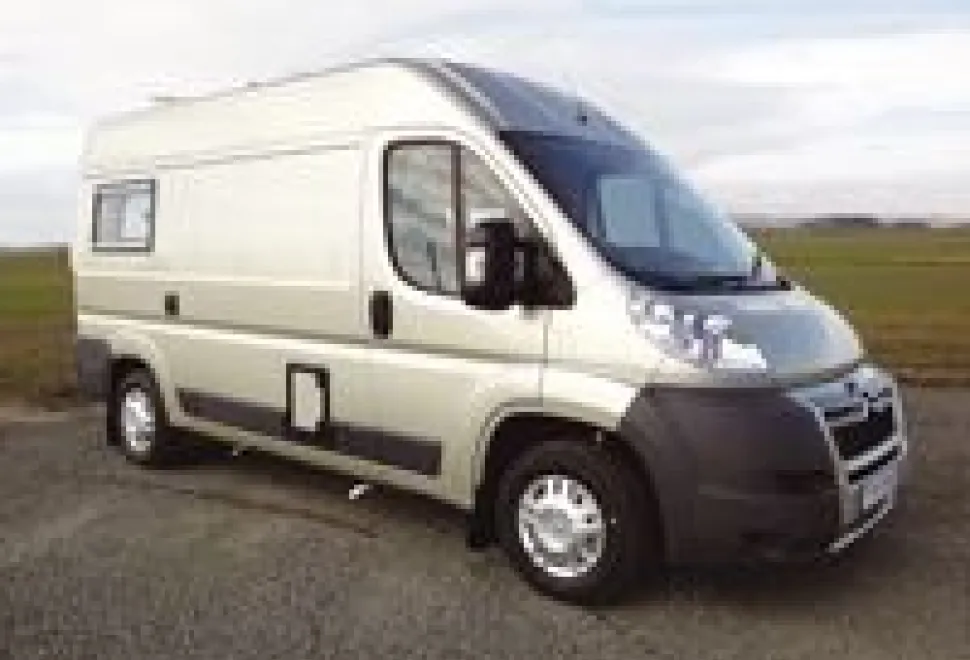
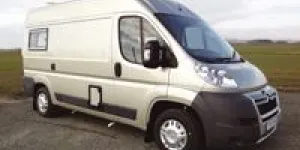
We broke the news of an all-new compact coachbuilt and a short-wheelbase Renault Trafic-based camper last month, but it’s the Fifer that’s the longer-term success for ENC. Now built on short, medium and long-wheelbase versions of Citroën’s Relay (think Fiat Ducato/Peugeot Boxer but with the French company’s chevron logo on the bonnet and steering wheel) ordered in by ENC with a host of upgrades that they feel should be standard on all their conversions.
And there’s plenty new to talk about on the mid-range M version, starting with the base vehicle. All of ENC’s Fifers are now based on a significantly enhanced Citroën Relay with the 120bhp 2.2-litre engine and maximum gross weight of 3500kg that allows for a near-700kg payload. Other ‘standard fittings’ specified by ENC include metallic paint, and a choice of reversing camera or sat-nav / tracker and reversing sensors. The Golden White paintwork here neatly sets off the interior colouring.
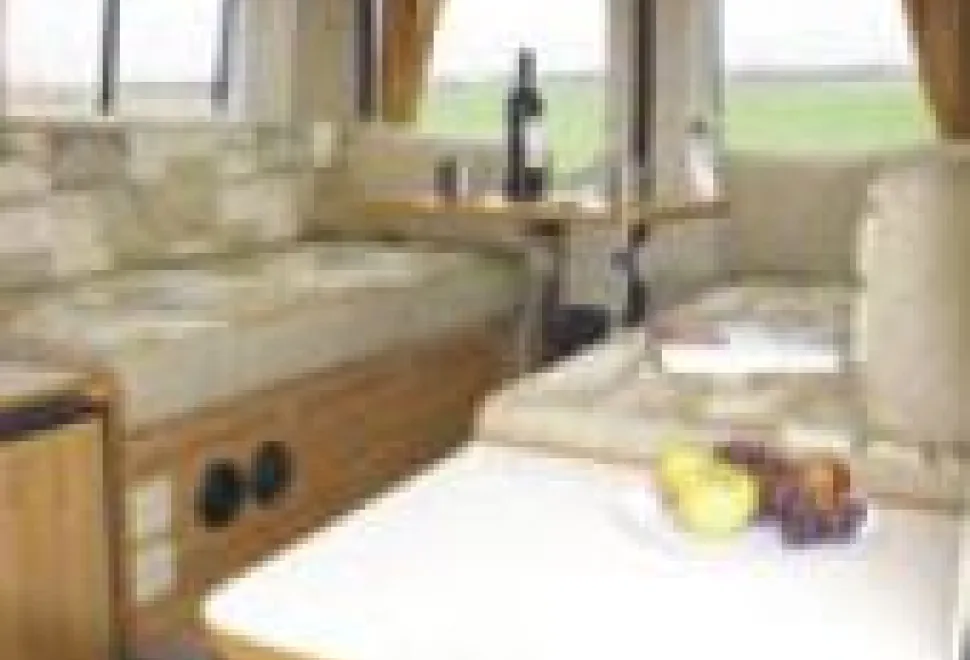
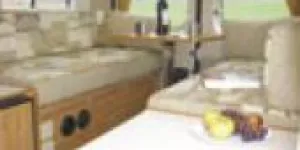
Inside, it’s a not so typical strictly two-berth layout that keeps the cab separate from the living quarters. Step through from the (non-upholstered) driver’s and passenger’s seats, and you’re in spacious enough surroundings that see the kitchen unit just inside the sliding door, a rather superior washroom extending from just behind the driver, and twin inward-facing settees at the back.
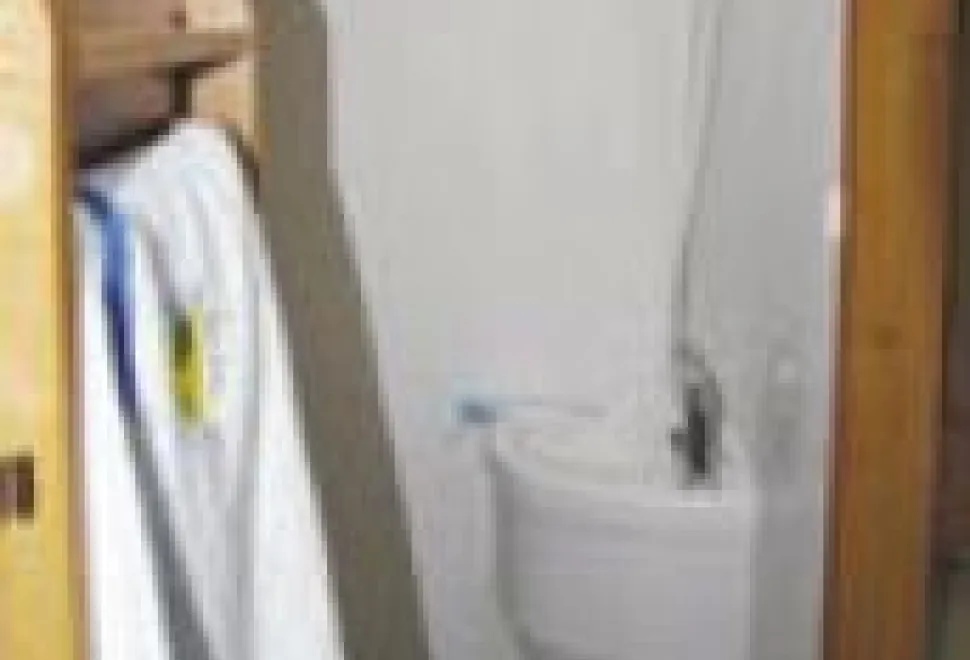
It’s the washroom that signifies ENC’s determined approach to motorhome manufacturing. First, the walls here are GRP; indeed, look closer and they are a single mould. So, not only no chance of problems with leaks but it should last at least one lifetime. The washbasin, too, is ENC’s own design, again in GRP. And, if you’re wondering where things like soap holders and towel hooks are, ENC don’t fit them until after agreement is made with the purchaser. Also, pride of place in the washroom goes to a swivel-bowl toilet. No run-of-the-mill model this, it’s Dometic’s latest, with ceramic interior.
Now, look closer around the rest of the conversion and you’ll see quite a lot of evidence of ENC’s own GRP work – at edges to steps, the leisure battery floor locker, the insulated fresh and waste water tanks, even around the overhead lockers. And the overall specification matches up to the build, with such goodies as a solar panel and thumping great 180Ah leisure battery promising true self-sufficiency if you’re away from mains hook-up for long periods. Note also, the rear side windows are sliders (rather than cheaper top-hinged versions), there are insulation screens for the cab and the rear windows, and the rear seating may be firmer than most but it has a feel of durable quality.
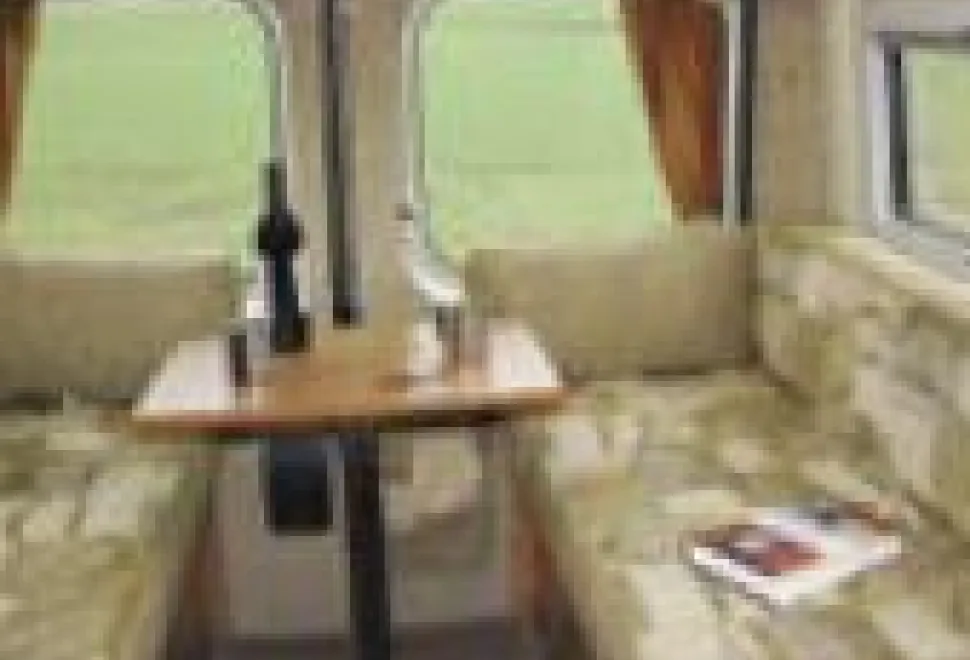
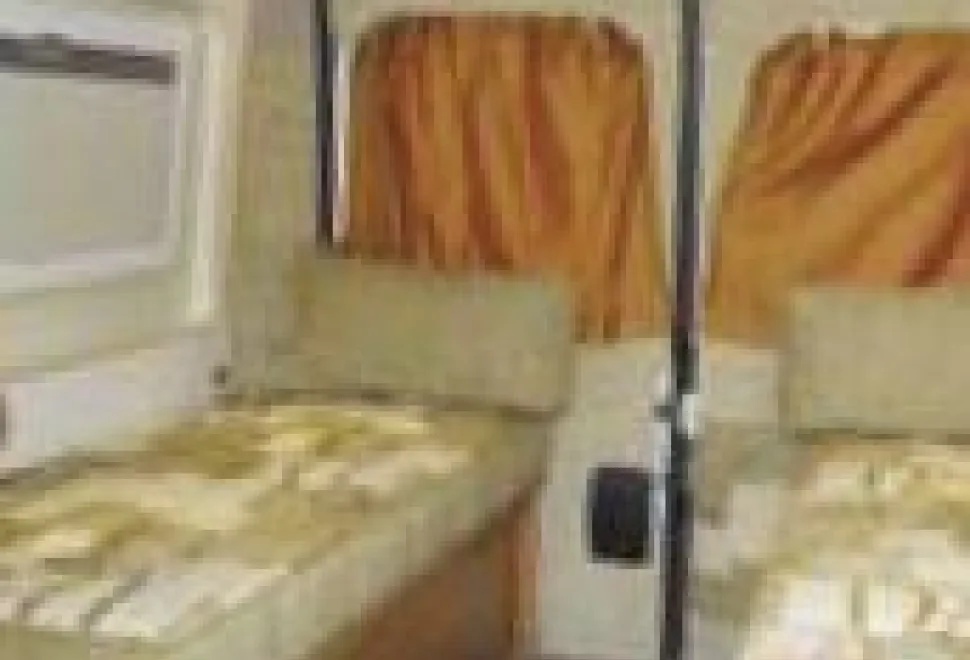
That lounge is just the right size for sprawling because, although each settee looks short, you can add the extra, thin bed cushions to extend them out to 6ft 1in and 6ft 5in, offside and nearside respectively. At night, you have the option of twin single beds or a transverse double. The latter is a tad tight (as with any transverse bed in a panel van) at 6ft 1in by 4ft 5in, but it’s a flat, firm mattress that still leaves plenty of floorspace.
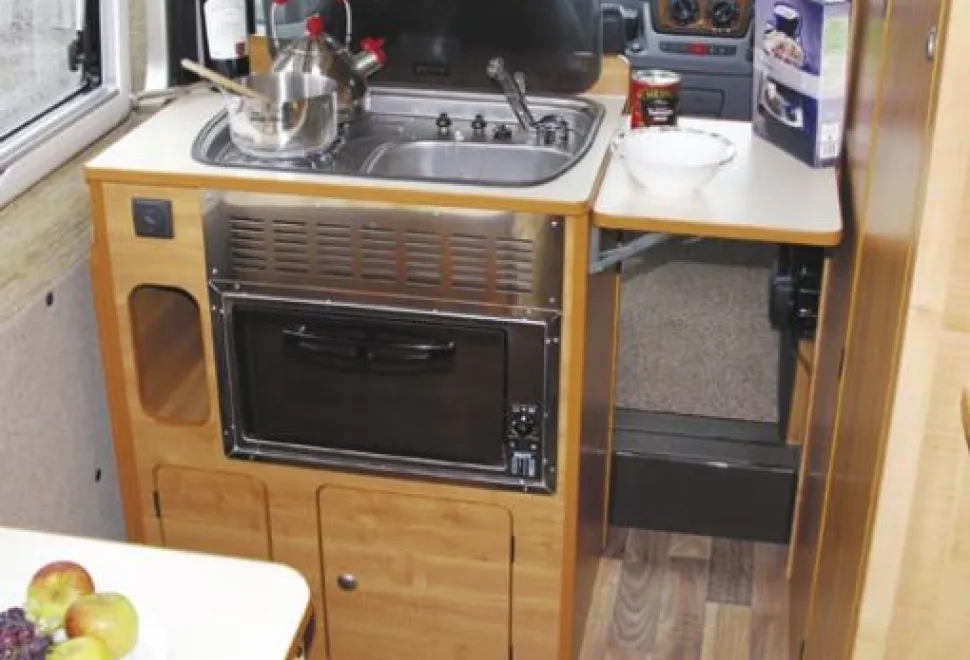
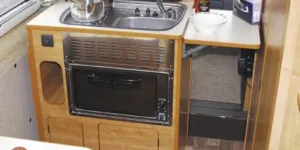
Concertina blinds to the side windows and Heki rooflights overhead take care of night-time blackout and (just as importantly) mean less rattles than sprung versions when it comes to travel. There’s no compromise on the Fifer’s heating system, either. It’s a Webasto unit operating from the vehicle’s diesel supply or mains electricity and is also the source for almost instant hot water. Turning the kitchen side-on behind the passenger’s seat means the sliding door entrance isn’t compromised. A grill / oven is part of the specification, with a combined two-ring hob and sink on the top.
When you hear ENC do all their own glass-fibre work in-house, and cut all their own furniture using a computer-operated router, you could be forgiven for thinking they are a large manufacturer. Not so, they currently turn out some 30 new vehicles a year. But boy, do they do things the right way. There’s a commitment to quality that far exceeds many a motorhome maker, large or small, and it certainly shows up in the latest incarnation of the Fifer M.
OK, so ENC only sell direct, which might mean a long way to travel even to get a viewing (although they’re regulars at The National Motorhome Show in Peterborough). Then again, it looks like a journey well worth making...
To read the full motorhome review in PDF format exactly as it appeared in the June 2011 issue of Which Motorhome, click here.If you don't already have Adode Acrobat to be able to open a PDF, download it for free 
Our Verdict
Wth diesel-heating, solar panels, large capacity leisure battery and a good washroom the Fifer is a very capable touring vehicle, even if you don’t have a mains hook-up.
Disadvantages


