
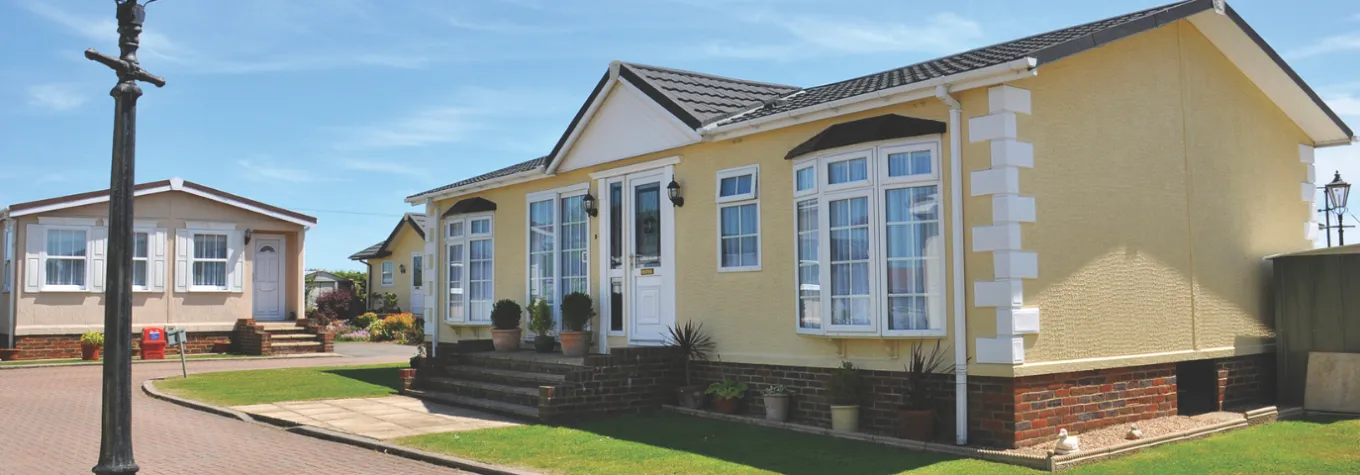
Park home insulation: everything you need to know
Park homes
Park home living can be much more relaxed and comfortable than living in a standard bricks and mortar home, but you do need to make sure that yours is well insulated. It can cost between £8,000 and £20,000 to insulate a park home, and between £10,000 and £12,000 to clad a park home, but the benefits of doing so are enormous.
Proper insulation and cladding will both improve your quality of life and save you money in the long run! Read on to find out more about park home insulation and how you can drastically improve your standard of living.
Discover holiday parks on Campsite Finder
If you're searching for holiday parks around the UK, Campsite Finder is your best bet – this free online tool enables you to discover campsites and holiday parks across the length and breadth of the UK. Whether you're looking for a holiday home to purchase or just fancy a short break, Campsite Finder needs to be your first port of call!
What is park home insulation?
Park home insulation enhances the thermal properties of a park home, increasing heat retention.
Different materials – from foil-clad panels to insulating foam – help to prevent heat from escaping, which means that your park home will cost less to heat.
How well insulated are park homes?
Modern park homes are insulated to a very high standard. But that was not always the case; park home construction standards have risen dramatically over the years, and so older park homes may not be as well insulated as those built in recent years.
For that reason, adding additional insulation to an older park home is a popular option.
Insulating a park home: what's the best way?
In one word: comprehensively.
There are a number of companies that specialise in park home insulation. Most offer a comprehensive service, adding insulation to the roof, floor and walls. Different companies offer different options – and getting advice that is specific to your park home is crucial.
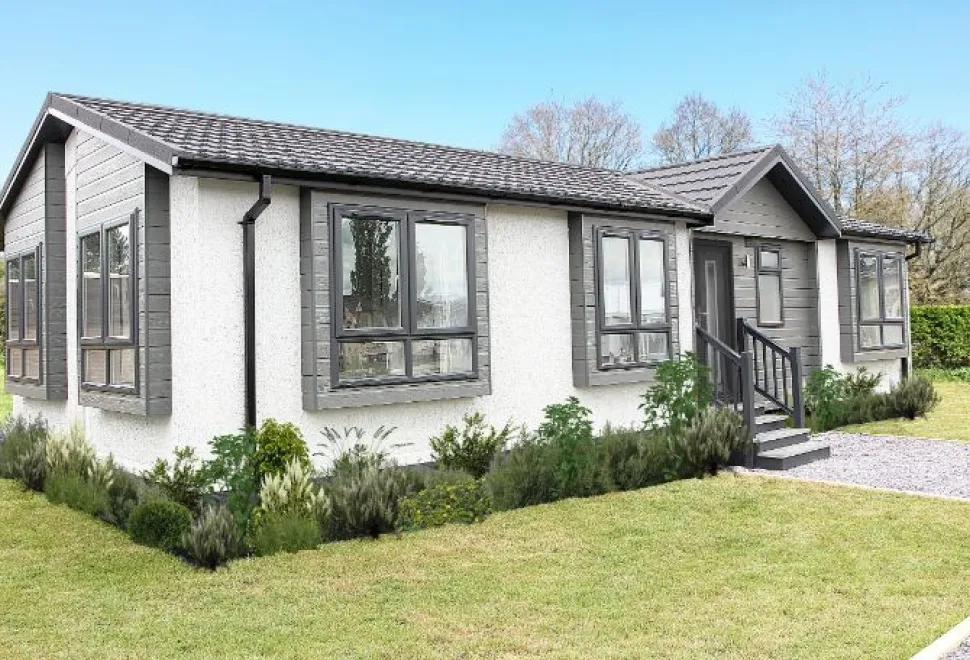
Park home insulation for walls consists of cladding materials, often fitted over the original insulation, to enhance insulation. The effect is to increase the thickness of the walls. The exterior boards may have to be stripped off to expose the studs between the boards of cavity walls; glass-fibre or polystyrene may be inserted; a breathable membrane added, and new external panels installed. Much depends on the age and condition of the park home as to what needs to be done.
Increasing the thickness of the walls will alter the position of the window frames; the windows will have to be taken out and realigned to the new wall line. At the same time, park home owners may like to consider upgrading the windows, replacing them with those that have a higher energy rating.
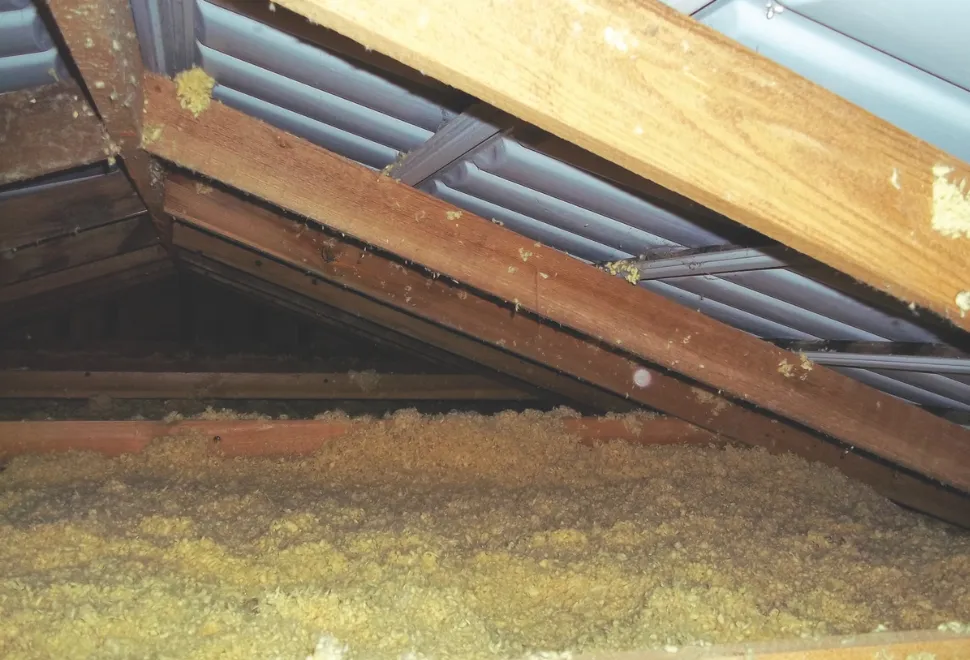
Park home underfloor and roof insulation can be upgraded, too. Underfloor insulation often involves a layer of polyester fibre, plus a film of foil-like substance. Park home roof insulation often involves treating the roof timbers with a wood preservative, for any damage caused by rotting. Mineral wool insulation is installed by some companies; processes and materials will differ according to the construction of the roof and the age of the park home.
Different companies offer different methods of achieving enhanced park home insulation; that is why it is wise to approach several companies for information and quotes.
Benefits of insulating a park home
In a nutshell, enhanced insulation in your park home means lower heating bills. That’s because less heat escapes from your park home.
Specialist company, Park Home Insulations, says increasing park home insulation could save you up to 65% off your heating costs. The company estimates that a third of all park home heat loss is through the floor of the property. Because park homes are raised off the ground, air circulates underneath. When the air is cold, it can find its way into your home through the floor, alongside pipework and around the edges of the home.
Keeping your home at a constant warm temperature prevents condensation and thus deters the build-up of dampness, mould and mildew. Not only is the elimination of dampness good for your home, but it’s good for your wellbeing.
With heat trapped inside your home by good insulation, your central heating boiler doesn’t have to work so hard to keep the temperature at a comfortable level, which, in turn, lowers your energy bills. And, of course, using less energy is good for the environment as well as your wallet.
Even though new park homes are insulated to a high standard, it’s worth bearing in mind that, over time, insulation fitted at the manufacturing stage can deteriorate, as in a home of any type, reducing effectiveness.
Types of park home insulation
Park home insulation is divided broadly into three categories: roof, wall and underfloor. Upgrading all three will create huge benefits on keeping your home warmer and your energy bills lower.
Different companies use different systems, so search around for the one that best suits your needs – and your budget.
For example, Devon-based Insulated Homes Ltd carries out a full survey of your park home, before installing a breathable, insulated foil blanket under your home. The system features a 40mm-thick quilted material, consisting of aluminium foil, wadding and high-density foam.
The quilted material is fixed directly to the joists under your home and any gaps around pipes are tightly sealed with insulating tape. The insulation is completely removable when necessary for maintenance of piping and cables under the floor.
Another, different, example is Park Home Chassis Services’ SNUGGERfloor – a fully bonded and sealed underfloor insulation system, providing a complete fixed layer under the home to eliminate air gaps and draughts. It involves a watertight, breathable metal membrane, four layers of polyester fibre wadding, three perforated coated metal polyolefin (a type of polymer) films and a perforated, coated, metal-reinforced polyolefin film.
This system meets all health and safety requirements, including the 25mm gap between the base of the home and skirting. This allows air to flow freely in the floor space and leaves air vents unblocked, eliminating a potential cause of condensation build-up.
Prestige Developments, based in Wellingborough, Northamptonshire, offers an ‘Ultimate’ park home cladding system. The work involved includes removing old wall cladding, adding additional stud work to strengthen the structure, applying glass-fibre or polystyrene insulation, and adding a breather membrane.
Omar Park Development Services, part of the Omar Group that manufactures park homes, offers a Park Home and Lodge Refurbishment service. Underfloor, roof and wall insulation are among the services available.
Whichever company or system you choose, it’s important that you continue to have full access to pipes and wiring below the floor. It’s also important to find out what guarantees are given.
It’s wise to appoint a surveyor to make sure your home is suitable for the work you have planned, and that there are no major issues that need to be addressed. Whichever approach you go for, the result should be a cosier home.
How much does park home insulation cost?
This obviously depends on the size of the park home. Park home insulation cost also depends on the amount of insulation you are having installed, and where; whether it’s park home external wall insulation, park home underfloor insulation, in the roof, or all three. It’s wise to obtain several quotes before you make your decision, as it is with any form of refurbishment.
HomeLogic, which offers park home external wall insulation, says, “It’s hard for us to put a precise figure on the cost of external wall insulation. Figures from the Energy Saving Trust show that prices can start at around £8,000, and reach in excess of £20,000. There are a variety of different factors which can influence the cost of park home external wall insulation, including the property size, location and quantity of wall space.”
Aran, an energy efficiency and property improvement company, based in Bury St Edmunds, Suffolk, can install a slim, breathable insulation system that is layered and fitted to the outside of the park home. Aran’s website states that prices start from £5,999 for a ‘single’ park home (that is one that is around 12-14ft wide).
Obviously the larger the park home, the more insulation is going to cost; most park homes are 20ft wide. Checkatrade estimates that insulating the exterior using CanExel cladding costs between £10,000 and £14,000. (CanExel cladding is a composite, made from wood fibre, combined with wax and resin, and compressed.)
FAQs
-
How much does it cost to insulate a park home?
While the exact cost will depend on the size, age and condition of your park home, a good estimate would be between £6,000 and £20,000, These figures come from the Energy Saving Trust and Aran.
-
How much does it cost to clad a park home?
Checkatrade estimates that insulating the exterior using CanExel cladding costs between £10,000 and £14,000.
Discover holiday parks on Campsite Finder
If you're searching for holiday parks around the UK, Campsite Finder is your best bet. This free online tool enables you to discover campsites and holiday parks across the length and breadth of the UK. Whether you're looking for a holiday home to purchase or just fancy a short break, Campsite Finder needs to be your first port of call!
Latest park & holiday home articles


Next Shows

The Norfolk Motorhome & Campervan Show 17th - 19th July 2026
Join The Norfolk Motorhome & Campervan Show, 17-19 July 2026, for the Out & About Live Summer Party! Explore motorhomes, live demos, an...

Retro Festival 7th - 9th August 2026
Retro Festival celebrates timeless hits, vintage vehicles, fashion shows, and fairground fun.

The Western Motorhome & Campervan Show 21st - 23rd August 2026
Join The Western Motorhome & Campervan Show in Malvern, 21-23 August 2026, for live country music, 450+ motorhomes, and a weekend of ca...