
Fiat reveals new Ducato
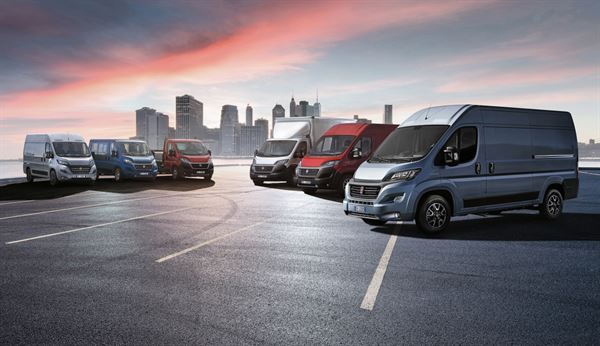
The Fiat Ducato, which is the most common base vehicle converted into motorhomes across Europe, has been updated and now has engines conforming to the latest Euro 6D emissions regulations. As a result, it now uses the AdBlue additive. It also has an all-new 9-speed automatic torque converter transmission.
The new Ducato is already in production and early models have already been converted by some manufacturers into motorhomes for the coming 2020 season.
This latest Ducato is available with a choice of Euro 6D 2.3-litre engines with either 120bhp, 140bhp, 160bhp and 180bhp outputs. As previously, it is likely the lowest output will only be available in campervans, while the three higher outputs will be available in motorhomes.
The new MultiJet 2 engines feature a new turbocharger which allows even the lower-powered 120hp engine to produce a maximum torque of 320Nm at 1,400rpm, which is 10% higher than the previous 2.0-litre engine.
The 140hp version, which is likely to be the most common engine output available in motorhomes, produces 350Nm torque (an increase of 9% compared to the previous 130bhp MultiJet engine) at 1,400rpm and is available with either a 6-speed manual gearbox or the new 9-speed automatic transmission.
The 160hp produces up to 400Nm torque, while the top-of-the-range 180hp version produces a maximum of 400Nm of torque with the manual transmission and, when combined with the new 9-speed automatic transmission, it produces 450Nm torque, 12% more than the previous model.
Using this new automatic gearbox allows drivers to choose between three different driving modes: Normal, Eco and Power. The Eco mode provides a smoother acceleration response and a greater reduction in consumption levels. Switching to Power mode delivers a prompt throttle response and gear changes for optimal performance. The Normal mode balances the economy of Eco mode with the performance of Power mode.
The new Ducato comes as standard with the new EcoPack. This includes the Start & Stop system, smart alternator and electronically-controlled fuel pump, which provide energy savings and greater combustion efficiency.
The new range boasts sophisticated drive assist systems, which allow drivers to have complete control. The following devices and driver aids are available:
- Blind spot assist (BSA), uses radar sensors installed in the rear bumper to identify approaching vehicles in blind spots.
- The Rear Cross Path detection (RCP) uses radar sensors to identify vehicles approaching from the side, when the vehicle is reversing.
- Full brake control (FBC) identifies obstacles and, after checking whether there is imminent danger of collision, alerts the driver and intervenes by automatically triggering emergency braking.
- Lane departure warning system (LDWS), determines whether the vehicle is leaving the lane, even in poor visibility conditions, and in the event of danger an acoustic and visual signal alerts the driver.
- Traffic sign recognition uses the on-board camera to recognise speed limits, displaying them on the instrument cluster.
- High beam recognition manages the main beam headlights, increasing visibility and reducing the risk of dazzling when driving at night, automatically recognising vehicles travelling in the opposite direction.
- Rain and dusk sensor activates the windscreen wipers and adjusts their speed according to the intensity of rain. The dusk sensor automatically activates the low-beam headlights when required.
- Tyre pressure monitoring system (TPMS) monitors the pressure of the tyres constantly, indicating any loss in pressure directly on the on-board display.
From the second half of the year, the new Ducato will be available with a new infotainment system with a 7-inch touchscreen, USB port and radio DAB tuner. The in-built navigation system allows the vehicle’s dimensions to be inputted so that the system can provide routes that avoid streets that are not suitable for the size of the vehicle. A feature that addresses both professionals and motorhome driver’s requirements.


