Motorhome travel: Go wild in Cornwall
Words and photos by David Chapman
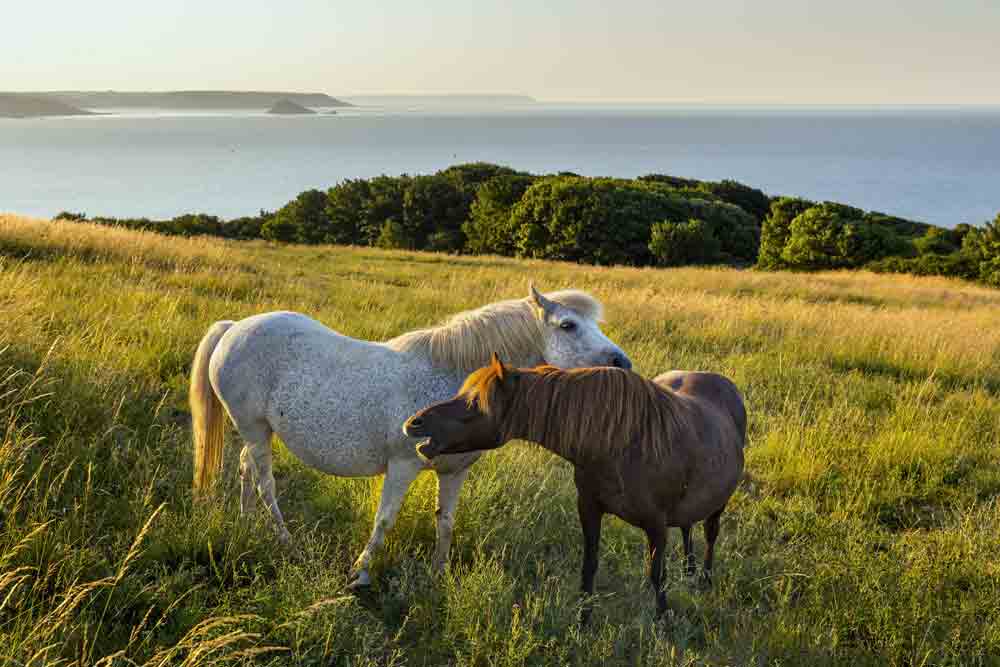
I like peaceful sites, preferably with great views, close to places of interest – and wildlife. This time I knew exactly where to go because I’d been there before and loved it – Penmillard Farm CL on Rame Head.
I took the ferry from Plymouth to Torpoint, the way most folk would travel to Rame Head and, as soon as I was on that ferry, my stress started to dissipate.
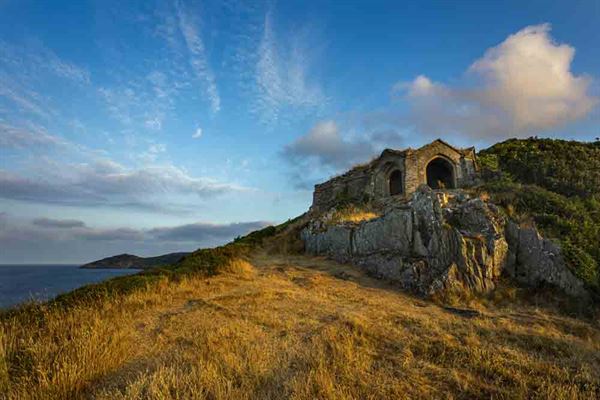
The road got narrower and narrower as I approached Rame’s church and I was glad that I had brought plenty of provisions to avoid the need to drive off site during my stay. The CL is tucked round the back of the church looking out over the sea with the Great Mewstone, at Wembury in Devon, being a focal point. The only sounds on this site are the distant humming of boat engines and the singing of birds.
My most exciting find on the Rame Peninsula was a cirl bunting – a rare bird in the UK – that was carrying caterpillars to feed to its young. The first bird I identified was a yellowhammer; a whitethroat made its scratchy call from the hedge and skylarks sang as they hovered overhead.
I watched the sun set in the company of a hovering kestrel. Two young peregrines soared past, constantly screaming. A summer chafer (beetle) buzzed in my face as I spotted a pair of fallow deer trotting up the bank ahead of me…
Camellia culture
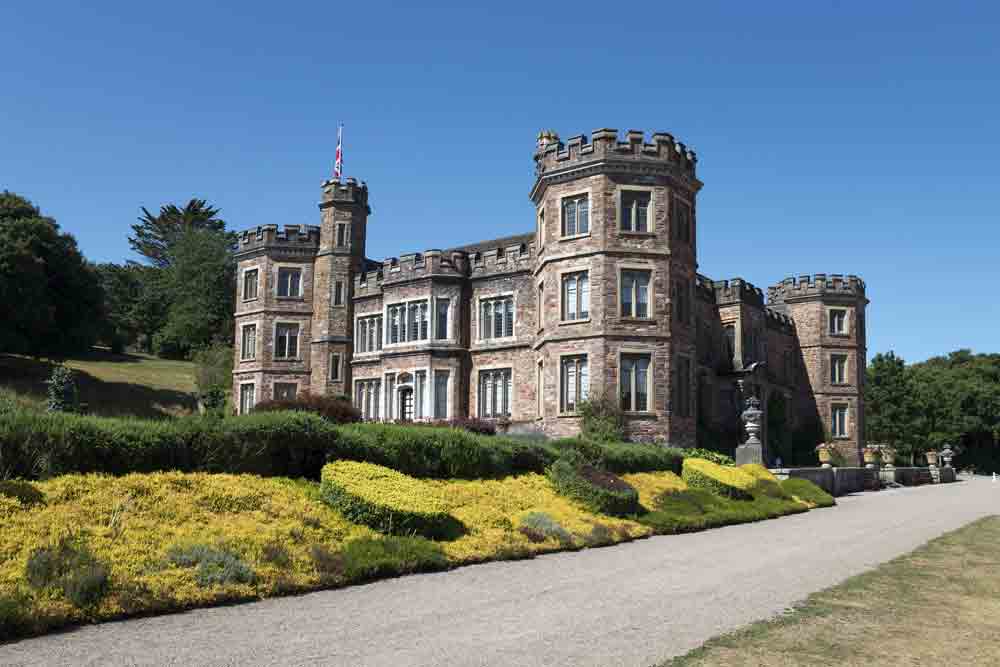
On my walk to Mount Edgcumbe Country Park, house martins were nesting on buildings in Cawsand and Kingsand. In rock pools at Kingsand, I found Pacific oysters.
Camellias are a big thing at Edgcumbe House, where a national camellia collection comprises nearly 1,000 different cultivars (flowering from January through the spring).
The deer park has commanding views over Plymouth Sound, Drake’s Island and The Breakwater and I saw several fallow deer.
Other wildlife included green and great spotted woodpecker, mistle thrush and jay in the parkland, a silver-washed fritillary in the woods and a dark green fritillary in the meadows.
The highlight was a stoat chasing a rabbit near the Folly.
TOP TIP
Follow the trail for advice about camellias and how they can be affected by pests and diseases.
Cremyll, Torpoint, Conrwall PL10 1HZ
Woodland wonderland
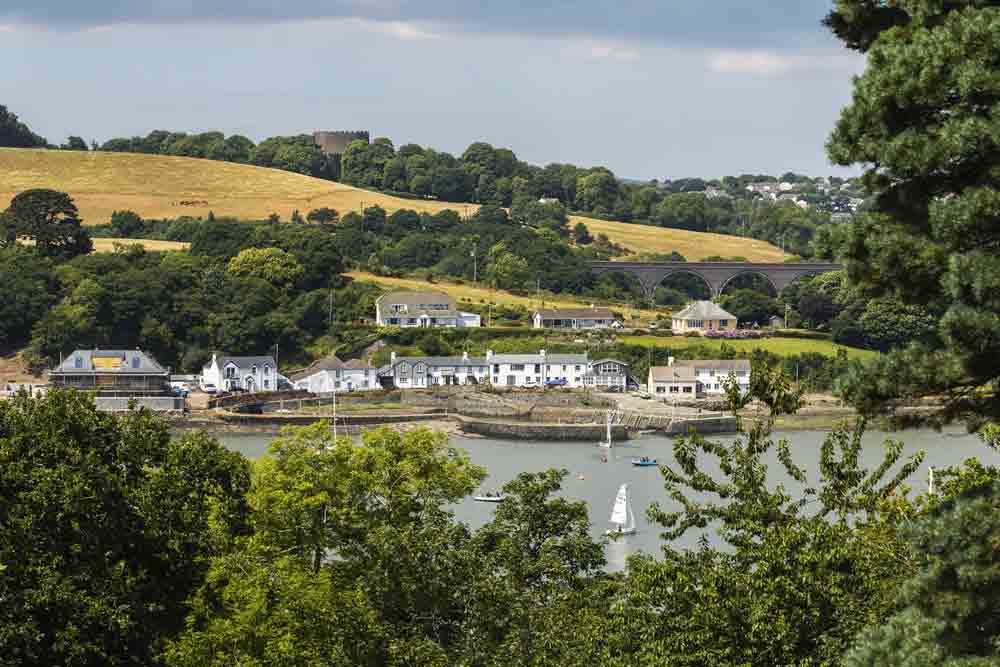
I loved walking through the woodland garden next to beautiful Antony House, with its fine views over the Lynher Estuary. The garden is one of the International Camellia Society’s gardens of excellence – one of only four in the country. It’s at its most colourful in spring with bluebells, wild garlic and camellias in flower.
There are many interesting trees here (many of them labelled); the cork oak near the house being particularly striking. I saw several silver-washed fritillaries in the woodland glades, listened to nuthatches and blackcaps and watched a number of wading birds on the estuary, though there would be many more outside of summertime.
TOP TIP
There is a charge for entering the Antony Woodland Garden, though National Trust members can enter for free when the house is open
Ferry Lane, Torpoint, Cornwall, PL11 2QA
antonywoodlandgarden.com
A paradise for flutterbys
In July, the meadow between Penlee Battery Nature Reserve and the coast path is home to hundreds of marbled white butterflies with their chequered black and white pattern. Other butterfly species in the area include wall brown, meadow brown and both large and small skipper.
I walked through clouds of gatekeeper butterflies on the coast path and there is always the chance of a migrant, such as the clouded yellow or painted lady. I also saw a lot of silver Y moths, which migrate here from the Continent.
Penlee is famous for the sighting of a migrant insect, the first ever green darner – not a butterfly, but a dragonfly, which found its way here from the US in 1998.
TOP TIP
Early morning isn’t the best time for butterflies because they are inactive until they warm up but, if you want to take photographs, it’s a good idea to find them while they are still roosting
Outside Rame, Torpoint, Cornwall PL10 1LB
cornwallwildlifetrust.org.uk/reserves/penlee-battery