
Motorhome travel: A weekend cider tour in Herefordshire
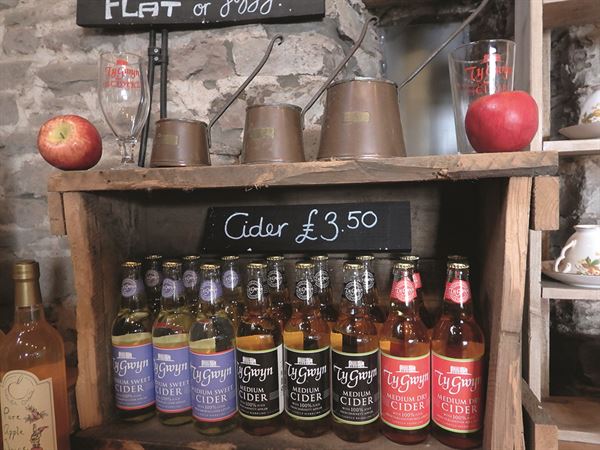
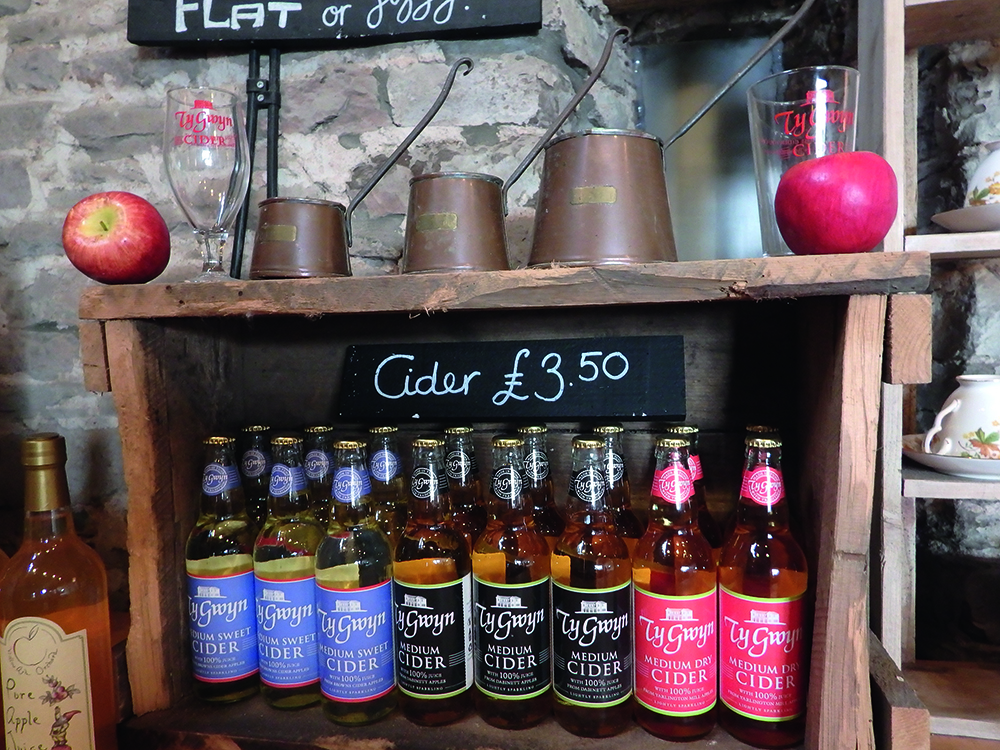
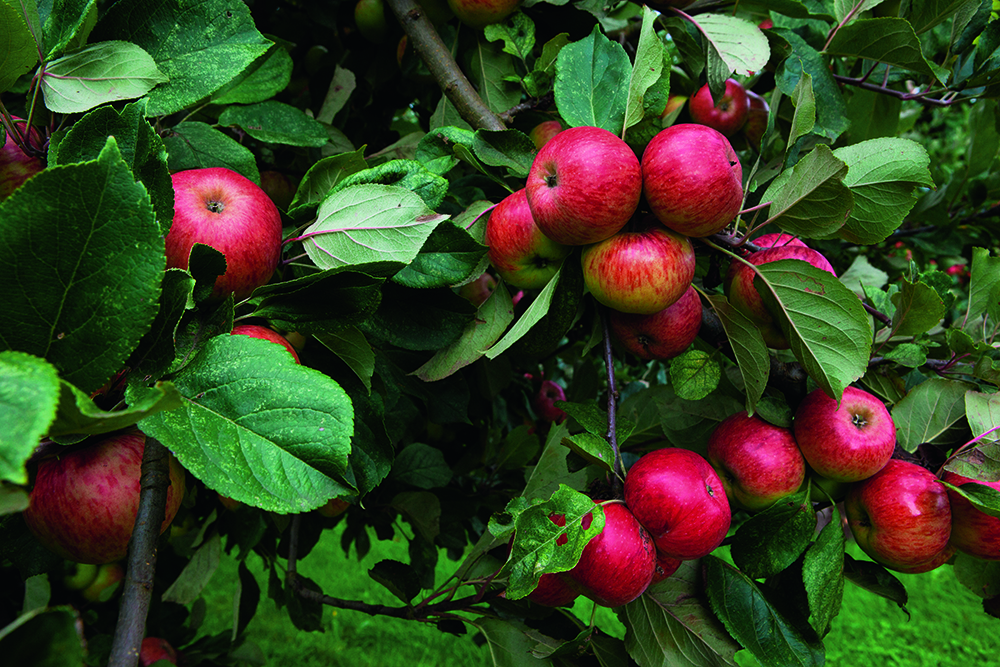
The UK is actually the largest producer of cider worldwide and Herefordshire cider accounts for more than 50% of all sales. This unspoilt and very rural county therefore has a close relationship with the sparkling nectar. Once I found out there’s a Cider Route, which passes by no less than 16 local producers who open up their doors for tastings of cider and perry straight from the cask, there was no holding me back.
The best place to start seemed to be the Cider Museum in Hereford itself, housed in the former cider works once owned by Bulmers. This will be a familiar name to many, but I didn’t realise that the company is now owned by Heineken. Even if you don’t drink cider, this is a fascinating and very well put together museum. A marked route shows you how cider was made, with displays of old equipment and tools. The exhibition is brought alive with plenty of intriguing insights into a way of life now lost forever.
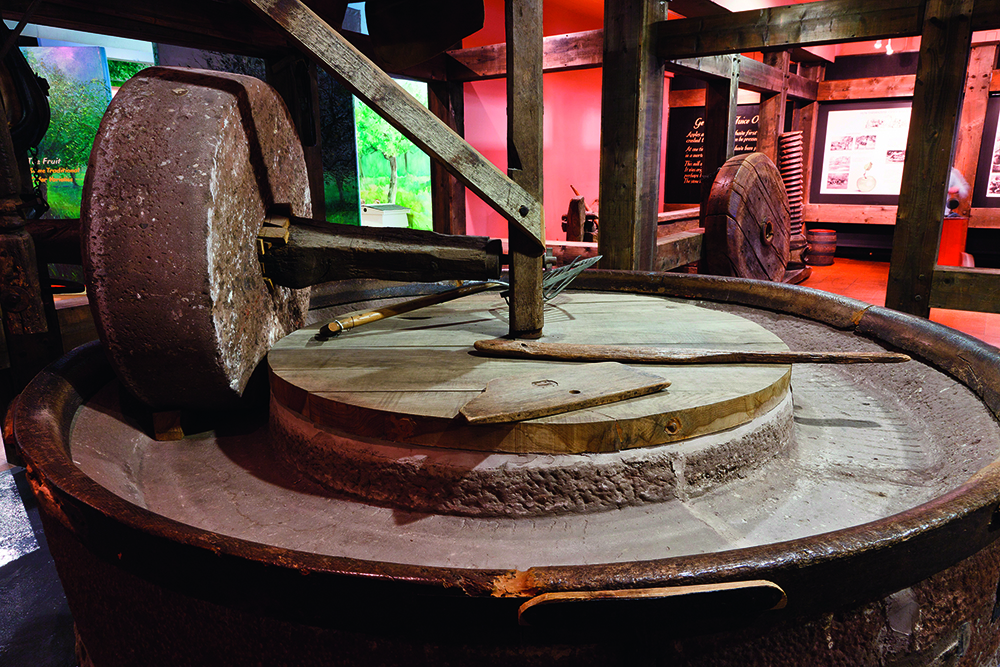
At one time most farms in Herefordshire produced their own cider and, in the eighteenth century, cider was used as part-payment for a farm workers’ wages (this was called a truck). Typically, a worker would get three to four pints a day, rising to double that amount during harvest. They must have been very good at holding their drink – I can’t imagine being much use after eight pints of cider!
What also comes across in the museum is the skill and knowledge that went into making cider in the old days. A modern, large-scale factory would be a computerised affair, but there is a sense of hands-on pride here. I came away feeling quite saddened to see so much of our history fading away. Thank goodness there are museums like this one to keep the memories alive.
As you would expect, the museum has a cider shop, selling not only the Bulmer brands but also stocking a huge selection from smaller independent growers and producers. I have never seen so many bottles of cider and free tastings are on offer. On a practical note, the museum has its own car park and there are no restrictive height barriers.
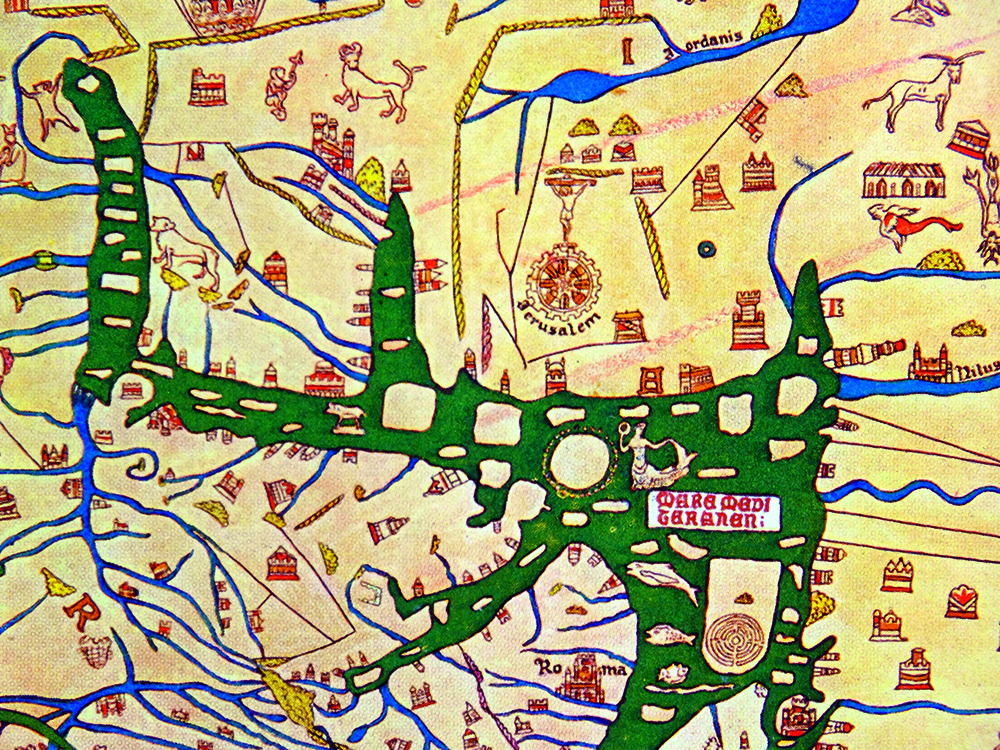
Whilst in the museum I saw a reference to the ‘Cider Bible’ housed in the Chained Library at Hereford Cathedral. My curiosity was piqued. As you might guess from the name, the library books were chained so that they couldn’t be taken away. This seventeenth century collection of old tomes is the largest in the world to survive with all its chains, rods and locks intact. The fifteenth century Wycliffe Cider Bible contains the earliest written mention of cider. It’s part of the Mappa Mundi exhibition, so you get to visit the library and to see this incredible medieval map of the world – believed to be the largest still in existence – for the same price.
As we entered the imposing cathedral we found ourselves in the middle of a cheerful and upbeat jazz concert. It was supposed to have been taking place in the lovely courtyard gardens, which were all decked out with a marquee and chairs, but rain had stopped play so the concert had been moved inside.
With Hay-on-Wye being only 30 minutes or so away from Hereford, we made a detour there for the Thursday market. The artisan delights of the market were disappearing almost as fast as the stallholders could put them out. We pounced upon two particular stalls: one selling homemade ravioli and spaghetti with unusual flavours, beetroot pink and rocket green, and so beautifully presented that it was almost a shame to eat them. The other stall sold homemade bread and cakes. My life-long commitment to cider is equalled only by a life-long dedication to homemade cakes. When I saw pear and dark chocolate muffins there was no escaping the cravings and they were the best I’ve ever tasted!
Hay-on-Wye is famous for its bookshops and annual literary festival and it is impossible to visit and not wander around the bookshops. One of the most well-known is Booth’s, which is an Aladdin’s cave of new, secondhand and vintage books on every subject under the sun, all meticulously catalogued and stacked floor to ceiling on polished wooden shelves. Hay-on-Wye has a large car park that allows motorhomes to park for free between 6pm and 8am for one night in seven. However, we had already booked Folly Farm, a Camping and Caravanning Club ‘hideaway’ certificated site, which turned out to be just that.
Back to the serious business of hunting down some locally made cider we ventured through winding lanes to Ty Gwyn Cider shop at Pen-y-Lan Farm at Pontrilas. At first glance, it doesn’t look any different from any other farm, but Ty Gwyn has an attractive stone barn with a cosy sofa and cider bar. Laura Culpin, who runs the business with her husband, Alex, talked us through the free tasting of their cider and perry (made from pears), adding that Alex presses all the fruit himself.
The Gwatkin Cider Company’s farm shop is just outside the pretty village of Abbeydore. Denis Gwatkin began making cider as a hobby in 1992 and now has an award-winning range of 35 ciders and perrys. This is a working farm; indeed, the shop looked decidedly closed as we arrived. However, Denis soon turned up and treated us to another tasting. The Gwatkins are very active at selling their cider on the festival and fair circuit and they also hold an annual music festival on the farm.
Our next night’s camping, at Rowlestone Court, came about from a recommendation from Laura Culpin. This turned out to be a very pleasant and peaceful site, with no more than four or five motorhomes dotted randomly around a large field. The adjoining field provides on-site animal entertainment as it contains an eclectic mix of Belted Galloway cows, all manner of different breeds of sheep and even a Kunekune pig. They make their own ice cream at Rowlestone Court with milk from these cows and using all natural ingredients (there is a tea room). A trail through the woods is excellent for walking the dogs and there’s a zip wire and outdoor playground. Once we could see that the kids were safely tucked up for the night, we had a go ourselves – such fun!
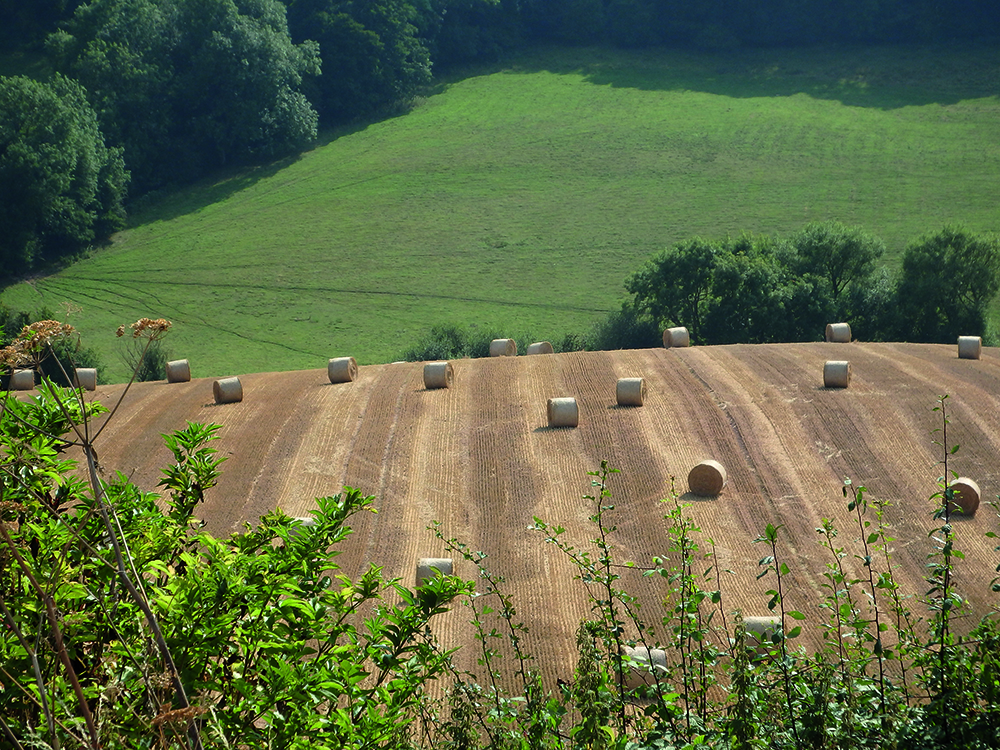
For our last day, we decided to explore some of the hidden valleys and picturesque villages that seem to be abundant in this part of Herefordshire. It was a fitting end to this short break and the Golden Valley, which follows the River Dore and sits at the foot of the Black Mountains, provided a suitably scenic climax, especially as the sun had finally come out and the rolling fields did, indeed, have a golden glow, with newly harvested straw bales dotted like giant cotton reels on the stubble.
During our final evening, while we cooked some of our locally produced sausages, I thought back to my visit to the Cider Museum in Hereford and how it had left me with a sense of loss and a little sad that the old ways of life are dying out. But I didn’t feel that way any more. Visiting the small cider producers and also the campsites that we had stayed at – with their enterprising diversions into fine foods – left me with an appreciation of a vibrant, flourishing new generation of families who are keeping faith with those ancient skills and values.


