
The basics of motorhome electrics
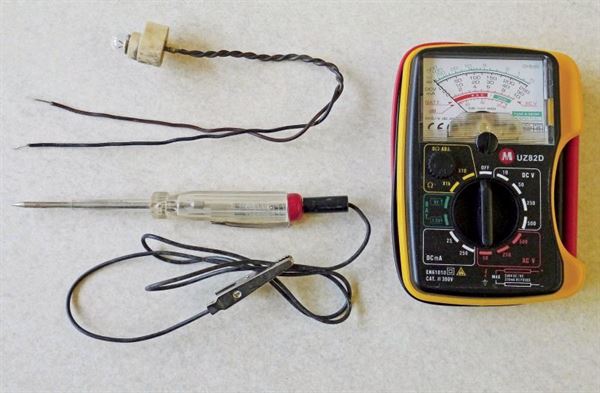
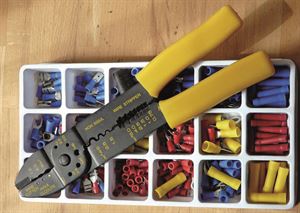
Regular readers will be aware that we do not encourage DIY changes to the 240V mains electrical system as, for safety, any alterations should be carried out by a qualified electrician.
However, a good understanding of the layout and constituent parts of your motorhome’s electrical system, plus these simple tips will help you keep the mains system working safely, reliably and efficiently.
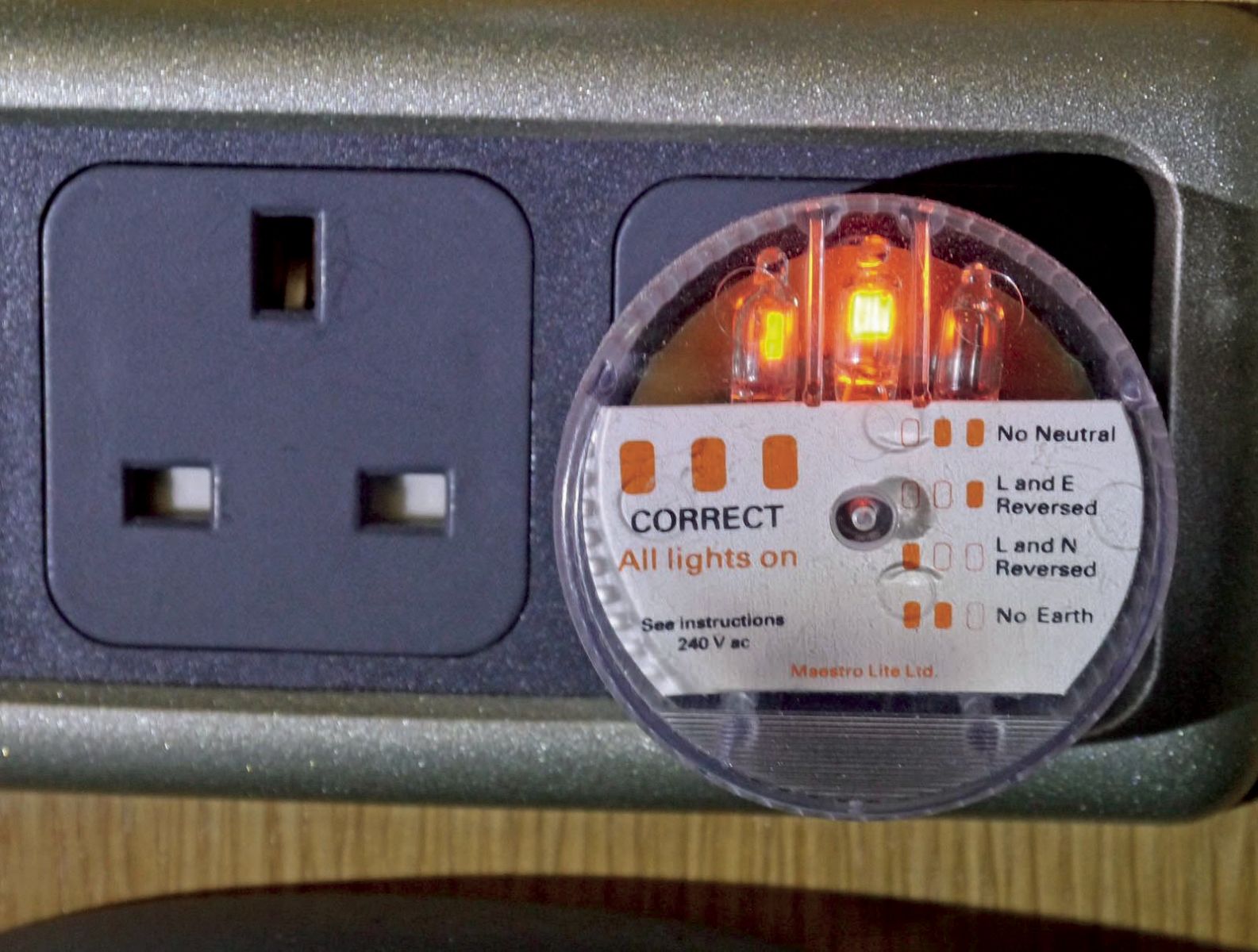 Mains polarity
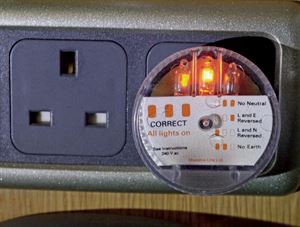
Reversed mains polarity is a frequent reader topic and, for a simple solution, plug a mains socket tester costing just a few pounds into an easily seen power point.
After checking the tester instructions, see if all three warning lights illuminate to indicate correct wiring. If not, connect your short polarity reversing lead available from caravan accessory suppliers between the electrical supply bollard and your mains lead to correct the problem.
Matching your electrical appliances to the supply
Whilst British campsites often supply 16A (the maximum amount of electricity that you can use at any one time), it can be as low as 10A, 6A, 4A or even 2A on the Continent – remember to ask when booking in. If you exceed this amount, particularly by using too many heating appliances at once and overload the supply, the circuit breaker on the mains bollard will switch off your supply and need to be reset.
Although you may be able to reset the switch or button yourself, these parts are commonly locked up and only accessible to the site warden, who you will need to ask to come and reset it for you. This can be inconvenient or embarrassing so to avoid these problems completely, use a label maker or permanent marker pen on the back of each 13A plug or near the switch for built-in equipment to show its electrical consumption in amps. A ‘1A’ label on the fridge will include the battery charger and any mains bulbs that you may have onboard. It is then simply a case of adding up the amperages of all the appliances planned to be used at the time and checking that the figure comes to less than the maximum allowed on site.
More useful Motorhome pages:
Motorhomes for Sale | Motorhome Reviews | Sell Your Motorhome | Motorhome Advice | Motorhome Buyers' Guide
Motorhome News | Motorhome Articles | Motorhome Forums
Campsite Finder
MMM (Motorcaravan Motorhome Monthly) Magazine | Which Motorhome Magazine | Motorhome Shows


