
Motorhome basics: etiquette
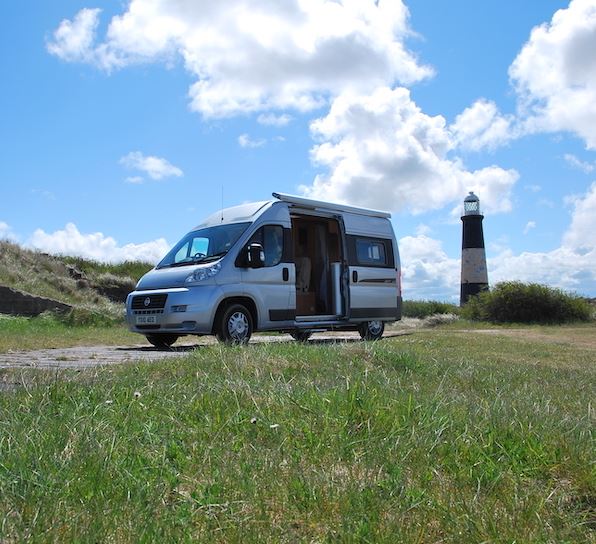
Okay, so you’ve bought a motorhome or have booked a rental. Here’s some advice to ensure your motorhome adventure goes smoothly.
Page contents
- General Driving Advice?
- Tips for parking a motorhome or campervan
- What about wild camping?
- What are the rules and options for stopovers?
- Are the any specific guidelines for campsites?
- About our magazines
There are lots of stories about motorhomers and campervanners behaving badly with online and print news outlets keen to jump on the band wagon of assuming all those partaking in the hobby are bad. So, here’s a few pointers to ensure you don’t end up as tabloid fodder and don’t annoy residents of the towns and places you visit.
In the end, one bad apple can spoil it for others and could lead to the freedoms we enjoy being restricted. Considerate motorhoming will encourage towns and villages to open up their communities and enjoy the benefits that motorhome tourism bring.
It turns out that there is a lot of wild camping advice for people in tents, but disparate, opposing advice for those motorhoming around the UK. Those travelling to Europe using the aires network will know a lot of this stuff, as although not wild camping, the network of motorhome stopovers do have specific rules to set them apart from campsites.
If you’ve got any more to add to this list, please send us an email with your suggestions.
General Driving Advice
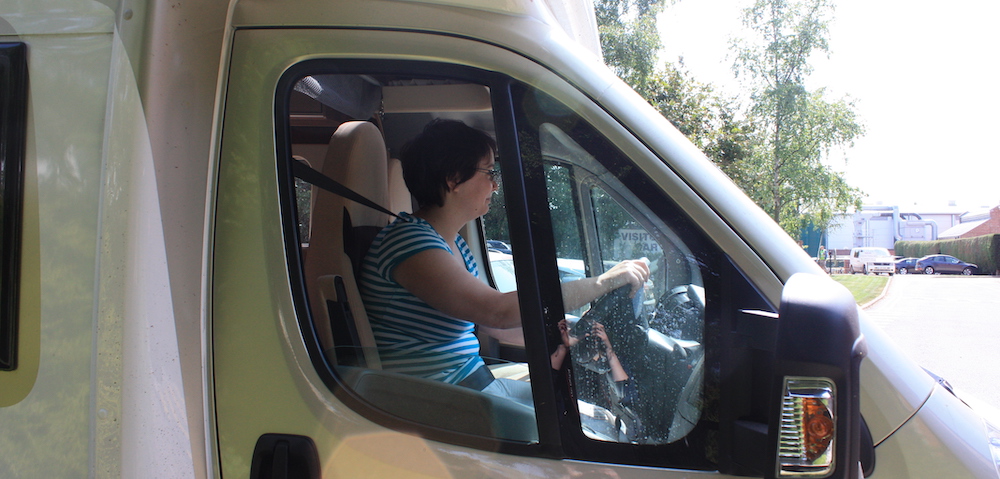
(Photo courtesy of Warners Group Publications)
- There’s this unwritten rule that’s been around for years, a little like tractors, that says if you are a slower vehicle on the road, take the opportunity to pull over where possible and let any queuing traffic past. That’s simply not the case these days with modern engines and chassis generally being able to keep up. However, if you are new to the hobby and driving slower than normal just bear this in mind.
- Know your dimensions and if you have a sat-nav don’t blindly follow it. Keep an eye out for size restricted roads (width, height and weight are the key figures you need to know).
- If you are on single-track roads keep an eye out ahead and behind for locals who’ve got places to be. We know this is all common sense stuff, but it’s easy to get swept up by those magnificent views while you are driving and become less considerate of other road users.
- Avoid driving on verges where possible – heavy motorhomes can do a lot of damage to these.
- Don’t park in passing places on narrow country roads to soak in the scenery, no matter how glorious. Always look for approved locations.
- Many motorhomers wave at each other while on the road, but it’s a personal preference, so don’t feel obliged and don’t take it to heart if you don’t get a return wave. Also, if random people in cars wave at you, then their other vehicle is probably a motorhome or campervan!
Tips for parking a motorhome or campervan
(Photo courtesy of Warners Group Publications)
Although not technically, an etiquette issue, there are few things to be wary of here...
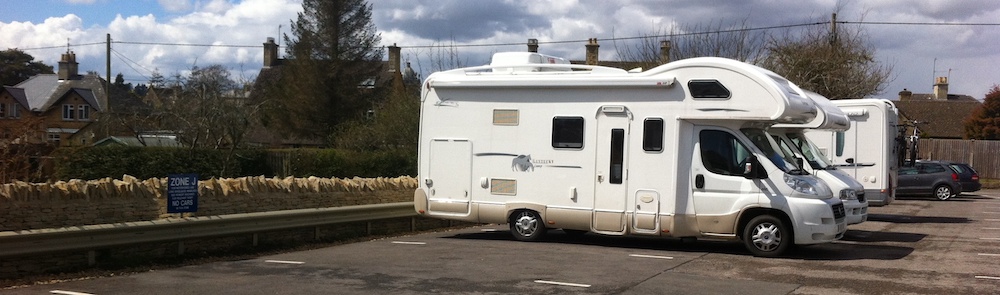
Lots of car parks in the UK have 2.0m height restrictions that mean most motorhomes and campervans will not be able to get under them - if you are in a rising roof camper, then double check this as some are only just under and some are over. Some car park operators will open these for you if you phone ahead, most often on big car parks for attractions or park and ride services. Check council websites for motorhome specific parking information pages.
Some car parks, even without barriers, may also be restricted by weight, so always look at the information board.Look for wider motorhome specific parking spaces, or those with low grass verges that you can reverse the overhang over. If you take up more than one space, then pay for the amount of spaces you use. Be careful when choosing a car parking space that the cars either side may not understand the difficulties of manoeuvring larger vehicles – that rear overhang comes into play again.
You may have to resort to on-street parking, but if you do, park considerately and try to have as minimum impact as possible. Always check parking signs for restrictions.
What about wild camping?
(Photo courtesy of Warners Group Publications)
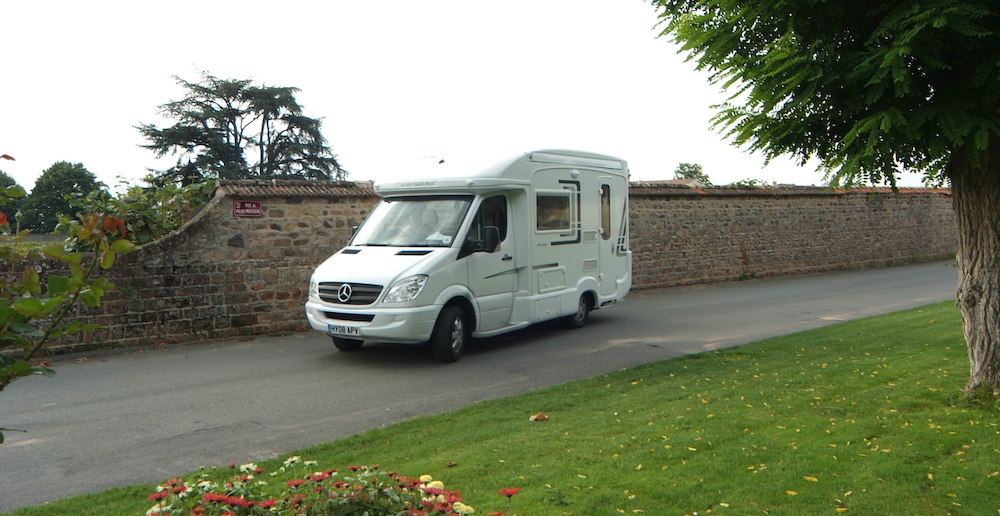
This is the big one. There are stopovers across the UK under various schemes and ones set up by councils and attractions. Use them and follow the guidelines for doing so. If you have to park up in another place.
Wild camping itself is generally illegal across England and Wales, but if you ask the landowner first they may allow you to stop overnight. Across the border in Scotland, wild camping is normally ok – check on regional websites and take notice of any signposts. And this is where common sense applies:
- Don’t block access and park responsibly with regards to locals and other tourist alike
- Leave no trace – take your rubbish home with you
- Don’t set up camp – no awnings or outdoor furniture and no washing lines etc.
- Do not disturb local wildlife
- Campfires and bbqs are a big no-no.
- Don’t let your waste water drain out – only used recognised emptying points. The same goes for your cassette toilet. We can’t stress this enough.
What are the rules and options for stopovers?
Halfway between wild camping and proper campsites, you’ll find the stopover, commonly referred to as an aire or camperstop among other terms.
This varies from just a car park attached to a pub or other such business where you can sleep the night, to designated car parks exclusive to motorhomes/campervans with emptying and water fill facilities as well as hook-up and toilets.
In the UK, these provisions are still scarce but on the rise thanks to the work of an organisation called CampRA, which is focussed on increasing the stopover network in the UK. There is also a scheme called Brit Stops, which has established a network of pubs and farm shops etc in the UK and Ireland that can offer overnight stops for motorhomes. This is a annual guide that needs renewing to be able to take advantage of the network.
If you do want to head overseas, there’s a network of ‘aires’ across France, Germany, Spain, Italy and numerous other countries. There are websites, books and apps galore, with some requiring a subscription and some free. Like Britstops, there are also schemes that require the annual purchase of a guide – look at France Passion and Agricamper Italia to name but a few.
Remember to abide by the terms and conditions of the aires. If you are using the free websites and apps, then be aware that some may not be official stopovers and you may be asked to move on by local authorities, especially in the UK, Spain and Portugal.
Are there any specific guidelines for campsites?
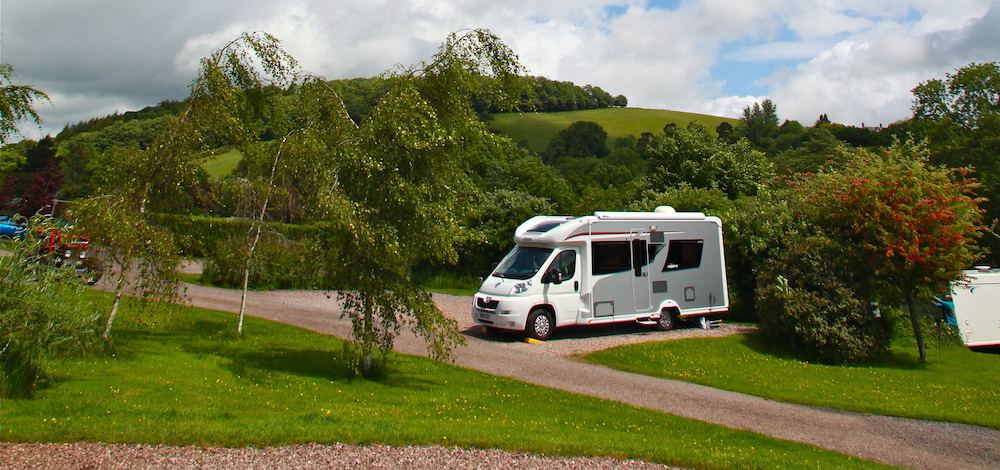
(Photo courtesy of Warners Group Publications)
MMM reader, Mark Belshaw, has these words of advice...
1) Set up within the designated plot area, especially with awnings and pup tents, car and caravan all on one plot and not spreading out onto neighboring grass, etc.
2) Dogs should be kept on standard leads, tied up when on pitch and stop them barking. We have two dogs and always ensure they are not a nuisance to other people on site.
3) Respect that not everyone wants to hear your stereo or tv, especially late at night. Having car doors open to use the car stereo is not acceptable, seen a lot with tents. Tvs in awnings are extremely noisy at night when the site is quieter. Also, groups talking in awnings or outside their units is annoying in the evenings when others are trying to enjoy the peacefulness.
4) Do not just walk through someone else’s pitch to get to another part of the site, use the main pathways.


