
Campervan first aid
Campervan first aid
Between midges and the midday sun, camping in the great outdoors can be a dangerous endeavour!
Our campervan experts guide you through all basics to consider when out campervanning, including what to pack in your first aid kit.
Page contents
Introduction to campervan first aid
© Photo courtesy of Pixabay
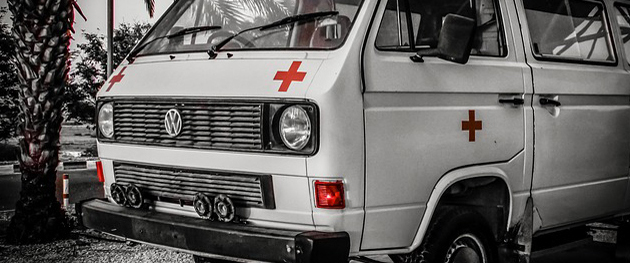
The joy of campervanning for many is to get far away from the madding crowds – and the more remote, the better. However, an obvious risk is that you're likely to be miles away from the nearest hospital or doctor, should the worst happen. In remote areas, mobile phone coverage can be sketchy, too, so even phoning for an ambulance might not be straightforward.
Cuts and grazes
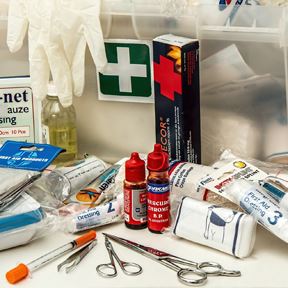
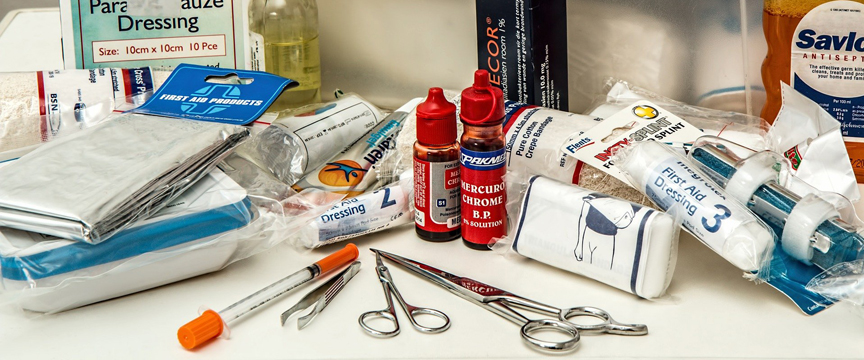
Carrying a comprehensive first aid kit in your campervan is essential. The great outdoors is full of perils, so make sure you have the basics to hand to treat simple injuries like cuts and grazes – think antiseptic wipes, antiseptic cream, plasters in a variety of sizes and bandages.
Sun and dehydration
Too much sun and dehydration can make you feel pretty unwell, too, so pack high-factor sunscreen and after-sun cream, and remember to wear a hat and drink plenty of water. Also pack paracetamol and ibuprofen for general pain relief.
Burns and scalds
Burns and scalds are another common ailment, especially if you enjoy a barbecue and sitting around a campfire, so make sure your campervan first aid kit includes the basics for treating such injuries, like hydrogel burn plasters.
Insect bites
Similarly, insect bites are commonplace, since all the bugs come out to play as soon as the evening sun goes down. Buy both an insect repellent that can be applied to the skin as well as a more heavy-duty DEET-based one to apply to clothing and other fabrics. Citronella candles and coils are also effective, but take care with them, since they present a fire hazard.
Campervan first aid basics
© Photo courtesy of Pixabay
First aid kits are essential
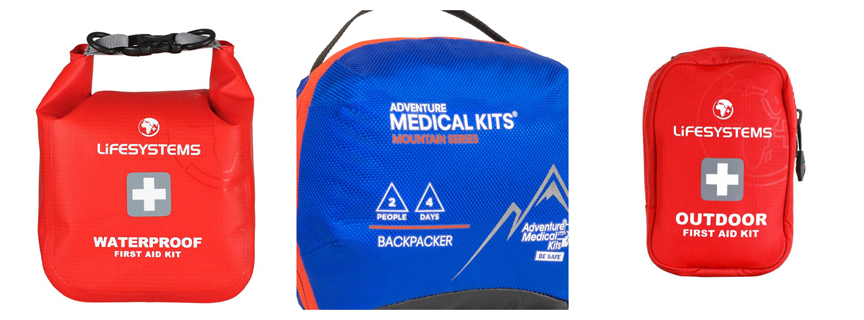
If you enjoy the great outdoors and are likely to be far from your campervan and basecamp during the day, perhaps out hiking or biking, you will need two first aid kits – a comprehensive one that stays in your campervan and a small one that you can pop in a rucksack and take out with you.
It’s also wise to carry a survival blanket (which looks like tin foil but is very warm!), as well as plenty of snacks and drinks – best to be prepared in case you break a leg and need to await mountain rescue.
Do your research
Of course, it’s not possible to pack an entire pharmacy or prepare for every eventuality. The injuries and ailments mentioned here (and their suggested treatments), are just some of the common and generic medical issues you may have to deal with when you’re camping. However, make sure you do your own research and seek professional medical advice, if necessary, before setting off on a trip.
Use common sense
When packing a first aid kit, use your common sense. Think about what activities you do on holiday and therefore what types of injuries you might have to treat. Consider the individuals in your camp and any existing issues – if you have a bad knee, pack a knee brace and Deep Heat/Deep Freeze, for example. Perhaps consider doing a first aid course, too, where you’ll learn valuable and potentially life-saving skills, such as CPR.
Campervan first aid kits
© Photo courtesy of Lifesystems; Adventure Medical Kits; Lifesystems
Where to get a first aid kit
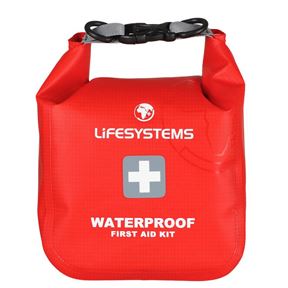
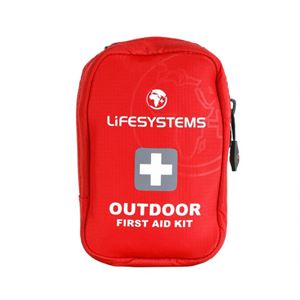
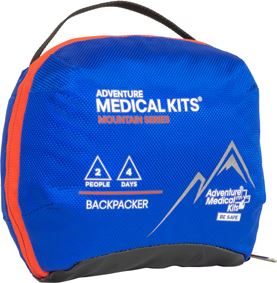
To get an essential first aid kit for your campervan, you can either build your own tailor-made kit in a bag or box, or you can buy ready-made ones from brands like Lifesystems, which offers a range of kits designed for travellers.
Storing first aid kits
Bear in mind that medical supplies are sensitive to changes in temperature (especially extreme hot and cold), so never leave medical kits in a campervan for long periods of time. Instead, bring them back into the house when you get home, rather than leaving them in the campervan permanently.
Finished reading?
Back to: Campervan accessories guide


