
Property for sale: Guide to residential park homes
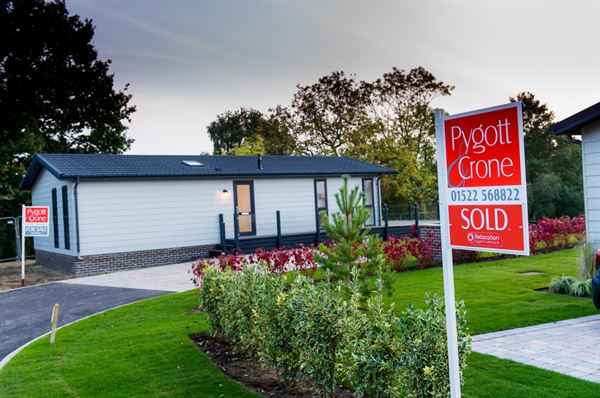
Single storey bungalows intended for permanent residential use, park homes are also known as ‘mobile homes’ in some government legislation (though they don’t have to be on wheels).
The majority are located on estates with small gardens or grassed areas around each home. Porches or verandas can be added, but technically nothing must be so permanent that it would prevent the home being moved.
While most homes are supplied fully furnished, customers can opt for unfurnished or partly-furnished units and bring in their own furniture.
-- Find more from P&HHI on Facebook --
Choosing a park
Before buying a home, first choose a park where you would be happy to live and which can accommodate your chosen home. Contact the British Holiday & Home Parks Association (BH&HPA) for a copy of its nationwide guide.
Ask the park if it can arrange for the delivery and siting of your home on the plot of your choice. You also need to be fully acquainted with the terms and conditions of purchase before you put down a deposit and arrange a completion date.
All new park homes are (or should be) built to British Standard 3632. They are also eligible for protection under the Gold Shield 10-Year Warranty Scheme operated by the National Caravan Council (NCC), which represents most manufacturers and parks in the UK.
The Gold Shield 10-Year Warranty Scheme is free on new park homes. Pre-conditions are that it was made by a member of the NCC (nearly all the UK manufacturers belong) and is located on a park registered with Gold Shield.
The Law
Legislation – in particular the Mobile Homes Act 2013 – gives owners security of tenure. It also enables them to sell their homes on the park or pass them on to members of their families as gifts or in a will.
Once you have chosen a park, ask the owner or manager for:
• A copy of all the rules and regulations that apply on the park, such as those governing pets and/or children.
• A sample copy of the agreement that you and the park owner will sign. The BH&HPA and NCC have jointly produced a written statement of the agreement to be signed by both the home owner and the park owner. That sets out the terms (both implied and expressed) under the Mobile Homes Act, on which you are entitled to keep your park home on the site. It also outlines the legal rights for both parties.
While most parks now use this model agreement, some have their own versions; you should study them carefully before signing. If you have any doubts or concerns, it is wise to consult a solicitor or a Citizens Advice Bureau.
Devil’s in the details
If the park’s site licence is not displayed prominently – and it should be – ask to see a copy. Check that the park conforms to the conditions on its licence. Make sure your chosen park has planning permission for year-round residential use.
Buying secondhand
Insist on a survey of the property, just as you would if buying a traditional home. There are a number of specialist firms that carry out such surveys. Contact the BH&HPA, the NCC or the Guild of Park Home Services for details.
In addition, many companies have been set up in recent years specifically to repair, restore or refurbish park homes. They will do anything from re-roofing to fitting new windows and doors.
The Guild of Park Home Services can provide contact details for such specialists who are members.
Money matters
Finance is available for the purchase of both new and used park homes through a number of specialist companies. It is obviously also important to ensure that your home is properly insured – again, there are firms that specialise in this and the park owner should be able to steer you in the right direction.
Most importantly, though: be sure of your budget. Remember to add the costs of siting. However, manufacturers produce homes to suit all budgets, from a basic one-bedroom shell with just essentials to luxurious multi-bedroom homes, which put many traditionally built houses to shame.
You will, of course, want the home that best suits your requirements. There are several ways to obtain information – from a manufacturer, a dealership, parks and online.
Things to remember
• Some parks cater for people of all ages but the majority are designed for those approaching, or in, retirement.
• Residents own their homes but the ground belongs to the park owner and residents pay a pitch fee that covers the cost of running the park and its services.
• Just like houses and other traditional dwellings, park homes are connected to mains services – water, electricity, gas, telephone, drains, sewerage.
• Park homes are subject to council tax.
Get in touch and join the community!