
Caravan construction techniques over the last 30 years
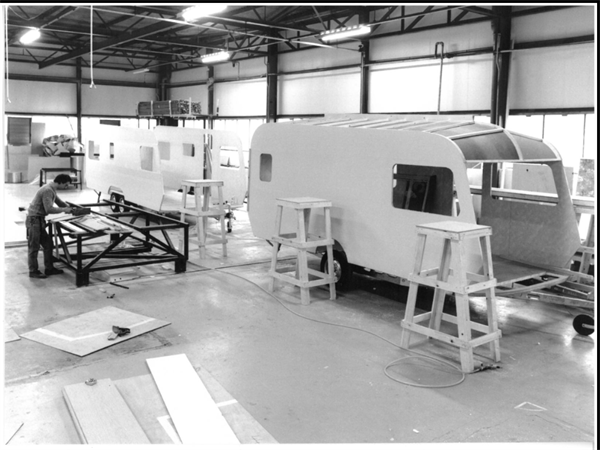

In 1986, a small caravan manufacturer based in Hull finished work on its first model. That company was Coachman and, over the past 30 years, it has expanded from a staff of 18 workers in a basic factory to now employing over 178 people, building more than 2000 caravans a year using state-of-the-art equipment.
Three decades ago a caravan was simply a box on wheels. Now it is a streamlined house on wheels – highly equipped with everything you need for a luxury touring experience.
In the beginning
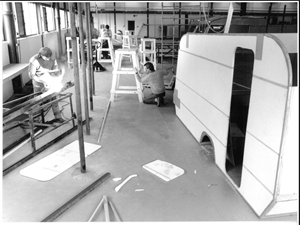
Initially, Coachman’s caravans were handmade with traditional techniques, by using timber frames and timber sides,were held together with external screws.
Before the introduction of computers and AutoCAD software, drawings for the caravans were done by hand with a pencil and ruler.
Everything had to be measured and plotted – screw holes, furniture position, etc – and the production crew often had to keep going back to the caravan to re-measure and amend for accuracy.
The jigs used for cutting out panels were also handmade and had to be stored for years afterwards to ensure the aftercare service for customers should anything need replacing on older models.
Contemporary caravanning
Today, this manufacturer's caravans are still built by hand with the utmost attention to detail. Take a look at the latest Coachman video reviews. However, the materials and methods have changed dramatically.
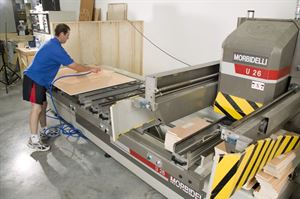
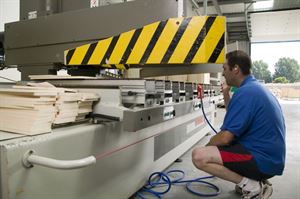
Instead of using wood, they now use PU frames, which don’t have the imperfections of wood in respect of manufacturing tolerances. The design and manufacturing of all their caravans is now computer controlled – but the emphasis on quality remains the key component in all processes.
Innovation is key to ensure they keep meeting customer expectations, so Coachman constantly strive to improve the design of our latest caravans. After several years of research into making their collection more lightweight, stronger and watertight, in 2015 they radically changed their methods of construction. Out went most of the screws and in came new, strong adhesives to fully bond the caravan structure.

The use of sealants rather than screws has meant that water ingress is prevented and any leak paths from screw-fixed manufacture are eliminated. An added advantage is that the Advanced Bonded Construction (ABC) techniques make caravans lighter by reducing the the weight across their ranges.
This is opening up the market to people who would love to own a caravan but don’t want to buy a heavy tow car. Lighter caravans mean that a wider range of cars can now tow a Coachman, opening up the possibility of caravan ownership to hundreds of first time buyers.
It’s been a long journey
“Coachman has come a long way since in 1986, when we were building just one caravan a day,” Jim Hibbs, executive chairman of Coachman told Caravan magazine.
“The construction techniques may have changed, but we’ve retained our core values as a friendly, family business producing quality caravans.
“Coachman remains a strong brand and our new 2016 range is our finest yet. Not only are our new models stylish and comfortable, but they’re also lighter and stronger than any previous Coachman, thanks to our Advanced Bonded Construction (ABC) techniques.”
• For more information about Coachman caravans, take a look at the latest caravan reviews.


