
What should be in your tent peg bag?
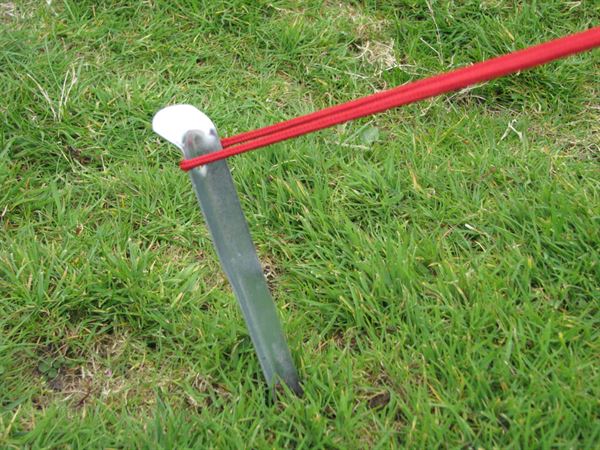
Tent pegs might seem like the most boring part of your camping equipment, but they come in all shapes and sizes.
Choosing the right type could be the difference between a successful camping trip and a disaster.
Knowing in advance what the ground conditions are like at your campsite will help you decide what to take, but the best solution is simply to take the pegs that came with the tent along with a selection of heavier duty options.
Prices start low so if you’re a regular camper you’ll quickly be able to build up a collection that will meet all your needs.
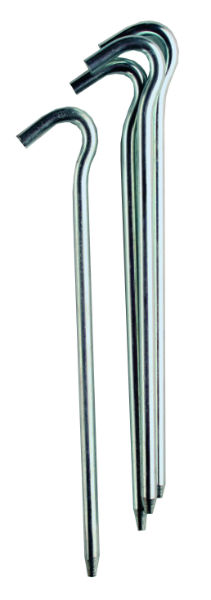
1. The skewer is the simplest type of tent peg and the kind most likely to come supplied with your new tent. These are fine for pegging down your tent in benign conditions but are likely to ripped out the ground in strong winds and if they swivel they could release guylines.
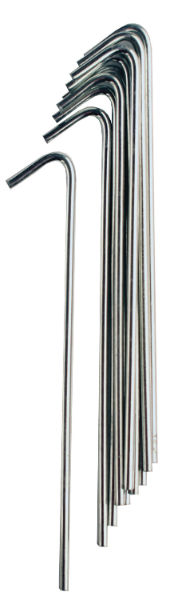
2. The long, heavy duty peg is ideal for stony or hard dry ground. The large head holds a guyline in place even if the peg swivels.
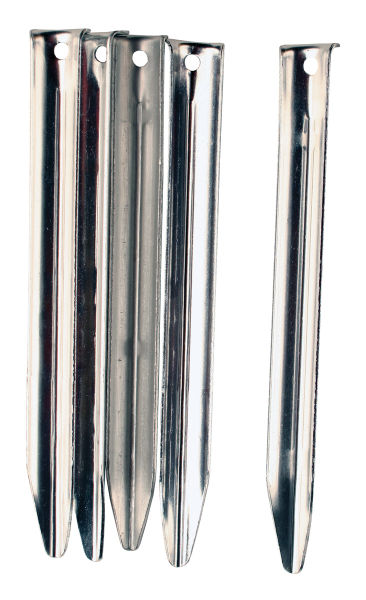
3. A V-shaped peg is designed not to spin in the ground making it less likely to work loose.
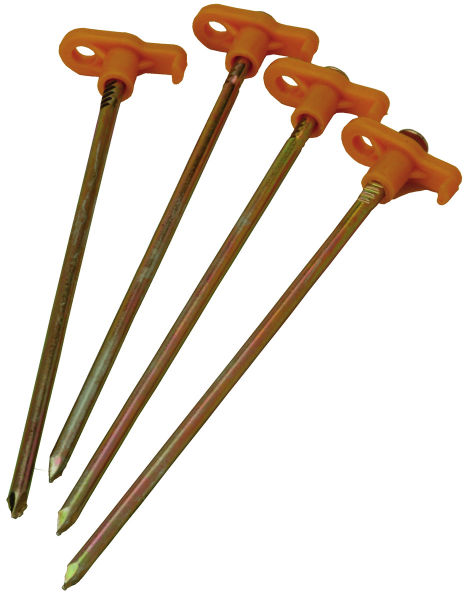
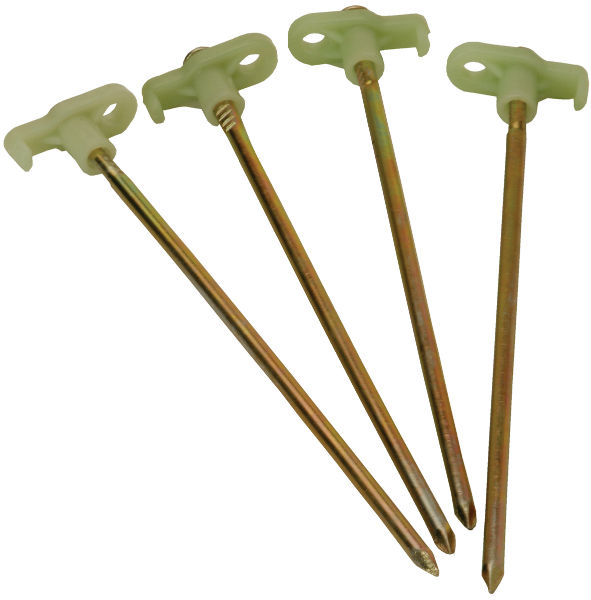
4. Plastic pegs are light and cheap but can be bulky and are prone to breaking.
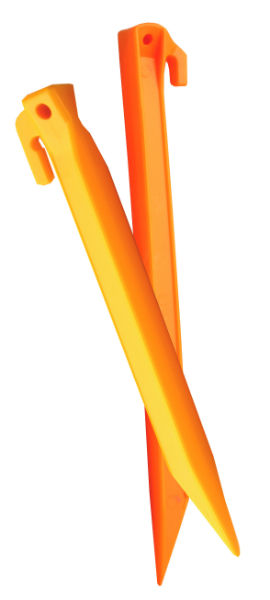
5. Longer stakes that can be knocked in deep will handle softer ground.
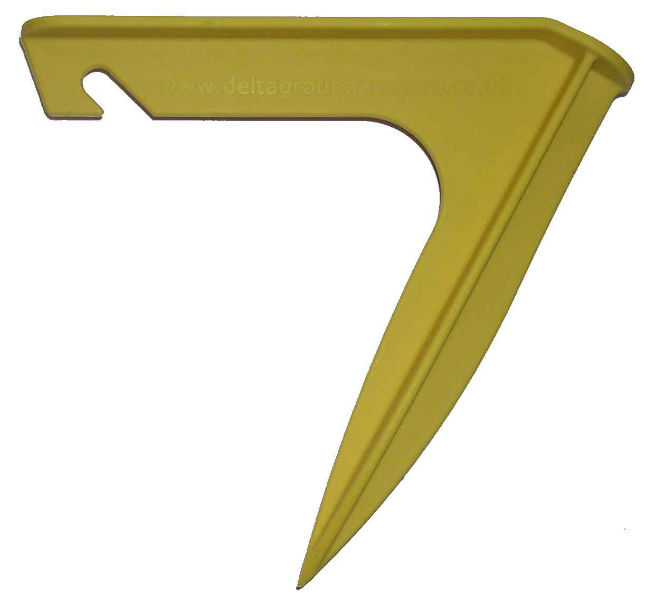
6. The distinctive Delta Ground Anchor is designed to secure tents in the wildest winds. They come in a tough nylon composite and stainless steel.
7. Specialised pegs are available in materials like carbon fibre and titanium to cut down weight.
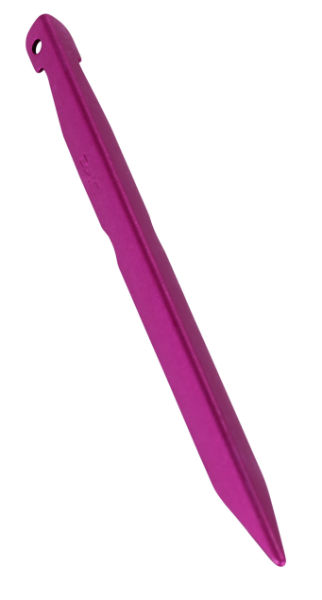
8. Some pegs have coloured or reflective tops so that they stand out at night.
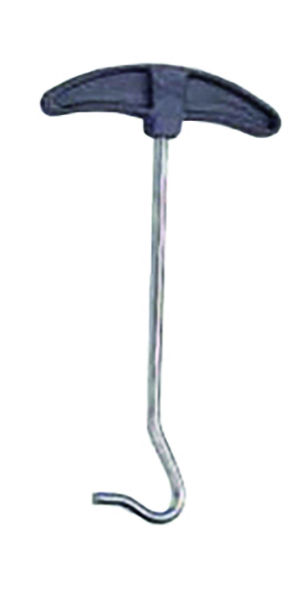
9. A peg extractor saves hauling on guylines as well as avoiding the need to crouch on the ground to pull out reluctant pegs.
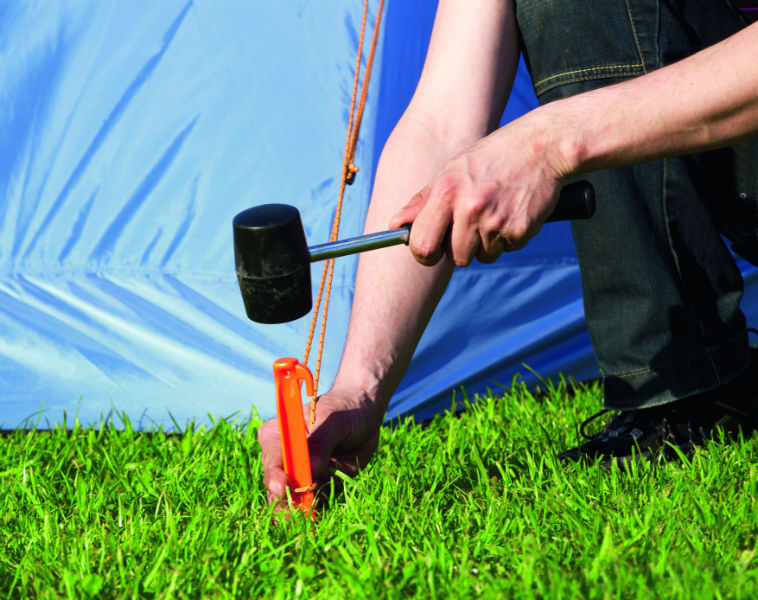
10. Whatever type you use, don’t be tempted to push your pegs in with your foot, unless you want to run the risk of a visit to the local Accident and Emergency unit. Always use a mallet of some sort.
Next Shows

The East Midlands Motorhome & Campervan Show 12th - 14th June 2026
Don’t miss The East Midlands Motorhome & Campervan Show, Newark, 12-14 June 2026. Discover motorhomes, campervans, and live entertainme...

The Big Land Rover Fest 11th - 12th July 2026
Experience The Big Land Rover Fest – a weekend of off-roading, live music, club displays and family fun at Newbury Showground, 11–12 Ju...

The Norfolk Motorhome & Campervan Show 17th - 19th July 2026
Join The Norfolk Motorhome & Campervan Show, 17-19 July 2026, for the Out & About Live Summer Party! Explore motorhomes, live demos, an...