
How to look after your walking boots and waterproof jackets
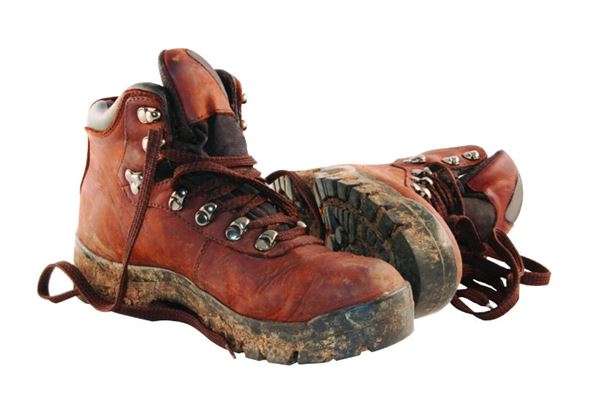
It's a fact of life that your walking boots and shoes and waterproof jackets will get dirty, whether you're out hiking on the hills or just walking the dog. These are expensive pieces of kit and it's important to keep them in good condition or they will quickly lose effectiveness. However it's just as important to make sure you clean them correctly or you could end up doing more harm than good.
WALKING BOOTS AND SHOES
- Use a suitable protection treatment such as Nikwax in order to avoid cracks appearing in your leather boots and to maintain waterproofing and breathability in fabric boots.
- Scrape mud off your boots after every outing with a soft brush and wipe clean with a damp cloth. Water will be fine, no need to use detergents or other chemicals
- Unlace wet boots and remove the insoles before stuffing them with crumpled-up newspaper to soak up the damp. Let them dry naturally without losing their shape.
- Don’t try to dry boots in front of a radiator or fire as it could cause the leather to crack.
- Store your cleaned boots in a cool, dry area.
- Reproof the leather uppers of boots if they start to lose their water repellency.
WATERPROOF JACKETS
- Don’t use ordinary detergent or fabric softener to clean a waterproof jacket as the chemicals can strip the fabric of its waterproof coating. Instead, use a cleaner specifically designed for technical clothing.
- Brush off any loose mud or dirt on your jacket and close all zips.
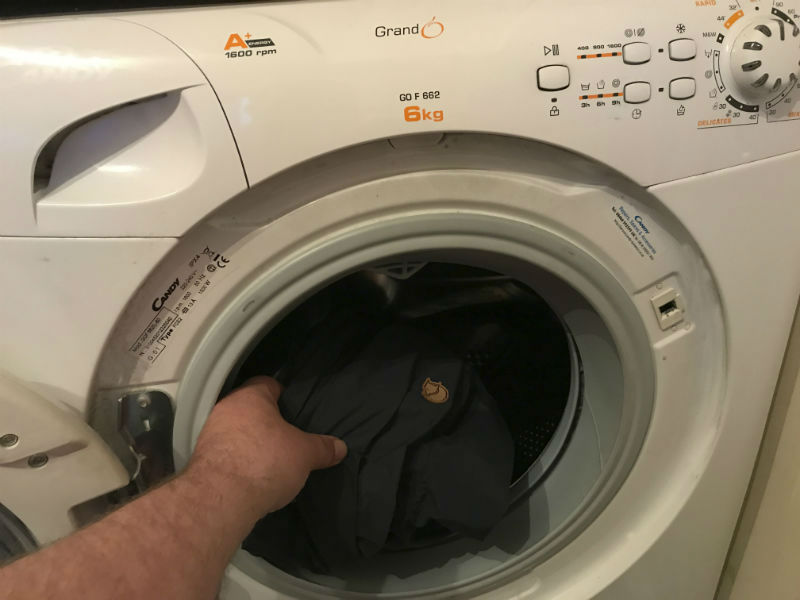
- Make sure the detergent compartment of your washing machine is clear of any detergent and if possible, run your machine on a hot wash while it’s empty to get rid of any detergent or fabric softener.
- Following the instructions on the bottle, pour the cleaner liquid into the detergent compartment and proofer into the softener compartment. Alternatively, the jacket can be spray proofed after cleaning.
- Place your jacket in the drum – don’t put any other items in with it – and wash at the temperature recommended on the label (usually 30 or 40 degrees).
- Hang out to dry or tumble dry if care instructions allow.
Finished reading?
Want more great tent information? Our "Hillwalking, hiking and trekking: the camping guide" is full of great information and camping advice.
Next Shows

The East Midlands Motorhome & Campervan Show 12th - 14th June 2026
Don’t miss The East Midlands Motorhome & Campervan Show, Newark, 12-14 June 2026. Discover motorhomes, campervans, and live entertainme...

The Big Land Rover Fest 11th - 12th July 2026
Experience The Big Land Rover Fest – a weekend of off-roading, live music, club displays and family fun at Newbury Showground, 11–12 Ju...

The Norfolk Motorhome & Campervan Show 17th - 19th July 2026
Join The Norfolk Motorhome & Campervan Show, 17-19 July 2026, for the Out & About Live Summer Party! Explore motorhomes, live demos, an...