
How to extend your tent


There’s no such thing as a standard way to extend a tent and a variety of terms to cover the options – porch, canopy, awning and extension for starters. How could there be just one with so many tent designs on offer? The term ‘sun canopy’ must be one of the most optimistic used by UK manufacturers. Many come with ‘built-in’ extensions; others have them as optional extras. One model I saw last year had so many clear panels that the extended area looked like a conservatory. Fortunately, extending your campsite living space can also be tackled with some imagination and a little lateral thinking. The first consideration is ‘Why?’ Are you seeking more living space; more privacy; more security or shelter from the elements? The answer, probably, is a combination of them all to varying degrees.
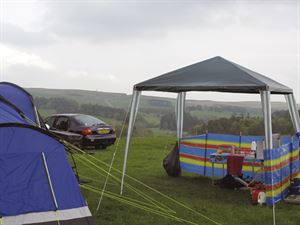
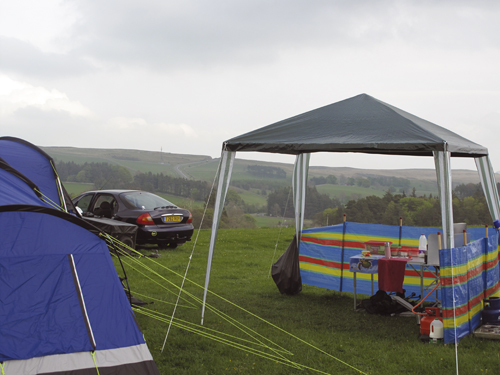
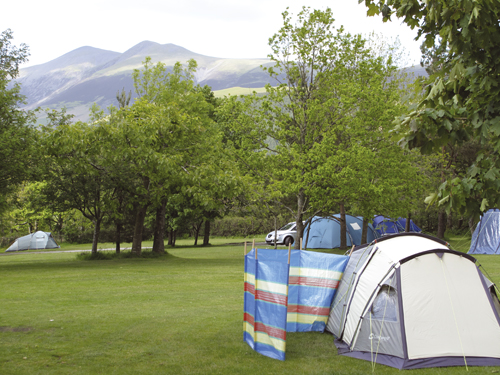
At their simplest, tent extensions take the form of windbreaks for shelter and privacy. Cheap, simple and effective, they’re used with all sizes of tents and have become steadily taller, longer, lighter and more durable. Quick to set up, they help to define your pitch and screen activities from curious eyes. There’s no shelter afforded from above, of course, but that’s easily remedied. Huge structures like Coleman’s Event Shelter offer a variety of flexible shelter options from rain, wind and sun. On the other hand, you could raid your shed or garage and set up a cheap and cheerful garden gazebo. Not very ‘glampy’ but very effective in extending shelter and living space. They make great cooking and eating areas, especially if they have insect screen sides, avoiding the need to hide away in the main tent.
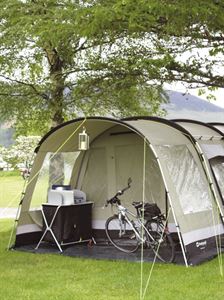
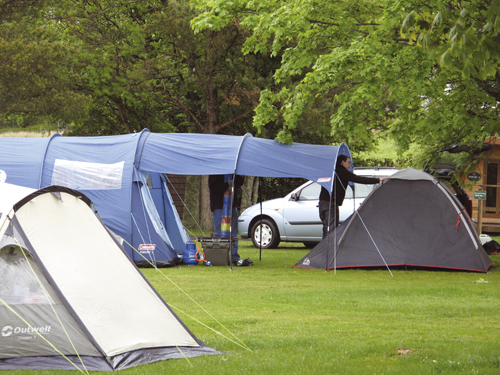
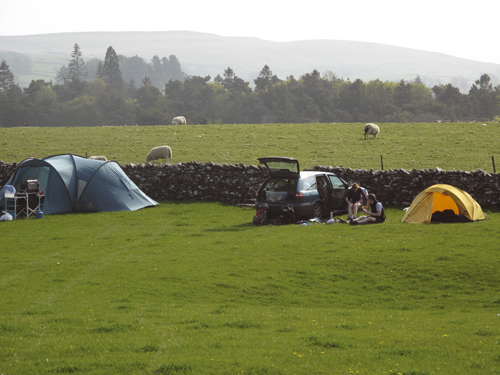
Built-in extensions are usually more like open fronted porches and really useful for stowing wet gear, cooking gear, table and chairs. The living space inside a tent can so easily become a chaotic mess that a convenient area to store all the comfy camping essentials is a must. Those folk who like to car camp with a tiny tent use the car itself as an extension; hatchbacks are more practical than open-topped sports cars. The best I spotted was a furniture removal van with tent pitched by the rear doors and a three-piece suite and sideboard in the van.
Most manufacturers of family tents now offer a range of extensions that cover just about all the angles dreamed up by the most fertile imaginations. Some are simple, others more complicated but they all aim to enclose space with minimal effort and weight. They tend not to have sewn-in groundsheets but offer them as further optional extras; a cheap tarpaulin may work just as well for you. Some extensions are linked closely with the main tent; others ‘sit’ at the front or side. They may be open or enclosed; with clear panels or no sides. When you’re choosing a tent, think beyond the tent in terms of how you can add flexible space options. Ask about packages and discounts rather than going back weeks or months later and paying the full whack.
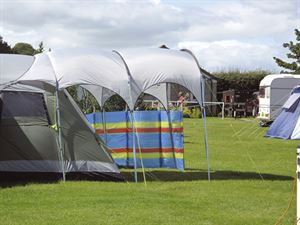
Awnings may be designed to work with a particular tent range or may be free-standing and have nothing to do with the tent manufacturer. By the way, simple awnings are one of the easiest camping gear items to make and suitable long poles are readily available. From personal experience, open-sided awnings need very secure guying and pegging (try Delta pegs; www.deltagroundanchors.co.uk) to avoid them taking to the air.
With a little imagination, tent extensions and awnings can make a big difference to your camping experience. For instance, instead of buying a huge tent to house all the family and ending up living on top of each other, consider making up your customised modular system. In other words, a main tent, awning and a satellite tent or more for other family members. It’s a good way of letting teenagers have more freedom.
TOP TIP:
‘Enlarge the place of thy tent, and let them stretch forth the curtains of thine habitations: spare not, lengthen thy cords, and strengthen thy stakes’
Images:
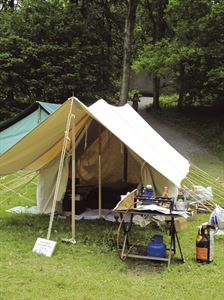
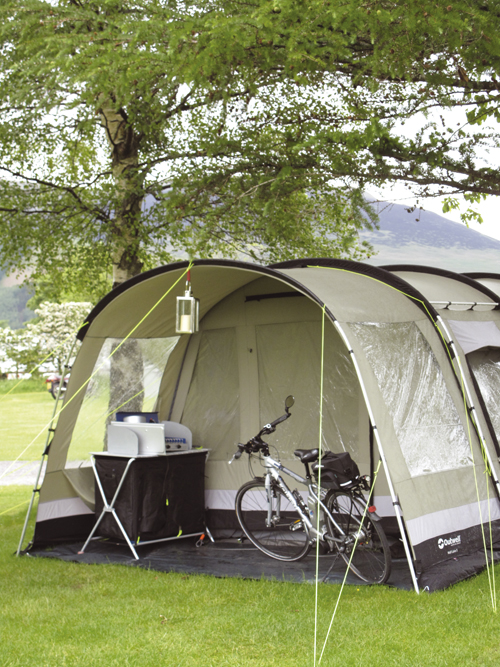
- An integral extended porch with enough space for gear storage; note the full groundsheet.
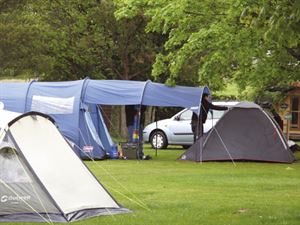
- Awnings can form ‘bridges’ of living space into other tents
- This garden gazebo and windbreak combo makes a very practical, low cost way of extending your tent.
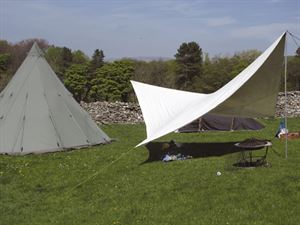
- Secure guying and pegging is essential for such awnings when the power of the wind gets under them.
- Stylish camping - tipi tent, striking awning and freestanding fire pit.
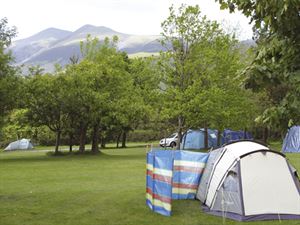
- Windbreaks offer a simple, cheap way to extend a tent.
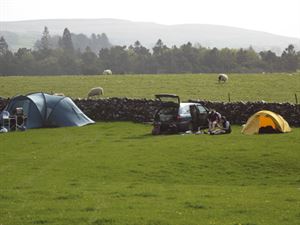
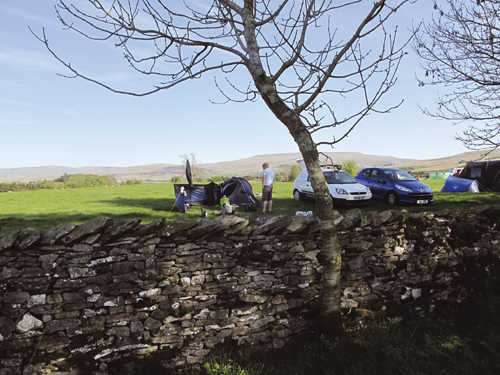
- Lightweight tents with no living space usually mean the car is pressed into service as an extension.
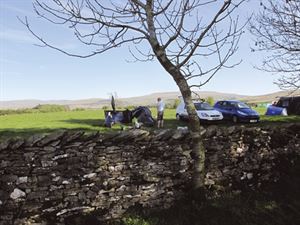
- Resourceful use of a small tent, windbreak and garden umbrella.
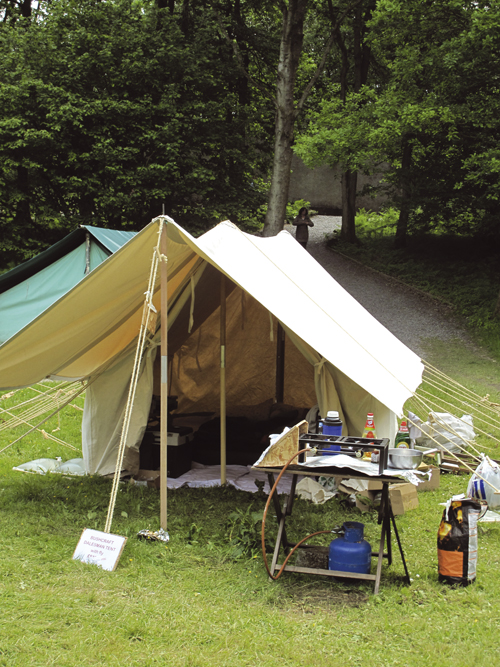
- The classic way to extend a traditional walled ridge tent.
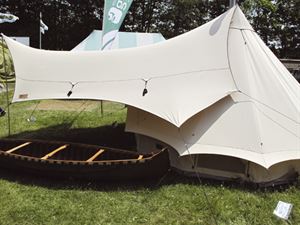
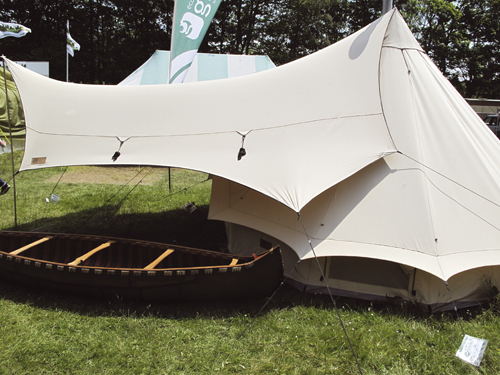
- Beautiful lines to this awning extending a modern bell tent.
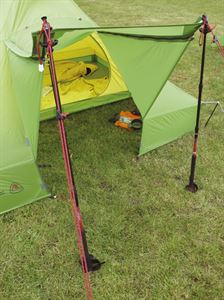
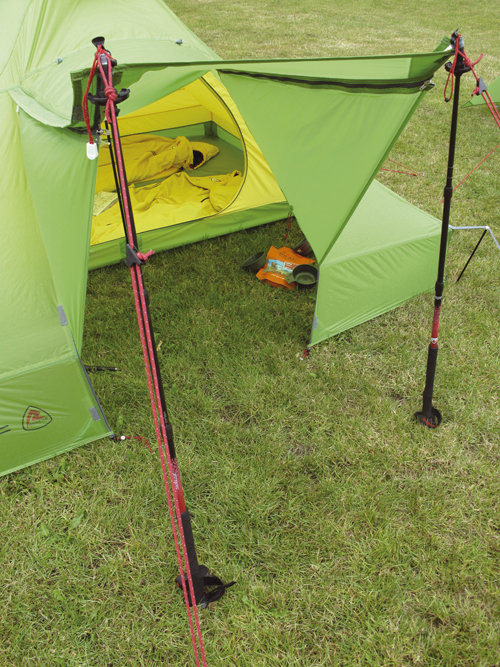
- Even ultra-lightweight tents can offer extended living space; here, walking poles form the supports as the door is used as a porch.

 2.
2. 3.
3.
4.
 5.
5. 6.
6.
7.
 8.
8. 9.
9. 
10.
 11.
11. 
Next Shows

The Big Land Rover Fest 11th - 12th July 2026
Experience The Big Land Rover Fest – a weekend of off-roading, live music, club displays and family fun at Newbury Showground, 11–12 Ju...

The Norfolk Motorhome & Campervan Show 17th - 19th July 2026
Join The Norfolk Motorhome & Campervan Show, 17-19 July 2026, for the Out & About Live Summer Party! Explore motorhomes, live demos, an...

Retro Festival 7th - 9th August 2026
Retro Festival celebrates timeless hits, vintage vehicles, fashion shows, and fairground fun.