
Campers' buying guide: How to choose a winter jacket
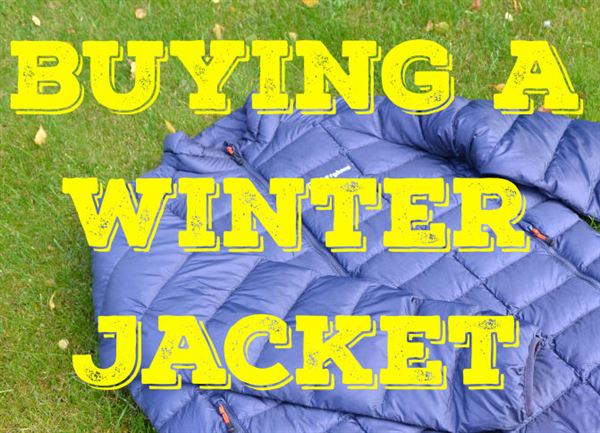
What do you want in a winter jacket? Do you go for something with full insulation? Or is it going to turn out mild? Perhaps the highest level of waterproofing should take a higher priority? Although, if that’s the case, breathability and ventilation may be affected and you might end up getting too warm. Hard to imagine, but perfectly possible.
Is your jacket simply for wearing around the campsite in winter? Or are you involved in full-on winter activities – in which case you’ll want something that helps rather than hinders movement. Or do you just want to keep cosy at all costs? Down jackets are hugely popular now and many of them are now treated with material that makes them suitable for wearing in the rain.
However there’s really just one big factor to consider (well, two, taking into account your budget): is it a style and fit that you like?
Scroll down for our top tips on choosing the right winter coat

TOP TIPS
- How waterproof? Check out the hydrostatic head rating of the outer fabric. As a very general guide, the higher the figure, the more waterproof it will be, at the same time breathability could be compromised. Although some suppliers will quote a figure and a “g” to indicate breathability, just as important is ventilation, or even factors such as being able to roll up the sleeves.
- Get the right fit. That might sound obvious, but do consider any other layers you might want to wear under your winter coat. If you try on a coat in the summer, when you’re only wearing a thin shirt, for example, it might feel too tight when you’re also wearing a jumper or fleece during colder weather.
- Check those zips. It’s still possible to find coats where the zips snag. Go see for yourself. An easy zip action when new could suggest less hassle over the longer term.
- Like tents, a jacket’s waterproof abilities can be measured in hydrostatic head. A coat can be called fully waterproof if its hydrostatic head rating is over 1500mm. The higher the number the better, is the general rule. However, this doesn’t account for any additional pressure put on the coat itself – such as walking, kneeling, leaning or brushing against objects etc.
- Read the labels. Most jackets don’t take kindly to any kind of artificial drying. Plenty can be washed in a machine, but keep temperatures cool. Look out, also for advice on the use of specialist proprietary cleaning products.
- You might want to check the “back story” of any jackets you’re looking at. Some are more environmentally friendlier than others. Accreditation such as Bluesign hints at more sustainable textile production, for example.
- Check the details. What kind of hood (if any) suits you? Also consider locations, sizes and accessibility of pockets. Ditto for zips.
CHECK OUR REVIEW OF THESE NEW WINTER JACKETS FROM BERGHAUS

Next Shows

The East Midlands Motorhome & Campervan Show 12th - 14th June 2026
Don’t miss The East Midlands Motorhome & Campervan Show, Newark, 12-14 June 2026. Discover motorhomes, campervans, and live entertainme...

The Big Land Rover Fest 11th - 12th July 2026
Experience The Big Land Rover Fest – a weekend of off-roading, live music, club displays and family fun at Newbury Showground, 11–12 Ju...

The Norfolk Motorhome & Campervan Show 17th - 19th July 2026
Join The Norfolk Motorhome & Campervan Show, 17-19 July 2026, for the Out & About Live Summer Party! Explore motorhomes, live demos, an...