
Beginners guide to backpacking
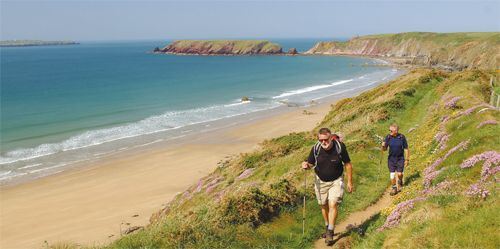
It’s not meant to be a rufty-tufty survival challenge but more a state of mind. The simple pleasures of waking deep in the hills or by the sea after a sound night in a cosy sleeping bag are priceless. Travelling through the country with all you need to hand allows you to follow impulses, explore and just have fun. For a modest price, you can enjoy your own place in the country without the ties of a fixed holiday home.
A journey of a thousand miles may well begin with just one step, but a successful backpacking jaunt needs a little more forethought. Not a lot if you want to maintain a footloose feel to your trip, but even the most relaxed backpacking vagabond must have, at least, a start point and initial direction. Sensibly, you should be scheming on where to go, how long it might take and where to pitch your tent safely, legally and with respect for the outdoor environment. Plus, of course, whether you are tracing the course of a river or following high mountain ridges, it makes sense to leave details of your proposed route and alternatives with family or friends.
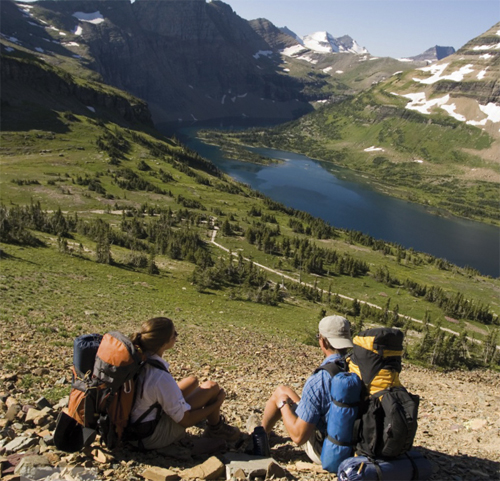 Routes and pitches are intertwined when you are planning – something of a chicken and egg scenario – so gather as much info as you can before spreading out the maps. How much planning you need to do depends on a variety of factors. Where you are going, for how long and at what time of year are all basic considerations.
Then there is your own experience and fitness – and the weather. There is a world of difference between backpacking in Scotland in the depths of a snowy winter and a balmy summer, particularly with regard to the ground you are likely to cover each day. You might fancy a theme to your trip; summits, valleys, historical sites and rivers are obvious but the opportunities are only limited by imagination.
There is a tendency in many of us to over-estimate the distances we can tuck under our belts day after day, especially on early trips, resulting in long exhausting days. Bearing in mind that backpacking is about leisure and recreation, try to be realistic when working out daily mileage, overnight stops and re-supply. Arriving in a village after its little shop has closed is likely to be inconvenient rather than a disaster but could be avoided with a little bit of advance planning.
As we have no right to camp where we like in most of the UK, leaving overnight pitches to chance is not recommended. Accommodation guides that include campsites are published for many long distance footpaths (LDPs), especially national trails. The Backpackers’ Club’s LDP Site and Pitch Directory is the only one of its type. Covering most of the established long distance routes in the UK, it is compiled and periodically updated by members, complementing the Club’s UK Farm Pitch Directory.
The Long Distance Walkers’ Association is another national club worth considering. Apart from their websites and publications, such clubs offer a rich network of knowledge and experience to tap into. Then there are tourist boards, national park centres and commercial guides. Pulling together a number of sites in a new area from a variety of sources and working out your own routes to link up several can while away many happy hours.
It is really easy to get bogged down in the legal situation regarding pitching a tent in England and Wales where, unlike Scotland, there is no legal right to such access. All land is owned by somebody and permission should be sought before pitching. Practically, that is often not possible. In the Lakes and Wales, pitching a small tent on high and remote ground is unlikely to have an irate landowner on your case. Care and consideration go a long way to avoiding trouble – as does a little stealth. A tent that blends in with the colours of the terrain will help to ensure that you will enjoy undisturbed nights.
Next Shows

The East Midlands Motorhome & Campervan Show 12th - 14th June 2026
Don’t miss The East Midlands Motorhome & Campervan Show, Newark, 12-14 June 2026. Discover motorhomes, campervans, and live entertainme...

The Big Land Rover Fest 11th - 12th July 2026
Experience The Big Land Rover Fest – a weekend of off-roading, live music, club displays and family fun at Newbury Showground, 11–12 Ju...

The Norfolk Motorhome & Campervan Show 17th - 19th July 2026
Join The Norfolk Motorhome & Campervan Show, 17-19 July 2026, for the Out & About Live Summer Party! Explore motorhomes, live demos, an...